
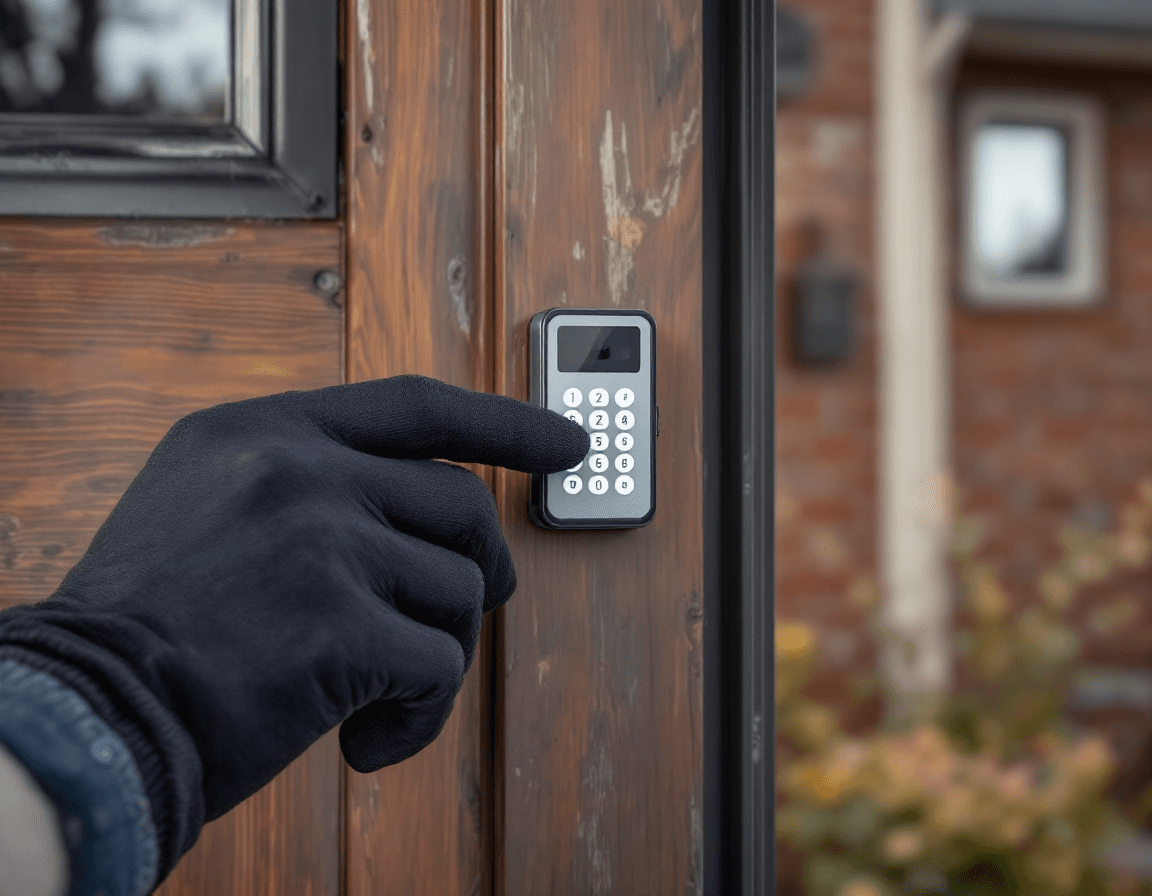
Garage Door Remote & Keypad Service in Sammamish, WA is one of the quickest fixes we handle, but it can be one of the most frustrating when your remote goes dead on a wet Tuesday morning and you're sitting in the car with the engine running. Most of these problems come down to batteries, interference, a worn button, or a receiver that has lost its memory, and very few require replacing the opener itself. Our technicians work across Sammamish and the surrounding King County neighborhoods, so we see the same patterns repeatedly: remotes that behave fine in July and fail by November, keypads that stop responding after a power flicker, and in-car buttons that never seem to sync with the door.
This page explains how we approach remote programming, keypad installation and troubleshooting, and in-car opener pairing for homes in Sammamish, including the 98074 and 98075 ZIP codes. It also covers what to expect from a service call, how pricing works, and where the line sits between a simple programming job and work that should only be handled by a licensed professional. Pricing for a remote or keypad visit typically falls between $65 and $185, depending on the scope of the work, and the cost of any new remote or keypad is separate. We will tell you the total before we start, so there are no surprises once the work is underway.
If you are reading this because a door won't respond, you probably want an answer quickly, and that's understandable. Many of the issues below can be checked in a few minutes with nothing more than a step ladder and a fresh battery. Where a problem needs a technician's eyes, we will explain what we found in plain language so you understand the cause, not just the fix. Read the sections that match your symptom, and call us at any point if you'd rather have someone on site.
Why Sammamish's Damp Air Keeps Remotes Guessing
The Pacific Northwest climate is hard on small electronics, and remote controls are no exception. Sammamish sees long stretches of gray, damp weather where humidity sits high for days at a time, and that moisture finds its way into key fobs through worn seals, battery compartments, and the rubber membranes behind each button. Corrosion on battery contacts can look minor from the outside but will cause a remote to work only when held at a certain angle or pressed firmly. In homes with attached garages that stay cool and damp, condensation can form on metal contacts inside the remote over the course of a winter.
Temperature swings add another layer. A remote left on a dashboard in summer, then carried into a cold garage on a December morning, experiences expansion and contraction that can loosen internal solder joints over time. Coin-cell batteries, which many compact remotes use, also lose capacity faster in cold weather, so a battery that tested fine in October may give out during the first hard freeze. This is why many customers describe a remote that "works until it doesn't," with the failure appearing only on certain days.
Local wind events and power interruptions also play a role. When a windstorm knocks out power to a neighborhood, many openers reset, and some lose the stored codes or change their learning mode settings. If your remote stopped working right after an outage, the opener may simply need to be re-taught the remote, not repaired. Keeping this pattern in mind helps you avoid spending money on new hardware when a few minutes of programming will restore normal operation.
Diagnosing an Intermittent Remote Before You Buy Anything
An intermittent remote is different from one that has failed completely, and the distinction matters. If the door responds only some of the time, start by replacing the battery with a fresh one of the exact type printed inside the case, even if the old battery still reads acceptable on a tester. Wipe the battery contacts with a dry cloth or a cotton swab lightly dampened with isopropyl alcohol, and let them dry fully before reinserting the battery. Then test the remote from several positions in the driveway and at the door, because a weak signal from a distant spot can look like a faulty remote.
Next, check for interference. Metal shelving, a new refrigerator, a set of stacked storage bins, or an electrical panel placed close to the opener can all affect signal reception, and so can nearby devices using similar radio frequencies. Some Sammamish homeowners have noticed problems after installing a new Wi-Fi router, a security camera, or a smart home hub near the garage wall. Moving the device a few feet, or relocating the interfering item, often clears things up without any technical work at all.
If the remote still acts up after these steps, the problem may be the remote itself or the receiver inside the opener. Press each button individually and note which ones fail, since a single dead button usually points to a worn membrane, while all buttons failing suggests a battery, contact, or receiver issue. Keep a simple record of when the problem happens, such as after rain, in the morning, or only when the car's windows are down, because that pattern helps a technician narrow the cause quickly. A quick diagnostic visit is usually enough to tell you whether programming, cleaning, or replacement makes the most sense.
Replacing a Lost Remote Without Leaving Your Garage Open to Strangers
A lost remote is more than an inconvenience. Anyone who finds it in a parking lot, a gym bag, or a Pine Lake trailhead parking area could operate your door if the remote is still programmed to the opener. For that reason, we treat a lost remote as a security task first and a programming task second. The goal is to clear the old codes from the opener so the missing remote no longer works, then teach the opener your replacement remotes.
Many openers allow you to erase all stored remote codes by pressing and holding the Learn button on the motor unit until the indicator light goes out or blinks, though the exact steps vary by brand and model. The procedure is usually simple, but the details matter, and some newer units use a smartphone app or a keypad-based reset instead. Once the old codes are cleared, you will need to program every remote you still plan to use, including the ones kept in vehicles and the ones given to family members. Forgetting even one remote means it will still have access to the door after the reset.
We also recommend reviewing whether a keypad or app-based access would make more sense for your household. A keypad with a changeable code can reduce how often you need to replace remotes, and it gives you a way in if you're locked out. When we replace a lost remote, we check the remaining remotes for wear and suggest replacements if a button feels soft or the housing is cracked. This small step can save a second service call a few months later.
Choosing an Exterior Keypad Placement That Survives Puget Sound Weather
Adding an exterior keypad is one of the most practical upgrades for families who come and go at different times, and it works well for homes near the Sammamish Commons area where kids, dog walkers, and delivery drivers may need occasional access. The challenge is placement. A keypad mounted on an exposed wall facing the prevailing wind will take a steady beating from rain, and a unit installed where it catches direct downpour can short out or develop fogging behind the glass after a few seasons.
Look for a spot that is protected by an eave or a small overhang, if possible, and avoid placing the keypad where water runs off the roof or where a downspout splashes. Keep it at a comfortable height for everyone in the household, and make sure the buttons can be reached without stepping off a porch or into a puddle. If you have a long driveway, consider whether the keypad is visible from the street and whether it will be easy to see at night. Good lighting nearby reduces the chance of mistyped codes, which is a common complaint with outdoor keypads.
Keypad models vary in weather resistance, backlight behavior, and code capacity, and not every unit suits every installation. Some have sealed membranes and gasketed housings that handle the Northwest's constant moisture well, while cheaper models may need more frequent attention. We discuss these differences during the visit so you can choose an option that fits your wall, your budget, and the amount of use you expect. A properly placed and sealed keypad should give years of reliable service with occasional cleaning.
When Your Keypad Rejects a Code You Know Is Right
A keypad that refuses a code you have used for years can feel like a malfunction, but the cause is often simpler. Some keypads lock out after several incorrect attempts and will not accept input until a timeout expires. Others have a learning mode that must be activated from the motor unit before new codes can be stored, and a code entered in the wrong mode will simply be ignored. Moisture behind the buttons can also cause a key to register inconsistently, which makes a correct code look wrong.
Start by waiting several minutes, then try the code again slowly, pressing each button firmly and completely. If the keypad has a backlight, check that it responds when you touch it, since a dead backlight sometimes signals a power or wiring issue rather than a code problem. Look closely at the keys for water spots, dirt, or a sticky film, and clean the surface with a soft cloth and mild soap, avoiding harsh solvents that can damage the printed labels. If the keys feel mushy or some numbers never register, the membrane may be failing and the unit may need replacement.
If the keypad still rejects every code after these checks, a technician should inspect the wiring between the keypad and the opener. Low-voltage connections can loosen over time, especially where cable runs cross exterior walls or pass through a bundle of older wiring. Our technicians test the connection, confirm the keypad is communicating with the opener, and reprogram the code if necessary. We will also look at whether the opener's logic board is the true source of the problem, because replacing a keypad when the receiver is failing wastes money.
Pairing Your Car's HomeLink Buttons Without the Guesswork
Many vehicles built in recent years include a built-in universal transmitter, often branded HomeLink or a similar name, that can operate your garage door without a separate remote. Pairing these buttons is possible in most cases, but the steps differ by vehicle make and by opener brand, and the process sometimes requires holding buttons in a specific sequence with the ignition in a particular position. A common frustration is that the car button flashes but the door never responds, which usually means the opener's learning window was missed or the frequency doesn't match.
Before you start, confirm that the opener is compatible with the in-car system. Some older openers use fixed-code technology that cannot be learned by modern rolling-code transmitters, and in those cases a compatible remote or a receiver upgrade is the practical answer. Check your owner's manual for the pairing procedure, and have a helper available if the process requires you to press a button on the motor unit while also holding the car's button. Parking the car in the garage with the door fully open for the first attempt can reduce interference from nearby signals.
If pairing fails after several tries, the problem may be the vehicle's transmitter, the opener's receiver, or a conflict with another remote already stored in memory. Clearing old codes can solve the conflict, but only if you are prepared to reprogram every remote you still use. We regularly pair in-car buttons during remote visits, and we will tell you clearly whether the vehicle is compatible before we spend time on the process. Our goal is to get the car working on the first visit, not to leave you with a half-finished setup.
What a Typical Remote and Keypad Visit Covers
Every service call is different, but most remote and keypad visits follow a predictable sequence so you know what to expect. We begin by asking about the symptom, the opener brand if you know it, and any recent changes such as a power outage, a new appliance, or a remote that was dropped. The technician then tests the remote or keypad, checks the opener's learn and reset functions, and inspects the wiring where relevant. Once the cause is clear, we explain the options and the cost before any programming or installation begins.
- Diagnosis of remote, keypad, or in-car transmitter issues, including battery and contact checks
- Programming of up to several remotes or in-car buttons, depending on the opener and vehicle
- Clearing lost or unauthorized remote codes from the opener memory
- Keypad installation or replacement, with weather-appropriate placement suggestions
- Keypad code programming and a test of all stored access points
- Final function check so you leave with a working door, not just a promise
Pricing for these visits generally ranges from $65 to $185, based on the complexity of the job and the time required. New remotes and keypads are billed separately, and we will quote them before ordering so you can approve the cost. Because pricing depends on the specific opener and access setup, we recommend describing the problem when you call so the technician arrives prepared with the right parts and tools. Most homeowners find that one well-planned visit resolves several small issues at once.
Local Notes for Pine Lake, Klahanie, and Sammamish Commons Homes
Sammamish is a community of varied housing styles, and that variety shows up in garages. Homes near Pine Lake often have older openers that were installed before modern rolling-code remotes became standard, while newer construction around Klahanie and the Sammamish Commons area frequently includes smart openers with app integration and built-in Wi-Fi. Each type has its own quirks. Older units may need a manual learn procedure that is easy to miss, while newer units sometimes tie access to an account that must be updated when a family member changes phones.
Single-family homes with attached garages common across the 98074 and 98075 ZIP codes often have limited wall space and crowded storage, which affects where receivers and keypads can be placed without interference. Long driveways and sloped lots can also create signal challenges, especially when the remote is used from the street or from a parked car at the end of a steep drive. In some cases, a small change in mounting height or a relocation of the keypad is enough to restore reliable operation. We take these local layouts into account during every visit.
Because many Sammamish households rely on multiple vehicles and several remotes, it's common to discover mismatched codes, duplicate entries, or old remotes that were never removed after a move. A thorough review of stored access points can clean up years of accumulated clutter in a single visit. We are happy to walk through the process with you so you understand what each remote and keypad is authorized to do, and so you can make informed decisions about who should have access going forward.
Safety Boundaries: What Stays With a Licensed Professional
Remote programming, keypad work, and in-car pairing are generally low-risk tasks that many homeowners can handle with care, but there are important limits. Anything involving the door's springs, cables, drums, tracks, or lift mechanism carries serious risk. Torsion springs and extension springs store enough energy to cause severe injury if they are adjusted, released, or replaced improperly, and cable tension and drum alignment require specialized tools and training. These components should never be handled by an untrained person.
Opener motor units are also heavy and connected to household power, so mounting, rewiring, or replacing the unit calls for caution and, in many cases, a licensed professional. If you notice frayed wires, a burning smell, scorch marks, or a door that moves unevenly or jerks, stop using the door and call for service. Do not attempt to adjust the door's balance by yourself, and do not try to force a stuck door open or closed while the opener is engaged. A malfunctioning door can be a safety hazard for children, pets, and vehicles.
Our technicians are licensed, bonded, and insured, and they will tell you when a problem falls outside a simple remote or keypad job. If the root cause is a spring, cable, or track issue, we will explain the findings and recommend the appropriate repair. We would rather hand you an honest assessment than see you attempt a risky repair that could injure someone. Safety comes first on every visit, regardless of how small the job appears on the surface.
Keeping Your Remotes Reliable Through Northwest Winters
Preventive habits go a long way toward avoiding a midwinter lockout. Replace remote batteries once a year, ideally when you change smoke detector batteries or adjust clocks, rather than waiting for the remote to fail. Store spare remotes indoors in a dry drawer rather than in a damp garage shelf or a car door pocket, since humidity and temperature swings accelerate wear. Keep a spare remote in a location your household can reach quickly, so a single failure doesn't leave everyone outside in the rain.
Inspect the keypad seasonally, looking for water inside the housing, cloudy glass, or buttons that feel unresponsive. Wipe the keys with a soft cloth after heavy rain and check that the cover seals properly. If your garage has a leak or significant condensation problem, address it, because moisture is the single biggest enemy of electronic access hardware in this climate. Small adjustments made throughout the year can prevent the majority of seasonal failures.
Finally, schedule a periodic check of your opener's access settings, especially after a move, a change in household members, or the purchase of a used vehicle. Removing unused remotes and updating codes keeps your garage secure and your system simple to manage. If you're unsure where to start, our team can review your current setup and recommend a sensible plan. Call us to book a remote and keypad visit, and we'll help you get the access you need without unnecessary cost.
To schedule Garage Door Remote & Keypad Service in Sammamish, WA, call Seattle Garage Door Fix at (888) 799-3819. Tell us whether you need remote programming, keypad installation or troubleshooting, in-car opener pairing, or a lost-remote reset, and we'll set up a visit that fits your schedule.