
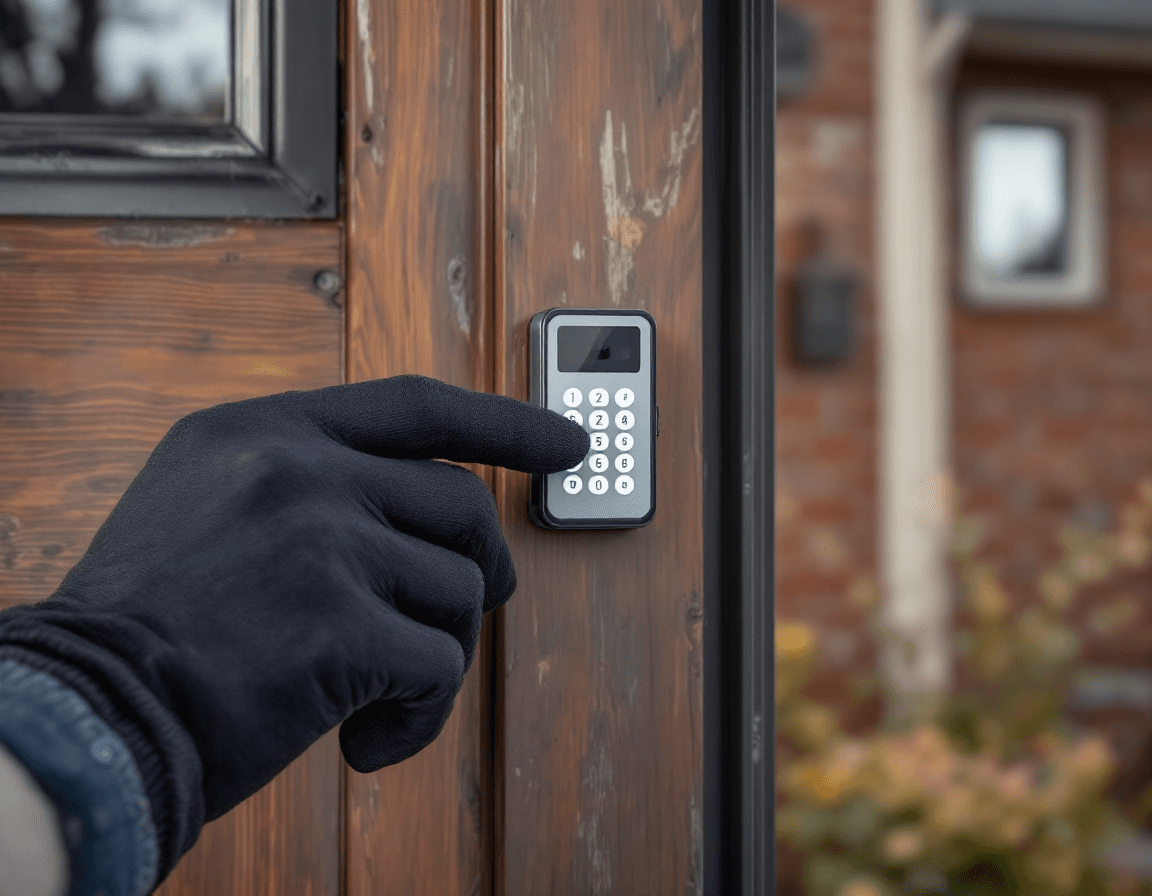
Garage Door Remote & Keypad Service in Redmond, WA covers one of the most common reasons homeowners call us: the button in the car stops working, the keypad rejects a code that worked last month, or a remote disappears somewhere between the grocery store and the driveway. Our technicians handle remote programming, keypad installation and troubleshooting, and in-car opener pairing for households across Redmond, from the older neighborhoods near Downtown Redmond to newer homes on the slopes of Education Hill. Most of these visits are short, but they still deserve careful attention, because a remote or keypad controls the same heavy door that can injure someone if the system is misconfigured.
Redmond's weather makes electronics work harder than they do in drier parts of the country. Winter brings long stretches of drizzle, morning fog that settles over Marymoor, and the damp, cool air that sits in attached garages for days at a time. Those conditions speed up corrosion on battery contacts and can soften the adhesive on keypad housings, while condensation finds its way into small gaps and onto circuit boards. This page explains what usually goes wrong, how we diagnose it, and what you can reasonably expect when you call (888) 799-3819.
Why Remotes and Keypads Struggle in Redmond's Wet Winters
Remote fobs and exterior keypads are small, sealed devices, but they are not waterproof in the way a boat hull is. Moisture creeps in through worn gaskets, cracked seams around the battery door, and the small gap where a keypad meets its mounting plate. Once that water reaches the battery terminals, the contacts oxidize, and the remote may still light up while sending a weak signal that the opener ignores. Technicians in our area see this pattern most often between November and February, when a remote kept on a hook near an uninsulated garage wall spends weeks in cold, humid air.
Keypads face a harder environment. An exterior keypad is usually mounted on a post or siding where it takes direct rain, wind-driven spray, and temperature swings from freezing nights to mild afternoons. Over time the rubber key membrane can lose its seal, and water gets behind the buttons, causing some digits to register while others stay dead. Sun exposure on south- and west-facing walls also matters during the brief dry spells, because repeated heating and cooling can crack plastic bezels and loosen the screws that hold the unit flat against the wall.
Garage interiors around Redmond also influence radio performance. Many homes here have metal roofing accents, dense framing, or large steel-core entry doors, and each of these can weaken the signal between a remote and the opener's receiver. If a remote works at the end of the driveway but fails when you pull into the garage, the problem is often a combination of weakened battery power and signal blocking rather than a defective unit.
Telling a Weak Battery from a Failed Receiver or Remote
Before anyone replaces a remote, it helps to understand which part of the system is actually failing. The most common culprit is a battery that has dropped below useful voltage, and it is also the cheapest to confirm. Most remotes use small coin cells, and a coin cell that still reads near full voltage on a meter can deliver too little current under the load of a transmission. That is why a remote can look fine on the surface yet fail to open the door reliably.
A few simple observations help separate the possibilities. If the indicator light on the remote is dim or does not come on at all, the battery is the first thing to check. If the light is bright but the door responds only when you stand very close, the signal is weakening, and the battery or the opener's receiver antenna may be to blame. If several remotes stop working at the same time, the opener itself, its wall control, or its power supply deserves attention, because a single failed component is unlikely to affect every transmitter at once.
We also look at the opener's wall-mounted control and its antenna wire. A loose or damaged antenna can cut range dramatically, and it is an inexpensive repair when caught early. The receiver board inside the opener is less common to fail, but it does happen, particularly after power surges during summer thunderstorms, which occasionally roll through the Eastside. When we suspect the receiver, we test the system with a known-good transmitter before recommending any hardware change.
- Remote light is dim, flickers, or does not come on: check or replace the coin-cell battery first.
- Door opens only within a few feet of the opener: check the antenna wire and battery strength.
- Every remote and the wall button fail together: inspect opener power, safety sensors, and the logic board.
- Keypad works only on some digits: inspect the membrane, moisture inside the housing, and wiring at the mount.
- Door reverses or stops unexpectedly: treat this as a safety issue and call a technician before continued use.
Programming a Replacement Remote Without the Guesswork
When a remote is truly lost or permanently failed, the replacement process depends on the opener brand and the age of the system. Many openers sold in the last two decades use rolling-code technology, which changes the transmitted code every time the button is pressed so that an intercepted signal cannot be reused. Older openers may use fixed codes, and some remotes operate on either 315 MHz or 390 MHz frequency. A remote that matches the wrong frequency will never work, regardless of how carefully it is programmed, so identifying the opener model before ordering parts saves a second trip.
Programming usually begins with a learn button on the opener's motor unit, often found near the antenna wire or behind a light lens. The technician presses that button, then presses the button on the new remote within a short window, and the opener confirms the pairing with a click or a light flash. Exact steps vary between manufacturers, and some models require holding the learn button for several seconds to enter programming mode. If you have the owner's manual, keep it near the opener, but do not be surprised if the printed instructions differ slightly from what the unit actually does.
Clearing old codes is an important part of any replacement. When someone reports that a remote was lost, we recommend erasing all previously learned remotes and reprogramming only the ones you still have in hand. Doing this takes only a few minutes, and it closes the door on a lost fob that someone could still use. Once the opener has been cleared, we pair each remote one at a time, test the door from both inside and outside, and confirm that the safety reversal system is working properly before leaving the property.
Adding an Exterior Keypad for Family Homes and Driveways
An exterior keypad lets family members, babysitters, and contractors enter the garage without carrying a remote, and it can be a practical upgrade for households with teenagers or frequent visitors. In Redmond, we often install keypads on the side of the garage near a main entry door or on a post at the driveway edge. Placement matters because the keypad needs to be easy to reach, protected from direct spray, and far enough from the door track that a person using it is not standing in the path of the moving door.
Installation involves more than screwing a plate to the wall. The keypad connects to the opener through low-voltage wiring, and the wire run must be routed so that it does not pinch, abrade, or sit in standing water. We pay attention to the mounting surface, since lap siding and stucco behave differently and require different fasteners and sealing. We also check that the keypad is compatible with the opener's logic board, because some older systems need a separate receiver module to accept keypad input.
Code management is the other half of the job. Most keypads let you set a multi-digit code, and some support several user codes with individual assignments. We walk you through choosing a code that is not easily guessed, such as one unrelated to your street address or birthdays, and we encourage you to change codes whenever a person who once had access no longer needs it. A keypad is convenient, but it is only secure if the codes are managed as carefully as house keys.
When an Existing Keypad Refuses a Code You Know
A keypad that rejects a code you are certain is correct usually has one of three problems: a worn membrane, a memory reset, or a wiring fault. Membrane wear is the easiest to spot. If certain numbers always fail, or if you have to press harder than usual, moisture or repeated use may have damaged the contact pad beneath the surface. Many Redmond keypads are mounted in sun-exposed locations, and the heat-and-rain cycle is hard on the adhesive that holds the membrane in place.
A memory reset can happen after a power interruption, a battery change in a keypad that uses one, or a technician working on the opener without re-entering the keypad settings. Some units also lock out temporarily after several incorrect attempts, which can make a correct code appear to fail. Waiting for the lockout period to pass and then entering the code slowly, one digit at a time, sometimes resolves the issue. If it does not, the keypad may need to be reprogrammed, and we can do that during the visit.
Wiring faults are more involved. A cut or corroded conductor at the connection point can cause intermittent input, and water intrusion inside the junction can create false signals that confuse the opener's logic. We inspect the wire run from the keypad to the opener, check connectors for corrosion, and test continuity where needed. Because keypads sit outdoors, we usually replace damaged wiring rather than patch it, which gives a more reliable result over the next several wet seasons.
Pairing Your Car's HomeLink Buttons
Many newer vehicles include a built-in universal garage opener system, commonly marketed under the HomeLink name, that can replace a clip-on remote entirely. The car's overhead console or mirror houses up to three buttons, and each one can be trained to a specific opener. Pairing usually requires the car to be parked with the engine running or the ignition in accessory mode, and it involves holding the car button while pressing the opener's learn button. Timing matters, and the exact sequence differs by vehicle year and manufacturer.
Some vehicles use newer rolling-code systems that require a more involved process, and certain openers need a specific sequence of button presses or a temporary cycling of power. If your car's system has been trained previously and now behaves oddly, the first step is usually to clear the existing programming, which is typically done by holding the car buttons for a set period. We check that the opener supports the pairing method your vehicle uses, because a mismatch between newer car systems and older openers is one of the more frustrating situations we encounter.
We recommend checking your vehicle's owner manual before the appointment, since the manual will describe the correct procedure for your model. If you use a smartphone app for your opener, confirm that the app and the in-car system are not competing for the same opener. Running two systems at once can cause confusion, and it is usually best to choose one primary method and keep the other as a backup.
Locking Out a Lost Remote Before It Becomes a Security Problem
A lost remote is more than an inconvenience. Anyone who finds it, or who has borrowed it from a former tenant or contractor, may be able to open your garage door and enter your home through an interior door. This is why we treat lost-remote calls as a security priority. The fastest fix is to clear all learned codes from the opener and reprogram only the devices you still control. This removes the lost fob's access immediately, and it takes less time than most people expect.
Some homeowners ask whether they can simply wait for the battery in a lost remote to die. That is not a dependable plan, because a remote with a fresh battery can keep working indefinitely, and nothing about its signal fades on its own. If you suspect a remote has been taken, do not rely on the battery. Clearing the opener's memory is the reliable step, and we can complete it during a service visit at your Redmond address.
It is also worth reviewing where spare remotes are stored. Many households keep an extra remote in a glove box, a shared key hook, or a garage cabinet that visitors can reach. Consider keeping the spare somewhere only trusted people can access, and remove remotes from any vehicles you are selling, leasing back, or lending. When we reprogram a system after a loss, we often suggest a simple inventory so you know exactly how many devices are paired at any time.
Matching Frequency, Brand, and Compatibility Before You Buy
Buying a remote online is tempting, but compatibility is not always obvious from the listing. Many universal remotes can be set to work with multiple brands, yet they still need the correct frequency and encoding for your opener. We see customers purchase a remote that looks identical to their old one, only to find that it operates on a different frequency or uses a code format the opener does not support. A few minutes of checking the opener label, model number, and any printed frequency on the old remote can prevent this.
The opener's model number is usually printed on a label on the motor housing, often near the rail or inside the cover. If the label is hard to read because of grime or sun fading, a technician can identify the unit from the rail style, motor shape, and control panel. Knowing the brand also helps because some manufacturers use rolling-code schemes that are not interchangeable with other brands, and a remote from one line may not work on another even at the same frequency.
When you call us, having the opener model and a photo of the old remote helps us quote accurately. The service fee is typically in the range of $65 to $185 depending on the scope of work, and the price of a new remote or keypad is added on top of that. Sometimes we can program a remote you already own, and sometimes the best value is a replacement. We will tell you which option makes sense before any part is ordered or installed.
Keeping Springs, Cables, and Door Hardware in Professional Hands
Remote and keypad work is low-risk when it is handled properly, but it sometimes reveals other problems with the door. If a remote stops working because the door itself is binding, or if a keypad seems fine but the door struggles to move, the root cause may be a worn spring, a frayed cable, or a misaligned track. These parts store large amounts of tension, and a spring or cable under load can cause serious injury if it fails during adjustment. We do not recommend that homeowners attempt spring or cable repairs on their own.
Torsion springs and extension springs are particularly hazardous. A torsion spring wound under high tension can release suddenly, and a cable that snaps can whip across the garage. These repairs require the correct tools, a measured approach to tension, and training in how the system behaves under load. For this reason, when our technicians find spring or cable issues during a remote or keypad visit, we explain the findings clearly and recommend a licensed professional for the repair. We will not attempt those repairs as part of a remote-programming appointment.
Keeping the door balanced also helps the remote and opener work reliably. A door that is hard to lift or drops unevenly can strain the opener and make the system react unpredictably, sometimes triggering the reversal function. Treat any unusual noise, jerking motion, or uneven travel as a signal to stop using the door until it has been checked. Your safety and the safety of anyone in the garage comes first, and a short inspection is far better than an emergency repair.
What Happens During a Redmond Remote and Keypad Visit
A typical visit begins with a conversation about the symptoms you have noticed and when they started. We ask whether the problem began after a battery change, a storm, a move, or a car replacement, because these details often point directly to the cause. Next, we check the opener, the safety sensors, the wall control, and the power supply, and we test the door's reversal system before programming anything. We want to be sure the opener is operating safely before we add or change any device.
After the initial inspection, we address the device you called about. That might mean replacing a battery, programming a remote, installing or reprogramming a keypad, or pairing a vehicle's built-in opener. We test each device from the inside and outside of the garage, and we confirm that the door responds consistently. We also explain how to care for the device, such as keeping a spare battery on hand and wiping keypad surfaces to reduce moisture buildup.
Pricing follows the scope of the visit. The service fee generally ranges from $65 to $185, and any new remote, keypad, or module is quoted separately so you can decide before we proceed. We aim to avoid surprises, and we will confirm the total before starting any installation. If the visit reveals a larger problem, such as an opener that needs a replacement logic board or a door that needs a spring service, we will describe the options and let you choose the next step.
Getting Started with Your Redmond Remote or Keypad Repair
If your remote is intermittent, your keypad rejects a code you know is correct, or you have lost a remote and want the door secured again, we can help. Before you call, it is useful to note the opener brand if you know it, whether the problem started suddenly or gradually, and whether any other remotes or the wall button are still working. Having a rough idea of your garage's orientation and where the keypad or car buttons are located also speeds up the visit.
Our technicians serve homes across the greater Redmond area, including the ZIP codes 98052 and 98053, and we are licensed, bonded, and insured. For questions about remote programming, keypad installation, car pairing, or a lost-remote lockout, call (888) 799-3819 and describe what you are seeing. We will explain the likely cause, the service options, and the expected price range before anything is scheduled, so you can decide with confidence.