
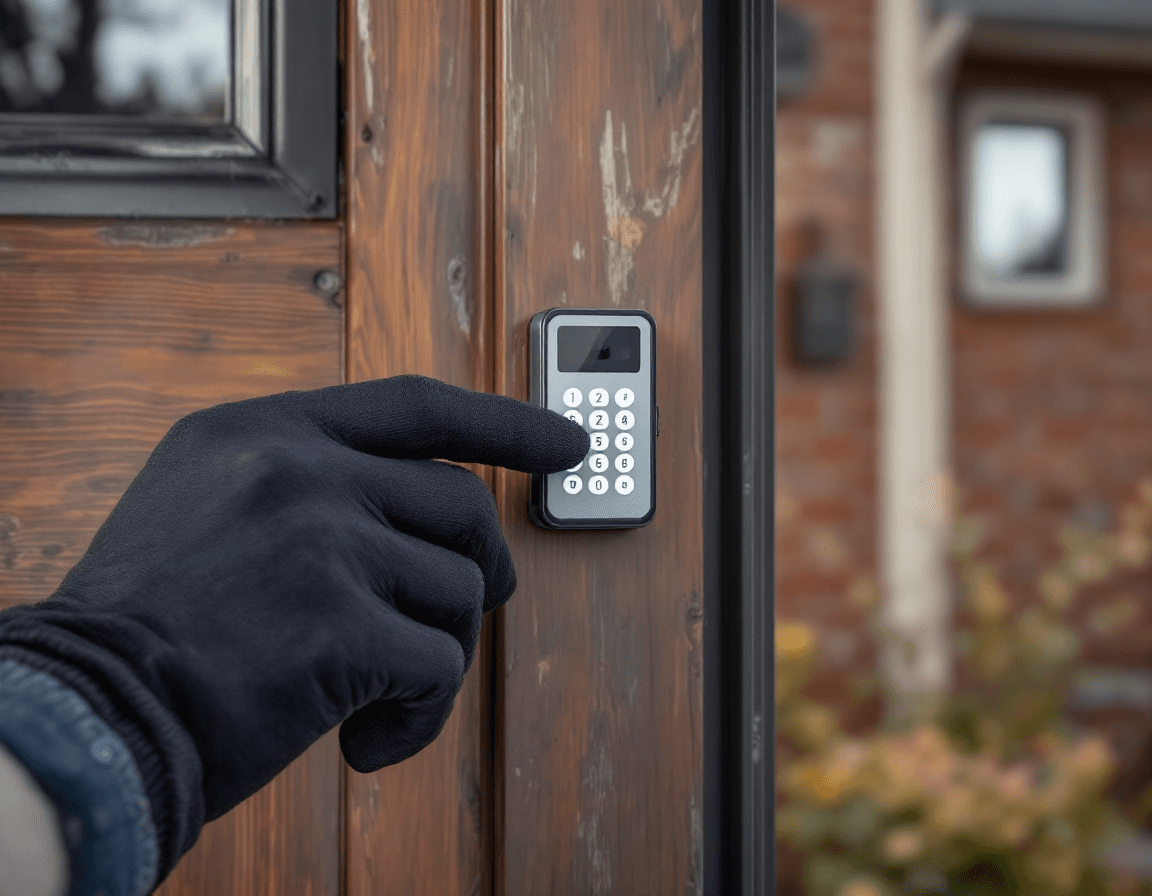
Garage Door Remote & Keypad Service in Kirkland, WA covers the small electronic parts of your garage door system that homeowners rely on every day, from the clicker in the car to the keypad by the side door. When a remote stops responding or a keypad rejects a code you have used for years, the door itself often still works fine, but getting in and out of the house becomes a daily hassle. Our technicians handle remote programming, keypad installation and troubleshooting, and in-car opener pairing for homes across Kirkland, including addresses in the 98033 and 98034 ZIP codes.
Kirkland's mix of older craftsman homes near Moss Bay, split-level houses in Juanita, newer townhomes around Totem Lake, and wooded lots on the hillsides means garage openers here live in very different conditions. Some are tucked into detached garages with long driveways, others sit under a second-story bonus room with a single shared wall. Whatever the setup, the remote and keypad are usually the first components to show wear, and they are also the easiest to repair without rebuilding anything. This page explains what typically goes wrong, how we approach each problem, and what to expect when you call.
If you are reading this because something stopped working this morning, you do not need to understand every technical detail before calling. Most remote and keypad problems can be narrowed down with a few quick questions about how the door behaves, whether the opener light blinks, and which buttons still respond. Our team can often tell you over the phone whether the issue is likely a battery, a programming problem, or a sign that the receiver needs attention. The sections below walk through the common scenarios so you can match your situation to the right fix.
Why Remotes and Keypads Struggle in a Western Washington Climate
The Pacific Northwest is known for long stretches of drizzle, damp air, and temperatures that swing enough to create condensation inside sealed plastic housings. A remote that lives on a visor or clipped to a bag can pick up moisture every time the car sits outside overnight in Kirkland's autumn and winter weather. Over time that moisture can work its way into battery contacts, leading to corrosion that looks minor but interrupts the signal just enough to cause intermittent failures. Many homeowners assume the remote is dying when the real problem is a film of oxidation on a few copper contacts.
Keypads take a harder beating. An exterior keypad mounted on a siding wall or post near a walkway is exposed to rain, leaf debris, and the occasional pressure washing that clears moss off a patio. Water can collect behind the keys and short out the circuit board, or it can leave the buttons sticky so a code that worked last month now registers as a wrong entry. Keypads also tend to fail in clusters during cold snaps, when batteries lose capacity faster than people expect and the keypad begins to brown out before fully failing.
Radio signals add another layer of complexity. Most residential openers use radio frequencies that travel reasonably well through wood-framed walls but lose strength through concrete, dense insulation, and large metal objects. In homes with garages attached to sloped lots, a remote may work perfectly from the driveway and drop out once you reach the back of the house. Understanding this helps explain why a remote can seem unreliable even when the opener itself is healthy.
Reading the Warning Signs: Intermittent Clicks, Dead Buttons, and Short Range
Remote problems rarely appear all at once. More often, the remote works when you stand close to the door, then fails from the street, or it responds on the second press but not the first. Many homeowners describe the door reversing unexpectedly or the opener light flashing when they press the button, which can point to a signal that is arriving but getting garbled before the receiver can interpret it. Paying attention to these patterns before calling can save time and help a technician decide whether the fix is a simple battery swap, a reprogram, or something that requires inspecting the receiver.
A quick self-check can clarify the situation before anyone visits. Start by checking whether the remote's indicator light flashes when a button is pressed, since a dark LED usually means a dead battery or a failed switch. Next, try the remote from a few different spots, including inside the garage, at the end of the driveway, and near the front door. Finally, notice whether the problem affects one remote or all of them, because a single unit failing often points to the remote itself, while all remotes failing usually points to the opener or its antenna.
- Remote light does not flash at all: likely a dead or corroded battery, or a failed internal switch.
- Works only when you are very close: possible weak battery, interference from nearby devices, or a receiver that needs realignment.
- Works sometimes but not others: often caused by moisture in the housing or a worn button contact.
- All remotes stopped at once: check the opener's wall control and safety sensors first, then consider receiver or antenna issues.
- Door moves briefly and reverses: could be a safety sensor problem rather than a remote problem, which our technicians will check during the visit.
When you describe these symptoms to us, the goal is to separate the simple from the complicated. Plenty of intermittent remotes are restored with a fresh battery and a brief cleaning of the contacts. Others need reprogramming because the opener has lost track of a code after a power outage or after another device was added to the system.
Keypad Codes That Refuse to Take: What Usually Goes Wrong
A keypad that refuses a code you know is perfectly good can be frustrating, especially when you are standing in the rain with groceries. In most cases the keypad is working; the issue is usually that the code was changed, the keypad was reset, or the receiver no longer recognizes the keypad as a paired device. Some keypads require you to enter the code exactly as programmed, with no extra digits or pauses, while others allow a limited number of attempts before locking for a short period. Knowing which kind you have shapes how we approach the repair.
Battery-powered keypads are a common source of trouble in Kirkland homes with long winters and frequent overcast days. When voltage drops, the keypad may light up but fail to transmit the code reliably, which feels like the keypad is ignoring you. Corrosion on the keypad's internal contacts can produce the same result, and so can water intrusion around the mounting plate. Wired keypads have their own quirks, including loose low-voltage connections at the opener and damaged wire runs where the cable passes through exterior walls.
Our technicians typically start by confirming the keypad's power source, cleaning or replacing contacts as needed, and checking whether the receiver logs the keypad at all. If the keypad has been reset, we reprogram it to the opener using the learn button sequence specific to your model. Reprogramming is also the right move when a previous owner left a keypad behind and you cannot confirm its code history. We will walk you through the new code so you know exactly how to enter it, and we will recommend changing it to something you can remember without writing it on the siding.
Installing an Exterior Keypad Without Tearing Up Your Siding
Many Kirkland homeowners want a keypad near the side entry or on a detached garage so that family members, dog walkers, or contractors can get in without a remote. Adding one is a practical upgrade, but the placement matters more than most people expect. A keypad mounted too low can collect splashback from driveway puddles, while one under a deep eave may still be exposed to wind-driven rain that finds its way behind the housing. We look for a spot that stays dry, is within comfortable reach, and has enough signal strength to talk to the opener reliably.
Installation depends on your opener. Some systems use a wireless keypad that pairs with the opener's receiver and runs on batteries, which makes mounting simple because no new wire is needed. Others use a wired keypad that connects to the opener's control terminals and requires a short run of low-voltage cable. Wireless units are the more common choice for retrofits, but we always confirm that the keypad matches the receiver's frequency and security protocol before ordering anything, because mismatched hardware is one of the most common reasons a new keypad never works.
Once the keypad is mounted and paired, we test it several times with a real code, confirm the opener responds consistently, and check that the door's safety reversal still functions as designed. We also show you how to set the keypad's code and where the reset procedure is printed, in case you need it later. If the exterior wall is stucco, brick veneer, or cedar lap siding, we take care to seal the mounting holes so moisture does not wick into the wall cavity over time. This is a small detail, but it is the kind of thing that separates a tidy installation from one that causes rot five years down the line.
Pairing Your Car's HomeLink Buttons on Eastside Roads
Built-in garage door buttons in modern vehicles are convenient, but they can be surprisingly tricky to pair, particularly when the car has been sold or the opener has been replaced. Many drivers in Kirkland use the HomeLink system or a similar integrated remote that is built into the rear-view mirror or overhead console. Pairing usually involves holding the car button while pressing the opener's learn button, then watching for a light or a sequence of flashes. The exact method varies by make and model, and some newer vehicles use rolling-code systems that require a more involved process.
A common frustration is that the car button works for a few weeks and then stops, or it works for the previous owner's garage but not yours. This often happens when the opener's security protocol has changed, or when the car was programmed to a unit that has since been replaced. In other cases, the car's battery may be weak, or the programming session may have timed out before the pairing was complete. Our technicians know which vehicles are straightforward and which require a second attempt, and we bring the programming tools needed to complete the job in one visit when possible.
Before we start, it helps to know the car's year, make, and model, and whether the buttons are part of a mirror or a visor. We also check that the opener's learn button is accessible, since some newer openers have it tucked behind a cover or located on the back of the motor unit. If your car uses a separate handheld remote that was purchased with it, we can often pair that too. Paired buttons should work consistently from the driveway, and we will confirm that the car button can open and close the door without any extra steps.
Lost or Stolen Remote: Locking Down Your Garage Again
A missing remote is more than an inconvenience. Anyone who finds or steals it can open your garage door and potentially access your home, which is why a lost remote should be treated as a security issue rather than a minor annoyance. The good news is that most residential openers can erase old remote codes without replacing the entire system. Once the codes are cleared, the lost remote will no longer work, and you can then pair the remaining devices you still have in your possession.
The process typically involves pressing and holding the opener's learn button until the indicator light goes out, which signals that the stored codes have been cleared. After that, each remote, keypad, and in-car button must be reprogrammed. This can feel like a lot of work for a household with several devices, but it is far less costly than discovering a stranger has been using a remote for weeks. We recommend doing this as soon as you realize a remote is missing, even if you do not yet know whether it was lost in the house or taken from a car.
When we visit to re-secure a door, we also look at the opener's rolling-code settings and confirm the system is using current security protocols. If the opener is older and uses fixed codes, which are easier to intercept, we will explain your options for upgrading it. We do not want to frighten anyone, but we do want homeowners to understand that a garage door is one of the most common entry points for home intrusions, and that securing the remote system is a meaningful step. Keep a written list of which devices you have paired so future service is faster.
Choosing Replacement Remotes and Matching Frequencies
Replacement remotes are available in several frequencies and security styles, and choosing the wrong one is one of the easiest ways to waste money. Many openers use a specific frequency range, and a remote built for a different range will simply not communicate with the receiver. Some systems also use proprietary rolling-code formats that only work with compatible hardware from the same manufacturer. Before purchasing a replacement, we identify the opener brand and model, read the frequency from the existing remote or the opener label, and confirm compatibility.
Multi-button remotes are useful for homes with more than one door, but they are not always needed. Some households prefer a visor clip, a keychain fob, or a remote that also controls a gate or a second garage. We can recommend options based on how you use the door, whether you want a single unit for each driver, and how much you want to spend. Cheap universal remotes can be tempting, yet they often lack the security features of OEM models and may have shorter range, so we discuss the tradeoffs openly.
When a remote is replaced, the new unit must be programmed to the opener and the old codes may need to be cleared if you want to prevent the previous remote from working. We handle this as part of the service and make sure each remote tested properly before we leave. If the opener itself is near the end of its service life, we will mention that honestly, because a new remote paired with a failing motor is money spent on the wrong problem. Our goal is to give you a working system that matches your home, not just to sell hardware.
Understanding the Pricing for Remote and Keypad Service
Our service pricing for remote and keypad work in Kirkland falls in the range of $65 to $185, depending on the complexity of the job. Simpler visits, such as reprogramming a single remote or clearing lost codes, sit toward the lower end. Jobs that involve troubleshooting a keypad, running low-voltage wire, or pairing multiple in-car buttons generally land higher. This range covers the technician's time and the diagnostic work needed to identify the issue, but it does not include the cost of a new remote or keypad, which is billed separately depending on the model you choose.
- Included in the service range: diagnosis, reprogramming, clearing old codes, testing each device, and a walkthrough of how everything works.
- Billed separately: new remotes, replacement keypads, batteries where a specific model requires them, and any additional hardware needed for installation.
- Not included in this page's range: spring replacement, cable repair, opener motor repair, and other mechanical work, which are scoped separately after inspection.
We aim to give you a clear estimate before any work begins. If the problem turns out to be bigger than a remote or keypad issue, we will explain what we found and let you decide how to proceed rather than adding charges without discussion. Many homeowners appreciate knowing that a fifteen-minute battery fix will not turn into an unexpected invoice for something unrelated.
Neighborhood Notes: Downtown Kirkland, Juanita, Totem Lake, and Rose Hill
Every part of Kirkland has its own garage character, and that affects how remote and keypad problems show up. Downtown Kirkland has many older homes and compact lots where garages sit close to neighboring properties and sometimes share alleys or narrow driveways. In these areas, signal interference from nearby structures and the occasional metal carport can weaken a remote's range, so placement of a keypad or antenna matters. Homeowners near the waterfront often notice more moisture and salt-laden air during winter storms, which accelerates corrosion on exposed hardware.
Juanita and the surrounding neighborhoods have a mix of single-family homes with attached two-car garages and detached structures on larger lots. Families here frequently ask about adding exterior keypads for teenagers, caregivers, or the occasional delivery. The wooded areas and hillsides can also mean longer driveways and more distance between the car and the door, which is a common reason remotes feel less reliable than they used to. In Totem Lake, many homes are newer or in planned communities with shared walls and tighter garage layouts, where a remote that works fine at one house may behave differently at the next.
Rose Hill and nearby residential blocks often feature older openers that have been in place for many years, and the remotes in these homes may be the original units or early replacements. Owners sometimes find that the opener works but the remotes have aged out, making reprogramming or replacement the practical solution. We also see plenty of homes where a remote was lost during a move, which makes clearing old codes especially important. No matter which part of Kirkland you live in, we start by asking a few questions about your opener, your driveway layout, and how the door is used, so the repair fits your home rather than a generic template.
Where Remote Service Ends and Spring and Cable Work Begins
It is important to separate remote and keypad service from the mechanical work that keeps a garage door balanced and safe. Springs, cables, drums, and rollers store significant tension, and mishandling them can cause serious injury. Our remote and keypad visits focus on the electronic components and the opener's control system, not on adjusting or replacing springs. If we notice a spring that looks worn, a cable that is fraying, or a door that is out of balance during a visit, we will tell you and recommend that a licensed professional perform that work.
Spring and cable replacement requires specialized tools, training, and an understanding of how tension is calculated for your specific door weight and size. Attempting these repairs without proper equipment can lead to broken hands, eye injuries, or a door that falls unexpectedly. We always encourage Kirkland homeowners to leave spring and cable work to licensed, insured technicians, and that includes any pre-existing repairs you may have been considering on your own. Remote and keypad service, by contrast, involves low-voltage electronics and pairing steps that are safe when performed carefully.
If you are unsure whether your problem is electronic or mechanical, describe what you see and hear. A door that will not respond to any input, makes loud snapping sounds, or sits crooked on its tracks needs mechanical inspection before any remote is reprogrammed. A door that responds to the wall button but not the remote is usually a pairing or battery issue. We will help you sort through these possibilities by phone and bring the right approach to the appointment.
Scheduling Your Remote or Keypad Visit in Kirkland
When you are ready to get your remote, keypad, or in-car pairing sorted out, the first step is a quick call so we can understand the symptoms and confirm the right appointment type. Please have your opener brand if you know it, the number of remotes and keypads you use, and whether any devices have been lost or replaced recently. If you have a vehicle with built-in buttons, the year, make, and model will help us prepare. Knowing these details up front means the technician can arrive ready to work rather than spending the visit gathering information.
Our Kirkland service covers 98033 and 98034 and the surrounding neighborhoods, including Downtown Kirkland, Juanita, Totem Lake, and Rose Hill. We work with homeowners who want straightforward explanations, clear pricing within the $65 to $185 service range, and a working system before we leave. If you want to add a keypad, replace a lost remote, or get your car's buttons working again, we will walk you through each step and answer questions along the way. Call (888) 799-3819 to speak with our team about your garage door remote and keypad needs in Kirkland, and we will help you get back to using your garage the way you expect.