
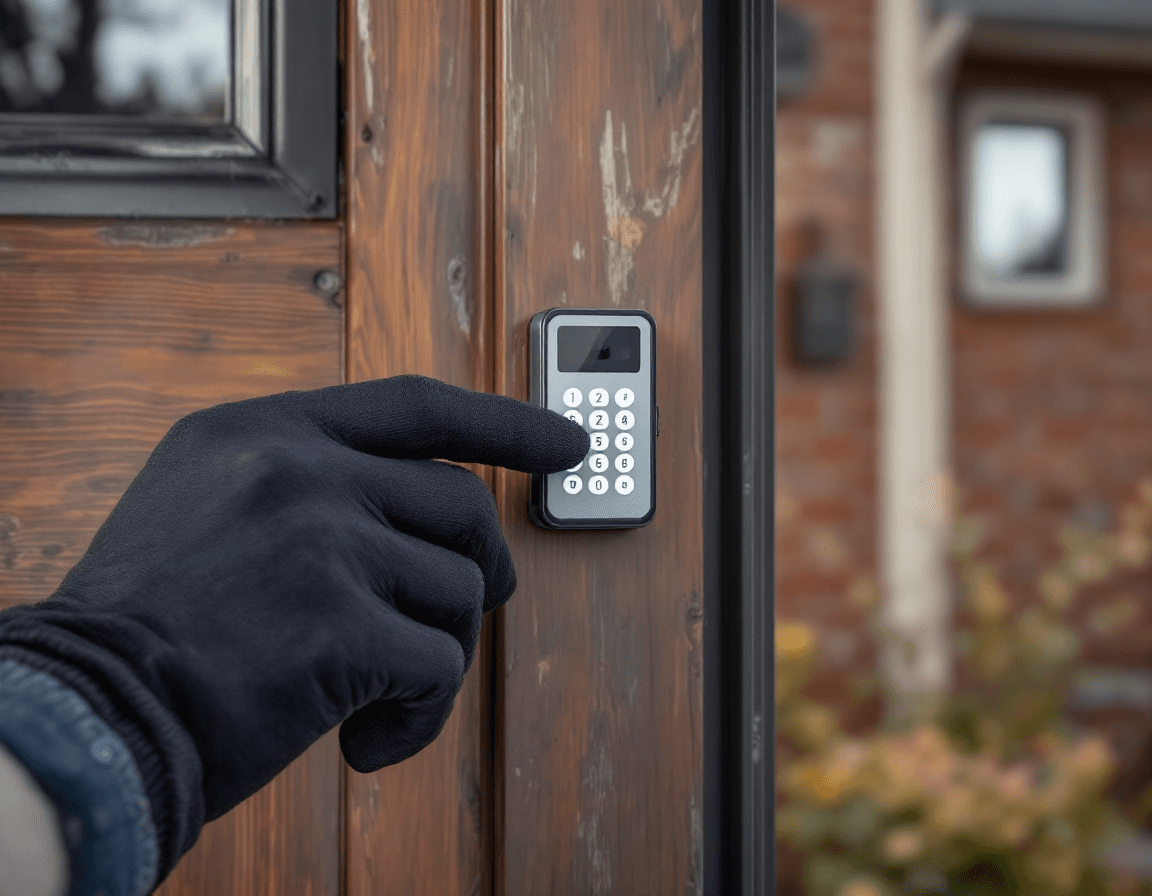
Garage door remotes and keypads look simple, but when one stops working in a Bothell driveway, the cause is often a mix of battery age, moisture, a mismatched code, or a receiver that lost its memory. Seattle Garage Door Fix handles remote programming, keypad installation and troubleshooting, and in-car opener pairing for homeowners across Bothell and nearby communities. Our service typically runs $65 to $185, plus the cost of any new remote or keypad you need. Pricing depends on the opener brand, how many devices need programming, and whether the keypad requires new wiring.
Bothell sits where the Sammamish River valley meets the rising ground toward Canyon Park, and that geography means many garages stay damp for weeks at a time. Drizzle, overnight condensation, and the occasional hard freeze all work against small electronics. Remotes sitting on a dashboard or hanging from a hook near a drafty door can slowly degrade. Keypads mounted outdoors take the brunt of it. This page explains what usually goes wrong, how we approach each problem, and what you can check yourself before you call.
Whether you are dealing with a flaky clicker, a keypad that rejects a code you know is right, a car that will not pair with its visor buttons, or a lost remote that leaves your garage open to anyone who finds it, the goal is the same: get the system working reliably and make sure only the people you authorize can operate the door. The sections below walk through each situation in plain language.
When a Remote Works Sometimes and Not Other Times
An intermittent remote is one of the most common calls we take from households near Bothell Landing and the older blocks of downtown. The button presses fine on some days and does nothing on others, which tempts people to blame the opener. In many cases the remote itself is the weak point. The small coin-cell battery inside most remotes loses voltage gradually, and it may still click the LED while lacking enough power to send a full signal to the receiver. A remote that works only when you stand close to the door, or only when you hold it at a particular angle, is usually telling you the battery or the internal contacts are tired.
Moisture is the second suspect in Western Washington. Remotes kept in a car door pocket or on a cold concrete shelf can collect condensation, and corrosion on the battery contacts creates resistance that makes the signal inconsistent. We check the battery compartment, look for green or white residue, and clean the contacts before deciding whether the unit needs replacing. A remote with a cracked housing or a button that sticks under light pressure often has a failing circuit board, and at that point repairing it rarely makes sense compared to a new unit.
Interference can also cause intermittent behavior, though it is less common than people expect. Nearby wireless devices, a new garage door opener on a neighboring property, or a metal-framed shelf that blocks the signal path can all create dead spots. A technician will test the remote at several distances and positions, which tells us whether the problem follows the remote or the receiver. Pinning this down first saves money, because a battery swap is far cheaper than a new remote and a new remote is far cheaper than a receiver replacement.
Why Your Old Clicker Won't Match the New Opener
Many homeowners in older Bothell subdivisions still use an opener that predates the current generation of rolling-code systems. When a remote no longer matches the receiver, the reason is usually one of three things: the opener was replaced, the remote is from a different frequency band, or the receiver's memory was cleared during a power event or a reset. Modern openers use rolling codes, which means the signal changes every time you press the button. That design improves security, but it also means a remote and receiver must be synchronized correctly during programming.
Frequency matters more than most people realize. Garage door remotes typically operate at either 315 MHz or 390 MHz, and a remote built for one band will not talk to a receiver tuned to the other. We identify the correct frequency by reading the label on the remote, checking the opener's model plate, and confirming compatibility before we attempt programming. Trying to force a mismatched remote to pair wastes time and sometimes confuses the receiver's memory, so verifying compatibility first is part of every visit.
Some remotes are intentionally limited. Budget universal remotes may lack the code range or the button count to match a particular opener, and certain brands use proprietary protocols. When a remote cannot be made compatible, we explain the options honestly: a compatible replacement, a keypad that works alongside the existing receiver, or an opener upgrade if the existing unit is nearing the end of its service life. We will not sell you a new opener to fix a problem a $20 remote could solve, and we will not push a cheap remote that will fail in a few months.
Keypad Codes That Are Rejected or Keep Timing Out
A keypad that refuses your code is frustrating, especially when you have used that code for years. The most frequent causes we find near North Creek and Canyon Park are a worn keypad membrane, a code that was changed on the keypad without anyone writing it down, or a keypad that has entered a temporary lockout after several failed attempts. Many modern keypads will pause for a period after repeated wrong entries, and the flashing light or delayed response can look like a malfunction when it is actually a safety feature.
Water is the other major factor. An exterior keypad mounted on a siding wall in a region that gets steady drizzle for much of the year can accumulate moisture behind the faceplate. Buttons may register inconsistently, the backlight may flicker, or the keypad may reboot randomly. We inspect the gasket, check whether the mounting screws have loosened and let water in, and look at the wire connections where the keypad meets the opener control. A drip loop in the wiring and a properly seated weather seal prevent most of these problems.
Resetting a keypad is usually possible, but the exact steps depend on the brand and model. Some keypads reset through a sequence of button presses, others require a small reset button inside the battery or wiring compartment, and certain older units need the opener's learn button pressed before the keypad will accept a new code. Because the procedure varies, we verify the correct sequence for your specific equipment rather than guessing. This avoids accidentally erasing codes you still need or leaving the keypad in a state where anyone can program it.
Adding an Exterior Keypad Beside the Side Door
Many Bothell households want a keypad so family members, babysitters, or contractors can enter without carrying a remote. A well-placed exterior keypad also helps when the remote is lost or the car is in use. The best location is usually near the main entry or the side door you actually use, mounted at a height that is comfortable and out of direct sprinkler spray. We check the wall material, confirm there is a clean path for the low-voltage wire to reach the opener, and decide whether the keypad can be battery-powered or needs hardwiring.
Installation is generally a low-voltage task, but it still involves working inside an opener housing and running wire through a wall, and not every opener is set up the same way. When an installation would require opening the opener's main control board beyond the normal wiring terminals, or when the existing wiring is damaged, we stop and explain what we see. We also keep the keypad's own instructions in mind: manufacturers specify the wire gauge, maximum run length, and mounting clearance, and following those specs prevents intermittent failures down the road.
Once the keypad is mounted, we program the initial code, test it through several full cycles, and confirm the door reverses correctly if it encounters an obstruction. Testing the safety reversal is non-negotiable. If you notice the door is slow to respond, makes an unusual noise, or does not stop when something is in its path, stop using it and call us. Do not attempt to adjust the door's travel limits or tension yourself, because those settings affect the entire door system and should be handled by a licensed technician.
Pairing Your Car's Visor Buttons with HomeLink
Many vehicles in Bothell driveways have built-in garage door buttons, often branded as HomeLink, Car2U, or a similar system. These buttons are convenient, but they are also a common source of frustration, because the pairing steps differ between car manufacturers and sometimes between model years. A car that was sold with one opener may need a different sequence for a replacement opener. Battery age in the car's transmitter, a dead vehicle battery, or a learning procedure that was interrupted can all cause the buttons to fail to pair.
The pairing process generally involves putting the opener into learn mode, then pressing and holding the car's programmed button while the opener's light or motor indicates it has received the signal. Some systems require you to press the button several times or wait for a blinking light to change. Because these details vary, we bring the procedure that matches your car and opener, and we confirm the result by operating the door from the car at a realistic distance. If your visor buttons work only when the engine is running, or only when the car is parked in a particular spot, we check the signal path and the transmitter power before deciding on a fix.
There are situations where pairing may not be possible or advisable. Some newer vehicles use rolling-code systems that rely on a specific opener protocol, and certain aftermarket openers are not compatible with factory-installed transmitters. When pairing fails, we explain the reason and suggest a practical alternative, such as a plug-in remote that clips to the visor or a keypad for the driveway side. We would rather tell you clearly what will and will not work than leave you cycling through the same failed sequence in your driveway.
Re-Securing the Garage After a Lost Remote
A lost remote is not just an inconvenience. Anyone who finds it may be able to open your garage, and if the remote was left in a car, bag, or jacket, the risk can persist until the system is reset. The priority is to erase the codes that the lost remote can use and then program the remaining devices again. On many openers this is done by pressing and holding the learn button until the indicator light goes out, but the exact step varies by manufacturer, and some systems clear codes through a different sequence. Checking the correct procedure before you start prevents you from erasing the wrong memory.
After clearing the old codes, we reprogram your remaining remotes, the car buttons, and any keypad you use. This is a good moment to review what is actually stored in the opener. Households often accumulate old remotes from previous owners, former tenants, or family members who no longer need access. Each one is a potential entry point, so we help you count what is in use and remove what should not be. The goal is a short, known list of devices that you can account for.
We also recommend a practical habit: keep a spare remote in a secure location inside the house, and consider attaching remotes to a keychain with a visible identifier rather than your home address. If you suspect someone may have copied or stolen a remote and you are concerned about who has access, call us and we will walk through the reset steps and confirm the door responds only to the devices you intend to keep. Re-securing the system takes a little time, but it is far easier than discovering an unauthorized opening after the fact.
A Five-Minute Triage Before You Call
Many remote and keypad problems can be narrowed down before a technician arrives, and doing a little checking first helps us solve the issue faster. Start with the simplest variables and work toward the more involved ones. Note which devices fail, whether the problem happens at every distance, and whether the opener light responds when you press a button. This information helps us decide whether to focus on the remote, the keypad, or the receiver.
- Replace the coin-cell battery in the remote with a fresh one of the correct type, and clean the contacts gently with a dry cloth.
- Test the remote within a few feet of the opener, then at the end of the driveway, and note any change in behavior.
- Check whether the opener's light flashes when you press the remote, which tells you the signal is being received.
- Look at the exterior keypad for moisture, loose screws, or a damaged gasket, and confirm the buttons are not stuck.
- Write down the make and model of the opener, usually printed on a label inside the door track or on the motor housing.
If none of these steps resolve the issue, the problem may involve the receiver, the wiring, or a compatibility issue that requires specialized tools. Please do not open the opener's cover to poke around while the unit is plugged in, and do not attempt to adjust door springs, cables, or tension. Those components store significant energy and must be handled by a licensed professional. A remote or keypad visit does not require that kind of work, and we will tell you immediately if the job grows beyond programming and troubleshooting.
What a Remote and Keypad Visit Covers
Our standard remote and keypad service generally falls between $65 and $185, depending on the work involved. A basic visit to diagnose and program one or two remotes sits at the lower end of that range. Adding an exterior keypad, pairing car buttons across multiple vehicles, or working through a stubborn receiver issue moves the price upward. Any new remote, keypad, or replacement hardware is billed separately, so you will know what each component costs before we install it.
During the visit, a technician will confirm the opener brand and model, test your existing devices, identify any frequency or compatibility issues, and program the remotes or keypad you need. We will walk you through how to use the new codes, how to clear lost devices, and how to care for batteries and seals. If the visit reveals a problem outside remote and keypad service, such as worn springs, a damaged cable, or an opener that needs repair, we will explain the issue and recommend that a licensed technician address it. We will not present unrelated repairs as part of a remote visit.
It helps to have your original remotes, your car's owner manual or the model number for your vehicle, and any keypad packaging on hand. If you have a previous code or a record of how the keypad was set up, bring that too. The more information we have at the start, the more efficiently we can work, and the less time you spend waiting on the driveway.
Scheduling Service Across 98011, 98012, and 98021
We provide remote and keypad service throughout Bothell and the surrounding neighborhoods, including homes within ZIP codes 98011, 98012, and 98021. Households near Bothell Landing, the businesses and homes in Canyon Park, and the residential streets around North Creek all receive the same careful approach. Our technicians understand how Western Washington weather affects exterior equipment, and we plan visits so that outdoor keypad work can be completed during dry windows when possible, while indoor remote programming can be scheduled at any time.
To schedule service, call (888) 799-3819 and describe the problem in your own words. Tell us which devices are failing, whether you need a new remote, keypad, or car pairing, and whether any locks or security concerns are involved. We will help you choose a visit time that works for your household and confirm the expected cost range before the appointment. Having your opener model and any device labels ready makes the first call faster and more accurate.
Whether your remote has quit in the middle of a wet February or you have lost a key device and want your garage secured today, a qualified local technician can help. Call (888) 799-3819 to schedule remote programming, keypad installation or troubleshooting, or in-car opener pairing with Seattle Garage Door Fix.