
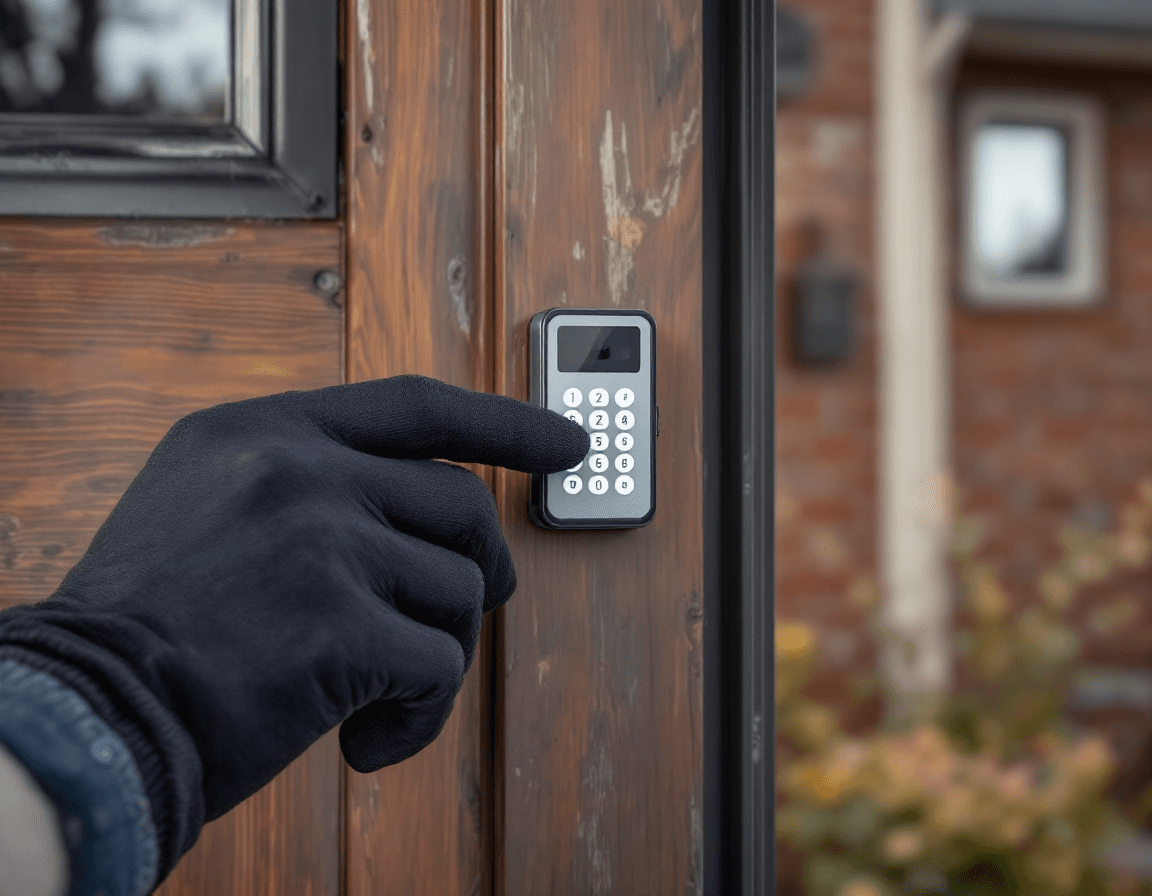
Garage Door Remote & Keypad Service in Lynnwood, WA covers one of the most common reasons homeowners call us, and it is often the fastest fix we make. A remote that works from the driveway but not from the street, or a keypad that rejects a code you've used for years, can disrupt a morning routine in a hurry. Most of these problems come down to batteries, signal interference, a reset, or a small programming step, not a failed opener. We work across Lynnwood, from the homes near Alderwood to the neighborhoods that stretch toward the City Center, and we see the same patterns repeat through the seasons.
This page explains what usually goes wrong, how we diagnose it, and what you can reasonably expect when you schedule a visit. We cover remote programming, keypad installation and troubleshooting, and pairing your car's built-in opener buttons. We also explain how to secure your garage if a remote goes missing. Our remote and keypad service generally runs from $65 to $185, plus the cost of any replacement remote or keypad you choose to install. If the issue turns out to involve springs, cables, or the door's mechanical components, we'll tell you plainly, because that work belongs to a licensed professional.
Why Remotes Lose Their Grip in a Lynnwood Drizzle
Western Washington's damp, mild winters are hard on small electronics. Water beads on the remote's buttons, condensation works its way into the battery compartment, and the contacts can oxidize over a few wet months. A remote that worked perfectly in August may start stuttering in November, and homeowners often blame the opener when the real problem is a corroded battery terminal. We find that a quick cleaning and a fresh battery solve a surprising share of these calls.
Range issues also show up here more than people expect. Many Lynnwood homes sit close together, and dense neighborhoods can mean nearby radio traffic, wireless routers, and other garage remotes competing for the same frequencies. Thick exterior walls, a metal garage door with insulation, or a driveway that slopes away from the house can all shorten the working distance. A remote that opens the door from the kitchen but fails from the car at the curb is often telling you something about signal path rather than failure.
Wind and rain also affect how people hold and store remotes. Remotes kept in a car's visor or a damp jacket pocket get handled, bumped, and soaked more than those kept indoors. Over time, a cracked casing or a button pad that has lost its springiness will cause intermittent presses. We check the physical condition of the remote before we assume the electronics are at fault, because the fix is often simpler than it looks.
Telling a Failing Remote Apart From a Failing Opener
Before you spend money on a new remote, it helps to figure out where the failure lives. The remote, the receiver on the opener, the wall control, and the keypad each handle the signal differently, and a symptom that looks identical from the driveway can have very different causes. A careful technician will test each piece rather than guess. Here are the signs we most often see in homes around Lynnwood:
- The remote works only when you stand directly beside the garage door, but not from the street or the far end of the driveway.
- The indicator light on the remote dims, flickers, or doesn't light at all when you press a button.
- The door responds on some presses and ignores others, even when you hold the remote in the same spot.
- The wall-mounted control works, but the remote does not, which points toward pairing or battery issues in the remote itself.
- The opener's own lights blink or the motor runs briefly before stopping, which can suggest a safety sensor or travel setting problem rather than a remote problem.
If several of these describe your situation, start with the simplest checks. Replace the battery with a fresh one of the correct type, wipe the buttons and contacts with a dry cloth, and make sure nothing metal or electronic is sitting directly on the opener's receiver antenna. If the door still responds only sometimes, the next step is a proper diagnostic visit. We test signal strength, confirm the receiver is picking up the remote, and check whether the opener's rolling code has fallen out of sync.
Re-Pairing a Remote Without the Guesswork
Most modern openers use rolling-code technology, which changes the transmitted code every time the remote is pressed. This is good for security because a thief cannot record and replay a single code, but it also means a remote and opener can fall out of sync after a battery change, a power surge, or repeated presses while out of range. When that happens, the door may refuse to respond even though both devices are working individually. Re-pairing restores the link.
The exact procedure depends on the opener brand and model, and the learn button is usually found on the motor unit, often near the antenna wire or behind a light cover. Pressing it typically starts a short learning window, during which you press the remote button you want to program. Some systems require you to press the button more than once, and some older units have a limited number of remote slots that must be cleared before a new one can be added. Reading the label on your motor unit and noting its model number before you call makes the visit quicker for everyone.
We program remotes in the home during the service call, and we confirm that each button you intend to use actually works from the driveway, not only from inside the garage. If you have more than one remote, we recommend programming them all in the same session so none is left out of sync. We also clear out old remotes that you no longer use, since a forgotten remote in a lost bag or a former tenant's possession is a security gap that should be closed.
Keypads That Refuse Your Code
An exterior keypad is convenient for family members, dog walkers, and contractors, but it adds a few failure points. The keys can stick or stop registering after years of exposure to rain, road grime, and temperature swings. A keypad that worked all summer may begin rejecting codes in late autumn when moisture gets into the circuitry. Sometimes the keypad is fine, but the code was entered incorrectly, the keypad's internal memory was reset, or the wiring between the keypad and the opener has loosened.
When a keypad refuses a code, we start by checking the basics. We confirm the keypad has power and that its backlight or indicator responds when a key is pressed. We look at the wiring connection at the opener, check for corrosion on the terminals, and inspect the keypad housing for water intrusion, cracked seals, or loose mounting screws. Many keypads also have a learn or programming sequence for setting or changing the access code, and we walk you through that process once the hardware is confirmed working.
If the keypad is worn out, replacing it is usually straightforward. A quality weather-rated keypad mounted under a small overhang or a simple cover will hold up noticeably better than an unshielded unit facing the full force of a Lynnwood storm. We can also discuss keypad models that support multiple user codes, so you can give separate access to family members without sharing a single code with everyone who might come by.
Adding an Exterior Keypad Near Alderwood and the City Center
Plenty of homeowners in the Alderwood area and around Lynnwood City Center want a keypad for convenience, especially if they have teenagers coming and going, a regular house sitter, or a habit of forgetting their remote on the kitchen counter. Adding a keypad is a reasonable upgrade, but the placement needs thought. The keypad should be reachable without leaning into the driveway, sheltered from direct rain where possible, and positioned where it does not face the sun all afternoon, which can make the display hard to read.
Many Lynnwood garages are built with the opener's wiring routed through the wall or ceiling, and older homes may have limited space for additional low-voltage runs. A wireless keypad avoids much of that work by communicating with the opener by radio, though it still needs a fresh power source and a secure mount. Wired keypads usually offer more reliable connections and are less affected by interference, but they require more planning during installation. We assess the wall, the existing opener model, and the exposure of the spot you have in mind before recommending one approach over the other.
Security matters with an exterior keypad. Choose a code that is not your house number, your birth year, or a simple repeating pattern. Change the code if someone who knew it no longer needs access, and consider a keypad with a lockout feature that pauses entry after several wrong attempts. A keypad is a convenience only when it is set up thoughtfully, and we are happy to walk you through the options during a service call.
Syncing Your Car's Built-In Opener Buttons
Many newer vehicles include built-in garage door buttons, often branded as HomeLink or a similar system, mounted in the visor or overhead console. Pairing these buttons with your opener lets you open and close the door without carrying a separate remote. The process generally involves placing the car's button in learning mode and then pressing the opener's learn button or pressing the original remote, but the sequence varies by vehicle year, make, and opener manufacturer. Some vehicles require a specific order of steps, and a few newer systems use a different process altogether.
Pairing problems are common when the opener is older, when the car's system has been reset, or when the vehicle was purchased used and the previous owner's settings remain in place. A car button that blinks during programming but never completes the link often means the opener and vehicle are using incompatible code formats. In those cases, a compatible replacement receiver or a plug-in accessory may be the better path. We can tell you within a short visit whether pairing is possible on your setup and what it will cost to make it work.
We also recommend keeping your vehicle manual nearby when you schedule a car pairing appointment, since the exact steps are listed there. If you sell the car or change vehicles, clear the old programming from the opener so the previous car's button can no longer open your garage. This is one of the easiest security steps homeowners overlook, and it takes only a few minutes to handle correctly.
Lost Remote, Lost Control: Securing the Door Again
Losing a remote is unsettling, especially when you don't know where it went. A remote left in a rental car, a jacket pocket, or a gym bag could still open your garage door from a parking lot or driveway if it remains programmed. The right response is to remove the lost remote's access from the opener rather than simply hoping no one finds it. Depending on the opener model, this may involve clearing all remote codes from the motor unit's memory and then reprogramming the remotes you still have.
We recommend a short checklist when a remote goes missing:
- Find the opener's learn button and confirm whether it can clear all stored remote codes at once.
- Gather every remote, keypad, and vehicle button you still use, so you can reprogram them in one session.
- Change the keypad access code if the lost remote was ever shared, or if the keypad code is written near the door.
- Check whether any previously paired car buttons need to be re-synced after the memory is cleared.
- Inspect the door's safety reversal and sensors while the opener is being serviced, so the reset does not leave an unrelated problem unnoticed.
Clearing memory is not something to do casually if you rely on several devices, so a service call can save time and avoid accidental lockouts. We will confirm that the remaining devices work from the driveway and from inside before we leave. If the lost remote was the only one you had, we can supply and program a replacement at the same visit.
Choosing Replacement Remotes and Keypads That Fit Your Opener
Replacement remotes are not one-size-fits-all. The opener brand, the frequency it uses, and the code type all determine which remote will work. A remote from a different manufacturer may look identical but simply will not communicate with your motor unit. This is why we check the opener model and the existing remote's frequency before recommending a replacement, especially for homes where the original equipment was installed years ago and the manufacturer has since changed its product line.
Replacement keypads and remotes come in a range of quality levels and features. Basic remotes are inexpensive and perform well for most households, while multi-button models can control a second door, a gate, or lighting if your opener supports it. Keypads vary in weather rating, backlighting, number of user codes, and mounting style. For homes exposed to driving rain and salt-laden air from the coast on certain days, a sealed, weather-resistant unit is usually worth the extra cost, because it will hold up longer and avoid the intermittent failures that frustrate households.
Our remote and keypad service typically falls between $65 and $185, depending on the work involved. The final figure depends on whether we are only programming existing devices, installing a replacement, or adding a new keypad with wiring. The cost of any new remote or keypad is charged separately, so you can compare options before you commit. We will explain the choices plainly, including when a basic model is the sensible choice and when a more capable one will serve you better.
What a Service Visit Covers and What It Costs
A typical remote or keypad visit follows a predictable path, which helps homeowners plan their time. We arrive, confirm the problem, and test the opener, the wall control, each remote, and any keypad or vehicle button in the household. We check the batteries, clean the contacts, and look at the signal strength from the driveway and from the street-side approach. This diagnostic stage often reveals whether the problem is simple or whether it points toward something beyond the remote itself.
Once the cause is clear, we perform the programming, installation, or replacement you agreed to. We typically include:
- A check of the opener's learn button and remote memory, with clearing or reprogramming as needed.
- Battery testing and replacement for remotes and keypads that require it.
- Verification that every device you use opens and closes the door from the driveway and inside the garage.
- Keypad mounting, wiring checks, and code setup when a new keypad is part of the job.
- Pairing of vehicle-mounted buttons when the opener and car are compatible.
Pricing for this work ranges from $65 to $185, with replacement remotes and keypads billed separately. We do not promise a specific number of minutes, because every opener and home is different, but we will tell you what to expect before we begin any work. If the problem turns out to involve the door's mechanical parts rather than its controls, we will stop and explain the next steps before doing anything further.
When the Remote Is Only Part of a Larger Problem
Sometimes a remote or keypad issue is a symptom of something bigger. A door that opens only partway, makes grinding noises, or seems to hesitate before reversing may have a mechanical problem that no remote adjustment can fix. Likewise, a door that will not respond to any control, even after the batteries are fresh and the opener has been reset, may point to a wiring fault, a failed logic board, or a safety sensor that is misaligned. We will tell you honestly when a visit has uncovered a problem outside the scope of a simple remote job.
Springs and cables deserve special mention. Garage door torsion springs and extension springs are under high tension and can cause serious injury if handled incorrectly, and cables can snap under load. Any spring or cable repair must be performed by a licensed, trained professional with the proper tools. Do not attempt to adjust, wind, or remove springs yourself, and do not climb onto a ladder to tinker with the tension while the door is operating. If we discover a worn spring or frayed cable during a remote visit, we will flag it and recommend licensed repair rather than attempting to handle it as part of a simple control job.
If you are unsure whether your problem is electronic or mechanical, call us at (888) 799-3819 and describe what you see and hear. We serve homes across Lynnwood and the surrounding Snohomish County communities, including addresses in ZIP codes 98036, 98037, and 98087, and we are glad to help you sort out the next step. Whether you need a remote reprogrammed, a keypad installed near the front walkway, or a car button paired before your next commute, a short phone call is a good place to start.