
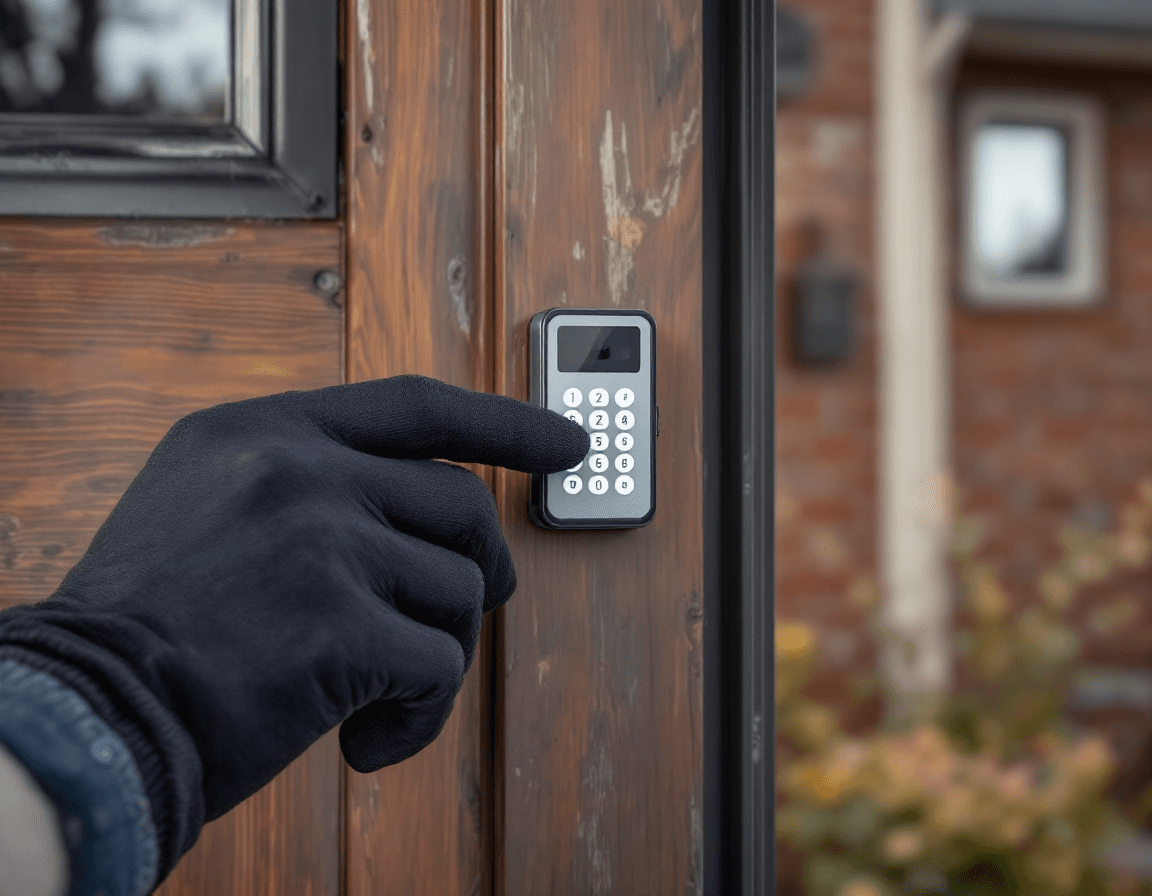
Garage door remotes and keypads look simple, but when one stops working on a wet Tuesday morning in Mill Creek, the whole household feels it. Our technicians handle remote programming, keypad installation, keypad troubleshooting, and in-car opener pairing for homes across the 98012 area, from older ranch-style houses near the older parts of town to newer townhomes within walking distance of Mill Creek Town Center. Most of these calls are solvable in a single visit, and many can be handled in under an hour once the technician knows which opener brand and frequency your system uses. Our service for this work runs $65 to $185 depending on what needs to be done, plus the cost of any new remote or keypad.
Local homeowners tend to notice the problem in a few predictable ways. A remote that worked fine all summer starts failing after the first hard rain, or a keypad that accepted your code last year suddenly refuses it after a cold snap. Sometimes the door opens only when you stand in the driveway and holds the button at a certain angle. Whatever the pattern, the cause is usually one of a handful of issues: a weak battery, a radio mismatch, moisture or corrosion on a keypad, a memory problem in the opener's logic board, or a car system that lost its link to the door. This page walks through how we approach each of those situations, what you can check yourself before calling, and what to expect when a technician comes out.
Why Mill Creek Garages See So Many Remote Problems
Mill Creek sits in a part of Snohomish County where the rain is steady from October through April, and the air stays damp even on days without precipitation. That moisture gets into everything that has a circuit board or a small battery compartment. Remotes that live in a car door pocket or a kitchen drawer can absorb humidity, and the rubber button membranes sometimes swell enough to press two buttons at once or to stop registering a press at all. Exterior keypads take the hardest hit because they face weather directly, and the seals around the buttons can let water wick into the wiring over several seasons.
Many houses in the area were built with attached two-car garages that share walls with living space, and the openers in these garages are often mounted high on the ceiling where the signal path to a driveway remote crosses roofing, siding, and sometimes neighboring structures. Dense townhome clusters and newer subdivisions also bring more wireless devices into close range: Wi-Fi routers, smart home hubs, and other garage openers from adjacent homes. Any of these can contribute to intermittent operation even when your remote and opener are both in good shape.
Driveway orientation matters too. Homes with long driveways that approach the garage from a steep angle can see the remote signal weaken near the edge of its range, which feels like a remote problem when the real limitation is distance and line of sight. A technician will usually test signal strength from several positions around the property before deciding whether the remote, the opener, or the environment is responsible.
Reading the Signs of an Intermittent Remote
An intermittent remote is one of the most common complaints we hear, and it is also one of the most misdiagnosed. The remote might work from the kitchen but fail from the car, or it might open the door on the third press but ignore the first two. Before assuming the remote is defective, it helps to notice whether the failure follows a pattern. Does it happen only when the remote is cold, only after rain, or only when a particular neighbor's garage is open? Those details narrow the cause considerably.
A dying coin-cell battery is the most frequent culprit, and it often shows up as a dim or delayed LED on the remote. Many remotes use a CR2032 or CR2025 battery, and the voltage drops more quickly in cold weather, which is why a remote can work well in July and misbehave in January. Replacing the battery costs very little and should be the first step, though you should also check that the battery contacts are clean and not bent. Some budget remotes have contacts that loosen over time and lose connection when the case flexes slightly in a pocket.
If a fresh battery does not help, the remote's transmitter or the opener's receiver may be losing sensitivity. Opener receivers sometimes drift, particularly on older units, and a technician can test the antenna wire, which hangs from the back of many openers, to confirm it is still positioned correctly and has not been pinched or cut during a previous installation. A loose antenna or one that was tucked behind metal framing can reduce range dramatically, and that alone can make a perfectly good remote seem unreliable.
Replacing a Remote and Matching the Right Frequency
Replacing a remote sounds straightforward until you learn that not every remote works with every opener. Garage door systems operate on specific radio frequencies, most commonly 315 MHz or 390 MHz in the United States, and many modern openers use rolling code technology that changes the transmitted code every time a button is pressed. A remote built for a different frequency or an incompatible rolling code protocol will simply never communicate with your opener, no matter how carefully you program it. Before ordering anything, we recommend identifying your opener's brand and model, which is usually printed on a label on the motor housing or on the cover near the light lens.
Common brands in our service area include Chamberlain, LiftMaster, Genie, and Craftsman, and each has its own remote families and programming sequences. Some newer systems are paired through a cloud-connected app rather than traditional remotes, and those may require a different setup path entirely. If you have a cloud-connected opener, a replacement remote may be unnecessary because the app on your phone can control the door, and we can help you decide whether a physical remote is still worth keeping for guests or family members who do not carry smartphones.
A good technician will also check whether your old remote is a multi-button model that controls a second door or a light. Replacing it with a single-button unit may solve the immediate problem but leave you without functions you still use. We always ask which buttons you rely on before recommending a replacement so that you do not end up with a remote that does less than the one it replaced.
Programming a New Remote, Step by Step
Programming a remote is usually a short process, but the exact steps depend on the opener. Most systems have a "Learn" button on the motor housing, often colored yellow, purple, or green depending on the brand, and the process involves pressing that button and then pressing the remote's button within a set time window. Once the opener's indicator light blinks or the door responds, the remote is paired. Some systems require you to press the learn button several times, while others need a full memory clear before a new remote can be added.
Here is the general sequence most homeowners follow when they are working with a compatible remote and a standard opener. Verify the replacement remote matches your opener's frequency and protocol. Locate the Learn button on the motor unit and make sure you can reach it safely from a stable step stool or ladder. Press the Learn button, then press the remote's button you want to assign, and watch for the confirmation signal from the opener. Test the door from both inside and outside the garage before you consider the job complete.
Please do not attempt any work that involves the door's springs, cables, or drum while you are programming. Those components store enough tension to cause serious injury. If your door is hanging unevenly, grinding, or shows any sign of a broken spring, stop and call a licensed professional for spring and cable repair. Remote programming is safe for homeowners who keep their hands clear of moving parts, but the safety boundary matters and should never be crossed in the name of saving a service call.
Choosing an Exterior Keypad That Survives Pacific Northwest Weather
Adding an exterior keypad is one of the most practical upgrades for households with teenagers, dog walkers, contractors, or frequent visitors who do not carry a remote. A keypad lets you grant a code to a specific person and change it later without collecting a physical device. For Mill Creek homes with side-yard access or detached workshops, a keypad mounted near a side entry can be far more convenient than walking around to the driveway. It also helps when a remote is lost and you need immediate access while you arrange replacement.
Choosing a keypad for this region means paying attention to weather rating and placement. Look for a unit designed for outdoor installation with a sealed or gasketed housing, and avoid mounting it where it collects runoff from a gutter or sits directly under a downspout. Placing the keypad beneath a small overhang or on a covered section of wall reduces water exposure considerably. Keep the mounting height comfortable for your household, usually around shoulder level for most adults, and check that it is out of reach of the street if you want to limit casual tampering.
Installation involves running low-voltage wiring from the keypad to the opener's wall-control terminals, which is generally a homeowner-friendly task for those comfortable with basic wiring and the manufacturer's instructions. However, if the wire run crosses siding, passes through the exterior wall, or needs a weatherproof junction, a technician can finish the job more cleanly. Proper sealing around any penetration in the siding prevents the kind of water intrusion that causes erratic behavior months later.
When a Keypad Refuses Your Code
A keypad that will not accept a code is frustrating, especially when you are standing in the rain with groceries. The most common causes are simple: the code was entered incorrectly, the keypad has a timeout or lockout after several failed attempts, or the keypad has lost its memory after a power surge or a battery backup change. Many keypads will lock out for a set period after repeated wrong entries, so stop pressing and wait before trying again. Trying the code slowly and deliberately helps, since some keypads register a press only if the button is held briefly.
Moisture is a real factor in this region. A keypad that works in dry weather but fails during or after a storm may have water inside the housing, causing a short or a poor contact on a membrane button. Look for condensation on the inside of the plastic cover, corrosion on the wire terminals, or a faint musty smell after a rainstorm. A technician can open the unit, dry it, clean the contacts, and reseal the housing, which often restores normal operation without replacing the entire keypad.
Some keypads also rely on a separate learn sequence to store codes, and a firmware quirk or a mismatch between the keypad and the opener can make the stored codes disappear. If the keypad still responds to button presses but never grants access, the issue may sit in the opener's wall-control circuit or in the keypad's programming. Our technicians test the keypad independently from the opener to pinpoint which component is responsible before recommending a replacement.
Pairing Your Car's Built-In Opener Buttons
Many vehicles built in the last two decades include a universal garage door opener system, often branded as HomeLink, that can replace the clip-on remote visor unit. Owners frequently assume the car system is incompatible with their opener, or they try for hours to pair it and then give up. In reality, most HomeLink-equipped vehicles can be paired with a wide range of openers, but the procedure differs depending on the car's make and year, the opener's brand, and whether the opener uses rolling code. Some newer openers also require a specific training step on the opener itself before the car will sync.
A typical pairing attempt begins with the car's engine running or the ignition in accessory mode, followed by holding the car's programmable button while the learn button on the opener is pressed. The exact timing matters, and some systems ask you to press the car's button repeatedly rather than holding it. If the pairing fails, check whether the opener is a model that supports the car's frequency and whether it may need a firmware update through the manufacturer's app. Some vehicles also need the programmable buttons cleared before a new device can be stored.
Pairing can also fail because the car's system is set to a different frequency standard or because the opener's antenna is not positioned well for reliable signal capture during programming. Position the car close to the door, keep phones and key fobs away from the area, and try again after a brief pause. If you have a lease vehicle or a car you plan to sell, a technician can also confirm that the paired buttons will remain under your control and can be erased before the vehicle changes hands.
Securing the Garage After a Lost Remote
A lost remote is more than an inconvenience. Anyone who finds or steals that remote can open your garage door from the street, and that creates a security gap that should be closed promptly. The good news is that you do not need to replace the entire opener to fix the problem. Most systems let you clear the remote memory entirely, which removes every paired device, and then reprogram only the remotes you still have and trust. This reset step is especially important in shared neighborhoods where garage doors are sometimes left open or where previous owners may still hold remotes.
The reset process varies by brand, but it usually involves holding the learn button on the motor unit until its indicator goes out, which typically takes several seconds. Once the memory is cleared, every old remote, keypad code, and car pairing stops working. You then reprogram your current remotes one at a time. This is a smart habit to adopt whenever you move into a new home, when a family member leaves, or when a device goes missing, and it costs far less than replacing an opener.
After clearing the memory, consider reviewing the keypad codes you have assigned and removing any that belong to people who no longer need access. Some keypads allow you to delete individual codes, while others require a full reset followed by reprogramming. If you have a smartphone app connected to the opener, also check the list of authorized users and revoke access for any device you no longer control. A quick audit like this helps keep your garage secure without much effort.
Habits That Extend Remote Life in a Damp Climate
A few simple habits make a noticeable difference for remotes and keypads in Western Washington. Keep remotes out of direct contact with wet surfaces and avoid leaving them on the dashboard, where summer heat and winter condensation both take a toll. Store a spare battery in the glovebox or a kitchen drawer so you can swap it in minutes when the remote starts to fade. If you live near a busy stretch of road or near a neighbor's wireless equipment, notice whether the remote works more reliably at certain times of day, since interference can come and go.
For keypads, the most useful habit is a quick visual check each season. Look at the seals around the buttons, confirm the cover closes firmly, and make sure no leaves, moss, or spider webs are building up in the corners of the housing. In late fall, before the heaviest rains arrive, consider wiping the keypad with a dry cloth and checking that the mounting screws are still snug. Small maintenance steps like these prevent many of the failures we see after winter storms.
Keep the opener itself in mind as well. Regular checks of the door's safety reversal system, including the photo-eye sensors near the floor, are worthwhile because a misaligned sensor can make a remote seem unresponsive when the real issue is that the door will not close safely. If a remote works but the door reverses unexpectedly, do not ignore it. Call a technician to confirm the sensors and the force settings are correct.
What a Remote and Keypad Service Visit Includes
When you schedule a remote or keypad service visit with us, the technician begins by asking you to describe the symptoms and by identifying the opener brand and model. They will test the existing remotes and keypad, check the battery condition and contacts, and inspect the opener's learn button, antenna, and wall-control wiring. If the problem appears to be the opener rather than the remote, the technician explains what they found before proceeding. The goal is to fix the actual cause without selling you parts you do not need.
Typical tasks within the $65 to $185 service range include programming one or more remotes, clearing and reprogramming opener memory, troubleshooting an intermittent remote, diagnosing a keypad that will not accept codes, installing a new exterior keypad with its wiring, and pairing a compatible in-car opener system. The final price depends on how much time the job requires, how many devices are involved, and whether a replacement remote or keypad is needed. Any new hardware is priced separately, and the technician will confirm the cost before installing it so there are no surprises.
We also make a point of testing the door's safety features at the end of every visit. That includes confirming the auto-reverse function responds correctly to an obstruction and that the photo-eye sensors are aligned and clean. If anything about the spring, cable, or drum seems worn or out of balance, the technician will tell you and recommend a licensed professional for that repair, since those components require specialized tools and training and should never be handled by a homeowner.
Your garage remote and keypad should feel dependable every time you press a button, whether you are pulling into the driveway after a long shift or letting a dog walker in on a rainy afternoon. If your remote has gone intermittent, a keypad is rejecting valid codes, your car will not pair with the door, or you have lost a remote and want the garage secured again, call Seattle Garage Door Fix at (888) 799-3819. We serve Mill Creek and the surrounding 98012 area, and we will explain your options clearly before any work begins.