
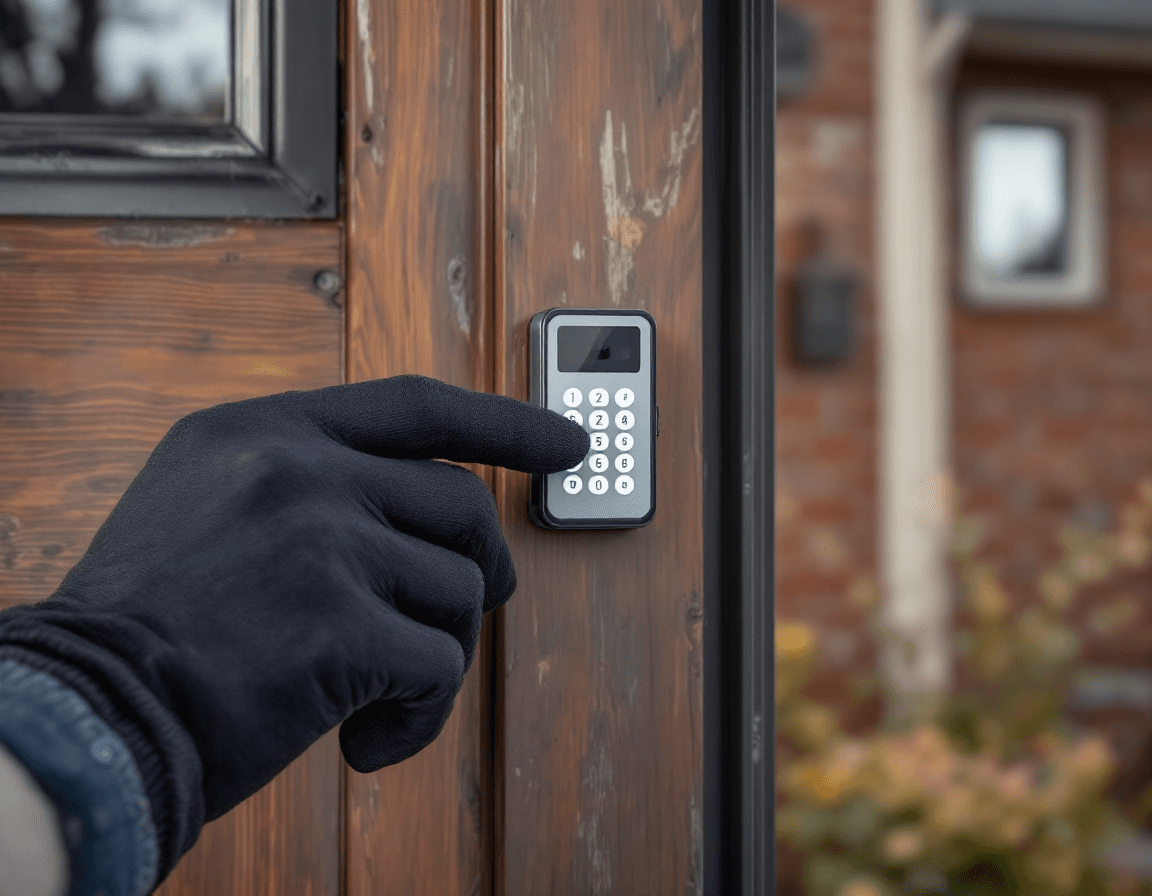
Garage Door Remote & Keypad Service in Snohomish, WA is one of the most common calls we take, and it is also one of the easiest to handle well when the problem is caught early. Homes around Historic Downtown Snohomish, the Clearview area, and the neighborhoods across the 98290 and 98296 ZIP codes tend to have a mix of older attached garages and newer openers, so the remote or keypad on the wall may be working fine while the receiver in the ceiling has drifted. A knowledgeable technician can usually tell the difference within a few minutes, which saves you from buying hardware you don't need.
Remote and keypad problems rarely announce themselves dramatically. More often the remote works from the driveway but not from the sidewalk, the keypad blinks red after you enter a code you have used for years, or your car's built-in opener stops responding after a battery swap. Each of these symptoms points to a different cause, and treating them as one problem leads to wasted time. This page walks through how we approach remote programming, keypad installation and troubleshooting, and in-car opener pairing for Snohomish homeowners, including what the service typically costs and what you can check yourself before you call.
Our service pricing for this work runs $65 to $185, depending on what the visit involves. That range covers the diagnostic and programming work itself. Any new remote, keypad, or hardware you choose to add is priced separately, so you will always know what the hardware costs before anything is installed. If you have questions about your specific situation, you can reach us at (888) 799-3819.
Why Remotes Fail More Often in a Snohomish Winter
Western Washington winters bring long stretches of drizzle, cold mornings with heavy condensation, and the kind of damp that gets into everything with a battery compartment. A remote kept in a coat pocket, a car cupholder, or a damp jacket on a hook by the garage door can develop corroded battery contacts within a season or two. The battery itself may still show a healthy voltage on a cheap tester, yet the contacts are the weak link, and the signal becomes intermittent in exactly the way that frustrates people most. The remote works when you stand in one spot and fails when you walk up the driveway.
Moisture also affects the buttons. Older rubber button pads can swell slightly and stop making full contact with the circuit board, which means one button works reliably while another needs a hard press. We often see homeowners assume the opener is failing when the actual issue is a single worn key. Keeping remotes in a dry drawer or a small hook inside the house, rather than in a vehicle or a wet outerwear pocket, reduces this problem considerably.
Temperature swings matter too. Snohomish mornings in the cooler months can drop well below the temperatures you see on a warm afternoon, and then the car sits in a sun-warmed driveway for an hour or two. Repeated expansion and contraction can loosen small solder joints inside a remote. If a remote behaves normally in the house but acts up after it has been left in the car overnight, that pattern is worth mentioning to your technician, because it tells us where to look first.
Diagnosing an Intermittent Remote Before You Buy a Replacement
When a remote works only some of the time, the first question we ask is whether the problem belongs to the remote, the opener's receiver, or something in between. You can run a simple check at home. Stand at the normal distance from the door, press the button, and watch the opener's light or listen for the motor. Then repeat the test from the driveway, from the side of the house, and from inside your car if you park nearby. If the door responds every time from one location and never from another, the issue is more likely range or interference than a failed remote.
Interference is more common than most homeowners expect. Metal siding, a new fence, a large vehicle parked at an angle, or even a neighbor's similar frequency device can weaken a signal enough to cause misfires. Our technicians check the receiver's antenna wire, which should hang straight down and not be coiled up or taped against a metal bracket. We also look at whether the opener was installed with a wall-mounted button that has been painted over or covered, since paint and thick drywall compounds can block the sensor in some models.
A battery swap is the cheapest first step and often the right one, but use a fresh battery of the type the remote specifies and clean the contacts with a dry cotton swab. Avoid excessive liquid cleaners, which can seep into the board. If the remote still behaves erratically after a fresh battery and a clean, the remote itself may be nearing the end of its life. At that point, the cost-effective move is usually a replacement rather than repeated repairs. A technician can test the receiver and the remote together so you are not guessing about which part has failed.
Choosing a Replacement Remote That Actually Matches Your Opener
Not every garage door remote works with every opener, and this is where many Snohomish homeowners run into trouble when they shop online. Openers use different frequencies and encoding systems, and a remote that looks identical to your old one may not talk to your receiver. Before ordering anything, it helps to know the brand of your opener, the approximate age of the unit, and whether the old remote has a model number printed on the back or inside the battery door. Those details narrow the options quickly.
There are also multiple styles to consider. Some households prefer a basic visor clip remote that lives in the car, while others want a compact keychain unit that fits alongside house keys. Multi-button remotes can control more than one door, and some systems are designed to work with a smartphone app or a wall console. We can discuss which style fits your daily routine, but the decision should start with compatibility. Buying the wrong style is one of the most avoidable expenses in this trade.
The price of a replacement remote or keypad is separate from our service charge. We will tell you what the hardware costs before we order it, and we will not install anything you have not approved. If your current remote is a generation or two behind, we may suggest a newer model that offers better range or rolling-code security. In every case, the goal is to give you a unit that works reliably in a Pacific Northwest climate without leaving you with a second, unnecessary purchase down the road.
When the Keypad Rejects a Code You Know Is Correct
A keypad that refuses your code is one of the most frustrating small problems a homeowner can face, especially when you are standing in the rain with groceries. There are a few usual causes. The keypad's battery may be low, which can cause inconsistent button response. The keypad may have been reset during a power outage or an opener repair, returning it to factory settings. In some cases, a child or a houseguest has pressed buttons enough times to trigger a temporary lockout, which many keypads use as a safeguard against guessing attempts.
Start by checking the keypad's battery and replacing it if the unit is more than a few years old. Then look at how the keypad is mounted. Keypads installed on exterior walls near a downspout or a sprinkler line can collect moisture at the seams, and water can short the contacts in a way that makes certain numbers fail. If you notice a green or white crust around the buttons, that is a sign the keypad needs attention. A simple wipe with a dry cloth often helps, but if the keypad was never sealed correctly, it may need to be relocated or replaced with a weather-rated model.
Once the hardware checks out, programming is the next step. Many keypads require you to enter a master code through a specific sequence, often involving the learn button on the opener itself. The exact steps depend on the manufacturer. If your code was changed by someone else in the household and no one remembers it, we can reset the keypad and set a new code that you control. We also recommend a code that avoids obvious sequences like birth years or repeated digits, since those are the first combinations a stranger would try.
Adding an Exterior Keypad Near Your Front Walkway
Many Snohomish homeowners add an exterior keypad so family members, dog walkers, or contractors can enter the garage without carrying a remote. It is a practical upgrade, but placement determines how well it lasts. A keypad should sit where the buttons are reachable without standing in a puddle, and where it is shielded from direct rain as much as possible. A small roof overhang, a recessed mounting location, or a spot on a covered porch wall tends to perform better than an open stretch of siding that catches every drizzle.
Wiring is another consideration. Some keypads are wireless and connect to the opener by radio, which makes installation simpler on older homes where running low-voltage cable through exterior walls is not practical. Wired keypads can be more reliable over the long term but require a clean path back to the opener. We evaluate the wall material, the distance to the opener, and any obstacles such as insulation or siding layers before recommending one type over the other. The right answer depends on the house, not on a one-size approach.
Keypad installation is also a good moment to think about security. A keypad with a temporary code feature lets you give a contractor access for a single day without sharing your permanent code. You can also set the keypad to log or limit certain functions depending on the model. We walk through these options with you so you understand what each one does before we set anything up. The installation itself is typically straightforward, but the planning around placement, weather, and access is where experience makes a difference.
Pairing Your Car's HomeLink Buttons Without the Guesswork
Many newer vehicles have built-in opener buttons, often labeled HomeLink or a similar brand name, that can be programmed to operate your garage door. When these buttons stop working or refuse to pair, the cause is often a mismatch in the programming steps. The car's system typically needs you to hold the in-car button while pressing the existing remote or the opener's learn button, and the timing matters. Some newer openers use rolling-code security that requires a specific sequence, and skipping a step can leave you thinking the system is broken when it simply needs to be reset.
Before calling, check your owner's manual for the HomeLink pairing procedure and confirm that the vehicle's system is actually compatible with your opener brand. Some older openers cannot accept certain in-car programming methods, and in those cases the most practical solution is an add-on remote that works independently of the car. We have paired many vehicles in the Snohomish area, and the most common delays come from skipping the step that requires the opener to be in learn mode at the exact moment the car button is pressed.
If the vehicle is leased, under warranty, or has an advanced infotainment system, we are happy to discuss how the programming fits within your setup. Our technicians pay close attention to the sequence so the pairing does not interfere with other features you rely on. If the car's buttons pair successfully but then drop out after a few days, the cause may be a weak battery in the car's receiver module or a nearby signal source, and we can help you isolate which one it is.
Locking Out a Lost Remote and Re-Securing the Door
Losing a garage door remote is more than an inconvenience. Anyone who finds it could potentially open your garage if the system uses older fixed-code technology, and even rolling-code systems should be checked to make sure no unauthorized devices remain programmed. Many homeowners do not realize that a lost remote stays active until it is erased from the opener's memory. That means a remote you misplaced last year could still work today if nobody cleared it.
The re-securing process usually involves clearing the opener's memory of all previously programmed remotes and keypads, then reprogramming only the devices you still own. On many openers this is done by holding the learn button for several seconds until the indicator light changes, though the exact method varies by brand. After the memory is cleared, each remote you want to keep needs to be added again. It is a short process but an important one, and it is one of the most valuable services we offer for peace of mind.
While we are on-site, we also recommend checking the safety reverse and the sensor alignment, since a visit to the opener is the right time to confirm the door is operating correctly. We do not treat that as an upsell. It is simply good practice when you are already working on the control system. If you believe a remote has been used without your permission, tell your technician so they can focus on clearing and resetting the full system rather than only the single device you identify.
What a Typical Visit Looks Like and What It Costs
Most remote and keypad visits follow a predictable pattern, which helps homeowners plan their time. The technician arrives, asks about the symptoms you have noticed, and tests the opener, the receiver, and the remote or keypad in question. If the problem is simple, such as a dead battery or a missed programming step, the work can be finished quickly. If new hardware is needed, the technician will explain the options and the cost before ordering, and the installation is scheduled once you approve it.
Our service charge for this work falls in the range of $65 to $185. The variation depends on factors like how many devices need programming, whether a keypad needs to be mounted or wired, and whether the job includes clearing memory for a lost remote. Any new remote, keypad, or other hardware is billed separately. We believe you should know these numbers before work begins, so please ask for a clear breakdown during your call.
- Basic remote programming or battery and contact cleaning
- Keypad code reset, troubleshooting, or repositioning
- Exterior keypad installation, including mounting and wiring checks
- In-car opener pairing for compatible vehicles
- Clearing lost remotes and reprogramming the remaining devices
Weatherproofing Your Remotes and Keypads for Pacific Northwest Conditions
Protecting your devices from the local climate can extend their life considerably. Keep spare remotes indoors in a dry location rather than in vehicles, where they face heat, cold, and humidity. If you have an exterior keypad, look for one rated for outdoor use and make sure the mounting location has some natural shelter. Clearing leaves, moss, or debris from around the keypad keeps water from pooling against the housing.
Batteries deserve attention as well. Replacing them on a regular schedule, rather than waiting for failure, prevents the sudden lockouts that happen on a cold morning. Some homeowners set a reminder when they change smoke detector batteries, which is a convenient habit to pair with remote maintenance. Write the install date inside the battery compartment or on a note in the garage so you know when the last change happened.
Finally, keep the opener's antenna and sensors clean. Cobwebs, dust, and grime can interfere with signals, and a quick wipe of the sensor lenses at the bottom of the door tracks can prevent nuisance reversals. These small habits add up, and they often prevent the kind of intermittent behavior that leads to unnecessary service calls.
Safety Boundaries: What Remote and Keypad Work Does Not Include
It is important to be clear about what this service covers and what requires a different level of expertise. Remote programming, keypad work, and in-car pairing are electronic tasks that homeowners can often handle with the right instructions. Spring adjustments, cable replacement, and any work involving the door's tension system are not appropriate for untrained people, and they are not part of this service. Those tasks carry serious risk of injury because the springs and cables store enormous energy.
If you notice a frayed cable, a cracked spring, a door that will not stay open at half height, or a panel that appears bent, stop using the door and call a licensed professional. Our technicians can assess the situation and recommend the right next step, but spring and cable repairs should be performed by qualified crews with the proper tools and training. We will not attempt those repairs as part of a remote or keypad visit, and we would rather tell you that plainly than let a simple call turn into an unsafe situation.
Keeping this boundary clear protects your household and your garage. A remote or keypad that works reliably is only part of a safe system. The door itself must be balanced, the sensors must be aligned, and the hardware must be in good condition. When you call us, we will focus on the control side of the system and flag anything that needs specialized attention so you can make an informed decision.
Calling Seattle Garage Door Fix for Snohomish Remote and Keypad Help
If your remote is acting up, your keypad is rejecting a code you know, your car's buttons will not pair, or you need to re-secure the door after losing a remote, our team is ready to help homeowners across Snohomish, including the Historic Downtown area, the Clearview neighborhoods, and the surrounding 98290 and 98296 ZIP codes. Our service charge for remote programming, keypad work, and in-car pairing ranges from $65 to $185, with any new hardware quoted before it is ordered. Call (888) 799-3819 to describe your symptoms and schedule a visit.