
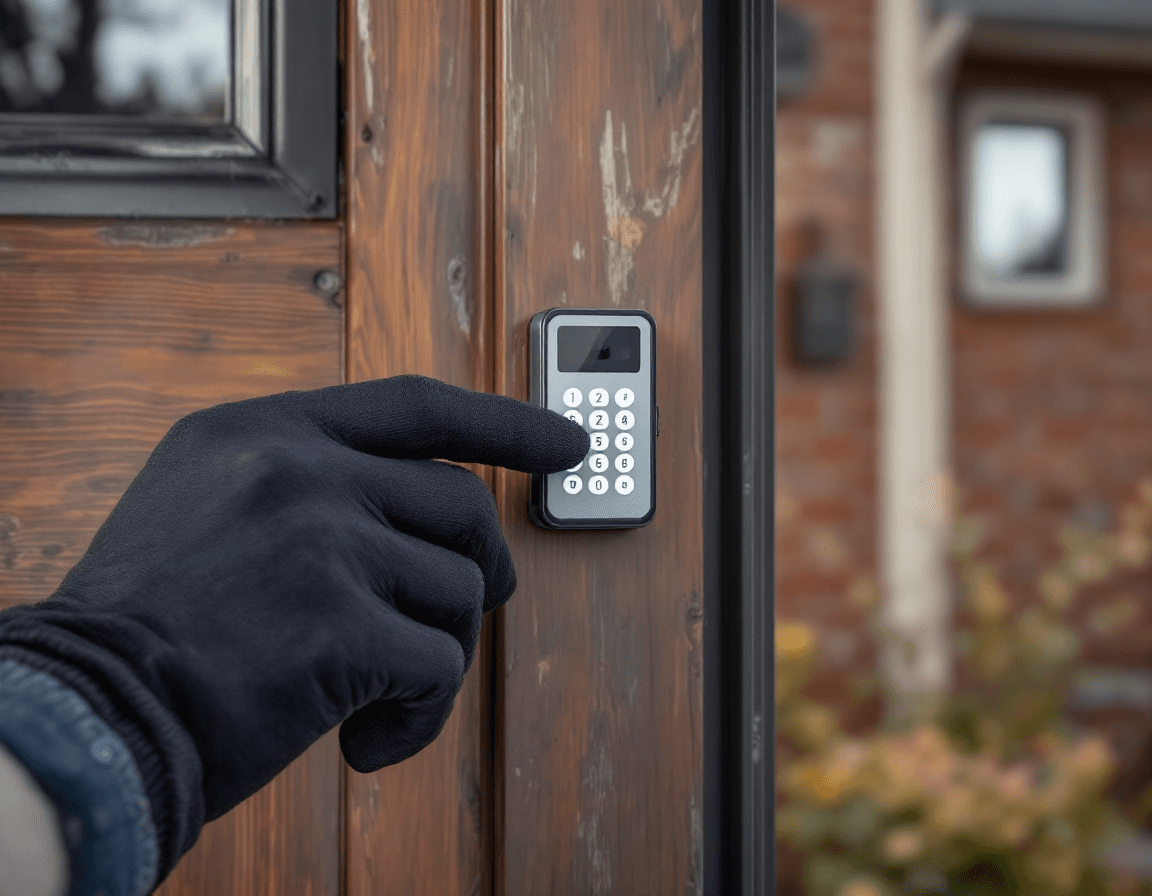
Garage door remote and keypad service in Everett, WA is one of the most common calls we handle, and it is often the quickest fix on the list. A remote that worked fine last month may suddenly need three presses, or the keypad by the side door may reject a code you have used for years. Homeowners around Downtown Everett, Silver Lake, and Harbour Pointe usually call because the garage is their main entrance, and a dead opener can feel like being locked out of the house. The good news is that most of these problems come down to batteries, programming, moisture, or a misplaced code, and they can usually be resolved in a single visit.
Our technicians work on remotes, wall-mounted and exterior keypads, and in-car opener pairing for homes across Snohomish County. Service typically runs $65 to $185 for the programming and diagnostic work, and that range does not include the cost of a new remote or keypad if one is needed. We will tell you what is causing the trouble before we recommend any hardware, and we will explain your options in plain language. If you would rather talk it through first, call (888) 799-3819 and a dispatcher can help you sort out whether this is a quick fix or something that needs a closer look.
Why Everett Remotes Tend to Fail Sooner Than Expected
Everett's climate plays a bigger role in remote performance than many homeowners realize. Our winters are long, cool, and damp, and the marine air that drifts in from Possession Sound and the Snohomish River delta keeps humidity high for much of the year. Moisture gets into battery compartments and corrodes the contact points, which is why a remote that sat in a jacket pocket through a wet February can start misfiring by spring. Keychain remotes that live in a car's cupholder or a backpack pocket also take a beating from temperature swings that can drain small coin cells faster than the label suggests.
Keypads face a similar problem. An exterior keypad mounted on a north-facing wall may spend weeks with water running down the siding after a steady Pacific Northwest drizzle, and salt-laden air from the coast can accelerate corrosion on the buttons and circuit board. We see the most trouble on keypads that were installed without a drip edge or a small overhang to shed water. These units are designed to handle weather, but they still benefit from a simple seal check and an occasional wipe-down.
Finally, many Everett homes sit close to busy corridors and industrial areas, and that can create radio noise in some neighborhoods. Nearby electronics, certain LED fixtures, and even a neighbor's wireless gear can occasionally interfere with a remote's signal. Most of the time this is not a permanent problem, but it can make a remote seem unreliable when it is really just competing with other devices for airspace.
Reading the Warning Signs of a Failing Remote
A remote that is failing usually gives you clues before it dies completely. The most common sign is range loss, where the door responds when you are standing right next to it but ignores you from the driveway or the sidewalk. Another sign is intermittent behavior, where the same button works on the first press and then needs several tries later in the day. Some homeowners notice that the indicator light dims, flickers, or does not light at all when the button is pressed.
Before assuming the remote needs replacing, it is worth checking a few simple things yourself. Replace the battery with a fresh one of the correct type, and clean the contacts gently with a dry cloth or a pencil eraser. Make sure the remote is not being pressed while sitting in a plastic bag or against a metal surface, since both can block the signal. If the door works from one remote but not another, the problem is almost certainly with the weaker unit rather than the opener itself.
If those steps do not help, the issue may be the opener's receiver or antenna wire rather than the remote. A loose antenna wire or a damaged receiver board can make a perfectly good remote seem broken. A technician can test the signal strength and determine whether reprogramming, repair, or replacement makes the most sense. We would rather spend a few minutes confirming the cause than sell you a remote that will not solve the real problem.
When a Keypad Refuses a Code You Know Is Right
A keypad that will not accept your code is one of the most frustrating problems for a homeowner, especially when you are standing outside with groceries in your arms. In many cases the keypad is working perfectly, and the code itself has been changed, partially erased, or entered in a different mode than the one the keypad expects. Some units lock out for a short period after several incorrect attempts, and that timeout can make a correct code appear to fail. Others have a separate programming code and an operating code, and mixing them up is a common mistake.
Battery condition is another frequent culprit. Wireless keypads can behave unpredictably when their batteries are low, sometimes registering button presses only partially or dropping digits. Exterior units exposed to our wet winters may also have buttons that stick or fail to make full contact after water gets behind the membrane. Cleaning the keypad face and checking for visible corrosion around the edges can sometimes restore normal operation without any parts.
When a keypad has been reset or its code list has become corrupted, we reprogram it using the manufacturer's sequence for that model. We confirm each code works from the keypad and from any remote paired to the same opener. If the keypad itself is failing, we will show you the replacement options and explain what they cost before you commit to anything.
Adding an Exterior Keypad Without Tearing Up Your Siding
Many Everett homeowners want an exterior keypad so family members, babysitters, or contractors can get in without carrying a remote. Adding one is usually straightforward, but it depends on how your garage door opener is wired and where the keypad can be mounted. Most wireless keypads install with a few screws and do not require running new low-voltage wire, which makes them a practical choice for homes with older siding, brick accents, or stucco. Wired models offer more reliability over the long term but need a route from the opener to the outside wall.
Placement matters more in our climate than in drier parts of the country. We generally look for a spot that is protected from direct rain, out of the path of sprinklers, and not in a spot where water runs down from a gutter. A location under a small roof overhang or beside a covered porch often works well. Keep the keypad at a comfortable height for everyone who will use it, and avoid mounting it where a car door or a trash bin could bump it every day.
Before we install anything, we confirm that the opener supports the keypad type you want and that the existing wiring is in good shape. We also talk through the code setup with you, including whether you want a single shared code, individual codes for family members, or a temporary code for a service visit. A few minutes spent on this planning step prevents the common situation where a keypad gets installed and then nobody remembers how to use it.
Re-Securing Your Garage After a Lost or Stolen Remote
A lost remote is more than an inconvenience. Anyone who finds it or takes it may be able to open your garage door, and that opens the door to real security concerns, especially if the garage connects to the house. Many homeowners do not realize that the remote they lost may still be programmed to the opener indefinitely. Re-securing the system is an important step that should not wait until the next convenient weekend.
The most thorough approach is to clear all programmed remotes from the opener's memory and then reprogram only the ones you still have. On many common models, this is done by holding the learn button on the motor unit until the indicator light changes, which erases the stored codes. The exact steps vary by brand and by the age of the opener, so we check the model before starting. Once the memory is cleared, we program your remaining remotes and any keypad codes you want to keep.
Clearing codes does not replace basic household security. If your remote was stolen along with a vehicle or a bag containing a house key, it is also smart to review the locks on your entry doors and to make sure your garage's manual release is kept in working order. We can point out whether any other part of the setup needs attention while we are on site, but we will not promise a level of protection that the equipment cannot deliver on its own.
Pairing Your Car's Built-In Opener Buttons
Many vehicles sold in recent years include a built-in garage door opener, often marketed under the HomeLink name, that can replace the clip-on remote. Pairing these buttons with your garage door opener is a common service, but it is one of the trickier programming jobs because the procedure differs widely between vehicle makes, models, and model years. Some cars require you to hold a button in the overhead console while pressing the remote's learn button, while others use a different sequence entirely. Following a generic guide from the internet often leads to frustration.
Some of the most common problems we see involve the car's buttons blinking without ever programming successfully, or a button that works for one door but not another. Sometimes the opener is a newer rolling-code model that needs a specific sequence to accept a new device, and other times the car's programming sequence was simply done in the wrong order. Vehicle battery condition can also affect results, since a weak battery may cause the car's transmitter to behave inconsistently during pairing.
We will confirm your vehicle year, make, and model before beginning and set expectations about whether pairing is possible on that setup. If the opener is too old to accept the signal or the car's system is incompatible, we will tell you that plainly and suggest alternatives. Our goal is to get the job done in a single visit whenever the equipment allows it.
Choosing Between a Replacement Remote, a Keypad, or an Upgrade
Not every remote problem calls for the same solution, and it helps to think about what you actually need day to day. A single replacement remote is often enough for a household with one driver who simply lost or broke a unit. A keypad makes more sense when several people need access, when kids come and go on their own schedules, or when you want a backup entry option that does not depend on carrying a fob. Some homeowners prefer a smart opener upgrade that adds phone control and activity alerts, and these can be a good choice if you value remote monitoring.
Cost and compatibility both matter. Replacement remotes and keypads vary in price depending on brand and features, and not every accessory works with every opener. We will confirm compatibility before ordering and make sure the part you choose matches your existing system. If the opener itself is aging, it may be more economical to plan for a full replacement later rather than investing in accessories that will need to be reprogrammed again.
Here is a simple way to weigh your options:
- A single remote replacement suits a household with one primary user and an opener that is still in good working order.
- An exterior keypad fits homes where multiple people, guests, or service providers need entry without a remote.
- A car-button pairing makes sense when your vehicle supports a built-in opener and you want to drop the clip-on remote.
- A full smart-opener upgrade may be worth considering if you want phone control, alerts, or a newer rolling-code system.
What a Typical Service Visit Covers
A typical visit starts with a short conversation about what you are experiencing and when the problem began. Our technician will check the opener's power, look at the receiver and antenna, and test each remote or keypad you want addressed. We take time to observe the door's behavior, since a remote issue can sometimes mask a deeper problem with the opener's safety sensors or travel limits. If we notice something outside the scope of your call, we will explain it and give you the option to address it later.
Programming is the core of the work. We pair or reprogram remotes, set keypad codes, and verify that every device operates the door from the expected distance. We also test the auto-reverse function and the photo eyes, because a door that closes reliably with a remote but has a sensor fault is still a safety issue. Once everything checks out, we walk you through how to use the system and how to clear codes if you ever need to in the future.
Some visits uncover a need for parts such as a new remote, a replacement keypad, or a battery for a wireless unit. We will tell you what is needed before ordering anything and provide the cost of the part separately from the service fee. You are never obligated to purchase equipment just because a technician is on site, and you can decide how to proceed once you have the full picture.
Pricing, Included Work, and What Is Billed Separately
Our remote and keypad service in Everett typically runs between $65 and $185 for the programming, testing, and diagnostic work. Where the final price lands within that range depends on the number of devices you need programmed, the type of opener, how difficult the pairing is, and whether a keypad needs to be mounted. We will give you an estimate before starting work so you know what to expect, and we will explain any factors that could affect the total.
The service fee does not include the cost of a new remote, keypad, or battery. Those items are billed separately at their actual cost, and we will quote them before any purchase is made. If you already own a compatible remote or keypad, you can ask us to program it, and that usually keeps the total lower. Ask us about any questions regarding warranties on installed hardware, since coverage depends on the manufacturer and the product type.
Because prices and part availability can change, we confirm current figures when you call. We also want to be clear that no pricing above is a promise for every situation, since unusual opener models or complicated vehicle pairings can require additional time. A brief phone call is the best way to get an accurate expectation for your specific setup.
Safety Limits: What Stays With a Licensed Professional
Remote and keypad work is generally low-risk, but a garage door is heavy equipment, and some tasks should never be attempted by an untrained homeowner. We strongly recommend that you leave any work involving the door's springs, cables, drums, or tension to a licensed professional. A spring under high tension can cause serious injury if it is released improperly, and cable repairs demand specialized tools and training. If you notice a frayed cable, a broken spring, or a door that moves unevenly, stop using it and call for help rather than attempting a repair yourself.
Programming and keypad work should still be approached carefully. Disconnect power to the opener before opening the motor unit, and never reach into the door's track while the door is moving. Do not bypass the auto-reverse safety system or the photo eyes to make a remote work, because those features protect children, pets, and vehicles. If a device refuses to function after the basic checks, the safest move is to have a licensed technician confirm the cause.
Our technicians are licensed, bonded, and insured, and we follow safe working practices on every job. When we find a safety-related issue during a remote visit, we will explain it clearly and recommend the appropriate next step. We would rather tell you about a problem early than let a small fault turn into a larger repair.
Scheduling a Visit Across Everett and Nearby Neighborhoods
We provide remote and keypad service throughout Everett and the surrounding Snohomish County communities, including homes in the 98201, 98203, 98204, and 98208 ZIP codes. Whether you live near Downtown Everett, in a home close to Silver Lake, or in the Harbour Pointe area, we plan routes so that we can respond efficiently and keep scheduling practical. Please have your opener model number, the number of remotes or keypads you want addressed, and your vehicle year, make, and model ready when you call, since those details help us prepare.
To make the most of your appointment, gather any remotes, keypads, and manuals you have on hand. Let us know if the door has been behaving oddly in other ways, such as reversing unexpectedly or stopping partway through its travel, because those symptoms affect how we approach the visit. If you have a lost remote you are worried about, mention it when you schedule so we can plan the code-clearing step as part of the job.
Whether your remote has stopped working, your keypad will not accept a code, or you want to finally pair your car's built-in buttons, our team can help. Call (888) 799-3819 today to talk through your symptoms and schedule a visit that fits your week.