
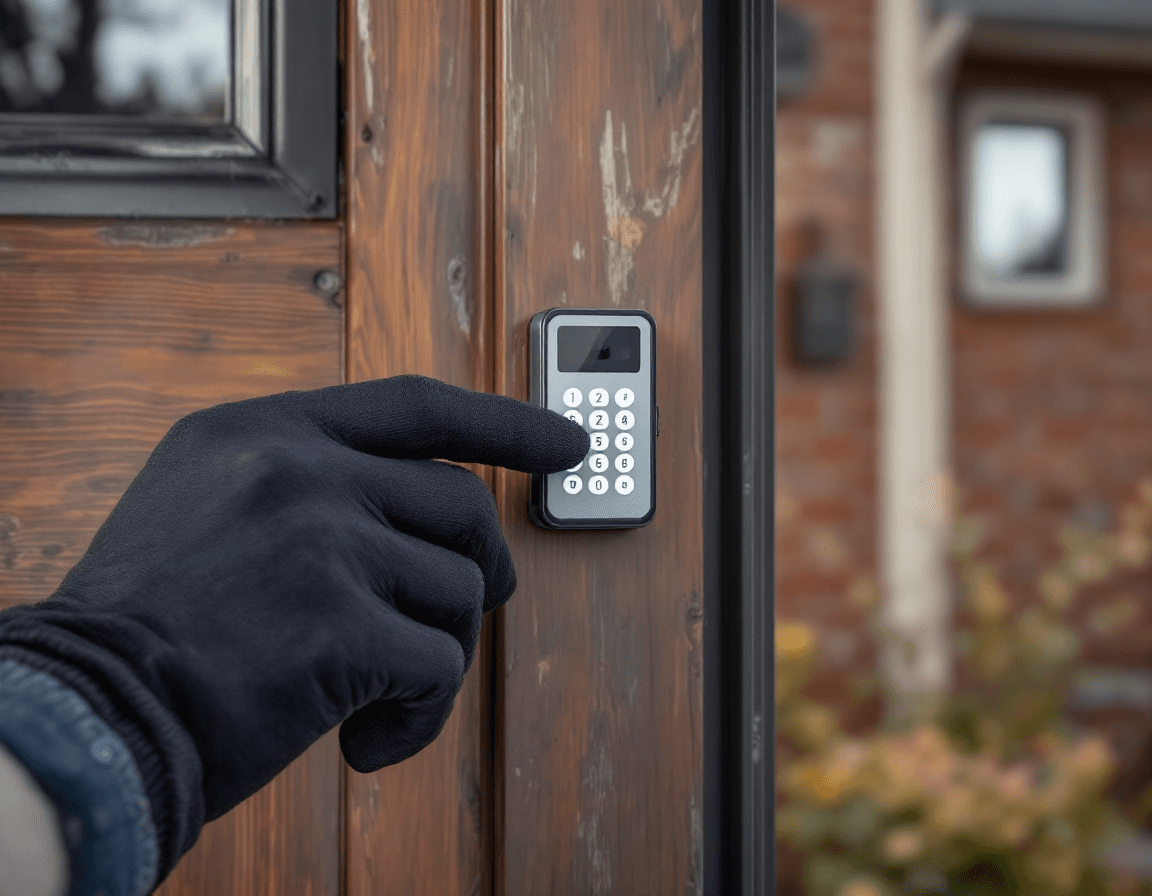
Garage door remote and keypad service in Ruston, WA is one of the most common calls we take from homeowners on the Tacoma side of the Sound, and it is often the easiest fix on the list. A remote that suddenly stops reaching the door, a keypad that rejects a code you've used for years, or a car button that refuses to learn the signal can all make a simple morning feel like a crisis. Most of these problems come down to batteries, interference, lost programming, or hardware that has aged past its useful life. Our technicians work on these systems every week, and the diagnosis is usually quick once we know what to look for.
Ruston sits in a small, close-knit corner of Pierce County, tucked between the Ruston Way waterfront and the wooded bluffs of Point Defiance Park. Many homes in and around the 98407 ZIP code have detached garages, older single-car doors, or driveways that run close to neighboring property, which can all affect how remote signals travel. The redevelopment around Point Ruston has brought new construction and updated garage hardware into the area, so you may find a mix of decades-old openers and modern units on the same street. That variety is part of why a remote problem that looks identical from the driveway can have very different causes from one house to the next.
This page explains how remote and keypad problems typically develop, what you can check yourself before calling, and what a professional visit involves. It also covers the situations where a lost remote becomes a security issue, how exterior keypads are installed, and how to pair the buttons built into your car. Service pricing for remote programming, keypad installation, and troubleshooting generally runs from $65 to $185, plus the cost of any new remote or keypad you choose. If you are dealing with a remote problem right now, read through the early sections first, since several fixes take less than ten minutes.
Salt Air, Damp Winters, and Remote Trouble Near the Bay
Living close to Commencement Bay means your garage hardware works harder than it would a few miles inland. Salt-laden air, persistent drizzle, and the heavy marine damp that settles in during a typical Pacific Northwest winter can corrode battery contacts and the small circuit boards inside handheld remotes. A remote that works perfectly in July may start cutting out in November, and homeowners often blame the opener when the real culprit is a corroded battery terminal or moisture that got into the case. Keeping remotes in a dry drawer rather than a cup holder or a door pocket in a damp vehicle can extend their life considerably.
The same moisture affects exterior keypads, which sit outside in the weather year-round. Keypad buttons can become sluggish or register double presses when water wicks into the seal around the keys, and the backlight may fade or flicker. Wiring connections at the door frame or the junction box can also oxidize, producing intermittent faults that appear only after a rainy week. When we inspect an exterior keypad in Ruston, we pay close attention to the gasket, the mounting plate, and any spot where a wire enters the housing.
Wind off the water and the open stretches near the waterfront can also make weather-sealed hardware more important than it is in sheltered neighborhoods. Loose mounting screws on an exterior keypad can let water track behind the panel, and that water eventually reaches the electronics. If your keypad has shifted, looks slightly crooked, or shows rust streaks below the screws, schedule an inspection before the problem spreads to the wiring.
Reading the Signs: Why Your Remote Quits or Cuts Out
A remote that works only when you stand in a particular spot, or only when you hold it at a certain angle, is usually sending a weak signal rather than a broken one. The most frequent cause is a battery that still lights the LED but can no longer deliver enough power to transmit reliably. Garage door remotes typically use small coin-cell batteries, and they often fail gradually, which is why the remote seems fine one day and unreliable the next. Replacing the battery with a fresh one of the correct type resolves a surprising share of calls.
Signal interference is the next most common cause. Garage openers operate on radio frequencies, and nearby devices such as security system transmitters, outdoor lighting controllers, and some wireless doorbells can crowd the same band. Metal shelving, a freshly installed steel storage cabinet, or a large vehicle parked nearby can also block or reflect signals enough to make the door respond only sometimes. Because so many Ruston properties have detached garages set back from the house, a remote may work at the curb but fail when you reach the side door.
Sometimes the problem is the opener's receiver rather than the remote. A worn antenna wire, a loose connection on the logic board, or a receiver that has drifted out of tune can cause a remote to work intermittently even when the battery is strong. If other remotes in the household also respond unreliably, the issue is likely on the opener side. That distinction matters because it tells us whether you need a replacement transmitter or a deeper look at the receiver.
Checking the Easy Things Before You Call
Before scheduling a visit, a few simple checks can save time and sometimes solve the problem outright. Start by replacing the remote battery with a new one, and wipe the battery contacts gently with a dry cloth or a pencil eraser if you see any green or white residue. Next, stand directly in front of the door, press the button, and watch for the indicator light on the opener motor. If the motor responds from the inside wall button but not from the remote, the fault is almost certainly in the transmitter or its programming.
Look at the opener's wall control and any keypad as well. If the wall button works, the opener and door are functioning, and you can focus on the remote. Check whether the door has been locked by a manual slide lock or a keypad lockout feature, since some openers will ignore remote commands while locked. Confirm that the photo-eye sensors near the floor are clear and aligned, because a blocked sensor will prevent the door from closing even when the remote sends a valid signal.
Keep a short written log of what you tried and what happened. Note the battery replacement date, which remote you used, whether the problem happens inside or outside the garage, and whether the weather has changed recently. Technicians can resolve problems faster when they know the pattern, and a clear log also helps you spot whether the issue is getting worse over time.
- Replace the remote battery with a fresh unit of the type printed inside the case.
- Clean the battery contacts with a dry cloth or pencil eraser; never use liquids near the circuit board.
- Test the wall button to confirm the opener itself responds.
- Check the photo-eye sensors for debris, misalignment, or blocked lenses.
- Confirm no lockout or manual slide lock is engaged.
Replacing a Lost or Worn-Out Remote Without Starting Over
Replacing a remote is one of the most straightforward jobs we perform, but the approach depends on your opener. Many systems allow you to add a new transmitter by pressing a "Learn" button on the motor unit, usually located on the back cover near the antenna wire, and then pressing the button on the new remote within a short window. Other systems, particularly older models, require you to clear all existing codes first and then reprogram every remote you still use. Knowing which method applies to your opener saves a great deal of guesswork.
When a remote is worn but not lost, reprogramming is typically quick and inexpensive. When a remote is lost, the priority shifts to security, and we usually recommend erasing all stored codes so that the missing transmitter can no longer open the door. We then program the remotes you still have, along with any replacements you purchase. This process takes a little longer, but it is the only reliable way to ensure a stranger who found your remote cannot operate the door later.
Replacement remotes come in several styles, including visor clips, keychain fobs, and multi-button units that can control a second door or a light. Choose a model that matches your opener's frequency and code standard, since mismatched hardware will not pair no matter how carefully it is programmed. We can supply compatible remotes or work with the ones you already own, and the price of the remote itself is billed separately from our programming fee.
Exterior Keypads: Choosing Placement and Code Strategy
An exterior keypad lets family members, dog walkers, or contractors enter the garage without carrying a remote, which is useful in a household where keys and fobs tend to get misplaced. In Ruston, we usually recommend mounting a keypad on a stable wall near the entry door rather than on a post or a surface that receives direct spray from the driveway. Placement at roughly standard reach height keeps the buttons readable and reduces the chance that rain will pool on the panel. Consider sun exposure as well, since a keypad that faces west can overheat in summer and fade over time.
Choosing a code strategy matters as much as choosing a location. Some keypads let you set a single master code, while others support multiple user codes, temporary codes, or codes that work only during set hours. Avoid obvious sequences such as birthdays, house numbers, or repeated digits, and change the code if a former tenant, contractor, or family member no longer needs access. Most keypads allow code changes at the unit itself, and we can walk you through the process during installation so you understand how to manage access later.
Installation involves running low-voltage wiring from the keypad to the opener, mounting the housing with weather-appropriate fasteners, and programming the code table. We test the keypad from outside and inside, confirm that it will not trigger unexpectedly, and check that the door reverses properly if an obstruction appears. Because keypads connect to the opener's control board, we confirm compatibility before ordering hardware, which avoids returns and delays.
When a Keypad Refuses Your Code
A keypad that rejects a correct code can be frustrating, especially when the same code worked yesterday. The most common explanations are a dead or failing battery inside the keypad, a code that was changed without your knowledge, or a lockout triggered after several incorrect attempts. Some keypads temporarily disable input for a period of time after repeated failures, so waiting and trying again may be the only fix needed. If a second person in the household uses the keypad, confirm that they are entering the exact code and not an older version.
Moisture is another frequent cause in our service area. Water that seeps behind the keypad face can short contacts or cause a button to register as stuck, leading to a string of rejected entries even when the digits are right. If the keypad feels warm, looks cloudy inside a clear cover, or shows corrosion on the mounting screws, the unit should be inspected rather than repeatedly reset. Persistent water intrusion usually means the gasket or mounting plate needs attention.
Wiring faults can produce similar symptoms. A loose terminal at the opener or a corroded connection at the junction box may cause the keypad to power up but fail to send a clean signal. During troubleshooting, we check voltage at the keypad, confirm that the wire run is intact, and verify that the opener is recognizing the keypad as a valid input device. Once the cause is identified, we can usually resolve the issue in a single visit.
Pairing Your Car's Built-In Opener Buttons
Many vehicles sold in recent years include a built-in universal garage opener, often branded as HomeLink or a similar system, mounted in the overhead console or behind the rearview mirror. Pairing these buttons with your garage door opener lets you open and close the door without carrying a separate remote, which is especially convenient on rainy mornings when you are juggling bags. The process generally involves holding the car button while pressing the remote or learn button on the opener, but the exact sequence varies by vehicle model and opener brand.
Some cars take a different approach. Certain newer models rely on a companion smartphone app or a cloud-based connection, and the pairing process may not match the traditional learn-button method. Other vehicles have aging hardware that works only with specific rolling-code systems, and older openers may not accept the car signal at all. When pairing fails, we first confirm the make, model, and year of both the vehicle and the opener, then decide whether the car system can be programmed, whether it needs an updated opener receiver, or whether a standalone remote is a better fit.
Please remember that some vehicle systems are sensitive to the way they are programmed, and the car's owner manual is a useful reference. If you are unsure whether your vehicle's built-in opener is compatible, let us know the details when you call and we can help you decide what is realistic before we arrive. We will never encourage you to modify your vehicle's electronics beyond the standard programming steps.
Securing the Door After a Remote Goes Missing
A missing remote is more than an inconvenience. If it was left in a car, dropped near a bus stop, or taken from a bag, anyone who finds it may be able to open your garage and access the home or items inside. Many Ruston residents keep vehicles and tools in their garages, so the security stakes are real even in a quiet neighborhood. Acting quickly is the best way to limit exposure.
The first step is to erase the codes stored in the opener, which removes the lost transmitter from the system. Next, reprogram the remotes you still have and any replacements you purchase. If you have an exterior keypad, consider changing its code as well, since a lost remote combined with a known keypad code can still allow entry. We also recommend checking whether the door's manual release is accessible from outside, because a poorly located release cord can make a garage easier to open with a simple tool.
Once the system is secured, take a moment to review who has had access. Former tenants, past cleaners, and contractors may still know your code or have a spare remote. A short audit of your transmitters and keypad codes takes only a few minutes and can prevent a much more serious problem later.
What a Remote and Keypad Visit Covers and What It Costs
Our remote and keypad service typically falls between $65 and $185, depending on the work involved. A basic remote programming visit, where we add or reprogram one or two transmitters on a compatible opener, sits near the lower end of that range. Keypad installation, multi-user code setup, car-pairing attempts, and troubleshooting involving wiring or receiver problems usually fall higher. The price of any new remote or keypad hardware is billed separately, so you can compare options before you commit.
During a visit, the technician will confirm your opener type, test the existing remotes and keypad, inspect the photo-eye sensors, and check the wall control. We will explain what we found in plain language, present the options, and seek your approval before performing any work beyond the quoted scope. If we discover a problem that requires a larger repair, such as a failing logic board or a worn drive component, we will describe it clearly and let you decide how to proceed.
It is worth noting that spring replacement, cable repair, and other tension-related work are outside the scope of a remote visit and must be handled by a licensed professional. Springs store enough energy to cause serious injury, and attempting to adjust them without proper training and equipment is dangerous. If a service call reveals a spring or cable issue, our technicians will stop, explain the safety concern, and recommend the appropriate licensed repair.
Frequency, Compatibility, and Choosing Replacement Hardware
Choosing the right replacement remote or keypad starts with understanding frequency and code standards. Garage openers operate on specific radio frequencies, and most residential systems fall within a few commonly used bands. Rolling-code systems change the transmitted code every time you press a button, which improves security but means the remote and receiver must be matched carefully. A remote designed for a different brand or frequency will not work, even if the buttons and shape look identical.
Before buying a replacement, check the label on your opener's motor unit or the existing remote for the brand name and model number. Many brands use proprietary codes, and some opener models support multiple standards. If you are unsure, bring the old remote or photos of the opener's label to your appointment, and we will help identify compatible hardware. This approach avoids the common mistake of buying a remote that looks right but cannot be programmed.
Consider whether a multi-button remote, a visor clip, or a keypad best fits your household. Multi-button units can control a second garage door or a gate, while visor clips reduce the chance of losing a remote in a car. Keypads are useful for guests and family members, but they require attention to weather exposure and code management. Whatever you choose, we will help you match the hardware to your opener and your daily routine.
If you are dealing with a remote that cuts out, a keypad that rejects your code, a car button that will not learn, or a lost transmitter that needs to be cleared from the system, Seattle Garage Door Fix can help. Call (888) 799-3819 to schedule remote programming, keypad installation, or troubleshooting in Ruston and across the greater Seattle and Western Washington area. Our licensed, bonded, and insured technicians will confirm the cause, explain your options, and get your door working reliably again.