
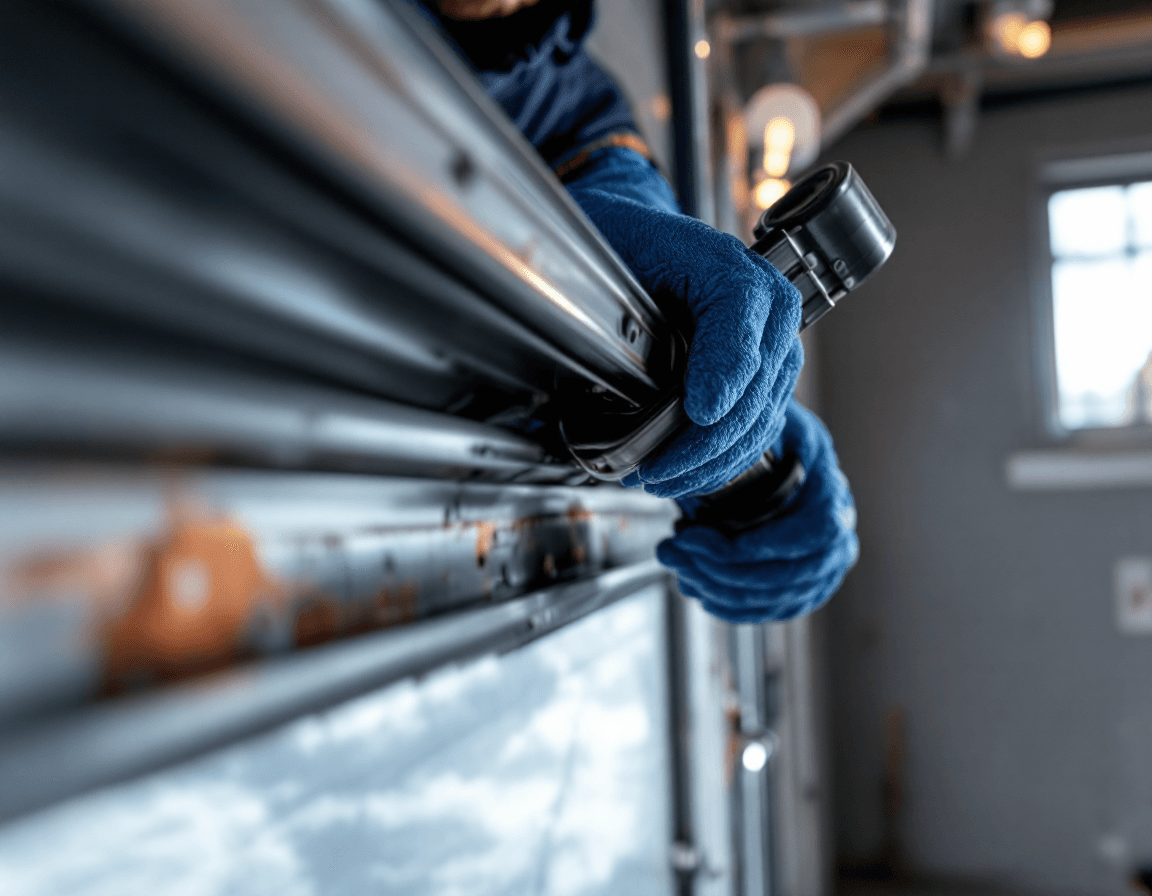
Garage door roller replacement in Gig Harbor, WA is one of the most common and affordable fixes we handle, and it often makes a bigger difference than homeowners expect. Rollers are the small wheels that ride inside the vertical and horizontal tracks and carry the door's weight as it opens and closes. When they wear out, the whole door can sound like it is fighting itself. A good roller set usually costs between $120 and $250, depending on door size and roller type, which makes it a far smaller investment than a new door or a broken opener.
Gig Harbor's climate and setting put steady demands on garage hardware. Winters bring long stretches of rain and damp air, while homes near the water deal with salt-laden breezes that can accelerate corrosion on metal parts. Many garages here also hold bikes, kayaks, paddleboards, and tools that get carried in and out daily, which means the door cycles more often than in a typical single-car setup. Those conditions add up, and the rollers are usually the first components to show it.
This page explains how to recognize worn rollers, what your choices are for replacement, how the work is typically done, and why certain parts of the system should always be left to a licensed technician. Whether you live near Harborview, in the Gig Harbor North area, out toward Rosedale, or anywhere else around the peninsula, the goal is the same: a door that moves smoothly and quietly without putting you or your family at risk.
Why Gig Harbor Garages Tend to Wear Rollers Faster
Rollers wear for a simple reason: they spin thousands of times over the life of a door, and every rotation depends on a bearing, a stem, and a smooth track surface working together. Moisture is the biggest enemy. When humidity stays high through a Pacific Northwest winter, grease washes out of bearings, dust and grit cling to the track, and steel components begin to rust at the edges. A roller that once turned freely can start to drag, and that drag quickly becomes noise and strain.
Salt air adds another layer of trouble for homes with a view of the water or those that sit within a short drive of the shoreline. Even when the salt is not visible, it settles on hardware and speeds corrosion on steel tracks, hinge brackets, and the metal housings inside older rollers. Garages on the peninsula also see plenty of foot traffic from sports gear, yard equipment, and recreational vehicles, all of which add side-loading stress that pushes rollers against the track edges.
Finally, many local garages sit at the end of long daily cycles. A household that leaves for work and returns in the evening may open the door two or four times a day, every day, for years. Nylon and steel rollers are designed for that use, but they are not designed to last forever. Recognizing the early signs lets you schedule a simple replacement before a worn roller damages the track or leaves you stranded with a door that will not move.
Listening for the Early Warnings: Squeaks, Chirps, and Grinding
Your garage door often tells you what is wrong before anything breaks. A soft squeak or a rhythmic chirp when the door starts moving is usually the first sign that a roller bearing is dry or that the nylon wheel is beginning to glaze. Those sounds tend to get louder over time, and they often appear first on cold, damp mornings when the lubricant is thicker and the metal is contracting. Ignoring them rarely makes them go away.
Loud grinding is a more serious signal. It typically means the bearing has lost most of its lubrication, or that grit has worked its way inside the roller housing and is scraping the metal surfaces. You may also hear a metal-on-metal scrape where a steel roller rubs against the track flange instead of rolling along it. A door that makes that sound should be checked soon, because the track itself can be scored or bent if the problem continues.
Keep a simple mental log of when the noise happens. Note whether it occurs at the start of the travel, in the middle, or near the top when the door is almost closed. Pay attention to whether the sound changes with the weather or happens after the door has been sitting for a while. That information helps a technician diagnose the problem quickly and confirm whether rollers are the cause or whether the noise is coming from a hinge, a bracket, or the opener.
- A soft squeak at startup, especially on damp or cold mornings
- Repeated chirping that gets louder as the door climbs
- Deep grinding noises that come from one side of the door
- A metal-on-metal scrape when the door passes a particular point on the track
- A rattling or clicking sound that changes as the door moves
When the Door Shakes or Jerks Along the Track
A smooth garage door should travel in a steady, predictable line. If it shakes, jerks, or seems to hop as it moves, the rollers are often the culprit. A roller with a flat spot, a cracked nylon tire, or a seized bearing will not turn evenly, and that uneven motion gets transferred to the whole panel. Over time, the vibration can loosen hardware and make the door feel unstable even when it is closed.
Jerking motions are especially common where the door transitions from the vertical track to the horizontal track near the ceiling. That curve places extra demand on the rollers as they change direction, so a roller that is already worn will show its problem there first. Homeowners sometimes assume the opener is failing, but a quick visual check often reveals that the rollers are hopping on the track instead of rolling cleanly.
If your door shakes, avoid forcing it up or down by hand while the opener is connected. Shaking combined with a binding feeling can mean a damaged roller is jamming against the track, and continued force can bend the track or strain the opener. Stop, close the door, and call for an inspection. A licensed technician can confirm whether the rollers need replacement or whether the track needs adjustment first.
Steel Versus Nylon: Choosing a Roller That Suits Your Household
Most residential garage doors use either steel rollers or nylon rollers, and each type has its place. Steel rollers are durable and handle heavy doors well, but they tend to be louder because metal rolling on metal produces a distinct sound. Nylon rollers, often with a sealed steel or stainless ball bearing inside, run much more quietly and are gentler on the track. Many homeowners who want a calmer garage choose nylon for exactly that reason.
Quiet operation matters most when the garage shares a wall with a bedroom, a home office, or a family room. A nylon upgrade can noticeably reduce the racket during early-morning departures or late-evening returns. Nylon also tends to resist moisture and salt better than bare steel, which makes it a practical choice for Gig Harbor homes where damp conditions are a constant factor. Some nylon rollers include sealed bearings that need less lubrication over time.
The right choice still depends on your door's weight, track style, and how it is used. Heavier doors, such as those with insulation, windows, or extra hardware, may need a roller rated for that load. A technician can match the roller diameter, stem length, and bearing type to your existing system. Switching from steel to nylon is usually simple, but it should be done with the correct parts rather than guesswork.
What a Roller Swap Involves on a Typical Local Door
Replacing rollers is a focused, methodical job. The technician first confirms that the door is balanced and that the opener is disconnected, then inspects the track for dents, debris, and loose fasteners. Each roller is removed from the hinge area or track bracket, and the new roller is installed with the correct stem and bearing type. The track is cleaned, the new rollers are checked for smooth movement, and the door is cycled several times to confirm it runs straight and quiet.
Good work also includes looking at the parts around the rollers. Hinges, brackets, and bolts that have been working loose can make new rollers feel rough, so tightening or replacing them is part of a proper service visit. The technician also checks whether the track alignment is affecting roller wear, because a bent or out-of-plumb track can destroy new rollers quickly. Addressing those issues during the same visit saves you a second trip and protects your investment.
What the work does not include is any adjustment to the springs or cables. Those components are under extreme tension, and they belong only in the hands of a licensed, trained professional. A roller replacement is a safe job for a qualified technician, but it should never be attempted as a do-it-yourself project if you are not comfortable with garage door hardware.
Harborview and Waterfront Homes: Dealing With Salt Air on Hardware
Homes in and around the Harborview area often face a particular set of challenges. The air near the water carries salt and moisture, and those elements can work their way into garage hardware faster than in inland neighborhoods. Track bolts, hinge pins, and steel roller stems may show surface rust that looks harmless at first but gradually reduces the smoothness of every turn. Rollers in these conditions may seize sooner than expected.
For waterfront or near-water properties, we typically recommend inspecting the rollers and track at least once a year and cleaning off accumulated salt residue when you notice it. A damp cloth wiped along the track, followed by a light coating of the right lubricant, can slow corrosion considerably. Nylon rollers with sealed bearings often perform better in this environment because they do not rely as heavily on exposed steel surfaces. Stainless hardware is another option that many homeowners consider when replacing bolts and brackets.
If you live close to the shoreline and notice rust forming on the track or roller housings, do not wait for the door to start grinding. Early replacement of worn rollers, along with corrosion-resistant hardware, can prevent the rust from spreading into the track itself. A short inspection can tell you whether a simple roller swap will be enough or whether the track also needs attention.
Gig Harbor North and Attached Garages Next to Living Space
Many homes in the Gig Harbor North area have attached garages that share walls, ceilings, or entry doors with the living space. In those layouts, garage noise travels further than homeowners expect. A grinding roller at 6:00 in the morning can wake someone in the bedroom above, and a door that squeals every time it opens can make the whole house feel less peaceful. For these homes, quiet operation is often the main reason to schedule a roller replacement.
The solution usually involves a combination of nylon roller upgrades, clean and properly aligned tracks, and a well-lubricated door system. Seals and weatherstripping also play a role, because a door that rattles against its frame can add vibration noise even when the rollers are quiet. A technician can check the full door assembly during a service call and point out any loose panels, worn hinge bushings, or rattling hardware that contributes to the overall sound.
Attached garages also deserve attention for safety reasons. Because the door often sits close to the house, a door that binds or reverses unexpectedly can cause problems for children, pets, and vehicles. If the door behaves erratically, keep people and cars clear of its path and arrange for a licensed technician to inspect it promptly.
Rosedale and Older Track Systems: Matching Parts to Age
Some homes in and around the Rosedale area have garage doors that have been in place for many years, and older systems often come with their own quirks. Tracks may be slightly out of square, hinge styles may differ from modern designs, and roller stems may not match the standard sizes sold today. Those variations are not unusual, and they are one reason why a proper inspection matters before any parts are ordered.
When replacing rollers on an older door, the technician needs to confirm the existing stem length, roller diameter, and track width. Installing a roller that is close but not exact can cause binding, uneven travel, or accelerated wear on the track. An experienced technician can measure the existing components and select compatible replacements, sometimes recommending a nylon upgrade that matches the original dimensions while improving quiet operation.
Older doors also tend to have hardware that has been painted over, corroded, or stripped by previous repairs. Taking time to clean and inspect those connection points is part of a responsible service visit. If the door has been repaired several times in the past, a comprehensive look at the track, hinges, and rollers can prevent the same problem from returning in a few months.
Pricing a Full Roller Set Without Surprises
Most homeowners want to understand the cost before any work begins, so here is how roller replacement pricing typically works. A full set of rollers for a standard residential door generally falls between $120 and $250. The final figure depends on the number of rollers your door uses, whether you choose steel or nylon, the diameter and stem style required, and whether any additional hardware needs replacing during the same visit.
Costs can shift when the inspection reveals other issues. A bent track section, a damaged hinge, or a worn bearing plate may need attention alongside the rollers. We recommend asking for a clear explanation of what is included before approving any extra work. A good technician will show you the worn parts, explain why they need replacing, and give you a choice rather than pressuring you into upgrades you do not need.
It also helps to schedule service before a noisy roller turns into a damaged track or a failed opener strain. Waiting too long can turn a straightforward replacement into a larger repair. For a current quote tailored to your door, call (888) 799-3819, and a team member can help you understand what to expect for your specific system.
Why Springs and Cables Stay With a Licensed Technician
Rollers are only one part of a garage door system, and the other parts carry far more energy. Torsion springs and extension springs store enormous tension, and cables help control the door's balance as it moves. When those components fail or need adjustment, they can release that stored energy with serious force. This is why springs and cables should never be handled by anyone without proper training, tools, and licensing.
Homeowners sometimes assume that because rollers are simple to see and reach, the whole door is a simple DIY project. That assumption is risky. Removing a roller often requires the door to be stabilized, and if the door is not properly balanced or secured, it can move unexpectedly. Even a roller job should be performed by a licensed professional who knows how to work safely around the door's weight and tension.
If you notice a broken spring, a frayed cable, or a door that will not stay balanced when partly open, stop using it and call for service immediately. Keep children and pets away from the door, and avoid trying to fix the spring yourself. A licensed, bonded, and insured technician can make the repair safely and get your door working again without putting anyone at risk.
Keeping Rollers Quiet Between Service Visits
A little routine care can extend roller life and keep your door running quietly between professional visits. Start by wiping the tracks with a clean cloth to remove dust, grit, and salt residue. Focus on the lower section of the track, where debris tends to collect, and be sure not to bend or push on the track while cleaning. Dry the track afterward so moisture does not sit against the steel.
Lubrication matters, but the right product matters more. Silicone-based sprays or white lithium grease are commonly recommended for garage door rollers and hinges, while heavier oils can attract dirt and gum up over time. Apply a small amount to the roller bearings and hinge pivot points, then wipe off the excess. Avoid spraying lubricant directly onto the track surface, where it can attract grime and make the door slippery.
- Wipe the track monthly to remove dust, grit, and salt residue
- Use silicone spray or white lithium grease on roller bearings and hinge points
- Keep lubricant off the track surface itself, since it can collect debris
- Watch for new noises, uneven movement, or visible roller wobble
- Schedule a professional inspection at least once a year, especially for waterfront homes
Regular checks will not replace a professional service, but they will help you catch problems early. If the door begins to squeak, grind, or shake again after a cleaning, that is your signal to call for a roller inspection. Gig Harbor's damp winters and salty breezes are hard on hardware, so staying ahead of wear is one of the best ways to protect your door.
Ready to restore quiet, smooth operation to your garage door? Call Seattle Garage Door Fix at (888) 799-3819 to schedule a licensed technician for roller replacement in Gig Harbor, WA. We will inspect your rollers and track, explain your options clearly, and make sure your door is safe and ready for everyday use.