
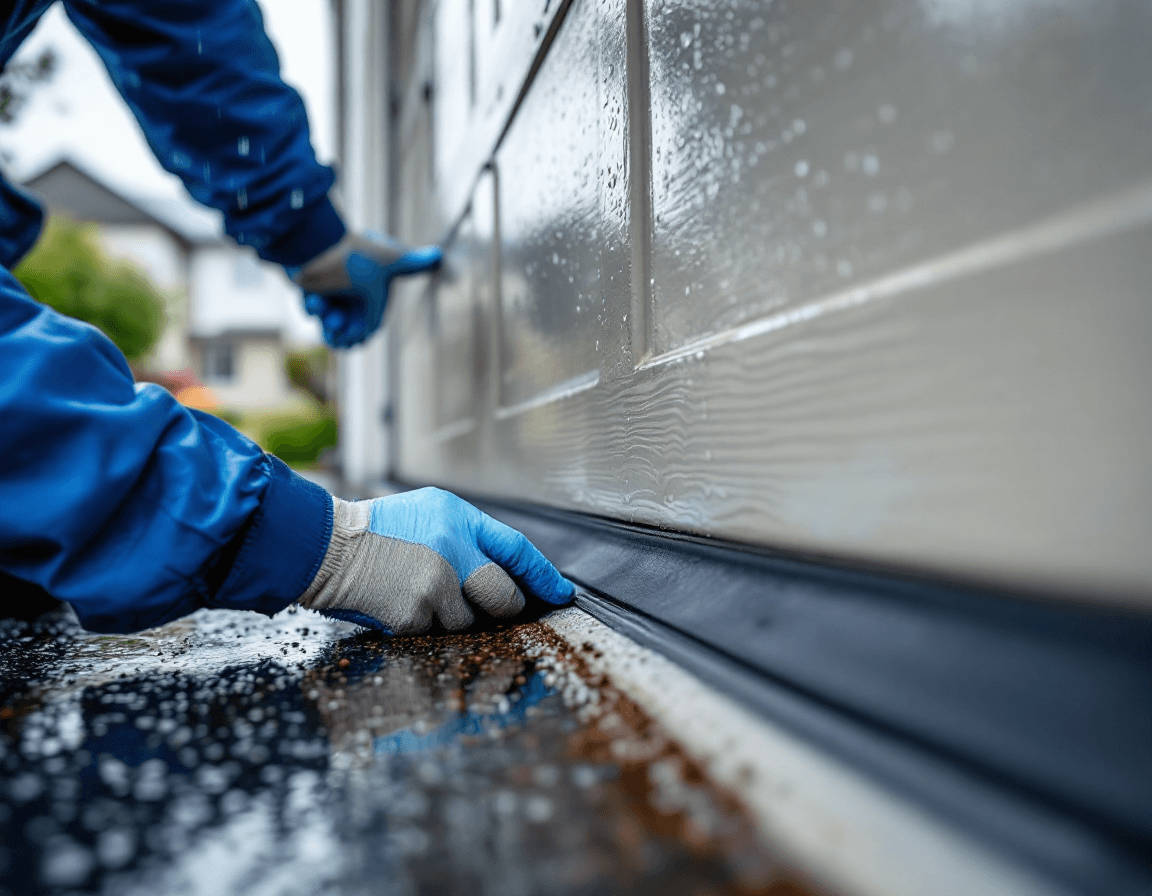
Garage Door Weather Seal Replacement in Mukilteo, WA is one of the most practical repairs a homeowner can schedule, because it addresses a problem that quietly affects the whole house. A worn bottom seal or tired perimeter weatherstripping lets rain, cold air, leaves, and pests into an area that many households use as a workshop, storage space, or the main route into the home. Mukilteo's mix of wet winters, salt-laden breezes off Puget Sound, and frequent gray weather makes that gap more costly than it might seem at first glance. Seal wear is gradual, so most homeowners only notice it after a storm leaves a puddle across the slab or a mouse finds its way onto the shelf of stored paint.
The city's character shapes how garage doors age. Homes near the Mukilteo Waterfront and in the older blocks of Old Town often sit closer to the water, where wind carries moisture and salt onto exposed metal and rubber. Newer neighborhoods such as Harbour Pointe have their own considerations, including driveways that slope toward the street and garages that face prevailing weather patterns differently from one lot to the next. Across the greater Mukilteo area, including the 98275 ZIP code, we see the same underlying pattern: a seal that looked fine in August can be stiff, split, or pulled loose by February.
This page explains what failing seals look like, why they fail in our region, what replacement involves, and how pricing generally works. Our service range for seal replacement runs from $95 to $250, depending on the seal type and the size of your door. The exact figure depends on what you need replaced and how your door is built, which we cover in detail below. Read through the sections that match your situation, and reach out whenever you want someone to look at the door in person.
Why Mukilteo Garages Wear Seals Faster Than Inland Homes
Anyone who has lived in Snohomish County for a few winters knows that the weather here is rarely dramatic but almost always damp. Long stretches of drizzle, overnight condensation, and wind that comes in sideways off the water all work against rubber and vinyl. Seal material that handles a single heavy storm well can still stiffen and crack when it is repeatedly soaked, dried by the occasional sunny afternoon, and then soaked again. That cycle is harder on materials than a few intense weeks of rain would be.
Proximity to Puget Sound adds a second stress. Salt in the air settles on door panels, tracks, and the lower edge of the door, and it accelerates corrosion on metal hardware that the seal is supposed to protect. When a bottom seal is cracked, salt-laced water can run under the door and collect along the threshold, where it dries into a white residue and keeps the seal material in constant contact with corrosive moisture. Homes a few miles inland often see less of this, which is why a seal that lasts years in one neighborhood may need attention sooner in another.
Temperature swings matter too. Mukilteo rarely sees the deep freezes common in other parts of the country, but it does get stretches where the temperature hovers near freezing and then warms during the day. Rubber contracts and expands with each cycle, and that movement loosens adhesive bonds and opens small gaps at corners. Over time, those small gaps grow into the openings that let drafts and water in. Recognizing how local weather works on your specific door is the first step toward choosing a replacement that will hold up.
Reading the Gap: How to Tell a Failing Bottom Seal From Other Problems
The most common sign that a bottom seal needs replacing is a visible gap between the door and the garage floor when the door is fully closed. Stand inside on a bright day and look along the bottom edge. If you can see daylight, a flashlight beam passes through, or a sheet of paper slides underneath with little resistance, the seal is no longer doing its job. Some gaps are obvious; others show up only at one corner or in a low spot where the slab dips.
Not every gap is the seal's fault. A door that is out of level, a track that has shifted, or a concrete floor that has settled can all leave openings that no seal alone will fix. Before ordering parts, it is worth checking whether the door closes evenly across its full width and whether the bottom panel sits parallel to the floor. A technician can usually tell within a few minutes whether the seal is the root cause or simply the visible symptom of a larger alignment issue.
Here are the signs that most often point to a seal problem rather than a structural one:
- Daylight visible under the closed door, especially along one side or in a dip in the slab
- A rubber bottom seal that is cracked, brittle, split, or peeling away from the door panel
- A seal that is missing entirely in one section, often where it was torn by a vehicle, a snow shovel, or a rolled trash bin
- Water tracks or a dried mineral line on the floor that matches the width of the door
- Leaves, grass clippings, or small debris piled just inside the door after a windy night
- A seal that looks intact but feels hard and no longer springs back when pressed
If you notice several of these at once, the seal is almost certainly due for replacement. If the seal looks fine but the gap persists, the problem may lie in the door's alignment or in the floor itself, and that deserves a closer inspection before any money goes toward new rubber.
Perimeter Weatherstripping That Has Lost Its Grip
The bottom seal gets most of the attention, but the weatherstripping along the sides and top of the door does just as much work in keeping out wind and rain. Perimeter weatherstripping sits in the channel of the door frame, or on the outer face of the door, and presses against the frame when the door closes. Over years of opening and closing, that material can compress, tear, or pull away from its anchor points. When that happens, wind-driven rain can be pushed into the gap at the top corners, and you may notice a damp stripe on the interior wall after a storm.
A useful test is to close the door on a thin strip of paper at several points along the frame. If the paper pulls out easily at certain spots, the weatherstripping in that area has lost tension. Pay special attention to the upper corners and to the spot where the vertical runs meet the header, since those areas take the most flex. Lower sections near the threshold can also lose contact if the door has settled over time. Mapping these weak points before a repair helps a technician plan the job efficiently.
Replacing perimeter weatherstripping is usually straightforward when the channel is clean and the old material pulls out in one piece. The job becomes more involved when the old adhesive has hardened into the metal or when the frame has minor bends from past impacts. A good installer will clean the channel thoroughly, fit the new strip so it compresses evenly without bunching, and check that the door still operates smoothly afterward. Weatherstripping that is too thick can strain the opener, so fit matters as much as the material itself.
Thresholds, Concrete Slopes, and the Water That Finds Them
Many Mukilteo driveways and garage floors slope gently toward the street or toward a drain, and that slope determines where water wants to go during a heavy rain. When a garage door's bottom seal is damaged, that water finds the lowest path into the garage. Threshold seals, sometimes called threshold strips or door sweeps on the interior side, bridge the gap between the door and the concrete and give water a harder time getting past. On homes with uneven slabs, a threshold seal can make the difference between a dry garage and a wet one.
Proper threshold work starts with the floor itself. A seal cannot compensate for a dip deep enough to hold a puddle directly against the door. If standing water collects in front of the door during storms, the grading or drainage around the driveway may need attention, and that is outside the scope of a simple seal swap. We recommend noting where water pools before any repair, because that information guides both the seal choice and any additional recommendations we make.
We also watch for thresholds that have been damaged by repeated contact with snow removal equipment or by salt used on the driveway during cold snaps. Abrasion from a plow blade or shovel can wear a bottom seal down quickly, and calcium or sodium residue can break down rubber and leave a rough edge that tears more easily. If you use de-icing products near the garage, rinsing the threshold area periodically and choosing a seal material rated for that exposure can extend its life noticeably.
Drafts, Energy Bills, and Keeping Heat Where You Want It
Cold drafts are one of the more noticeable consequences of a failing seal, especially in garages attached to living spaces. Air that slips under the door or past the perimeter can chill the adjacent laundry room, mudroom, or kitchen, and it can make the heating system run longer to maintain a comfortable temperature. Many homeowners first realize something is wrong when a room next to the garage always feels cooler than the rest of the house, even though the thermostat reads normally.
It is worth being careful about how you attribute energy costs. A seal replacement will reduce uncontrolled air exchange, but the savings depend on the size of the gap, how much the garage is heated, how the rest of the home is insulated, and the habits of the household. We do not promise specific savings figures, because every home behaves differently. What we can say is that sealing an open gap eliminates a direct path for cold air, and that improvement is often most noticeable in the rooms that sit closest to the garage.
For homeowners who want the best return from a seal replacement, we suggest checking the other common leak points at the same time. The door's corners, the wall penetration for an interior door, and any gap around a pedestrian door in the garage should all be examined. Fixing only one leak while leaving others open can leave the overall improvement smaller than expected. Our technicians often look at the whole perimeter during a visit so that the work addresses the complete air path rather than a single spot.
Pests, Leaves, and the Small Visitors Under Your Door
Pests are another reason seals matter in the Pacific Northwest. Mice, rats, spiders, earwigs, and other small creatures take advantage of any opening that is wider than a few millimeters, and a gap under a garage door can be an easy entry point. Once inside, they can nest in stored cardboard, chew on wiring, or leave droppings near food and pet supplies. Many people do not realize the problem exists until they find evidence in a storage bin or hear scratching near the water heater.
Leaves, needles, and wind-blown debris also pile up along the threshold, particularly in the fall when the big maple and alder leaves come down across the neighborhood. A damaged seal lets that debris drift inside, where it holds moisture against the floor and creates a damp environment that encourages mold and attracts insects. Sweeping the threshold regularly helps, but it does not solve the underlying gap. A continuous seal that closes the opening is the more reliable answer.
A good seal is not a substitute for pest control. If you already have an infestation, the first step is to address it directly and remove food sources, clutter, and nesting material. Once the area is clear, a properly fitted seal and a tidy garage floor make it far harder for pests to reenter. We recommend keeping stored items off the floor and in sealed containers, since a seal blocks entry but cannot stop an animal that is already inside.
Materials Worth Considering for Coastal Snohomish County Doors
Not all seals are the same, and the right material depends on the door design, the exposure, and how much wear you expect. Rubber bottom seals are the most common, and they come in several profiles, including T-shaped, J-shaped, and flat designs that fit different panel and track configurations. Vinyl options are often lower cost and easier to handle, though they can stiffen in cold weather. Some installers use silicone-based or specialty compounds for areas that see heavy salt or abrasion, and those can be a good fit for homes close to the water.
When choosing a material, consider how the seal will be exposed. A bottom seal that sees traffic from vehicles and snow equipment needs more abrasion resistance than a perimeter strip that sits protected inside the frame. Color can matter too, since darker materials absorb more heat and can soften in summer sun on south-facing doors, while lighter ones tend to hold their shape more consistently. A technician can recommend an option based on the actual conditions at your home rather than a one-size-fits-all approach.
Compatibility is just as important as material. A seal that is too thick can prevent the door from closing fully, and one that is too thin will not bridge a larger gap. Some doors use a retainer channel that must be replaced along with the seal, and others accept a simple slide-in or screw-on profile. Measuring the door width, checking the panel style, and confirming the existing channel size before ordering prevents the frustration of a return trip.
Here are a few questions to think through before choosing a material:
- How close is the garage to the water, and how much salt exposure does it get?
- Does the driveway receive regular plowing, de-icing, or heavy vehicle traffic?
- Is the garage heated, and do you want the seal to help with comfort as well as water?
- Do you have a steel, aluminum, wood, or insulated panel door, and does the manufacturer specify a particular seal?
- How long do you plan to stay in the home, and how much maintenance are you prepared to do?
What a Seal Replacement Visit Typically Covers
A seal replacement appointment usually begins with a walkthrough of the door's operation. The technician will open and close the door, watching for uneven movement, rubbing, or sections that do not seat against the frame. This step helps separate seal problems from alignment or track issues before any parts are installed. We also check the threshold and floor for dips, debris, and staining that show where water has been entering.
Next comes the seal work itself. The old bottom seal is removed, the retainer channel is cleaned or replaced if needed, and the new seal is fitted to the full width of the door. Perimeter weatherstripping is typically replaced in the same visit if it is worn, so that the door seals consistently around all sides. The technician then closes the door several times to confirm that the new material compresses evenly and that the door still reverses safely and runs smoothly on its tracks.
Finally, the technician reviews what was found and what was done. If additional work is recommended, such as correcting a floor dip, adjusting the balance of the door, or addressing corrosion on hardware, that will be explained clearly so you can decide how to proceed. Our role is to tell you what the door needs and to avoid selling work that is not necessary. Any spring, cable, or tension-related issue found during the visit is handled only by a licensed, trained professional, because those components store enough energy to cause serious injury if they fail.
Pricing Between $95 and $250: What Shapes the Final Number
Our seal replacement pricing falls between $95 and $250, and the final figure depends on several practical factors. The most significant is the type of seal you choose, since basic rubber profiles cost less than heavier-duty or specialty materials. The width of your door matters as well, because a longer bottom seal requires more material and more labor. Perimeter weatherstripping adds to the total when it is replaced alongside the bottom seal, and the condition of the existing channel can influence how much preparation is needed.
Access and complexity also play a role. A standard residential door with a clean retainer channel is usually the simplest job. Doors with hardened adhesive, bent frames, or unusual panel designs may take more time. If the visit reveals a problem outside the seal itself, such as a floor issue or an alignment correction, that work will be quoted separately so you know exactly what you are approving. We aim to give a clear estimate before any work begins, so you are never surprised by the total.
It is also worth understanding what the price does not include. A seal replacement does not correct drainage problems on the driveway, repair damaged framing, or fix a door that is out of balance. Those are separate issues that may appear during an inspection. Knowing this helps set realistic expectations and makes it easier to prioritize repairs if several things need attention at once.
Doing It Yourself Versus Calling a Licensed Technician
Some homeowners prefer to replace a bottom seal on their own, and for a simple, straight-channel door with a basic rubber profile, that can be a reasonable project. The steps involve removing the old seal, cleaning the channel, cutting the new material to length, and fastening it in place. Careful measurement and a clean work surface make a significant difference, and a helper is useful when handling the door panel or checking alignment. If you go this route, buy a seal that matches your door's manufacturer specifications and keep the old piece for comparison.
That said, DIY work has clear limits. Anything involving the springs, cables, drums, or lift tension is outside the scope of a homeowner project and should be left to a licensed, bonded, and insured professional. These components carry substantial stored energy, and even experienced people have been seriously hurt when a spring released unexpectedly. If your inspection reveals a worn spring, a frayed cable, or a door that is out of balance, stop and call a technician rather than attempting the repair yourself.
There is also the question of time and outcome. A poorly fitted seal can leave gaps, bunch up, or cause the door to stick, and fixing those problems can take longer than the original job. A technician brings experience with many door types and can often finish the work in one visit while checking the rest of the door at the same time. For homeowners who value a clean result and a documented, professional repair, a service call is often the better choice.
Keeping Seals in Good Shape Through Mukilteo's Seasons
A seal that is cared for can last considerably longer than one that is ignored, and a little seasonal attention pays off in a dry garage and fewer surprises. Because Mukilteo's weather tends to be wet for long stretches and then mild and dry for shorter periods, it helps to build a few habits into your routine. Most of these tasks take only a few minutes and require nothing more than a broom, a damp cloth, and a close look at the door.
Consider adding these steps to your regular garage maintenance:
- Sweep the threshold and the floor directly in front of the door after windstorms and during leaf season
- Wipe the bottom seal with a mild soap and fresh water every few months to remove salt and grime
- Check the seal for splits, flattening, or pulling away from the door panel at least twice a year
- Rinse away de-icing residue after winter weather, especially near the door and driveway edge
- Look for daylight around the closed door on a sunny day as a quick annual test
- Keep stored items off the floor and away from the door so air and moisture can circulate
Keep an eye on the perimeter weatherstripping as well. Run a hand along the frame and listen for whistling or feel for cold air when the door is closed during a windy day. If you notice a change, it is a good moment to schedule an inspection. Early attention usually means a simpler repair, and it prevents water damage to the floor, drywall, and stored belongings that can quickly become a bigger expense.
If you are ready to stop the drafts, water, and pest entry that come with a worn seal, our team serves Mukilteo and the surrounding Snohomish County communities, including homes near the waterfront, in Old Town, and throughout Harbour Pointe and the 98275 area. Call (888) 799-3819 to describe what you are seeing, and we will help you figure out whether a seal replacement is the right fix or whether something else needs attention first.