
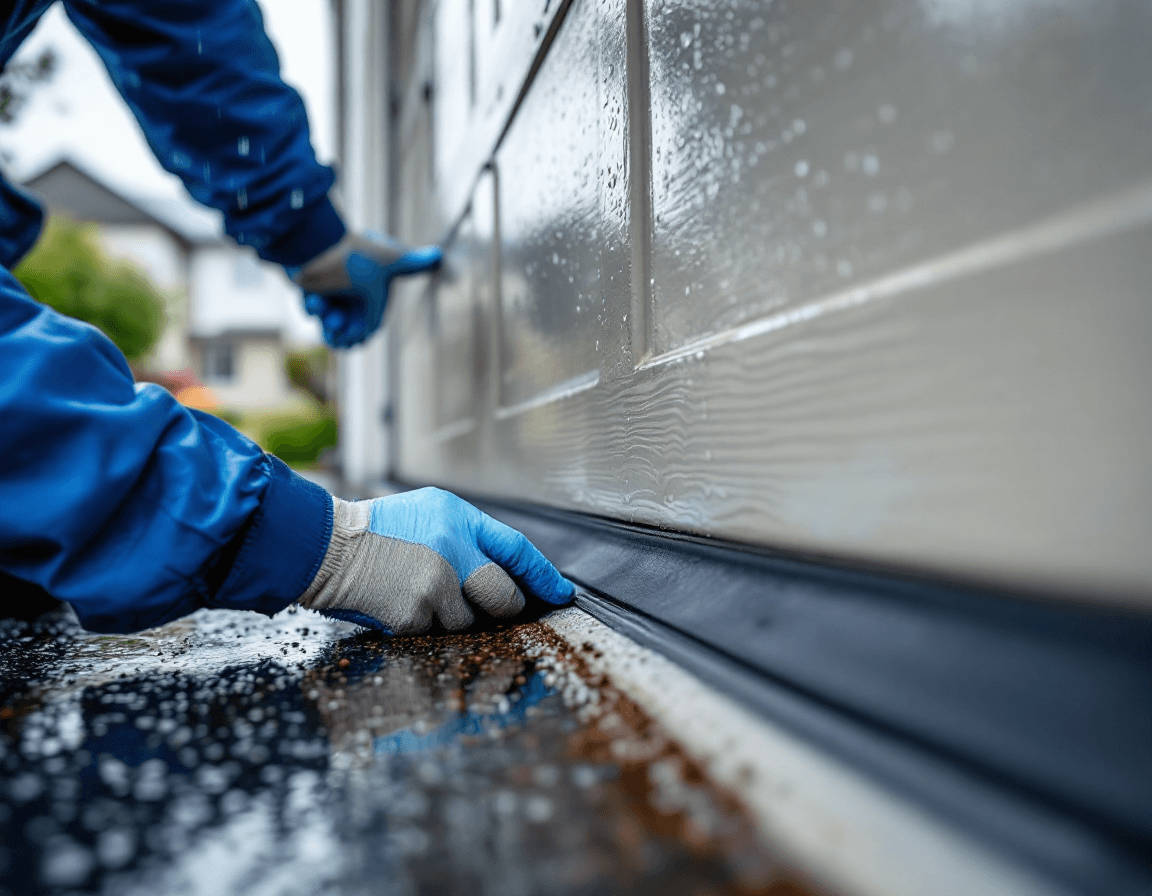
Garage Door Weather Seal Replacement in Puyallup, WA is one of the most affordable fixes you can make to a garage, yet it's also one of the most overlooked. Many Puyallup homeowners only notice a worn seal when rain starts pooling along the inside edge of the door or when a mouse finds its way in through a gap they never saw. Our team at Seattle Garage Door Fix serves Puyallup and the surrounding Pierce County communities, including ZIP codes 98371, 98372, 98373, 98374, and 98375, and we see the same pattern repeatedly: a seal that was fine a few years ago has quietly hardened, split, or pulled away from the door.
A garage seal does more than keep out water. It blocks cold air from rolling in under the door, slows the transfer of heat out of rooms that share a wall with the garage, and creates a barrier against leaves, dust, and the small animals that love sheltered corners. When the seal fails, the effects spread into the rest of the house, from a chilly laundry room to a utility bill that climbs for no obvious reason. The good news is that a bottom seal, perimeter weatherstripping, or threshold seal is usually a modest repair that restores the door's performance without replacing the door itself.
This page explains what a failing seal looks like, why our wet Pacific Northwest weather is so hard on it, how the different seal types work together, what shapes the price, and when you should call a licensed professional instead of handling the job yourself. Throughout, we'll point out details that matter specifically in Puyallup, from the older housing stock on South Hill to the newer subdivisions that have sprung up across the valley. If you're wondering whether your garage is quietly letting weather in, you'll find a practical way to check.
Reading the Gap Under Your Door in Puyallup Homes
The most obvious sign of a failing bottom seal is daylight. Close your garage door, turn off the lights inside, and have someone stand outside with a flashlight while you watch from the inside, or simply look for light glowing along the bottom edge. Even a thin line suggests that cold air, moisture, and pests have a clear path under the door. Check at several points, because a door often seals well in the center and leaks at the ends where the track curves or where the floor slopes slightly toward the drain.
Sound and smell can also reveal a problem before your eyes do. A garage with a poor bottom seal often sounds breezy on windy days, and in the fall you may notice damp leaves or a faint earthy smell drifting in from outside. Dust lines on the garage floor, especially a fine path of debris that fans inward from the threshold, are another giveaway. Many homeowners in Puyallup mistake these signs for a driveway drainage issue when the real culprit is the seal sitting a few inches too high to do its job.
A simple test is the dollar bill check. Close the door on a dollar bill placed across the threshold, then try to pull it out. If it slides free with no resistance, the seal isn't pressing firmly against the floor. Repeat the test at the left side, center, and right side, and at both ends of the perimeter weatherstripping along the sides and top. Marking the spots that fail will help you describe the problem accurately when you call for service.
Why Pierce County Rain Finds Every Weak Spot
Puyallup's climate is a big reason garage seals wear out faster than many homeowners expect. Winters bring long stretches of steady drizzle and occasional heavy downpours, and when wind pushes from the south or west, rain gets driven sideways against the lower portion of the door. Water doesn't need much of an opening to creep underneath, and once it reaches the floor it tends to sit against the threshold for hours, especially where the slab dips slightly toward the door.
Repeated wet and dry cycles take a toll on rubber and vinyl. During damp months the seal swells slightly and absorbs moisture, then dries and contracts when a rare cold snap or sunny break arrives. Over several seasons this flexing causes the material to crack, lose its memory, and flatten into a shape that no longer springs back to the floor. Materials exposed to the sun on the driveway side of the door, which gets direct light for part of the day, tend to become brittle sooner than seals on sheltered garages.
Cold is another factor. When temperatures drop into the low 30s or below on a clear winter night, rubber stiffens and loses flexibility, which can open small gaps that were not there in the warmer months. Homeowners sometimes notice that the garage feels fine in October and drafty by January, and that seasonal change is often the seal reacting to temperature rather than a sudden failure. Replacing a worn seal before the coldest weeks arrives is far less frustrating than waiting until a drafty garage is making the laundry room uncomfortable.
Bottom Seals, Perimeter Strips, and Thresholds: Sorting the Parts
A garage door weather system has three main components, and each one does a different job. The bottom seal is the strip attached to the lowest panel of the door, and it compresses against the garage floor to block water, wind, and pests. Most bottom seals are made of vinyl, rubber, or a dense composite, and some include a rigid retainer channel that holds the flexible bulb in place. Because the bottom seal takes the most abuse from traffic, road debris, and standing water, it is usually the first part to need attention.
Perimeter weatherstripping runs along the sides and top of the door opening, typically mounted to the frame or jamb. It creates a seal between the door panels and the surrounding wall, and it is responsible for blocking drafts that sneak in around the edges even when the bottom is tight. In older Puyallup garages, perimeter strips often compress into flat, shiny strips after years of contact, and the top section may pull loose where the door brushes the header during each cycle.
The threshold seal sits on the floor just inside or beneath the door, and it provides a second barrier where the door meets the concrete. Thresholds are especially useful on garages with uneven slabs, because they can fill small dips that a bottom seal alone cannot bridge. Some homeowners add a threshold strip along with a new bottom seal to create a more complete barrier against water and pests.
- Bottom seals handle the main gap at the floor and deal with most rain intrusion and pest entry.
- Perimeter weatherstripping blocks drafts along the sides and top and reduces the sound of wind whistling around the door.
- Threshold seals fill low spots and add a second line of defense where water pools near the opening.
What Drives the $95 to $250 Range
Our typical pricing for weather seal replacement in the Puyallup area ranges from $95 to $250, and the final number depends on several practical factors. The seal type is the largest variable, since a basic vinyl bottom seal costs less to supply than a heavier rubber or composite profile designed for wide doors and uneven floors. The door size matters as well, because a 16-foot double door needs more material and more labor than a single-car door, and the total length of perimeter strip adds to the bill when it's replaced at the same visit.
Installation complexity also plays a role. A bottom seal that slides into an existing retainer channel is generally quick to swap, while a seal that requires removing the retainer, cleaning old adhesive, or adjusting the panel alignment takes more time. Thresholds set into a poured slab may require surface preparation, and garages with worn or damaged floor edges sometimes need a few extra steps to achieve a clean seal. Access can affect labor too, particularly in homes where the garage is tight or where opening the door fully is awkward.
Keep in mind that the range above reflects replacing seal components, not the door itself. If the problem is actually a warped panel, a damaged track, or a misaligned door that presses unevenly along the floor, a seal alone will not solve the leak, and the technician will explain what additional work is needed before you commit to a repair. A clear diagnosis up front prevents the frustrating situation of paying for new weatherstripping on a door that still leaks because the underlying alignment is off.
Pests, Leaves, and the Quiet Entry Points
Pacific Northwest gardens are rich with wildlife, and a garage with a poor seal becomes an open invitation. Mice and rats slip through openings the width of a pencil, and once inside they nest in stored boxes, chew through wiring, and leave droppings near food storage. Spiders, earwigs, and slugs are common visitors in damp months, and they tend to gather right at the threshold where moisture and shelter meet. Many Puyallup homeowners first discover a seal problem because of pests, not because of cold air.
Leaves and debris are another steady problem, particularly in neighborhoods with mature trees. Wind pushes wet leaves against the bottom of the door, and when the seal is worn they get pulled under the gap and pile up on the floor. Over time this organic matter holds moisture against the concrete, which can encourage mold, mildew, and a persistent musty smell. Cleaning up the mess is easy, but it's better to stop the material from entering in the first place.
Once you've replaced the bottom seal, it's worth checking the entire perimeter for other gaps where pests might still enter. Look at utility penetrations, the spacing where the wall meets the header, and the gap around any exterior door connecting the garage to the yard. A well-sealed bottom edge is a major improvement, but pests are persistent, and closing the other openings completes the job. Your technician can point out the common weak spots during the visit.
South Hill and Downtown Puyallup: Older Doors, Newer Problems
Neighborhoods on South Hill and in the older blocks around Downtown Puyallup have a mix of housing ages, and garages in these areas often show wear patterns that differ from those in newer developments. Older detached garages may have doors that were installed decades ago, sometimes with bottom seals that were never upgraded. Their wood or steel frames may have shifted slightly over time, which changes how the perimeter strips contact the door and leaves gaps that homeowners don't notice until the rain season arrives.
Downtown Puyallup's older homes also tend to have alley or street-facing garages with slopes and surface drainage patterns that send water toward the door. When rain runs along the driveway and pools at the threshold, a bottom seal that is only slightly worn can fail quickly. Adding a threshold seal or upgrading to a taller bottom profile can help in these situations, and the technician will look at how water actually flows across your specific driveway before recommending an option.
Newer homes around the valley often have doors with more advanced weatherstripping, but they are not immune. Builders sometimes install standard seals that are adequate for a dry season but not ideal for the wind-driven rain common in the region. Homeowners in these homes may find that the seal is working fine in the summer and then struggles during the first hard winter storms, which is why an inspection before the wet months can prevent a surprise.
Visits to events like the WA State Fair in September bring heavy traffic and busy parking around the fairgrounds, and many Puyallup residents use their garages constantly during the busy summer and early fall season. Frequent opening and closing puts extra wear on the bottom seal, particularly when the door is raised and lowered several times a day by different family members. A seal that has been stressed by a season of heavy use may need replacement sooner than you'd expect from the door's age alone.
Matching the Seal to Your Door Panel and Track
Choosing the right seal begins with understanding how your door is built. Panel thickness, the shape of the bottom panel, and whether the door uses a retainer channel all influence which profile will fit. A seal designed for a thin steel panel won't properly seat on a thick insulated panel, and an overly rigid profile can prevent the door from closing fully over an uneven slab. The technician will measure the existing seal and check the channel dimensions before recommending a replacement.
The floor condition is equally important. A garage floor that is level and smooth can accept a standard bottom seal with little adjustment, but a sloped or cracked slab may need a more flexible profile or a threshold strip to fill low spots. Seals that are too stiff will lift off the floor on uneven ground and let water through, while seals that are too soft may flatten quickly under the weight of the door and lose their sealing edge after a season or two.
Track alignment deserves attention as well. If the door sits slightly crooked in its tracks, one side of the bottom seal may press harder than the other, leading to uneven wear and a visible gap on the lighter side. Correcting alignment before installing new weatherstripping ensures that the seal wears evenly and performs the way it was designed to. This is one reason we recommend a brief inspection even when the complaint is only about drafts.
Replacing a Bottom Seal Step by Step
Here is a general overview of how a bottom seal is replaced, so you know what to expect when a technician arrives. Replacement typically begins with removing the old seal, which may slide out of a retainer channel or be fastened with screws and clips. The technician then cleans the channel and surrounding surface to remove dirt, old adhesive, and debris, since a clean surface helps the new seal sit correctly and last longer.
Next, the new seal is cut to the correct length, usually sized to the full width of the door plus a small allowance for compression at the ends. It is inserted into the channel or fastened to the bottom panel, and the technician checks that it sits flat and even across the entire width. Finally, the door is closed and tested with the dollar bill check and visual inspection to confirm that the gap has closed and the seal presses firmly against the floor without binding.
Please note that this overview deliberately leaves out any work on the springs, cables, or tension system of the door. Those components store large amounts of energy and must be handled only by trained technicians with the proper tools. Weather seal replacement does not require touching them, but if you are inspecting the door yourself, stay clear of the springs and never attempt to adjust tension at home.
When a Pro Should Handle the Job
Many homeowners feel comfortable replacing a bottom seal themselves, and for simple, straight-channel designs that is a reasonable project. The risk increases quickly when the job involves any part of the door's mechanical system, when the door is out of alignment, or when you cannot tell whether the leak is coming from the seal or from a deeper problem like a warped panel or a damaged track. In these cases, a licensed professional can diagnose the issue accurately and avoid spending money on the wrong part.
Licensed technicians also bring the right safety practices to the work. Garage doors are heavy, and a door that is not properly supported can shift unexpectedly during seal work. Our team is licensed, bonded, and insured, which means that if something goes wrong during the visit, the responsibility stays with the company rather than the homeowner. For spring or cable work of any kind, we strongly recommend calling a professional, because that work involves high-tension components that can cause serious injury.
A professional visit also gives you a clear assessment of the entire door. Technicians can check the rollers, hinges, track, and opener connection while they are in the garage, identifying other issues before they grow. This broader view often saves money over time, because a seal that is replaced alongside a needed roller adjustment or track correction will perform better and last longer than a seal installed on a door with unresolved problems.
Keeping Seals Working Through a Wet Season
A new seal lasts longest when the door is kept clean and the perimeter is free of debris. Sweep the threshold area regularly, rinse out leaves and grit that collect near the bottom panel, and avoid dragging heavy items across the door bottom when it's closed. A simple wipe with mild soap and water every few months helps keep vinyl and rubber supple, and it removes the grime that can accelerate wear. Avoid petroleum-based products, which can soften some seal materials over time.
Seasonal checks are a practical habit for Puyallup homeowners. In late summer, before the first heavy rains, run the dollar bill test along the bottom and perimeter and look for daylight along the sides. If you notice flattened sections, cracks, or spots where the seal has pulled away from the channel, schedule service before the rainy season intensifies. Catching these signs early is almost always less expensive than dealing with water damage on stored items or pest infestations that have already taken hold.
Finally, remember that a weather seal is one part of a system. Good drainage at the driveway, clear gutters above the garage, and a properly aligned door all support the seal's job. When these elements work together, the seal can do what it was designed to do: keep the rain outside, the cold air out of your home, and the pests where they belong. If you're unsure where your garage stands, our team can take a look and explain your options in plain language.
If your garage is letting in drafts, water, or pests, a new weather seal can make a noticeable difference for a modest investment. Seattle Garage Door Fix serves Puyallup and the surrounding Pierce County communities, and our licensed technicians can inspect your bottom seal, perimeter strips, and threshold to recommend the right replacement for your door. Call us at (888) 799-3819 to schedule an assessment before the next big storm arrives.