
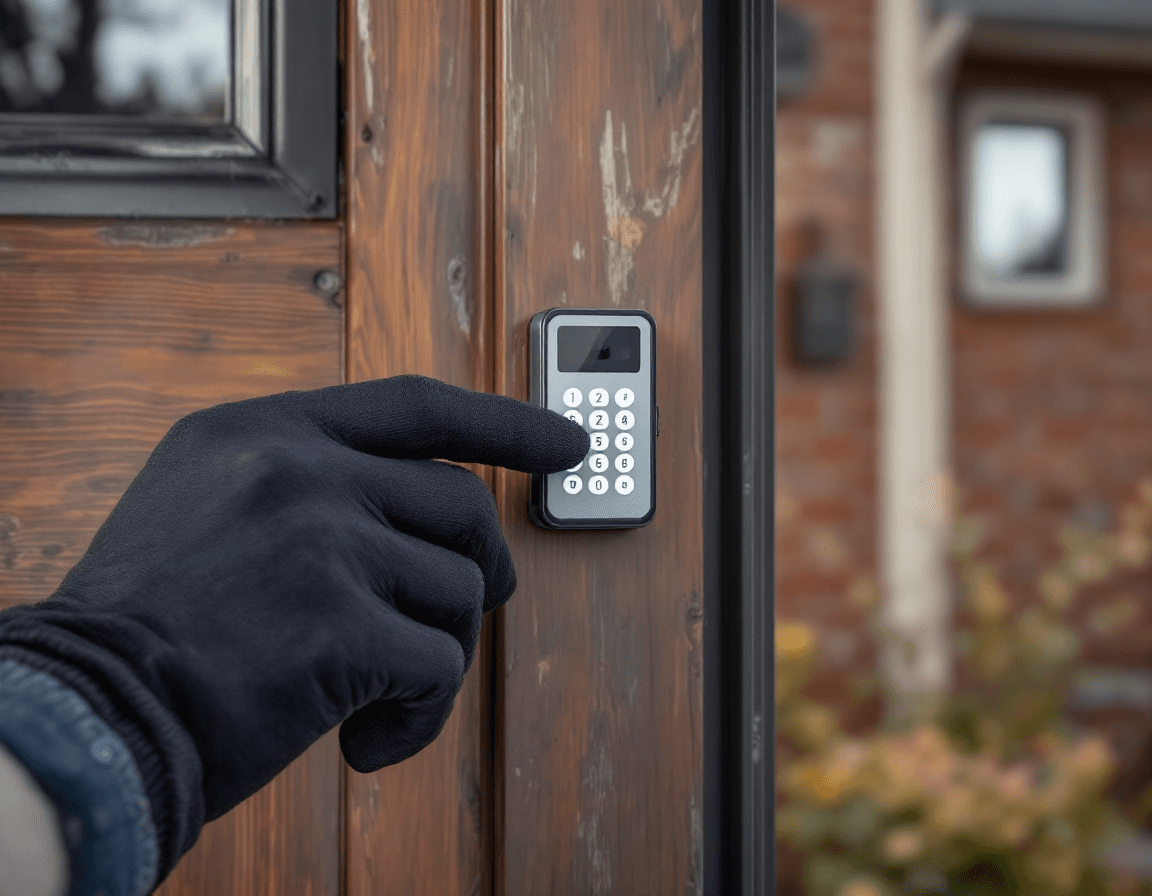
Garage Door Remote & Keypad Service in Algona, WA covers the small but frustrating problems that keep you sitting in the driveway with the engine running. A remote that works on Monday and fails on Thursday, a keypad that rejects a code you have used for years, or a car that will not pair with the garage door are all common complaints from homeowners in and around Algona. Most of these issues are controls and signal problems, not failures of the door or the opener motor, which means they can usually be resolved quickly and at a reasonable cost.
Algona sits close to the Pacific Algona corridor, where many homes have attached garages, older openers, and driveways that take a steady beating from rain, road grime, and temperature swings. Our technicians serve Algona homes from ZIP codes 98001 and 98047 and across the wider King County area, and we handle remote programming, keypad installation, and in-car opener pairing as separate but related tasks. This page explains what typically goes wrong, how we approach each problem, and what you can check yourself before you call. If you are locked out, call (888) 799-3819 and we will help you sort out the fastest path back into your home.
Whether you live on a quiet residential street off Algona Blvd or closer to the busier stretches of the corridor, your garage door controls face the same local conditions. Humidity, drizzle that lingers for days, and the occasional hard freeze all affect the electronics inside a remote, a wall console, or a keypad. The sections below walk through those realities in plain language so you can make a sensible decision about repair versus replacement.
Why Remotes Fail More Often During Western Washington's Wet Months
Western Washington winters are long on moisture and short on dramatic weather, and that combination is harder on small electronics than most people expect. A remote that lives in a coat pocket, a cupholder, or a visor clip is exposed to damp air and occasional soaking, and the battery contacts are the first place corrosion appears. Even a remote that never leaves the car can develop problems when condensation forms overnight in a cold garage and then dries out during the day.
Battery trouble is the most common cause, but it rarely looks like a dead battery. Many remotes start to lose range well before the battery is completely flat, so the door responds only when you stand directly in front of the garage. Intermittent behavior often points to a weak coin cell that is still able to power the transmitter during a short press but cannot sustain a clean signal for a full second.
Physical wear compounds the problem. Button membranes crack, springs weaken, and the circuit board can develop cold solder joints after years of temperature cycling. If you notice that only one button fails, or that pressing the remote at an angle works better than pressing it straight on, the button contacts are the likely culprit. These are repairable in some cases, but when the housing is brittle or water has reached the board, replacement is usually more practical.
Diagnosing an Intermittent Remote Before You Buy a Replacement
Before spending money on a new transmitter, it pays to run through a short diagnostic sequence. Many intermittent remote problems come down to something simple that takes less than ten minutes to check. Working through these steps in order will often reveal whether the remote, the opener receiver, or the environment is responsible.
- Replace the battery with a fresh one of the exact type printed inside the remote, and clean the contacts with a dry cotton swab or a pencil eraser if you see a white or green residue.
- Test the remote from several positions, including directly at the door, from the driveway, and from the street, to see whether range has dropped gradually or suddenly.
- Check whether the opener's wall-mounted control or the status light on the motor unit responds when you press the button, which tells you whether the receiver is hearing the transmitter at all.
- Look for obvious obstructions such as a new metal shelf, a steel storage cabinet, or a cluster of stored tools placed between the remote's usual location and the opener.
- Confirm that the remote was not accidentally reprogrammed or erased, especially if a child, a visitor, or a recent opener reset may have changed the learned codes.
If a fresh battery and a clean set of contacts do not restore reliable operation, the remote itself may be failing. At that point, a service call can determine whether reprogramming the existing remote is enough or whether a replacement unit will serve you better. Our technicians will test the signal strength on the spot and tell you plainly which option makes financial sense.
Keypad Codes That Refuse to Work and What Causes Them
A keypad that rejects a code you know by heart is one of the most irritating problems a homeowner can face, especially when the rest of the household depends on it. The reasons vary widely. Sometimes the keypad has been reset during an opener replacement, sometimes the buttons have worn so that one digit no longer registers, and sometimes the code was changed without everyone being told. Moisture is another frequent contributor, since rain and humidity can cause the keypad's contacts to short or stick, especially on units installed on an exposed exterior wall.
Start with the simplest explanation. Press each digit firmly and deliberately, pausing briefly between presses, because many keypads require a steady press rather than a quick tap. If one button feels soft, sticks, or produces no feedback, the membrane or switch beneath it may be failing. Also check whether the keypad is showing any light or sound indicators, since some models lock out temporarily after several incorrect entries and will not accept codes again until the lockout period ends.
If the keypad is still unresponsive, the programming may need to be reset and reentered. Most keypads have a learn or program button located on the motor unit or inside the keypad housing, and the reset procedure differs by manufacturer. Because incorrect steps can erase other learned devices, we recommend confirming the exact model before attempting a reset yourself. Our technicians can reprogram the keypad, replace a worn unit, or repair a water-damaged connection so the code works reliably again.
Adding an Exterior Keypad Near a Side Door
Many Algona households add an exterior keypad so that family members, babysitters, or contractors can enter the garage without carrying a remote. This is a practical upgrade, especially for homes where the main entry is through the garage and the side door is used every day. A well-placed keypad also reduces the chance that someone will leave a remote in a vehicle that is parked outside.
Placement matters more than most people realize. The keypad should sit where it is protected from direct rain and gutter runoff, ideally under an eave or on a section of wall that does not receive a constant spray from the roof. It should also be mounted at a comfortable height, and the wiring route should avoid areas where the wire could be pinched by a door frame or damaged by a lawn mower or pressure washer. In older homes, the existing wiring may need to be inspected or extended, and we will check the condition of the conductors before connecting anything new.
Installation generally involves mounting the keypad, running low-voltage wire back to the opener, connecting the terminals, and then programming a code. Wireless keypads avoid the wiring work entirely but require fresh batteries and a clear signal path to the opener. Whichever type you choose, we will test the keypad from outside, confirm the lock or open function, and show you how to change the code so you retain control of access to your garage.
Pairing Your Car's HomeLink Buttons Without Guesswork
Built-in garage door openers in newer vehicles, commonly labeled with the HomeLink name, let you open and close your door from the rearview mirror or overhead console. When these buttons stop working or never worked in the first place, the cause is usually a mismatch between the vehicle's programming procedure and the opener's learning mode. Pairing errors are especially common when a vehicle has been sold, when the opener has been replaced, or when the car's buttons were programmed to a neighbor's door by accident in a dense residential area.
The general process requires holding the car's button while pressing a learn button on the garage opener motor, then pressing the car's button again to confirm the signal. Some newer openers use rolling code security, which means the timing of the button presses matters and the opener may need a few extra seconds to accept the signal. Vehicle manuals list specific sequences, but they do not always match the exact opener installed at your home, so we verify the compatibility before attempting the pairing.
If your car will not pair after several attempts, the issue may involve a worn opener receiver, a damaged antenna wire, or a vehicle system that needs a fresh programming session. Our technicians have the tools to test the opener's response and can usually determine within a single visit whether the car, the opener, or the environment is responsible. We will also make sure the buttons you use most often are set up properly, so your daily routine does not depend on a remote in your pocket.
Securing Your Garage After a Lost or Stolen Remote
A lost remote is more than an inconvenience. Anyone who finds or steals a transmitter that was learned by your opener may be able to open the door when they are near your home, and that is a real security concern. If the remote was lost from a car, a gym bag, or a store parking lot, the safest response is to erase the old codes and re-secure the system right away.
Erasing learned remotes is typically done at the opener motor by holding the learn button until an indicator light changes or blinks for several seconds. The exact timing depends on the manufacturer, and some models clear all remotes at once while others allow you to delete a single transmitter. After erasing, you will need to reprogram each remote you still have, plus any new ones you want to add. Keypad codes should be changed as well, especially if the code was shared with a household member who no longer needs access.
- Erase all learned remotes at the opener motor if you cannot confirm which transmitter was lost.
- Reprogram only the remotes you still have in your possession, and label them so you can track them later.
- Change keypad codes and avoid obvious sequences such as birth years, repeated digits, or your street address.
- Review in-car HomeLink programming and reset those buttons if the vehicle was lost, sold, or shared.
- Inspect the door's safety sensors and auto-reverse function while the system is being serviced, since security and safety both depend on a properly adjusted opener.
We recommend a full security review after any lost remote, because the fix takes only a short visit and gives you a clean system you can trust. Taking this step promptly reduces the window during which an unauthorized device could operate your door.
Matching Replacement Remotes to Your Opener Brand and Frequency
Not every remote works with every opener, and buying the wrong transmitter is a common and costly mistake. Garage door openers operate on specific radio frequencies and use different coding systems, so a remote that looks identical to yours may not communicate with your motor. Many Algona homes have openers from several generations, and a door installed a decade or two ago may use a system that has since been replaced by newer models.
The first step is to read the model number printed on the opener motor or the old remote. The frequency, the button count, and the coding standard all affect compatibility, and a technician can often match the right replacement from that information. Universal remotes may work in some cases, but they can introduce range problems or security gaps, so we generally recommend a remote designed for your specific system. When a remote is available only from the original manufacturer, that is usually the most reliable choice.
Keypads follow the same logic. A wireless keypad must match the opener's receiver and coding, and mixing components from different brands can lead to frustrating intermittent behavior. Before ordering parts, we confirm the compatibility and explain the cost difference between a basic replacement and a more advanced unit with additional buttons or a backlit display. You will receive a clear recommendation based on your opener, not a generic upsell.
What a Remote and Keypad Service Visit Covers and What It Costs
Homeowners often want to know what a service visit includes before they schedule one. For remote programming, keypad installation and troubleshooting, and in-car opener pairing, our service typically falls in the range of $65 to $185, depending on the work involved. That price does not include any new remote or keypad, which is billed separately so you can compare options and choose the hardware that fits your needs.
A straightforward reprogramming visit is generally at the lower end of that range, while installing a new exterior keypad with wiring, troubleshooting a weak receiver, or reconciling several in-car buttons usually requires more time and falls higher. The technician will confirm the scope before starting work, explain what is involved, and give you the opportunity to decline additional tasks. We do not want you paying for work you did not request, so we make the estimate clear before any changes are made.
During a visit, the technician will typically test every remote and keypad you own, verify the opener's learned devices, check the status of safety sensors, and confirm that the door operates smoothly in both directions. If the opener itself shows signs of wear that could cause future failures, we will mention it, but we will not pressure you into unrelated repairs. Our goal is to restore reliable control of your garage door and leave you with a clear understanding of what was done.
Protecting Remote Signals From Local Interference
Garage door signals travel through air, walls, and metal, and that makes them vulnerable to interference that many homeowners never consider. Algona neighborhoods include a mix of wood-frame houses, detached garages, and newer construction with energy-efficient wall assemblies, and each of these can affect how well a remote reaches the opener. A metal garage door, a steel-framed workshop, or a new foil-faced insulation product can all reduce range without any obvious sign of damage.
Nearby electronics can also cause trouble. Wireless doorbells, security cameras, and certain LED lighting systems occasionally operate on frequencies close enough to disrupt a garage remote, especially when the remote's battery is weak. Neighbors using similar openers may cause occasional false triggers or confusion in areas with dense housing, and this is one reason rolling-code systems are preferred. If your remote works in one part of the driveway but fails in another, interference is worth investigating.
Simple adjustments often help. Moving the opener's receiver antenna wire away from metal surfaces, keeping the wire straight rather than coiled, and replacing an aging remote battery can restore strong range. If the problem persists, we can evaluate whether a different receiver location or a repeater makes sense for your property. Our technicians consider the layout of your garage and driveway before recommending any change, so you are not stuck with a solution that does not fit your home.
Knowing When to Call a Licensed Technician Instead of Doing It Yourself
Many remote and keypad tasks are safe for homeowners to attempt, such as replacing a battery, cleaning contacts, or testing a remote from different spots. Other tasks should be left to a licensed professional. Keypad wiring involves low-voltage connections, but the opener motor is still connected to household power, and working near the motor, the rail, or the door's spring system carries risks that are not worth taking. Torsion springs and cables, which are often part of the same door system, store a great deal of energy and can cause severe injury if handled improperly.
Call a professional if the opener does not respond to any remote or keypad after you have replaced batteries and checked the obvious causes. Call if you suspect water has entered the motor housing, if the wiring appears burned or brittle, or if the door reverses unexpectedly. Also call if you are unsure which learn button to press, since pressing the wrong one can erase devices you intended to keep. Any work involving spring tension or door cables should be handled only by a licensed technician, and our team follows that standard.
We are licensed, bonded, and insured, and we approach every visit with the goal of restoring safe, dependable access to your garage. If you are dealing with a remote that cuts out, a keypad that will not accept your code, a car that will not pair, or a lost transmitter that needs to be cleared, we can help. Call (888) 799-3819 to schedule a visit, describe the problem, and get a clear plan for getting your garage door working reliably again.