
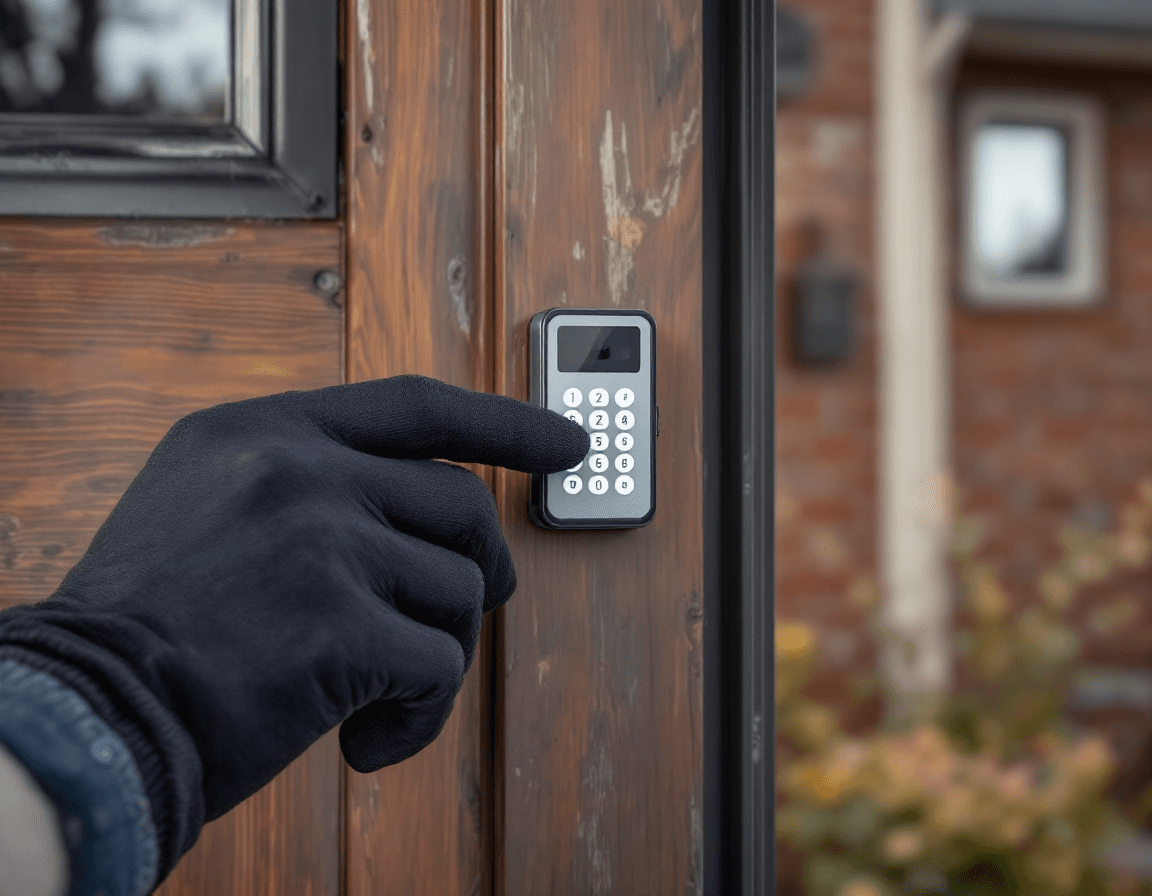
Garage door remote and keypad service in Milton, WA is one of the most common small calls we take, and it is often the most frustrating for homeowners. A remote that worked last month suddenly fails when you pull into the driveway, or a keypad rejects a code you have used for years. Milton sits in the Puyallup River valley along the Pierce County line, where older single-family homes, detached garages, and a mix of newer builds share the same streets. Many of these garages were built with first-generation openers, so the remotes and keypads on them range from decades-old units to recent models.
Our technicians handle remote programming, keypad installation and troubleshooting, and in-car opener pairing for homes across the 98354 area and the surrounding neighborhoods near Milton City Hall. Most of these visits take a single appointment, and the work is generally straightforward once we identify which part of the system is failing. Pricing for this service runs $65 to $185 depending on what needs to be done, and any new remote or keypad is billed separately. We will walk you through the options before anything is replaced, so you know what you are paying for.
This page explains the most common reasons remotes and keypads misbehave in Milton, how we diagnose them, and what you can reasonably check yourself before calling. It also covers lost remotes, car pairing, and the limits of DIY work, especially anything involving the springs or cables. If you are dealing with a stubborn remote right now, the sections below should help you narrow down the cause. If it turns out the problem is bigger than a remote, we will tell you that plainly.
Why Milton Garages Tend to Need Remote Work Early
Milton has a lot of homes where the garage is the primary entry point, especially for families who use the side or rear door less often. That makes the remote and keypad a daily tool rather than an occasional convenience, and small failures get noticed quickly. Many of the openers we see in this part of Pierce County have been in service for ten years or more, and some were installed by previous owners whose paperwork is long gone. Without a record of the original remotes, homeowners often do not know what they own.
Older systems also tend to be more sensitive to the small changes that come with age. Remote buttons wear out, circuit boards collect dust and moisture, and the receiver on the opener can drift in sensitivity over time. A system that works at ninety-five percent reliability can feel unreliable when it fails at the worst possible moment, such as during a rainstorm when you are juggling groceries. We see plenty of cases where the hardware is fine, but the programming or the receiver has simply aged out of its best performance.
Because so many of these calls come from households that rely on the garage every day, we aim to resolve the issue in one visit when possible. That means testing the remote, the receiver, the antenna, and any keypad before recommending a replacement. It also means checking whether the opener's safety sensors are clear, since a sensor problem can look like a remote problem when the door refuses to close. A quick, thorough look usually saves a second trip.
Reading the Symptoms: Intermittent Remotes and Weak Batteries
An intermittent remote is one of the trickiest symptoms to diagnose, because it may work six times in a row and then fail on the seventh. Homeowners often assume the remote is broken, but the cause is usually a combination of weak battery output, a worn button contact, or range issues caused by the car, the building, or nearby interference. In Milton, we frequently find remotes that were stored in a glovebox or a damp garage for long stretches, where moisture and temperature swings slowly degrade the contacts and the battery.
A simple first check is the battery, but not every battery is equal. Many openers use small coin-cell batteries such as CR2032 or CR2025, and a battery that reads a healthy voltage on a meter can still sag under the load of a transmission. Cheap batteries purchased in bulk sometimes perform poorly after a few months. If you replace a battery and the remote still behaves inconsistently, the next suspect is the button pad or the internal contact.
Here are the symptoms we most often hear described, along with the first things to check:
- The remote works only when you are standing close to the door, but fails from the driveway or street.
- One button works reliably while another button is inconsistent, which usually points to a worn contact pad.
- The door responds on some presses and not others, even with fresh batteries, which can indicate a receiver or antenna issue.
- The remote's indicator light is dim or does not light at all, suggesting a dead battery or a damaged circuit.
- Range seems to shrink suddenly after a storm, a power outage, or a change in the opener's location.
If the remote is intermittent only in one spot, consider what is nearby. Metal shelving, a freshly installed LED light fixture, a new Wi-Fi router, or even a chest freezer can affect signal strength in a small detached garage. We often reposition the receiver antenna or move the interfering device to restore consistent range. These are small adjustments, but they can make a large difference.
Frequency, Rolling Codes, and Why Old Remotes Stop Matching
Most modern garage door openers use rolling code technology, which changes the transmitted code every time the remote is used. This protects against signal copying, but it also means the opener and the remote must stay synchronized. If a remote is pressed many times out of range, or if it is used on a different device by accident, the codes can drift apart. The system is designed to tolerate some drift, but in some cases a remote will stop communicating until it is reprogrammed.
Frequency matters too. Many openers operate on 315 MHz, while many newer models operate on 390 MHz, and a remote from one frequency family will not talk to a receiver built for the other. Homeowners sometimes buy a universal replacement without checking the frequency, then wonder why nothing happens. We check the existing remote label, the opener's manual, and the receiver board before recommending a compatible replacement. Getting the frequency right at the start is the single best way to avoid returning a part.
Brand also affects programming. Chamberlain, LiftMaster, Genie, Craftsman, and other manufacturers each use slightly different learn-button procedures, and some older models use dip switches rather than a single learn button. We have seen cases where a previous owner programmed a remote in a way that confused the system, or where a missing learn button made reprogramming look impossible. Most of these situations are solvable once we identify the exact model and its programming sequence.
Keypad Won't Accept Your Code: Diagnosing the Usual Suspects
A keypad that refuses your code is one of the most common complaints we hear in Milton, and it can happen for reasons that have nothing to do with the code itself. Exterior keypads spend their lives exposed to rain, road spray, dust from the Puyallup valley, and seasonal temperature changes. Over time, moisture can cause the buttons to stick, the contacts to corrode, or the keypad's internal board to misread presses. A keypad that works in July may fail in January simply because the cold has changed how the materials respond.
Before assuming the keypad is broken, confirm the code. Some keypads require a specific number of digits, some lock out after several incorrect attempts, and some have a temporary lockout period that resets after a few minutes. If you or a family member changed the code recently, the old one may still be in use somewhere else. We recommend trying the code slowly and making sure each button is pressed firmly, because light or partial presses can register as the wrong digit.
If the code is correct and the keypad still refuses it, the issue is usually either a wiring fault, a receiver mismatch, or a failing keypad board. Wired keypads depend on clean connections at the opener and at the keypad, and a loose or corroded wire can cause random failures. Wireless keypads rely on the same kind of radio link as remotes, so they can suffer from the same interference and battery issues. We test the keypad on the opener side, check the wiring, and verify whether the keypad needs reprogramming or replacement.
Adding an Exterior Keypad Near Your Milton Entry
Many homeowners want an exterior keypad so that family members, dog walkers, or contractors can enter the garage without carrying a remote. This is a practical upgrade, but it requires some planning. The keypad should be mounted in a location that is protected from direct spray and easy to reach, and it should not be placed where a vehicle could damage it while backing out. In Milton's older driveways, we often see keypads mounted on a post or a side wall near the walkway, which keeps them out of the way of mirrors and bumpers.
Installation is typically straightforward when the opener already supports a keypad. The technician confirms compatibility, runs or connects the wiring, mounts the keypad with weather-resistant hardware, and programs a code. Some newer keypads are wireless and can be placed without running low-voltage wire, which is useful for detached garages or older homes where wiring access is limited. Wireless keypads still need solid placement, because metal siding, dense framing, or distance from the opener can reduce reliability.
Code management is part of the job as well. We recommend choosing a code that is not easy to guess, avoiding obvious sequences such as birthdays or repeated digits, and keeping a written record in a secure location. If you want to give temporary access to a contractor or family member, ask the technician whether your keypad supports multiple user codes or time-limited access. Thinking about these details during installation helps keep the system both convenient and secure.
Pairing Your Car's HomeLink Buttons
Many vehicles sold in the last decade include built-in garage door buttons, often labeled HomeLink, and they can be trained to operate your opener without carrying a separate remote. Milton drivers often ask us why their car's buttons stopped working after a battery change, a vehicle repair, or a switch to a new opener. The good news is that most pairing problems are fixable. The challenge is that the procedure differs by vehicle make and by opener brand, so there is no single method that works for everyone.
The usual process involves holding the car's trained button while pressing the opener's learn button, then pressing the car's button again to confirm. Some systems use a rolling code and require a sequence of presses with a brief pause between them, while others need the car's engine running or the key in a specific position. If the opener is an older model, it may need a different approach, or it may require a compatible receiver upgrade. We check the vehicle and the opener model before attempting the pairing, which avoids repeated trial and error.
Pairing problems can also come from interference or range. A car parked too far from the door, a metal garage wall, or a nearby transmitter can prevent the signal from reaching the opener. If the car's buttons work only when the vehicle is pulled in at a specific angle, the antenna placement or the opener's receiver location may be the cause. We will test the car's signal strength and recommend a practical fix when the problem is not simply a missed programming step.
Lost Remote: Erasing Codes and Re-Securing the Door
A lost remote is a security concern, not just an inconvenience. Anyone who finds that remote may be able to open your garage door, and in a residential setting that can mean access to tools, bikes, vehicles, and the door into the house. We recommend treating a lost remote as a priority and erasing its code from the opener as soon as possible. Most openers have a way to clear all programmed remotes, usually by holding the learn button until an indicator light flashes or the opener chirps.
Erasing all codes is only the first step. After clearing the memory, reprogram each remote you still own, including the car's built-in buttons and any wall-mounted keypad codes you want to keep. If you have a remote you cannot locate and you do not want to erase every code, some openers allow you to check the number of remotes stored in memory. Keeping a short list of what is programmed makes it easier to spot anything unexpected in the future.
Consider the rest of your security setup as well. A lost remote is a good reason to review your keypad code, your emergency release cord, and any smart opener app access. Make sure the release cord is not hanging over the vehicle, and ask whether the opener supports a secure app login or a rotating code. If you live in a shared driveway or a rental, let the property manager know, because access rules may apply. We can help you re-secure the door in a single visit, and we will point out any other weak points we notice.
What Our Service Covers and What It Costs
Our remote and keypad service includes testing the remote and receiver, reprogramming remotes, diagnosing keypad failures, installing or replacing an exterior keypad, and pairing the car's built-in opener buttons. The typical price for this work in Milton is $65 to $185, depending on the complexity of the job, the opener model, and how many devices need attention. Any new remote, keypad, or receiver part is billed separately, and we will quote the part before installing it so there are no surprises.
Several factors affect the final cost. A simple reprogramming of one remote on a common model is generally on the lower end of the range, while a multi-device job, a wired keypad installation, or a compatibility issue with an older opener can move the price higher. We aim to explain the difference before we start, and we avoid recommending upgrades that are not needed. If a replacement remote is the right solution, we will identify the correct frequency and style so you do not pay for a part that will not work.
It is also worth knowing what this service does not include. Remote and keypad work does not cover spring replacement, cable repair, track alignment, or major opener repairs, which are separate jobs with their own safety considerations. If we discover a bigger issue during a remote visit, we will tell you what we found and give you a clear estimate for the additional work. You are never obligated to approve it on the spot.
Pacific Northwest Weather and Your Remote Hardware
Western Washington's climate is kind to lawns and hard on electronics. Milton's damp winters, frequent drizzle, and occasional heavy rain expose outdoor keypads and exterior sensors to constant moisture. Humidity can creep into battery compartments and corrode contacts, while cold snaps can make batteries lose capacity faster than usual. Even inside a garage, condensation can form on metal surfaces when temperatures swing overnight, and that moisture can reach small remote components.
Summers bring their own challenges. Sun exposure can fade keypad labels, warp plastic housings, and stress seals, especially on south- or west-facing walls. A remote left on a dashboard can overheat, and a battery exposed to high temperatures may lose performance quickly. We recommend keeping spare remotes and batteries indoors, away from direct heat, and checking exterior keypads for seal damage each season.
Seasonal maintenance can prevent many of these problems. Wiping down keypad buttons, checking the keypad's mounting screws, and testing each remote before winter can catch issues early. If you notice water inside a keypad housing or a remote, stop using it until it is dry and inspected, because moisture plus electrical current can cause permanent damage. Our technicians see the effects of Milton's weather regularly, and we can recommend weather-appropriate hardware when a replacement is needed.
Safety Boundaries: What Stays With a Licensed Pro
Remote programming and keypad work are generally low-risk tasks, but the garage door system as a whole involves heavy components under high tension, and that changes the picture. Torsion springs and extension springs store enormous amounts of energy, and improper handling can cause serious injury. We always recommend that homeowners leave spring adjustments, spring replacement, cable work, and drum repairs to a licensed, bonded, and insured professional. Attempting these tasks without training and proper tools is one of the most dangerous home repairs a person can attempt.
Even when the remote problem seems simple, it is worth knowing where the safe boundary sits. If the door is off track, bent, or making loud grinding noises, stop using the opener and call for an inspection. If you see a frayed cable or a broken spring, keep people and pets clear of the door and avoid manual lifting. A door that falls unexpectedly can cause injuries, and a remote is not a substitute for a professional assessment of the mechanical system.
Our technicians are trained to recognize when a remote call has revealed a larger mechanical issue, and we will stop and explain the situation before proceeding. We will not push you toward unnecessary repairs, but we also will not ignore a safety concern. If the job crosses into spring or cable territory, we will tell you directly and recommend the appropriate next step.
Choosing the Right Replacement Remote or Keypad
When a remote or keypad truly needs replacing, the choice depends on the opener model, the frequency, the desired features, and how the system will be used. A basic replacement remote may be enough for a household that wants simple open and close control, while a multi-button remote or a smart keypad may suit a family that wants separate controls for the garage, the gate, or a second door. We match the replacement to the existing system so that the new part works reliably with the opener you already have.
Keypad choice involves a few additional considerations. Backlit keys can help in dim conditions, but they may use more power. Weather-resistant housings are a must for exterior mounting in Milton's climate, and tamper alerts or lockout features can add security for homes with frequent visitors. Some keypads support multiple codes and scheduled access, which can be useful for rental properties or households with rotating caregivers or service providers.
Before buying any replacement, have the opener model number ready, and if possible, check the frequency printed on the existing remote or the receiver board. A quick call or visit can prevent expensive mistakes and make sure the new part is compatible. We will explain your options, recommend what fits your opener, and program the new device so it is ready when you leave.
If you are dealing with a remote, keypad, or car-pairing problem in Milton or nearby, call Seattle Garage Door Fix at (888) 799-3819 to schedule service. Tell us the opener brand if you know it, describe what the remote or keypad is doing, and we will help you get the door working reliably again.