
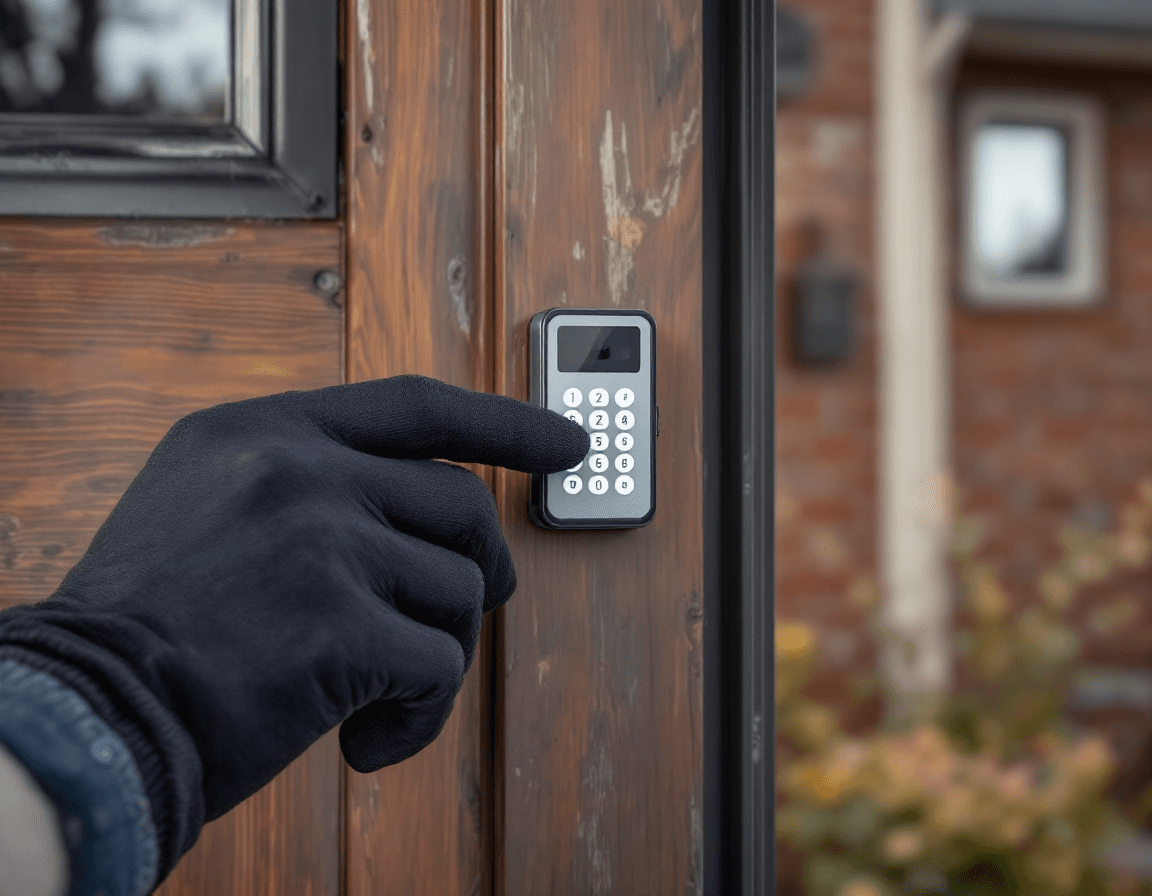
Garage door remote and keypad service in Burien, WA is one of the most common calls we handle, and it is often the easiest fix on the list. A remote that quits or a keypad that rejects a code usually points to a battery, a stored code, or a simple setting on the opener, not a failed motor. Still, the damp winters and salty air along the Sound can make small electronic problems show up at the worst times, like when you're pulling in after dark with a load of groceries. Knowing what is going on helps you decide whether to reprogram, replace, or call someone out.
Burien homes cover a wide range of styles, from older bungalows near the historic core to newer builds on the hillsides, and the openers in them are just as varied. Some garages still run older 315 MHz units, while many installed in the last decade use 390 MHz rolling-code systems. Our technicians check which system you have before touching anything, because a remote that works perfectly on one opener will never talk to another. That single step prevents most of the back-and-forth that frustrates homeowners who try to program things on their own.
This page explains how we approach remote programming, keypad installation and troubleshooting, and in-car opener pairing for homes across Burien and nearby neighborhoods. You'll find practical guidance on symptoms, what affects pricing, and when a problem belongs to a licensed technician rather than a DIY weekend project. Our service pricing runs from $65 to $185 for the labor involved, and any new remote or keypad is priced separately. Read on for the details, and call (888) 799-3819 if you would rather have someone look at it today.
Why Remote Signals Struggle in Burien's Damp, Salty Air
Western Washington is famous for its drizzle, but what really affects electronics here is the combination of persistent moisture and temperature swings. A remote stored in a jacket pocket, a glovebox, or a cup holder can absorb humidity over a wet winter, and the buttons and battery contacts start to corrode. Homes closer to the water, including parts of Three Tree Point, can see extra salt residue that settles on exterior hardware and the keypads mounted beside the driveway. Those conditions do not destroy a remote overnight, but they make intermittent failures more likely over a few seasons.
Many Burien garages also sit on sloped driveways or share walls with neighboring homes, which can change how signals travel. Metal siding, a steel garage door, or a dense row of trees can reduce the effective range of a remote, so a button that works fine at the curb may fail when you are three feet away from the door. In the Gregory Heights area and other hillside pockets, we often see homeowners blame the opener when the real issue is the angle they are holding the remote or a thick wall of framing between the car and the motor. Testing from several spots helps separate true faults from simple range limits.
Seasonal changes matter too. Cold mornings can slow down a weak battery, and a remote that works fine in July may hesitate in January. We recommend checking battery condition at the start of fall so you are not discovering a dead remote on a rainy evening. Keeping remotes indoors, in a dry drawer, and away from the car's dashboard heat will extend their life considerably.
Reading the Signs: Intermittent Remotes and Dying Batteries
An intermittent remote is one of the most confusing symptoms because it works sometimes and not others. Most often, the cause is a battery that is losing voltage under load, a worn button contact, or moisture that has crept into the circuit board. Before calling anyone, try a fresh battery of the correct type, press the button firmly for a full second, and stand within a few feet of the motor unit. If the door responds consistently at close range but fails from the driveway, the remote is likely fine and the problem is either range or interference from something nearby.
Our technicians usually start with a short checklist to narrow things down quickly. This keeps the visit efficient and helps us decide whether the fix is a simple reprogram or a replacement remote. Homeowners can run through these checks themselves before reaching out:
- Replace the battery with the exact type printed on the remote, and confirm the polarity.
- Test the remote at the door, then from the driveway, and note whether range changes.
- Look for the status light on the motor unit when you press the button, which confirms the signal is received.
- Check whether the problem affects just one remote or every transmitter you own.
- Inspect the remote for cracked housings, swollen buttons, or green residue on the contacts.
If only one remote fails after all of these checks, the transmitter itself is usually the culprit. If every remote fails, the issue more often lives in the opener's receiver, the antenna wire, or the wall control. Those are areas where a licensed technician should take the lead.
Frequencies, Rolling Codes, and What Your Opener Actually Uses
Garage openers communicate with remotes using radio frequencies, and the two you will hear about most are 315 MHz and 390 MHz. Older openers and many budget models use fixed codes at 315 MHz, while many newer systems use rolling-code technology at 390 MHz that changes the signal every time you press the button. Rolling codes are designed to prevent thieves from recording and replaying a signal, which is a meaningful security improvement for a home that sees a lot of traffic.
This matters because remotes are not universal. A replacement remote must match the frequency and encoding of your specific opener, and mixing components can lead to frustrating results. Some newer openers also support multiple code systems, which is why a technician should identify the model and check the learn-button configuration before ordering anything. We would rather spend an extra few minutes confirming compatibility than sell you a remote that will never pair.
Rolling-code systems also have a practical side effect. If a remote is pressed many times out of range, the opener and remote can fall out of sync, and the door may stop responding until the codes are resynchronized. Many homeowners interpret this as a broken remote when it simply needs a correct resync procedure. Knowing the difference saves time, money, and a lot of confusion on a rainy morning.
Programming a New Remote Without Guesswork
Programming a new remote is usually straightforward once you know where the learn button is located. On most openers, you will find a colored button on the motor unit, often near the light lens or on the side panel, that you press briefly to enter learning mode. The indicator light begins to blink or stay lit, and you then press the button on the new remote within a set window, which varies by manufacturer. Missing that window is the most common reason people think the process failed.
Our technicians handle programming with care because a few mistakes can cause trouble later. We confirm that the remote is compatible, program it, test it from the driveway and from inside the garage, and check that the auto-reverse safety features still work normally. We also verify that no unauthorized or old remotes remain stored in the opener's memory unless you have asked us to keep them. If you have a second vehicle or a family member who needs access, we can program multiple remotes in the same visit and label them clearly for you.
Battery type and remote count are the two details that homeowners often forget to mention. A four-button remote can usually be programmed to control more than one door or accessory, but the opener must support it. We will explain what your system can handle before we start, so you know exactly what you are paying for and what to expect at the end of the appointment.
Keypad Won't Accept Your Code: Diagnosing the Problem
A keypad that refuses your code is frustrating, especially when you are standing outside with a bag in each hand. The first thing to check is whether you are entering the correct code length and pressing the buttons firmly enough for the keys to register. Many keypads require a clear press and will reject partial entries without any visible error. If the keypad lights up but does not open the door, the code itself may not be stored in the opener's memory.
In other cases, a keypad with backlighting or a touch surface can be affected by rain, condensation, or grime. Burien's wet weather often leaves a film of moisture on the buttons, which can cause phantom presses or failed entries. Cleaning the surface with a soft cloth and checking the seal around the housing helps, though a keypad that is cracked or has water inside will need replacement. We inspect for these conditions before recommending a new unit.
Sometimes the issue is simply that the keypad was never fully set up, or that a previous owner changed the code without leaving instructions. In those situations, we can reset the code, store a new one, and confirm that the keypad communicates with the opener. We will tell you plainly whether the keypad can be repaired or should be replaced, and what each option will cost in parts and labor.
Mounting an Exterior Keypad Where Rain Cannot Reach It
Adding an exterior keypad is one of the most popular upgrades we perform, especially for families who share a garage with teenagers, cleaners, or house-sitters. The keypad lets you open the door without carrying a remote, and you can change the code if access needs to be revoked. The main challenge in Burien is choosing a location that stays dry, stays visible, and does not sit in a spot where wind-driven rain pools on the wall.
Mounting height and orientation matter more than most people realize. A keypad placed too low can collect splash from the driveway, while one placed in a shady recess may stay damp for days after a storm. We typically look for a spot on the wall beside the garage door, under an eave if possible, and at a height that is comfortable without being exposed to direct spray. Wiring the keypad properly protects the connections from moisture and keeps the system reliable over time.
Some keypads are wireless and some are hardwired, and each has tradeoffs. Wireless models are easier to install on finished walls but depend on battery life and clear signal paths. Hardwired models require more work but tend to stay consistent through heavy use and cold snaps. We will help you weigh the options based on your wall construction, how often the door is used, and whether you want the keypad to integrate with other smart-home features.
Pairing Your Car's HomeLink Buttons in Burien Driveways
Many newer vehicles include built-in garage door buttons, often labeled HomeLink, that can open and close your door without a separate remote. Pairing these buttons is convenient, but it is also one of the most common areas where homeowners get stuck. The process usually involves holding the car's button while pressing the opener's learn button, then waiting for a signal that the codes have matched. Some vehicles require a specific sequence, and the instructions in the owner's manual are not always clear.
Our technicians pair in-car openers for many makes and models common in Burien neighborhoods, and we always verify that the car's system is compatible with your opener before we begin. Some older openers and certain rolling-code systems do not work with built-in car buttons, and in those cases we will explain your options, which may include a compatible universal transmitter or a remote that clips to the visor. We will not promise results we cannot confirm, and we will be honest about which vehicles and openers we expect to pair cleanly.
A detail that often goes unnoticed is the car's battery condition. A weak battery can cause the car's transmitter to produce a weaker signal, which may make pairing or daily use feel unreliable. If you notice the car's button works only some of the time, have the vehicle's battery checked before assuming the opener is at fault. This is one of several cases where a quick diagnostic call can save money on parts you do not need.
Lost Remote Protocol: Locking Out Former Access Holders
A lost remote is a security issue, not just an inconvenience. Anyone who finds or steals a transmitter could enter the garage and potentially access the home, so it is worth acting quickly. The safest approach is to erase all stored remote codes from the opener's memory and then program only the remotes you still control. Many openers have a clear-all button on the motor unit, but the exact procedure differs by manufacturer, so it helps to have a technician confirm it.
Once the codes are cleared, we reprogram your remaining transmitters and any keypads you want to keep active. We also recommend reviewing who has keypad codes and whether any old codes need to be changed. Families who have had roommates, contractors, or former partners with access often find that a lost remote is the moment they realize how many codes are still active. A single visit can clean up the entire list.
Here is a practical sequence homeowners can follow while they wait for service:
- Note the date and location where the remote was last used, in case you need to report it.
- Avoid leaving any remaining remotes in the car or on a hook near the entry door.
- Change keypad codes if you suspect someone else may know them.
- Schedule a technician to erase stored codes and reprogram your trusted transmitters.
- Ask for a written list of active devices so you can confirm everything matches your records.
Taking these steps closes the gap that a lost transmitter creates, and it gives you peace of mind without replacing the entire opener.
Pricing, What Is Included, and Where Parts Are Extra
Our labor for remote programming, keypad installation and troubleshooting, and in-car opener pairing falls in the range of $65 to $185, depending on the complexity of the job. Simple reprogramming of a single remote typically sits at the lower end, while adding a hardwired exterior keypad or diagnosing an intermittent system will generally cost more. The final figure depends on what we find on site, which is why we explain the scope before we begin any work.
New remotes and keypads are priced separately from labor, because part costs vary by brand, frequency, and features. We will quote the hardware you need, present options when more than one solution exists, and never install a part you have not approved. If your existing remote is compatible and only needs a battery or minor cleaning, you will not pay for a replacement you do not need. Transparency about parts is one of the things we take seriously across all our Burien service calls.
It is also worth asking what the visit includes. A complete remote service call should include testing the door's safety reversal, confirming the learn button works, and verifying the final result from both inside and outside the garage. If the problem reveals a larger issue, such as a failing logic board or damaged wiring, we will describe it clearly and let you decide how to proceed. You should leave the appointment knowing exactly what was done and what, if anything, still needs attention.
When Remote Trouble Signals a Bigger Garage Door Problem
Sometimes a remote problem is only the first symptom of something more serious. If the door reverses unexpectedly, moves unevenly, makes grinding noises, or stops partway through its travel, the issue may involve the springs, cables, or track rather than the transmitter. Those components store significant tension and can cause serious injury if handled incorrectly. Spring and cable work should never be attempted by homeowners, and it should always be performed by a licensed, insured technician who has the right tools and training.
Burien's weather plays a role here too. Repeated wet-dry cycles can speed up corrosion on hinges, rollers, and tracks, and cold snaps can stress springs that have already weakened. If your remote works but the door struggles, do not assume the opener is the only thing to check. A short inspection can identify whether the door is balanced and whether any hardware needs attention before the problem grows.
If you are unsure, it is safest to stop using the door manually and call for help. Keep children and pets clear of the door while you wait, and do not attempt to force the door open or closed. We are happy to assess the entire system during a remote-related visit so you understand what is working and what needs professional repair.
Scheduling Service Across Burien and Nearby ZIP Codes
We provide remote and keypad service throughout Burien and the surrounding area, including homes in ZIP codes 98146, 98148, 98166, and 98168. Whether you live near Olde Burien, out toward Three Tree Point, or in the Gregory Heights neighborhood, the same process applies: we confirm your opener type, identify the remote or keypad involved, and give you a clear quote before any work begins. Availability varies by day, so calling ahead is the best way to find a convenient time.
When you call, have a few details ready so the technician can prepare. Note your opener brand if you know it, the number of remotes you need to program, and whether you want a keypad or in-car pairing added. If you have a model number from the motor unit or a photo of the remote, send it along. That information helps us bring the right parts and reduces the number of return trips.
Burien homeowners deserve reliable service that respects their time and their budget. Our team is licensed, bonded, and insured, and we approach every remote and keypad call with the same care we bring to larger repairs. Clear communication, honest pricing, and dependable follow-through are the standards we hold ourselves to on every visit.
Ready to get your remote, keypad, or car opener working again? Call Seattle Garage Door Fix at (888) 799-3819 to schedule service in Burien, and we will walk you through the next steps.