
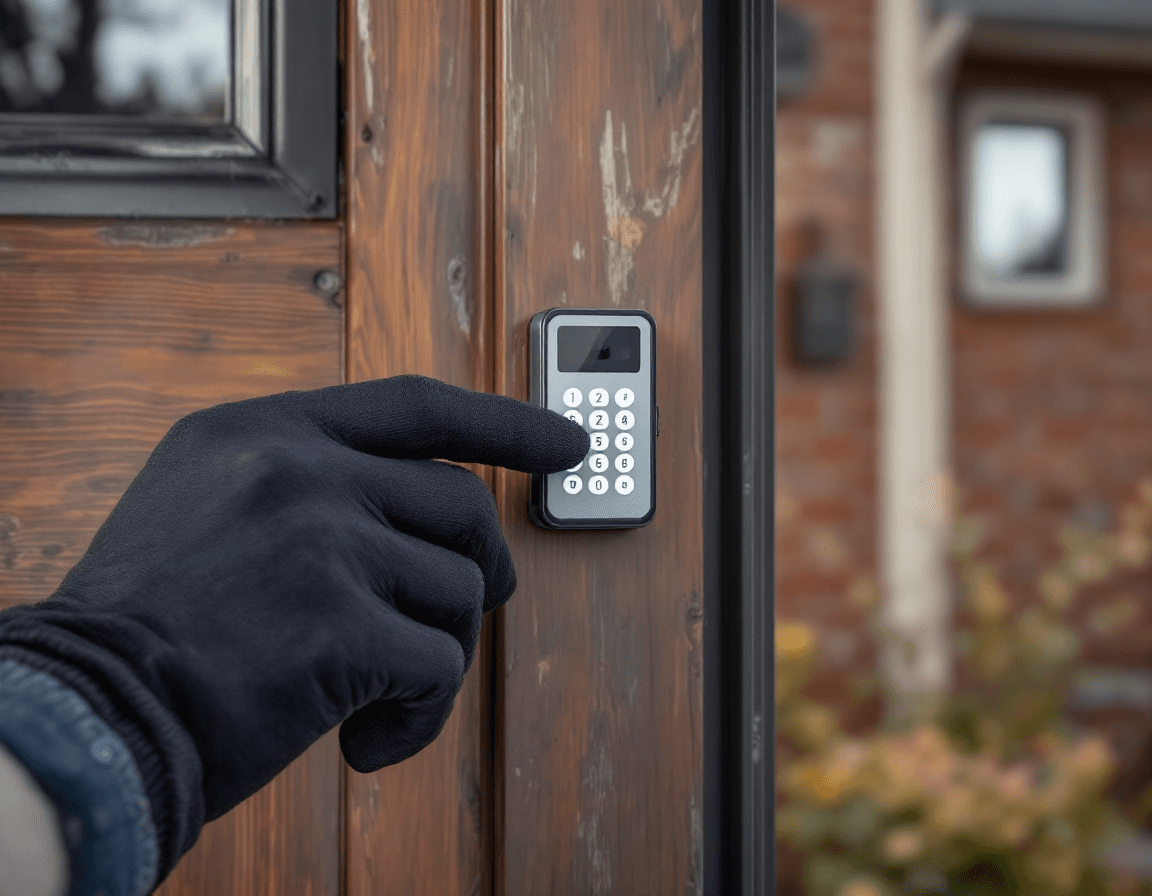
Garage door remote and keypad service in Tukwila, WA covers the small but frequently urgent problems that keep you from getting in and out of your home. A remote that works on Tuesday and fails on Thursday, a keypad that rejects a code you have used for years, or a car that no longer opens the garage can turn an ordinary morning into a scramble. Our technicians handle remote programming, keypad installation and troubleshooting, and in-car opener pairing for homes across Tukwila, and we bring the parts and diagnostic tools to most jobs on the first visit. Our service for these items generally runs from $65 to $185 depending on the work involved, plus the cost of any new remote or keypad you choose.
Tukwila sits in a useful but busy spot in King County. Homes here range from older single-family houses with detached garages to newer townhomes where the garage door shares a driveway with neighbors. Many households are a short drive from Southcenter, and the surrounding streets carry steady traffic, delivery vehicles, and commuters heading toward the freeway corridors. All of that activity means more radio signals in the air, and more opportunities for a remote to struggle to reach its receiver. Understanding what changes when your remote stops performing is the first step toward fixing it quickly.
This page explains the most common remote and keypad problems we see in and around Tukwila, what causes them, what a typical service visit involves, and where the safety limits are. We also describe when a remote or keypad issue is really a sign of a larger problem that needs a licensed professional's attention. Whether you live near Tukwila Village, in the Allentown area, or on a quieter residential street within the 98168, 98178, or 98188 ZIP codes, the goal is the same: get you back to reliable access with the least hassle and no unnecessary parts.
Why Remotes Lose Their Reach During Pacific Northwest Winters
Western Washington winters bring long stretches of drizzle, low cloud cover, and humidity that can hang around for weeks. Moisture is hard on the small electronics inside a handheld remote, especially if the remote lives in a cup holder, a jacket pocket, or a car door panel that sees daily temperature swings. We frequently find remotes with corroded battery contacts or a faint green residue on the circuit board after a wet season. A weak battery combined with a little corrosion can produce a signal that is just strong enough to work when you hold the remote close to the door, and too weak to work from the end of the driveway.
Temperature changes add another layer. Cold mornings can thin out a battery's output, and a remote that worked fine in July may begin to hesitate in January. Many people notice the problem only when they are carrying groceries or juggling a child's backpack, which makes the remote seem unreliable when the real issue is a tired battery or a moisture-affected button. Replacing the battery with a fresh one of the correct type is always the first inexpensive check, and it often resolves the problem entirely.
Keep in mind that the battery is not the only variable. Remote buttons can stick slightly when they swell with humidity, and the rubber contact pad underneath may stop making reliable contact with the circuit board. Cleaning the battery terminals and the contact area with a dry cloth, and making sure the battery sits firmly in its compartment, can bring a surprising amount of performance back. If the remote still behaves erratically after these steps, the problem is more likely internal, and replacement or professional testing becomes the sensible path.
Diagnosing a Remote That Works Only Some of the Time
An intermittent remote is one of the most frustrating symptoms because it defies simple testing. The door opens perfectly on one attempt and does nothing on the next, and the homeowner begins to suspect the opener itself. In most cases, the first step is determining whether the problem lives in the remote, the receiver, or the environment between them. Pressing the button while standing right next to the garage door motor's wall control, and then repeating from the same spot outside, helps separate a transmitter problem from a range or interference problem.
Interference is more common than most people expect. Nearby electronics, certain LED lighting controllers, wireless doorbells, and other garage-door remotes operating on similar frequencies can briefly drown out the signal your remote sends. Because Tukwila has plenty of dense development and mixed-use buildings, a remote parked near a neighbor's wall or inside a vehicle that sits close to a shared driveway can behave differently from one day to the next. We often reposition the receiver antenna, check for loose wiring at the opener's learn button area, and confirm that the opener's own frequency matches the remote.
Rolling-code systems, which most modern openers use, add their own wrinkle. The remote and the opener stay synchronized by advancing a code each time you press the button. If you press the remote many times out of range, for example while testing a neighbor's door or repeatedly clicking it in a parked car, the opener can fall out of sync and reject the next command until it is resynchronized. Our technicians can typically restore sync during a service visit, which is usually faster and cheaper than replacing a remote that was never damaged.
Here is a quick homeowner check you can run before calling:
- Replace the battery with a fresh one of the type printed inside the remote, and make sure the battery is seated firmly.
- Stand at the garage door with the remote and press once, then repeat from the driveway at your normal parking spot.
- Test the wall control button to confirm the opener motor responds, which separates a remote issue from a motor or wiring issue.
- Note whether the problem happens near certain buildings, vehicles, or times of day, since that pattern points toward interference.
- Avoid pressing the remote repeatedly from out of range, because that can push the rolling code out of sync.
Replacing a Remote Without Guesswork
Sometimes a remote truly needs to be replaced. It may have cracked housing, a button that no longer springs back, or a battery compartment that has worn out. The mistake we see most often is buying a generic remote online without confirming compatibility with the opener. Remotes are tied to specific frequencies and code systems, and an incompatible unit will never program no matter how many times you attempt the learn procedure. Taking a clear photo of the opener's model label, which is usually on the motor housing or the rail, gives us what we need to match the correct transmitter quickly.
When you order a replacement through us, we confirm the frequency and code type before ordering, so the part arrives ready to program. We then pair the new remote to the opener, test every button you use, and set up the number of buttons you want to control separately. Many households want one remote for each vehicle plus a spare kept by a relative or a trusted neighbor, and we can discuss how many units make sense for your household. Programming a remote is typically a short process once the correct part is in hand.
If you need multiple remotes, it helps to decide early which buttons will control which doors. Some homeowners with a two-car garage or a separate shop building want independent control, which requires multiple receivers or a more advanced system. Others prefer a single remote that opens every door on a shared system. We will explain your options clearly so you are not paying for features you do not need.
Keypads That Reject a Code You Know Is Right
A keypad that refuses your code can make a homeowner feel locked out of their own property, especially in the rain when the keypad is mounted on an exposed exterior wall. Before assuming the keypad has failed, it is worth ruling out simple causes. Keypad buttons can be sluggish when they get wet or cold, and pressing too quickly can cause the keypad to register only part of the sequence. Entering the code slowly, with a firm and deliberate press on each digit, resolves the problem for many people.
Keypads also have internal memory and programming settings that can be altered during a battery change, a power outage, or a previous installation. If the keypad was reset or replaced recently, the stored code may no longer match what you remember. Many keypads need a specific learn or programming sequence to store a new code, and that sequence varies by brand. Our technicians know these sequences for common models and can reprogram the keypad to a code you choose, while documenting the process so you are not guessing next time.
Wiring is another factor. Exterior keypads connect to the opener through low-voltage wiring, and moisture can work its way into connectors where the wires enter the housing. A corroded connector can cause intermittent behavior that looks like a bad code. We inspect the connections, look for water intrusion around the mounting plate, and replace damaged wiring or the keypad itself if necessary. Sealing a keypad correctly during installation makes a big difference in how well it handles Tukwila's wet season.
Adding an Exterior Keypad Near Your Tukwila Entry
Many homeowners add a keypad because they want a way in that does not depend on carrying a remote. This can be especially useful for families with teenagers who forget keys, for household helpers, and for those who park in a shared driveway where a remote is inconvenient to pull out. A keypad also lets you give a temporary code to a contractor or family member without handing over a transmitter that could be lost or copied. Adding one is a practical upgrade for many Tukwila homes.
Placement matters a great deal. We look for a spot that is protected from direct spray, not blocked by a porch overhang angle that traps water, and easy to reach without leaning into traffic or a parked vehicle's path. The mounting surface should be sound, and the wiring route should be short and tidy. In many cases we can run new low-voltage wire from the opener to the keypad location, which keeps the installation clean and reliable over the long term.
Adding a keypad also raises a security question. A keypad with a simple, predictable code is less secure than one with a more random sequence, and many people reuse codes they already use for other accounts. We recommend choosing a code that is not tied to your address, birthday, or phone number, and we can help you set up a schedule of codes for different users if your keypad supports it. We also encourage periodic code changes, particularly after a house sitter or service provider has been given access.
Pairing Your Car's Built-In Opener Buttons
Many newer vehicles include a built-in garage door opener, commonly branded as HomeLink, that can replace a separate remote. Pairing these buttons is convenient, but it is not always obvious how to do it, and the process varies by vehicle model, year, and the opener brand in your garage. Problems often arise when the car's buttons were paired to an old opener that has since been replaced, or when the car's onboard system was reset during a battery change or software update. A car that will not learn the signal can be particularly annoying when you are trying to pull in after a long day.
Our technicians can pair your vehicle's buttons to your garage opener and confirm that the signal reaches the motor from the driveway. We check whether your opener uses rolling code technology, which affects how the car and opener handshake works, and we verify that the programming holds after you turn off the engine. In some cases, a car's built-in system needs a compatible learn procedure that is not documented clearly in the owner's manual, and we bring experience with those variations. If the car's system is not compatible with your opener at all, we will tell you plainly and discuss a separate transmitter as an alternative.
One practical tip is to note the buttons you have already programmed before a visit. If you use more than one button, for example one for each garage door, record which button controls which door so you can confirm the setup after we finish. Keep the vehicle's owner's manual handy, though be aware that the manual may describe only the most common pairing sequence.
Lost Remote: Securing the Door Without Replacing Everything
A lost remote is one of the more stressful situations we handle, because anyone who finds it could potentially open your garage. The good news is that you do not have to replace the entire opener or live with a vulnerable door. Most systems allow you to clear previously programmed remotes from the receiver, which effectively deactivates the lost unit. We can do this during a service visit, then reprogram the remotes you still have and any replacements you choose to add.
The clearing process typically involves holding down the opener's learn button until an indicator light changes or the system confirms that stored codes have been erased. The exact method depends on the opener brand and model, and we verify the result by testing each remaining remote and the wall control afterward. If you have a keypad, we can also review its codes and change any that you believe may be compromised. This combination of steps keeps your garage secure without a costly full replacement.
It is also wise to think about where you keep your remotes. Leaving a remote on the visor of a car parked on the street, or in a bag that gets left in a rideshare, creates unnecessary risk. Some homeowners prefer to keep a single spare remote in a secure location inside the house, and to avoid storing remotes in the same bag as house keys. These habits do not replace good security practices, but they reduce the odds that a lost remote becomes a problem.
What a Tukwila Service Visit Covers and What It Costs
Our remote and keypad service generally falls within a price range of $65 to $185, depending on the complexity of the job. A straightforward remote programming visit or a basic keypad code reset typically sits near the lower end, while installing a new exterior keypad, pairing a vehicle's built-in buttons on an older system, or resynchronizing several remotes may land higher. Any new remote, keypad, or wiring component is billed separately, and we discuss those costs before proceeding so there are no surprises. We believe homeowners should understand exactly what they are paying for.
During a visit, the technician typically begins by asking about the symptoms, reviewing when the problem began, and checking whether the issue affects one remote, all remotes, or the wall control as well. We then test the opener, inspect the receiver and wiring, and verify the remote or keypad in question. If the problem is simple, we often complete the repair on the spot. If the issue reveals a larger problem, such as a failing logic board or damaged safety sensors, we explain what we found and what it would take to address it, without pressuring you into work you did not ask for.
Scheduling is usually straightforward for homes in and around Tukwila, including the 98168, 98178, and 98188 ZIP codes. If you are calling from the Southcenter or Allentown area, mention your general location so the dispatcher can confirm availability. Having your opener's model number, your remote's appearance, and a description of the symptoms ready will shorten the visit. Calling (888) 799-3819 is the fastest way to get a clear estimate for your specific situation.
Keeping Signals Clean in a Busy Commercial-Adjacent Area
Living near a commercial hub has real advantages, including convenient shopping and services, but it also means your garage may sit within range of more wireless devices than a quieter rural home. Retail properties, delivery operations, and multi-unit residential buildings often use wireless access controls, security cameras, and point-of-sale equipment that share radio space with garage remotes. This does not mean your remote will always fail, but it does explain why some Tukwila homeowners notice occasional dropouts that do not appear anywhere else.
We address this by looking at the physical setup first. The receiver antenna should hang straight and clear of metal shelving, appliance cords, and metal framing where possible. Remote buttons should never be pressed through a thick plastic bag or a metal-lined container, because that blocks the signal. We also check whether a nearby device is clearly the culprit by observing when the problem occurs, since patterns tied to specific times of day can help identify interference sources.
If interference persists despite these steps, the solution may involve upgrading to a different frequency or a newer opener with improved signal handling. We will walk through the trade-offs with you, including cost and compatibility, so you can decide whether the improvement justifies the investment. In many cases, a simple antenna adjustment and a fresh remote solve the problem completely.
Everyday Habits That Extend Remote and Keypad Life
A little attention to daily habits goes a long way toward keeping remotes and keypads reliable through the Pacific Northwest seasons. Storing remotes indoors, away from the dashboard of a parked car where temperatures can climb or drop dramatically, helps protect their internal components. Keeping them out of wet pockets, away from rain-soaked jackets, and out of the spill zone in a car's center console reduces the chance of corrosion. These small choices add years to the life of a typical remote.
For keypads, the most useful habit is keeping the surface clean and dry. Wiping away water droplets, leaves, and road grime after storms keeps the buttons responsive and reduces the chance of moisture being trapped against the seal. If you notice green or white crust forming around the contacts or the mounting plate, schedule a check before it spreads. Replacing keypad batteries on schedule, if your model uses them, prevents the frustrating situation where a keypad works only after several attempts.
Finally, consider documenting your setup. Write down the opener brand and model, the remote battery type, the keypad codes you use, and which vehicle buttons control which door. Store this information somewhere safe, such as a note on your phone or a card in a household binder. When a problem arises, having this information ready speeds up diagnosis and reduces the chance of a repeat visit. Good records are one of the simplest ways to keep access reliable.
When a Remote Problem Points to a Safety Issue
Remote and keypad work is generally straightforward, but there are boundaries where a homeowner should stop and call a licensed professional. Anything involving the torsion spring, lift cables, drums, or the door's counterbalance system carries serious risk of injury, because these components store enormous energy under tension. A remote problem can sometimes coincide with a door that is hard to lift, makes grinding noises, or hangs unevenly, and those symptoms need professional inspection rather than a quick DIY fix. We always recommend licensed professionals for spring and cable work, and we are happy to assess the door during the same visit.
A remote that causes the door to reverse unexpectedly or a keypad that seems to activate the door without input also deserves prompt attention. Those behaviors can indicate a wiring fault, a short, or a control problem that affects the safety reversal system. Garage doors are required to reverse when they meet an obstacle, and safety sensors must be aligned and clear of obstruction. If the reversal system is not working correctly, the door should be taken out of regular use until it is inspected.
As a general rule, do not open the opener housing, disconnect the spring system, or attempt to adjust the door's tension yourself. Replacing a remote battery, cleaning contacts, and checking the wall control are reasonable steps for a homeowner. Anything beyond that should involve a licensed technician who can test the system safely and document the work.
Get Reliable Access Back Without the Runaround
If your Tukwila garage remote, keypad, or car pairing is giving you trouble, you do not have to live with unreliable access. Our technicians can diagnose the problem, replace a remote or keypad when needed, and pair your vehicle's buttons so your garage opens smoothly from the driveway. Service generally runs $65 to $185 plus any new hardware, and we will explain costs clearly before starting. Call (888) 799-3819 to schedule a visit or ask questions about remotes and keypads for your home.