
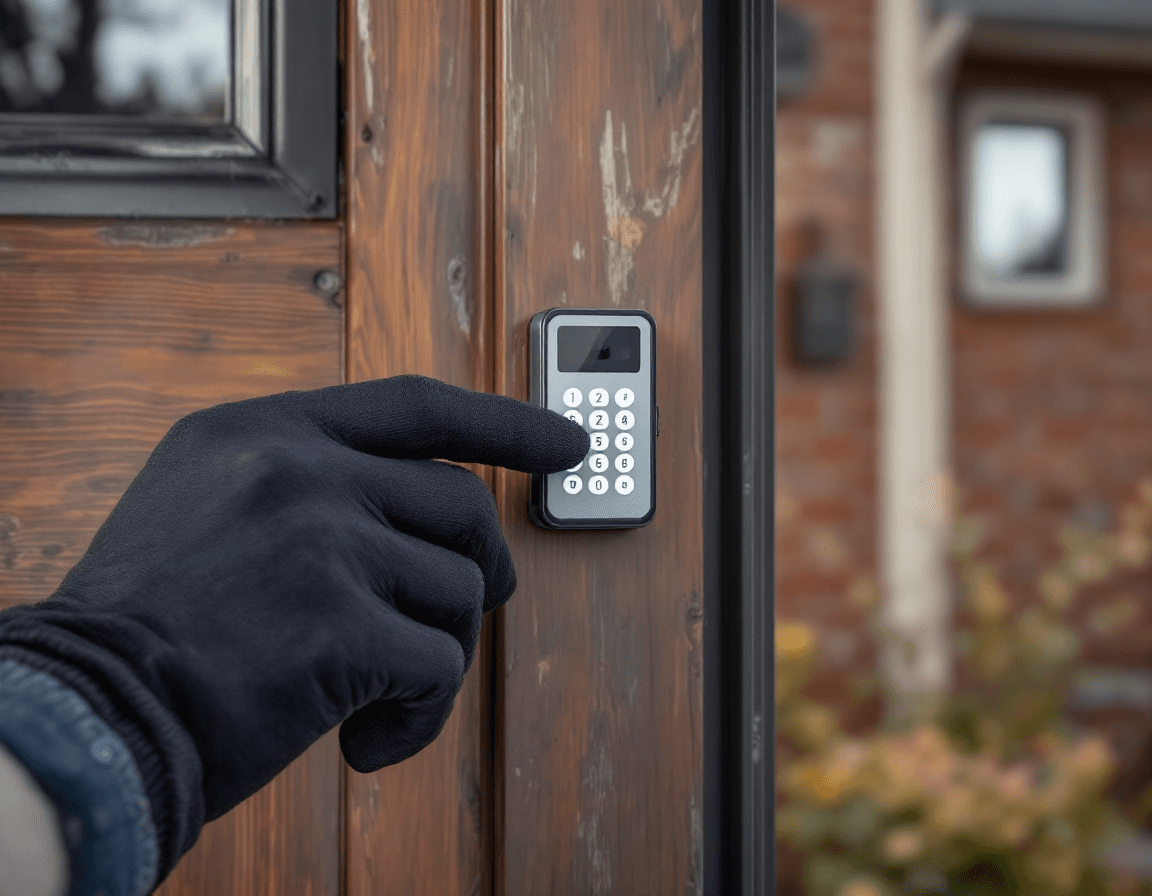
Garage Door Remote & Keypad Service in Seattle, WA covers one of the most common problems homeowners call us about: a remote that worked fine last month suddenly does nothing, or a keypad that rejects a code you have used for years. In Seattle, these problems tend to show up in the rainy months, when the damp air and temperature swings work against small electronics, and they often come with a deadline attached, like getting the car out for work or letting a guest into the house. Our technicians handle remote programming, keypad installation and troubleshooting, and in-car opener pairing for homes across the city and nearby King County communities.
Most of these calls are straightforward, and a good visit usually takes less time than people expect. The service typically runs $65 to $185 depending on what needs to be done, and any new remote or keypad is billed separately. We would rather tell you honestly that a battery swap is all you need than sell you hardware you do not require. The sections below explain what tends to go wrong, how we diagnose it, and when it makes sense to replace equipment instead of reprogramming it.
Why Seattle Remotes Quit Sooner Than You Might Expect
Seattle's climate is mild compared with much of the country, but it is not kind to handheld electronics. Long stretches of gray, wet weather mean moisture gets into keyfobs that ride around in damp jackets, wet cup holders, and car door pockets, and even a small amount of condensation can corrode the contacts on a circuit board. The coin-cell batteries inside most remotes also lose charge faster in cold, damp conditions, so a remote that still lights up may not be sending a strong enough signal to reach the opener. When a remote works only when you stand right next to the door, weak battery and moisture are the usual suspects.
Older homes add their own complications. In neighborhoods like Ballard, Queen Anne, Capitol Hill, and Fremont, many garages were built decades ago, sometimes with metal framing, thick masonry, or aging wiring nearby, and these can weaken radio signals passing from a remote to the receiver on the ceiling. A detached garage off an alley in Rainier Valley or Green Lake may sit farther from the house than the original installer expected, which pushes the remote to its limit. We often find that the remote itself is fine, but the receiver antenna has been bent, shielded, or positioned where it picks up less signal.
Interference is worth checking too. Some remotes lose range because a nearby device operates on a similar frequency, and some keypads act up when the wiring running to them picks up noise. These causes are less common than weak batteries, but they show up often enough that we test for them before assuming the hardware has failed.
Reading the Warning Signs Before the Remote Dies Completely
A remote rarely fails all at once. Usually, it gives you a few clues first. The most common is inconsistency: the door responds on the first press, then ignores the next three, or it opens when you are standing in the driveway but not when you are still on the sidewalk. Another clue is a light that dims, flickers, or takes noticeably longer to respond when you press the button. If you have to press the button several times or hold it down longer than before, the remote is usually telling you it is running low.
Keypads show their own warning signs. A keypad that sometimes accepts your code on the second or third attempt, a backlight that flickers in the rain, or buttons that feel mushy and do not register consistently often point to moisture or a worn membrane. Exterior keypads in West Seattle and Magnolia, where wind-driven rain can push water against the wall for days at a time, tend to show these symptoms first. Acting early costs far less than waiting until the door is stuck open or closed.
It also helps to notice when the problem appears. If the remote fails only during a rainstorm, moisture is likely the cause. If it fails after you have replaced a bulb or changed the openers in your driveway, interference or a shifted antenna becomes more likely. Keeping these details in mind makes the diagnosis faster when a technician arrives.
Programming Remotes and Clearing Old Codes
Programming a replacement remote is one of the most frequent jobs we handle. Most modern openers use rolling-code technology, which means each button press sends a changing code that the receiver must recognize. To add a remote, the technician or homeowner puts the opener's motor unit into learn mode, usually by pressing a small button on the motor housing, and then presses the remote button within the set window. Once the receiver accepts the code, the new remote works alongside any existing ones.
The clearing step matters just as much. Many people assume that adding a new remote automatically removes an old one, but that is not how it works on most systems. If you have lost a remote, every code already stored in the receiver still opens the door, which is a real security issue for a home with a lot of foot traffic or a shared driveway. Clearing the memory erases all stored codes, so every remote and keypad has to be reprogrammed afterward. That sounds like extra work, but it is the only reliable way to lock out a remote you no longer control.
Not every opener follows the same steps, and procedures differ by brand and model. Chamberlain and LiftMaster units, Genie systems, and older Sears or Craftsman models each handle learn mode and memory clearing a little differently. A technician who has worked on many of these systems can usually identify the right process in a few minutes, which keeps the visit short.
Keypads That Refuse Your Code: Common Causes and Fixes
When a keypad refuses a code that used to work, the cause is often simpler than it seems. The first thing to check is whether the keypad has locked itself after too many incorrect attempts, which many models do as a security feature. Some keypads require a wait period before they accept input again, and others need to be reset. Pressing the wrong button sequence repeatedly, or a child practicing codes on the keypad, can trigger this lockout, so it is worth asking the household before assuming something is broken.
Hardware problems are the next thing we look for. Water getting behind the keypad, corroded contacts, and a membrane that has cracked from years of sun and rain all prevent a clean signal from reaching the opener. Wired keypads add another possibility, since loose or damaged wiring between the keypad and the opener can cause intermittent input. We test the connections, check the power supply, and look for signs of moisture before recommending a replacement.
Sometimes the keypad is working perfectly and the code was simply changed. If you have reset the opener, replaced a motor unit, or reprogrammed a remote, the keypad code may have been erased in the process. Many homeowners do not realize that their keypad uses a separate memory from their remotes, so a successful remote programming session does not automatically restore keypad access.
Adding an Exterior Keypad for Side Doors and Alley Access
A growing number of Seattle homeowners want an exterior keypad, especially in houses where the garage opens onto an alley or a back yard. In Ballard, Queen Anne, and parts of Rainier Valley, many properties have rear garages that are used more often than the front door, and a keypad lets family members, contractors, and dog walkers get in without carrying a remote. It also means you do not have to hand out remotes to people who only need access occasionally.
Installation involves choosing a mounting location that is protected from direct rain, sized to be readable from the driver's seat or the walkway, and wired or wireless depending on the opener. Wireless keypads avoid running new wire through exterior walls, which can be a real advantage in older homes, but they still need a clear signal path and a stable power source. Wired models can offer more consistent performance over long runs, although the installation takes more time. We discuss both options during the visit so you can choose what fits the way the garage is used.
Placement and weather protection make a real difference. A keypad mounted under a small overhang or a covered entry usually lasts longer than one exposed to wind-driven rain on a bare post. We also recommend choosing a code that is easy for your household to remember but not obvious to passersby, since the keypad is accessible to anyone who walks up to it.
Pairing Your Car's HomeLink Buttons
Many vehicles built in the last two decades come with built-in garage door buttons, usually marketed under the HomeLink name, and these can be paired with your opener so the car's visor button operates the door. The process generally involves holding the car's programmable button while pressing the existing opener remote, then following a timed sequence. Some vehicles require you to press the button, release it, and press it again when the indicator light changes, and the exact steps vary by manufacturer and model year.
Pairing problems are common for a few predictable reasons. Some newer openers use rolling-code systems that older HomeLink units cannot read, which means the car may need a compatible upgrade or the homeowner may need a different solution. Other problems come from pressing the buttons too quickly, holding them too briefly, or trying to pair while the car battery is low. Sometimes the programmable buttons have been reset during a battery change or a software update, and the pairing has to be done again.
If your car's buttons still will not pair after a few attempts, a technician can determine whether the vehicle or the opener is the limiting factor. We will not promise that every car will pair, because compatibility depends on specific hardware. We will tell you plainly whether a fix is possible and what it will cost if a new remote or receiver is needed.
What a Typical Remote and Keypad Visit Involves
A standard service visit starts with a quick look at the opener, the remotes, and any keypads in use. We check the battery condition, the antenna position, the wiring if applicable, and the general condition of the door's safety sensors, since a remote problem sometimes reveals a sensor misalignment that needs attention. We then test every remote and button you bring with you, which tells us whether the issue is isolated to one device or affects the whole system.
Next comes the programming work. We clear memory if you have lost a remote or want to lock out unknown codes, then program the remotes and keypads you want to keep or add. For HomeLink pairing, we work with your vehicle so the buttons are set up correctly before we leave. Throughout the visit we test the door from inside and outside the garage, at the distance you normally use it, so the results match your daily routine.
Before we finish, we walk through what we found and what we changed. You will know whether the problem was a battery, a moisture issue, a programming error, or a hardware failure, and you will have a clear sense of what to expect going forward. The price range of $65 to $185 covers the service itself, and any new remote or keypad is priced separately so you can decide what makes sense for your home.
Choosing Between a Replacement Remote and a New Keypad
Not every problem calls for new hardware, but some do. A replacement remote is usually the right choice when the existing one is damaged, lost, or consistently failing after battery and moisture checks. Modern remotes are inexpensive compared with the cost of a full opener replacement, and a new one often solves the problem immediately. If you have several remotes and only one is failing, replacing that single unit is typically the most practical path.
A keypad replacement makes more sense when the keypad shows physical damage, persistent moisture inside the housing, or repeated input failures after cleaning and testing. It also makes sense if you want features the old unit lacks, such as a backlit display, a wider code range, or a weatherproof design better suited to an exposed wall. We will explain the difference in cost and value honestly, and we will not push an upgrade if the existing keypad still has years of life left.
Keep in mind that a remote or keypad can only do so much if the opener itself is near the end of its life. If the motor is loud, the door hesitates, or the system has needed repeated repairs, the remote problem may be a symptom of a larger issue. In that case we will say so, and we can discuss whether the opener is worth repairing or whether a replacement is the better investment.
Neighborhood Notes From Magnolia to Rainier Valley
Service needs vary across Seattle's neighborhoods, and it helps to know what a technician is likely to see before arriving. In Magnolia, many homes sit on sloped lots with long driveways, and wind off the Sound can push rain sideways into exposed keypads and garage door receivers. Queen Anne and Capitol Hill have a mix of older bungalows and newer infill homes, so we see everything from original 1970s openers with stubborn receivers to recent units paired with multiple smart remotes. Ballard and Fremont often involve alley garages, where antennas and keypads are mounted higher or farther from the house.
West Seattle homes frequently have attached garages with tight clearances, which can make antenna placement and keypad mounting more challenging. Green Lake and the surrounding blocks often feature detached garages where the remote signal must travel farther, and we see many of the range problems described earlier in those areas. Rainier Valley homes can be a mix of older construction and newer builds, and we regularly work on keypads that have been exposed to years of weather without any covering. Across our service area, from the 98101 downtown core through the 98199 Magnolia and Interbay zip codes, we adjust our approach to the actual conditions of each property rather than applying a single template.
Because the city is spread out and traffic can be unpredictable, scheduling is often easiest when we know the neighborhood and the access situation in advance. Letting us know about gate codes, alley access, or parking restrictions helps us arrive prepared and keeps the visit efficient.
Where We Stop and Why: Spring and Cable Work
We want to be clear about the limits of remote and keypad service. Our programming and troubleshooting visits focus on the electronics that control the door, and they do not include work on springs, cables, drums, or the door's counterbalance system. Those components store significant tension and can cause serious injury if they are handled improperly, even when the door appears to be working normally. If a remote problem reveals a broken spring or a frayed cable, we will stop and recommend a licensed professional for that repair.
This boundary exists for your safety and for the safety of anyone who uses the garage. Homeowners should never attempt to adjust or replace torsion springs or lift cables on their own, and a remote problem should never be treated as an excuse to try a quick fix on the mechanical system. If you notice the door sagging, lurching, or making loud snapping sounds, keep people away from the door and call a licensed contractor before using it again.
Within the scope of remote and keypad work, we are happy to explain what we see and how it connects to the door's overall condition. Being honest about the limits of the visit is part of doing the job responsibly, and it is one of the reasons we recommend a full inspection whenever mechanical wear appears alongside an electronic problem.
Keeping Your Remote Reliable Through Damp Seattle Winters
A few simple habits can prevent many of the problems described above. Store remotes somewhere dry, such as a key hook inside the house rather than in a car door pocket or a damp jacket that hangs by the garage. Replace batteries on a schedule instead of waiting for failure, and consider keeping a spare battery in a kitchen drawer so a dead remote does not leave you stuck outside. Keeping the car's HomeLink buttons clean and checking the visor unit occasionally also helps with reliability.
For keypads, a yearly look at the seals, the faceplate, and the wiring is worthwhile, especially for exterior units in exposed locations. Wiping away dirt and checking for water staining can reveal problems early, and a simple cover or relocation under an overhang can extend the life of the unit considerably. If the keypad backlight dims or the buttons stop responding crisply, schedule a visit before the problem becomes an emergency.
Finally, review who has access to your garage and update the system when that changes. If a tenant moves out, a family member leaves, or a remote goes missing, clearing the memory and reprogramming the devices you still use is the simplest way to keep the door secure. A few minutes of attention each season keeps the remote working when you need it and keeps the garage closed to anyone who should not have access.
If your remote has stopped working, your keypad refuses your code, or your car's buttons will not pair, call Seattle Garage Door Fix at (888) 799-3819. Our licensed, bonded, and insured technicians serve Seattle and surrounding King County neighborhoods, and we will tell you plainly what the repair involves and what it will cost before we start.