
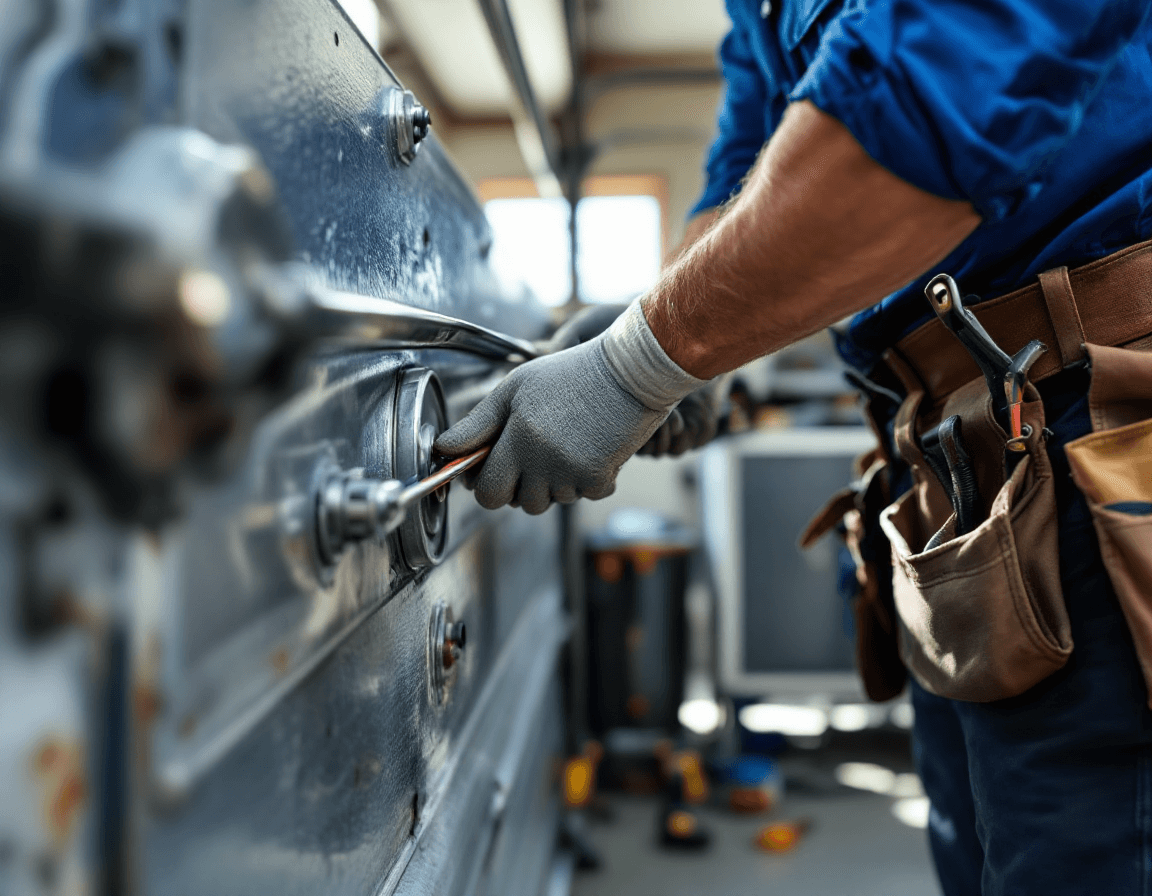
Garage door cable replacement in Tukwila, WA is one of the most common repairs we handle for homeowners across the valley and the hillside neighborhoods around Southcenter. A lift cable is a quiet part of the door system until the day it isn't, and when it fails, the door often stops mid-travel with a loud bang that rattles the whole garage. Our licensed technicians serve Tukwila homes in the 98168, 98178, and 98188 ZIP codes, and we see the same pattern repeatedly: a cable that has been fraying or rusting for months, then gives way during the first cold, wet week of the season. This page explains what those cables do, how to recognize trouble early, and what a professional repair involves.
Tukwila sits in a low, river-influenced part of King County, where the Green and Duwamish rivers shape the land and the damp air settles in during long gray stretches from fall through spring. Homes near Allentown, the older blocks off Tukwila International Boulevard, and the newer subdivisions closer to the Interurban Trail all share one thing in common: the garage door is exposed to moisture, temperature swings, and road grime far more than most homeowners realize. Those conditions accelerate wear on the steel cables that carry the weight of your door. Understanding that connection helps you catch problems before a snapped cable leaves your car stranded inside.
Because cables are under heavy tension and sometimes paired with springs that store a large amount of energy, this is work for a licensed professional. Please do not attempt to remove tension, detach a drum, or re-run a cable yourself. The information below is meant to help you describe what you are seeing, make a sound decision about when to call, and understand what a fair repair looks like.
What a Lift Cable Really Does in Your Garage Door System
Most sectional garage doors rely on a pair of lift cables, one on each side, that run from the bottom bracket of the bottom panel up over the cable drum at the top of the track. The drum wraps the cable as the door rises and unwinds it as the door lowers, so the cable acts as the link between the door's weight and the springs that counterbalance it. When the system is balanced, the door can be lifted by hand with modest effort and it stays put when you let go partway up. That balance depends on both cables being the same length, seated correctly, and under the same tension.
Cables are made of braided steel, and they are designed to flex thousands of times over the life of a door. Each cycle bends the strands slightly around the drum and pulleys, which is why cable wear is a gradual process instead of a sudden event. The drum itself is usually a grooved cone or a smooth cylinder, and the cable must sit in its groove precisely for the door to travel evenly. If the drum is worn, cracked, or loose on its shaft, the cable can misfeed even when the cable itself looks fine.
It helps to know that the cable is not the only component in play. The springs above the door, whether torsion or extension, provide most of the lifting force, and the cables transfer that force down to the door panels. A cable failure often shows up as a symptom of a larger imbalance, and a competent technician will inspect the springs, drums, bearings, and track alignment at the same visit rather than simply swapping one cable and leaving.
Early Warning Signs Most Tukwila Homeowners Miss
Cable problems rarely begin with a bang. More often they begin with small changes you might attribute to the weather or to the opener straining. Watch for a door that seems to hesitate or jerk partway through its travel, a rattle or chatter during opening that was not there before, or a door that drifts slightly when you open it manually. These symptoms can signal a cable that is beginning to fray or a drum that is no longer seating the cable correctly.
Visual clues are also worth checking once a month, with the door fully closed and the opener disconnected for safety. Look for strands that are unraveling, bright broken wire ends sticking out of the braid, or a dull orange film that indicates rust working its way into the steel. Pay attention to the area where the cable bends around the drum and the pulley, because that is where fatigue collects. If you see any of these signs, plan a professional inspection soon rather than waiting for the cable to decide for you.
- Visible fraying, kinks, or broken strands anywhere along the cable length
- Rust spots or flaking coating, especially near the bottom bracket or drum
- A door that stays level when lifted by hand on one side but not the other
- Popping or ticking sounds during travel that were not present previously
- Cable slack or loose sections visible when the door is fully closed
How Damp Winters and Road Grime Wear Down Steel Cables
The Pacific Northwest climate is gentle on many things but hard on exposed steel. Tukwila gets its share of rain, and the surrounding river lowlands hold moisture longer than higher ground, so garages can stay damp for days at a time. Condensation forms on metal surfaces when temperatures shift overnight, and that thin film of moisture is enough to start surface rust on untreated or lightly coated cable. Once rust gets between the strands of a braided cable, it can weaken the core long before the outside looks alarming.
Road grime adds another layer of trouble. Vehicles driving in and out of a garage track in dirt, fine grit, and winter road treatments that can be corrosive. These materials settle onto the track, the drum, and the lower cable run, then get carried into the grooves each time the door moves. Grit acts like sandpaper against the strands, and it works especially well on the cable sections that sit low and rarely get wiped clean.
Temperature swings matter too. A cold morning can make a steel cable stiffer and more brittle, and a sudden rise in heat can change how the door's springs release tension. Homeowners often notice that a cable fails during the first hard cold snap of the year, which is not a coincidence. The cable was already weakened by months of moisture, and the added stress of cold, stiff metal was the final load it could not handle.
Why Cables Come Off the Drum and What It Signals
A cable that jumps off the drum is one of the most common service calls we receive in Tukwila, and it is usually preceded by a symptom you may have noticed. The door might climb unevenly, catch on the track, or make a grinding noise as the cable rides up over the edge of the drum groove. If the cable slips entirely, the door can drop or tilt suddenly, and the opener may continue trying to move the panel, which can damage additional parts.
Several conditions can lead to a cable coming off. The drum groove may be worn or damaged, the cable may be stretched or worn, the bracket that holds the cable may be loose, or the door may be out of balance so that one side pulls more heavily than the other. Sometimes a previous repair used the wrong cable length or an improperly seated end fitting, and the problem reappears months later. A cable that has come off is a safety concern, because the door's weight is no longer evenly supported.
If your door has come off its track or the cable has slipped, keep everyone clear of the door area and do not attempt to lift or force it manually. Disconnect the opener only if you can do so safely, and then call for professional service. A technician will check the drum, track, springs, and both cables before returning the door to normal operation.
Diagnosing Crooked, Lopsided, or Binding Doors
A door that hangs crooked is one of the clearest signs of a cable problem, but it is also one of the easiest to misinterpret. A door that sits lower on one side may have a stretched or broken cable on that side, a loose drum, a bent track section, or a spring that has lost tension. Homeowners sometimes blame the opener or the rollers when the root cause is actually the cable system. Accurate diagnosis requires checking how each side lifts and whether the cables carry equal load.
Binding is another frequent symptom. When one cable is slack and the other is tight, the door can rub against the track or jam at the top of its path. You may hear a scraping noise, see the door pull to one side, or notice that the panels are no longer sitting flush against the weatherstrip when closed. Ignoring these signs can place extra strain on rollers, hinges, and the opener motor, which turns a modest cable repair into a broader service call.
Our technicians look for a few specific clues during an imbalance inspection. We check whether the cable ends are seated in the bracket, whether the drum is turning freely on its shaft, and whether the bottom brackets are secure. We also measure how the door behaves when lifted manually to see if one side resists more than the other. These checks help us identify the true cause quickly and avoid replacing parts that are still in good condition.
Cable Tangles, Drum Damage, and the Cost of Waiting
When a cable snaps, it can whip around the drum and tangle with itself or with the spring assembly. This is hazardous because the cable is under tension and can recoil without warning. A tangled cable often means the drum has been damaged as well, with grooves chipped or bent and the shaft possibly misaligned. In some cases the drum must be replaced along with the cable to restore smooth operation.
Waiting to address a frayed cable can turn a manageable repair into a more involved one. A cable that breaks while the door is closed may leave the panel hanging loosely, which can damage the bottom section, the seal, or the track. If the drum is struck during the break, it may crack or lose its alignment, adding parts and labor to the job. Early replacement often keeps the scope narrow and the expense reasonable.
If you have a tangled cable, do not try to untangle it or pull it free while the spring is under tension. The safest response is to leave the door in place, keep people and pets away from the garage door area, and call a licensed technician. Describing what you heard and where the cable is positioned helps us arrive prepared with the right parts and tools.
What a Professional Cable Replacement Typically Includes
A proper cable replacement is more than swapping a length of steel. A licensed technician first releases the tension safely, removes the damaged cable, inspects the drum and bracket, and confirms that the spring system is functioning as designed. The replacement cable is then sized to the door, seated in the drum groove, and attached with the correct end fittings. Both cables must be installed with matching tension so the door rises and lowers level.
Once the cable is in place, the technician tests the door through several full cycles. We check that the door stays balanced when released partway up, that the cable runs smoothly along the drum, and that the track and rollers are not binding. Any worn components discovered during the process, such as a cracked drum or a failing bearing, should be explained clearly and presented as an option rather than added silently. You should always know what was repaired, what was checked, and what may need attention in the future.
For Tukwila homes, we also consider the local environment during the inspection. We look for signs of moisture damage on the drum, check the bottom brackets for corrosion, and advise on coating or cleaning routines that help cable life. We aim to leave the door operating smoothly so you can rely on it through another wet season.
Price Expectations for Cable Repair Work
Most garage door cable replacements fall within a range of $110 to $300, depending on the specific parts needed and the condition of the surrounding hardware. A straightforward cable swap on a standard sectional door usually sits near the lower end of that range, while jobs that also involve a damaged drum, additional brackets, or a rebalance may move toward the upper end. We provide a clear explanation before any work begins, so you understand what is included and why.
Several factors influence the final figure. The door's size and weight affect the cable specification, and the number of cables affected matters because some doors have a cable on each side that may both need replacement after a failure. Access to the drum and spring hardware can also change the time required. Getting a written explanation of the scope protects you from surprises and helps you compare options fairly.
Keep in mind that a low quote is not always the best value. A cable installed without proper tension checks or drum inspection may fail again within a short period, leaving you with a second service call. Asking what the price covers is always a reasonable question, and a qualified technician will answer it plainly.
Why Do-It-Yourself Cable Repair Often Costs More
Online videos make cable replacement look simpler than it is, and some homeowners attempt it after buying a replacement cable from a hardware store. The problem is that the spring system stores substantial energy, and mishandling it can cause serious injury. Tension release, drum removal, and cable routing all require correct sequencing and the right tools. Even experienced DIYers can misjudge the forces involved.
Beyond safety, improper installation tends to create lasting problems. A cable that is seated incorrectly can wear unevenly, jump the drum, or leave the door out of balance. A mismatch in cable length between the left and right sides can cause crooked travel that damages rollers and tracks over time. Many homeowners end up paying for a professional visit after a self-repair attempt, plus the cost of the wrong parts.
The responsible choice is to leave spring and cable work to a licensed, bonded, and insured technician. Our crews carry the tools, parts knowledge, and training to complete the repair safely and correctly the first time. Calling early also prevents the more expensive damage that often follows a cable failure.
Protecting Cables Through Wet Tukwila Seasons
Good maintenance can extend cable life considerably, especially in a damp climate. Keep the garage door tracks and rollers clean, and wipe down the lower cable sections periodically to remove grit and road residue. A dry cloth followed by a light coat of a manufacturer-approved lubricant on the rollers and hinges reduces friction on the system, though you should avoid spraying lubricant directly onto cable strands, which can attract dirt.
Ventilation matters as well. If your garage stays damp, consider improving airflow with a vent, a dehumidifier, or simply opening the door briefly on dry days so moisture can escape. Parking habits can help too, since bringing in wet vehicles and tracking slush and mud into the garage adds to the grime that reaches the door hardware. Small steps like these slow corrosion and reduce the chance of a surprise failure.
Schedule a professional inspection at least once a year, ideally before the wettest months arrive. A technician can catch early fraying, check drum condition, verify balance, and recommend targeted repairs before a cable snaps. Preventive service is usually less disruptive than an emergency call on a cold evening.
Get Your Tukwila Garage Door Cable Looked At Today
If your garage door is crooked, grinding, tangled, or sitting unevenly, do not wait for the cable to fail completely. Our licensed technicians serve Tukwila and nearby neighborhoods across ZIP codes 98168, 98178, and 98188, including homes near Southcenter, Tukwila Village, and Allentown. We will inspect the cables, drums, springs, and track, explain what we find in plain language, and recommend the repair that makes sense for your door. Call Seattle Garage Door Fix at (888) 799-3819 to schedule service and get your door moving smoothly again.