
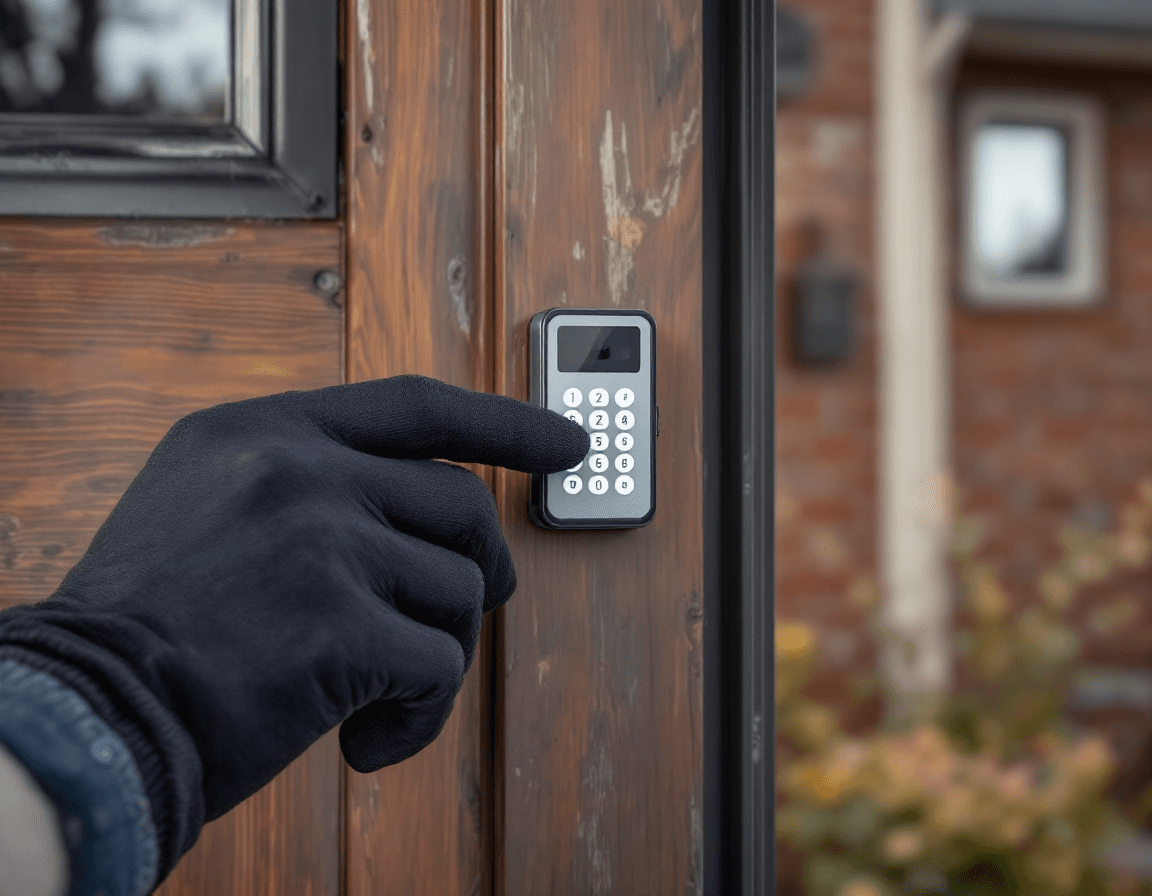
Garage door remote and keypad service in Normandy Park, WA is one of the most common small jobs we handle, and it is often the one that gets a homeowner out of a frustrating morning fastest. A remote that worked last month now needs three presses and a prayer, a keypad rejects a code your family has used for years, or the car's built-in opener refuses to pair. These problems usually have clear causes and straightforward fixes, but they are easy to misdiagnose when you are standing in a driveway with groceries and a line of cars behind you. Our technicians serve homes across Normandy Park, from the streets near the water to the wooded lots up the hill, and we see the same patterns repeat.
Normandy Park sits on the Puget Sound shoreline in southwest King County, and that location shapes how garage openers behave. Homes near the Normandy Park Cove and along Marine View Drive deal with salt-laden air, damp mornings, and the long, gray stretches of a Western Washington winter that keep everything moist for months at a time. Electronics do not enjoy that environment, and neither do the small button contacts and battery compartments inside a typical garage remote. This page explains what we check, what usually fails, what you can safely try yourself, and when it makes sense to call us at (888) 799-3819 for remote programming, keypad installation, or in-car pairing.
Whether you are dealing with a single flaky fob or planning to add a keypad so guests and teenagers can come and go without carrying a clicker, the goal is the same: a reliable opener that you can trust, a clear understanding of what is being changed, and no surprises on the invoice. We keep our explanations plain and our recommendations specific to the equipment in your garage. If something turns out to be a spring, cable, or track problem rather than a control problem, we will tell you that directly and recommend a licensed professional for that repair.
Why Remotes Fail Faster in a Coastal Climate
Most homeowners assume a remote dies because the battery is empty, and sometimes that is exactly the reason. In Normandy Park, though, moisture and salt air are frequent contributors that do not show up on a battery tester. The button contacts inside a remote are tiny, and repeated damp cycles can leave a faint film of corrosion that interrupts the connection just enough to make a press unreliable. A remote that works perfectly in a dry kitchen drawer may behave differently after a week of drizzle in a pocket or a cupholder.
Garage conditions also matter. A garage that opens to the outdoors in the evening and closes in the morning experiences temperature swings that draw condensation onto metal and plastic. Remotes kept on a shelf near the door, or hung on a hook close to the opener's wall, may pick up that moisture every day. Over several seasons, that adds up to contact wear, a cracked battery seal, or a circuit board that starts to drift.
When we evaluate a remote, we look at the battery compartment for green or white crust, check whether the rubber button pad has hardened or swollen, and listen for the audible click of the internal switch. We also test the remote at the door and at a few distances to see whether the problem is the fob itself or the receiver on the opener. Often a simple battery swap and a contact cleaning restore normal function, and that is worth knowing before you spend money on a replacement.
Reading the Signs of an Intermittent Remote
An intermittent remote is the most confusing symptom because it works sometimes, which makes it easy to blame the door, the weather, or the neighbor's Wi-Fi. A remote that opens the door on the first press but fails on the second, or that only works when you stand directly beside the garage, usually points to a weak signal, a tired battery, or a receiver that is struggling to hear it. Range issues often get worse in wet weather because water on the driveway and nearby trees can affect how the radio signal travels.
We find that homeowners frequently describe the symptom as "the remote is dead" when the real pattern is that it works from the street but fails from the back of the driveway, or that it opens the door but not the gate on the same property. Those details help us narrow things down. If the fob works in one spot and not another, we check the opener's antenna wire, which should hang freely and not be coiled or stapled against metal framing. We also look for interference from nearby transmitters, including some older garage door systems that share frequencies with other devices.
It is worth noting that a remote that suddenly stops working after a power outage or storm may simply need to be resynced, or its learned codes may have been affected by a power surge. A surge at the opener can damage the receiver board, and in that case a remote reset will not help. We check the opener's lights and response to a wall button before blaming the remote, because that single test separates the two problems quickly.
Choosing a Replacement Remote Without the Guesswork
Replacing a remote is not just a matter of buying the cheapest fob online. Garage door openers use specific radio frequencies and coding systems, and a remote that does not match your opener will never learn to operate it. Many openers from major manufacturers use rolling code technology, which changes the transmitted code each time you press the button. That security feature is one of the reasons modern openers are harder to tamper with, but it also means the remote and receiver must be compatible and properly learned to one another.
The easiest way to identify the right replacement is to look at the label on the motor unit or the back of the wall control, which often lists the make and model. Many homeowners also find the frequency printed on an old remote. Matching the brand and frequency matters, and so does the number of buttons you need. Some households want a two-button or three-button fob so one button can operate a second door, while others prefer a visor clip or keychain style that is easier to store in a vehicle.
We recommend buying the replacement from a source that will stand behind compatibility, and we are happy to talk through options when you call. Buying a remote is often the moment homeowners ask about upgrading to a more secure system, and that conversation can be useful. There are real differences between entry-level and upgraded openers, and not every older opener is worth a major investment. A candid assessment helps you decide whether a new remote is enough or whether your opener is due for a broader upgrade.
When a Keypad Refuses the Code You Know
A keypad that rejects a code you have used for years is a particular kind of frustrating, because the keypad seems to have decided that you are a stranger. The most common causes are a worn button, a dirty or corroded contact behind the keypad face, a low battery in a wireless unit, or a keypad that has been reset or reprogrammed without anyone telling the rest of the household. On a wired keypad, a loose connection at the terminals or a damaged wire run through an exterior wall can produce the same symptom.
Keypads near the Sound take a beating. Salt spray and rain can work their way into the keypad housing, especially if the unit is mounted on a post or wall that receives direct weather without a covered entry. We look at whether the keypad is sealed correctly, whether there is visible moisture inside, and whether the buttons respond with a clear press. If the keypad face feels sticky or the numbers have faded, the unit may need replacement rather than repair.
Our process for a keypad that will not accept a code starts with confirming the code itself, then checking the keypad's power and communication with the opener. We test the keypad at the wall and verify that it is learning and recognizing codes in the way the manufacturer intends. If the code table has been wiped or altered, we can reset the keypad and set a new code with the household's input. We never recommend leaving a keypad with an unknown or default code, because that is a security gap that is easy to close.
Adding an Exterior Keypad to a Normandy Park Driveway
Many Normandy Park homeowners want an exterior keypad so that family members, babysitters, contractors, or a dog walker can enter the garage without carrying a remote. An exterior keypad can be a convenient addition, but it should be placed thoughtfully. Mounting it in an area that is protected from direct rain, out of reach of passing hands at street level, and at a comfortable height for everyday use makes a noticeable difference in how long it lasts. A small covered alcove beside the garage side door is often the best location.
Installation depends on the type of keypad and the opener. Wireless keypads communicate with the opener by radio and need careful placement so the signal reaches the receiver reliably, especially in homes where the garage sits behind a hillside or a thick wall. Wired keypads require a low-voltage run from the keypad to the opener's control terminals, which means drilling, careful routing, and attention to the existing wiring. We match the keypad to the opener's features, confirm that the new unit will not interfere with other controls, and test the full sequence from both sides of the door.
Security is part of the decision too. A keypad code should be unique, not your house number or birth year, and it should be changed if someone who knew it moves out or stops helping with the household. We can show you how to set up user codes if your opener supports them, and we recommend keeping a written record of who has access in a secure place. Adding a keypad is simple when it is planned well, and it is easy to undo if your needs change later.
Pairing Your Car's Built-In Opener Buttons
Many vehicles, especially those sold in the last couple of decades, come with a built-in universal opener that can be programmed to operate your garage door. HomeLink is the most familiar name for this system, but the basic process is similar across several brands. The car's buttons are trained by holding them near the garage opener's learn button while the opener is in pairing mode. When it works, the car becomes the remote and you can leave the clicker in a drawer.
Pairing problems are common, and they often come down to timing and distance. The learn button on the motor unit must be pressed at the right moment, and the car's button must be held for the correct duration while the signal is sent. Some newer openers use rolling code systems that require a slightly different sequence, and a few car models have their own quirks. Vehicle age, battery condition, and the presence of aftermarket electronics can also influence whether pairing succeeds on the first attempt.
If you are unable to pair your car's buttons, we can help diagnose whether the issue is the car, the opener, or a compatibility limit. We will not promise that every vehicle can be paired with every opener, because that depends on the specific hardware. Our technicians can often complete the pairing during a visit and walk you through the sequence so you can handle future resets yourself. Please keep in mind that programming a vehicle's built-in system may involve the vehicle's manual, so having it nearby helps.
Clearing Codes After a Lost or Stolen Remote
A lost remote is a security concern as well as an inconvenience. Anyone who finds or steals a fob may be able to open your garage, and that can lead to theft or a home intrusion if the garage connects to the house. Re-securing the door is one of the most important steps after a remote disappears, and it is a task that should not wait for the next time you happen to notice it missing. Acting quickly limits the window in which someone could use the lost device.
On many openers, clearing all previously learned remotes involves pressing and holding the learn button on the motor unit for several seconds until the indicator light changes or the unit confirms the erase. The exact sequence varies by manufacturer and model, and it is important to follow the procedure for your specific opener rather than a generic guide. After the codes are cleared, each remote you still own must be relearned, and any keypad or car pairing will also need to be re-established if the opener resets its memory.
We recommend making a short inventory of everything that controls the door: remotes, keypad codes, car buttons, and any smartphone app access. Losing a single remote is an opportunity to check the whole system. We can walk you through the reset, reprogram the devices you keep, and discuss whether a higher-security upgrade makes sense for your household. A clear plan after a lost remote gives you peace of mind and fewer surprises later.
What a Remote and Keypad Visit Includes
Our service visits for remote programming, keypad installation and troubleshooting, and in-car pairing are designed to be efficient and clear. A typical visit begins with identifying the opener and the existing controls, confirming what you are trying to accomplish, and checking the door's basic operation so we know the mechanism is safe to work around. We then test each control, verify the receiver's response, and program or repair the devices in question. Before we leave, we review how each control works so you know exactly what to expect.
Pricing for this type of service generally falls between $65 and $185, depending on the work involved. That range covers the technician's time and the standard steps needed to program, troubleshoot, or install a control. It does not include the cost of a new remote or keypad, which is charged separately if you choose to purchase one. We will explain the scope before starting so there are no unexpected charges, and if we find a problem outside remote or keypad work, we will describe it and let you decide how to proceed.
For many homeowners in Normandy Park, a visit is most useful when combined with a quick check of the door's balance, safety reversal, and general condition. We do not perform spring or cable repairs as part of a remote visit, and we recommend a licensed professional for any work involving torsion springs, extension springs, or cables, because those components store significant energy and can cause serious injury if handled incorrectly. If we identify a spring or cable concern during a visit, we will say so plainly and recommend the appropriate next step.
Preparing for Your Appointment
A little preparation makes a remote or keypad visit faster and more accurate. Gather every remote, keypad, and car you want to include, along with any loose batteries and the model information from the opener if you have it. If you have a smartphone app connected to the opener, note the account details so we can check whether the app and the hardware are communicating. Clear a path to the motor unit and the wall control so the technician can reach them safely.
It also helps to think about how the household uses the door. Who needs access, and at what times? Are there children who will be learning to use a keypad? Does anyone rely on a vehicle's built-in opener when traveling? Those answers guide the programming and security choices we make. If you have a backup plan in case a remote fails, such as a keypad or a spare fob kept in a locked location, we can incorporate that into the setup.
Finally, if you have recently experienced a power outage, storm, or nearby lightning, mention it when you book. Electrical events can affect the opener's receiver and may explain behavior that otherwise seems random. Noting the date when the problem began, and whether it started suddenly or gradually, helps us decide whether the cause is likely to be the remote, the keypad, the opener, or the environment around it.
Simple Checks You Can Do Before Calling
Some remote and keypad problems can be narrowed down at home with a few safe checks. Start by replacing the battery in the remote with a fresh one of the correct type, and wipe the battery contacts and the inside of the compartment with a dry cloth. If the remote still fails, try it from several spots: standing at the door, from the street, and from inside the car. Note whether the wall button inside the garage works, since that tells you whether the opener itself is responding.
For keypads, check that the buttons are clean, dry, and not stuck, and look for moisture or corrosion inside the housing if the cover is easy to open without tools. Confirm that the keypad is mounted securely and is not exposed to standing water. If the keypad has a battery, replace it with the recommended type. Make a list of codes you believe should work, and try them slowly, since rushed presses are a common reason a valid code fails.
These checks are safe and quick, but please stop if something seems wrong. Never reach into the door's springs, pulleys, or cables to test anything, and do not attempt to adjust tension or remove hardware under load. If the door is making grinding, popping, or snapping sounds, or it is off track or uneven, leave it alone and call a licensed professional. A remote problem is usually simple, but a mechanical problem can be dangerous, and it is better to be cautious.
Why Choose Local, Licensed Technicians
Choosing who works on your garage door matters, especially when the job involves electronics that connect to a moving, heavy door. Seattle Garage Door Fix is licensed, bonded, and insured, and our technicians serve homes across Normandy Park and dozens of nearby communities in King County and the wider Western Washington area. We understand the coastal conditions that shape how openers and remotes behave near the water, and we tailor our recommendations to the realities of each property rather than applying a one-size answer.
Our approach to remote and keypad work is practical. We explain what we find, we show you what we are changing, and we let you decide between repair and replacement when there is a real choice to make. We do not push unnecessary upgrades, and we are straightforward about the limits of older hardware. When a problem requires licensed work on springs or cables, we say so and recommend the right specialist.
If your garage remote is acting up, your keypad has stopped accepting codes, your car will not pair, or you have lost a remote and need to secure the door, we are ready to help. Call (888) 799-3819 to schedule a remote programming, keypad, or in-car pairing visit for your Normandy Park home. Our team can confirm availability, explain the $65–$185 service range, and walk you through what to expect before we arrive.