
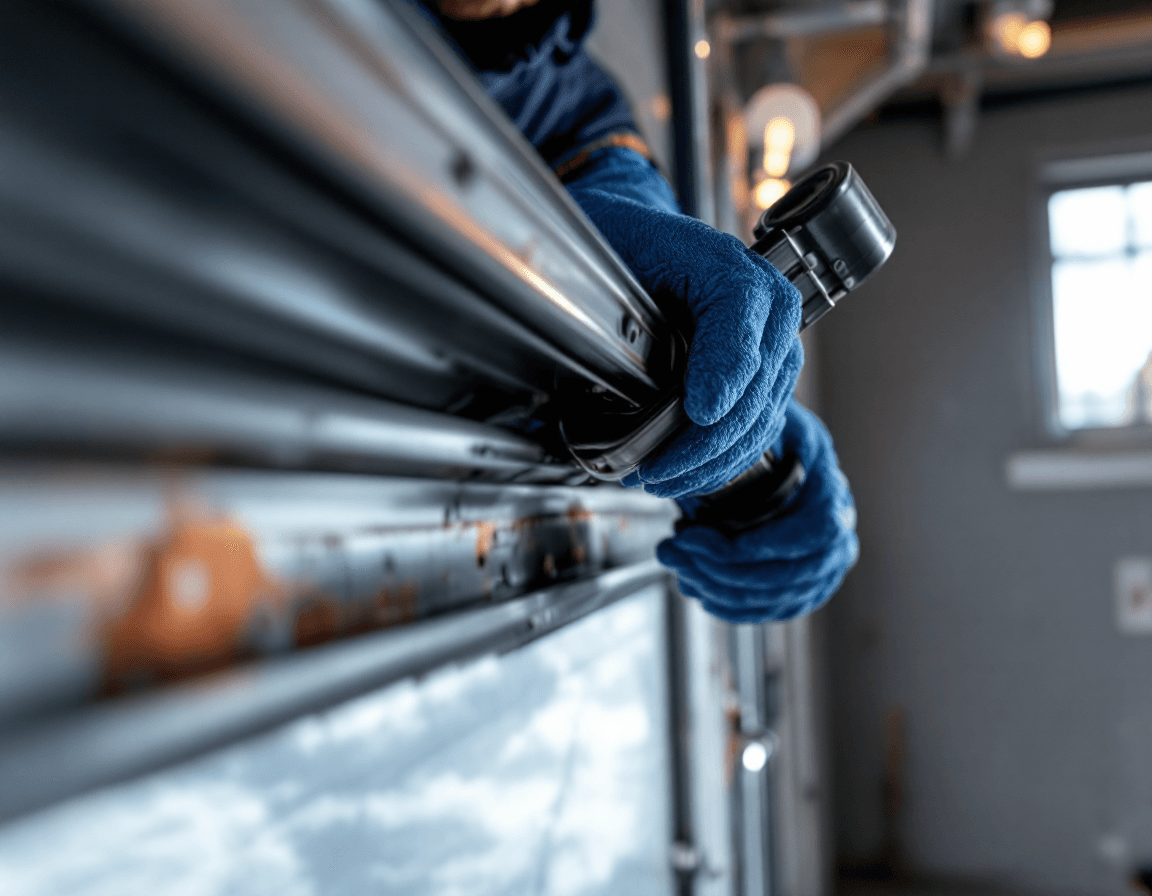
Garage Door Roller Replacement in Algona, WA is one of the most common repairs we get calls about, and it is also one of the easiest to put off until the problem becomes expensive. Rollers are the small wheels that ride inside the vertical and horizontal tracks and carry the door's weight through every open and close cycle. When they wear down, crack, or seize, the door still moves, but it complains loudly and pushes harder on the opener, the tracks, and the panels. Most homeowners first notice a grinding or squeaking sound and assume the opener is failing.
This page is written for homeowners in Algona and the surrounding Pacific Algona corridor who want to understand what is happening above their garage door and what a fix involves. We work across King County and the nearby ZIP codes including 98001 and 98047, so we see how local weather, older housing stock, and daily driving habits affect roller life. The goal here is practical: help you recognize the warning signs, decide between worn steel rollers and quieter nylon upgrades, and know when a roller job is simple maintenance versus something that needs a licensed technician's hands on the springs.
If your door is grinding, jerking, or sticking right now, you do not need to wait for a perfect moment to deal with it. Call (888) 799-3819 and describe what you are hearing and seeing. A short description often tells an experienced technician enough to plan a visit, and that conversation can prevent a worn roller from damaging a track or a cable.
How Algona's Wet Winters Wear Down Garage Door Rollers
Western Washington winters are long, damp, and rarely dry for weeks at a time, and that moisture finds its way into every moving part of a garage door system. Steel roller bearings are sealed or lightly greased at the factory, but the grease breaks down over time and water works past the seals. Once moisture reaches the bearing, rust forms on the races, the balls stop rolling smoothly, and the roller begins to drag instead of turn. Homes in the Algona area often sit near wooded lots and older landscaping, so fallen needles, leaves, and grit collect in the track and get pulled into the rollers every time the door cycles.
Temperature swings matter as well. A cold morning can stiffen old grease and make a roller that was quiet in summer suddenly chatter for the first few cycles of the day. Those temperature changes also cause tracks and door sections to expand and contract slightly, which can put side pressure on a roller that is already worn. Over several seasons this produces flat spots on the roller wheel, cracks in the nylon, or stems that bend under load.
Garages on the Pacific Algona corridor are often used as workshops, storage space, or a second entry point, so doors open and close more often than many people expect. A door that cycles several times a day accumulates wear quickly, even if it looks fine from the driveway. That is why we tend to recommend inspecting rollers during routine maintenance rather than waiting for a noise to appear. Wet seasons simply compress the timeline between a quiet door and a loud one.
Sounds That Tell You Rollers Need Attention
Your ears are one of the most reliable diagnostic tools you have. Different noises usually point to different problems, and learning to tell them apart helps you describe the issue accurately when you call. A roller that has worn out its bearing typically produces a sound that changes with speed, while a roller that has seized may cause a single loud bang or a steady scrape. Here are the sounds we hear most often from homeowners in Algona and nearby neighborhoods:
- A rough grinding or rumbling sound that starts at the beginning of each cycle and fades as the door warms up
- A high-pitched squeak that comes from a dry or corroded steel bearing, often louder on the lift side
- Metal-on-metal scraping that suggests a roller has flattened or lost its tire, so the steel stem is riding on the track
- A single clunk or hitch when the door passes one particular spot, which often points to a damaged roller or a dented track section
Sounds alone rarely give the full picture, so it helps to pair them with what you can see. Pay attention to whether the noise is consistent or only appears in cold weather or after rain. Notice if the door seems to hesitate, stop briefly mid-travel, or lean slightly to one side as it moves. Those details tell a technician whether the trouble is limited to one roller or spread across the whole set.
Many homeowners ignore the first squeak because the door still opens. Unfortunately, a worn roller rarely stays alone. The extra friction transfers load onto neighboring rollers, the hinges, and the opener motor, so a small repair can become a larger one within a season or two.
Steel Rollers Versus Nylon Upgrades
Most standard residential doors come from the factory with steel rollers, often with ball bearings or sealed bearings inside a steel or hard-plastic shell. Steel rollers are durable and handle heavy doors well, but they are noisy because metal rolling on metal creates a distinct sound, and the bearings are exposed to moisture. Replacing worn steel rollers with new steel rollers restores the original performance, which is the right choice for many homeowners who simply want the door working again at a fair cost.
Nylon rollers are a different option. A quality nylon roller has a tire made from a polymer material that rolls quietly against the steel track and absorbs some of the vibration that would otherwise travel through the door panels. Many nylon designs still contain sealed steel or ball bearings at the center, so you get the smoothness of the polymer tire along with reasonable bearing life. Homeowners who use their garage as a living space, work from home nearby, or simply dislike the racket of a door opening at dawn often prefer nylon for the quieter operation.
There is a tradeoff to understand. Nylon tires are excellent for noise reduction but can wear faster in very dirty tracks or in doors that are heavy or out of balance. For that reason, we do not recommend nylon as a fix for a door that binds or has a weak spring system. A balanced door with clean tracks gets the most benefit from a nylon upgrade, and that is the condition we check before recommending one.
Why Track Alignment Matters More Than People Expect
A new roller will only last as long as the track it rides in. If a track section is bent, loose at a bracket, or slightly out of plumb, the roller will be forced against one edge with every cycle. That pressure grinds the tire on one side and can crack a nylon roller within months. Many homeowners replace rollers twice in a few years without realizing that the underlying alignment problem was never corrected.
Checking alignment is straightforward but requires care. Look at the vertical tracks from the inside of the garage and make sure the gap between track and door is consistent from top to bottom. Check that the horizontal track is level and that the bolts holding it to the ceiling brackets are snug. Look for dents on the track surface, especially near the bottom where cars and carts can strike it. Small adjustments can make a big difference, but any work involving the springs or the lift cables should be left to a licensed professional.
On older Algona homes, uneven garage floors and settling foundations sometimes cause the door frame to shift over the years. When that happens, the track may need to be re-shimmed rather than simply forced back into place. A good technician will check the whole system during a roller visit rather than swapping parts in isolation, because a roller that only fails from misalignment will fail again.
What a Roller Replacement Actually Involves
A typical roller job is more methodical than many people imagine. The technician first confirms that the door is safely supported and that the springs are not under unexpected tension. Then the door is raised to a point where the affected roller can be reached, and the track is loosened only as much as needed to slide the old roller out. Most residential doors use either a stem roller, which has a short steel shaft that slides into a hinge bracket, or a sleeve roller, which fits over a hinge pin. Identifying the correct type is essential because mismatched rollers will not seat properly.
Once the old roller is removed, the new one is installed, the track is checked for square and level, and the door is cycled several times by hand and then with the opener. The technician listens for binding, watches for uneven motion, and confirms that the door sits at the correct height when closed. Hinges and the bottom weather seal are often inspected at the same time, since loose hinges can put stress on fresh rollers.
For a full set of rollers on a typical double door, the job usually moves quickly, but it is never a rushed task. Cleaning the track, lubricating the hinges with an appropriate product, and confirming the opener's auto-reverse behavior are all part of a responsible visit. Those steps protect your investment and keep the door operating safely for the long term.
Cost Expectations Around the Pacific Algona Corridor
For a full set of rollers, our pricing typically falls in the range of $120 to $250, depending on the number of rollers, the roller type you choose, and how much track or hinge work is needed. Steel replacements generally sit at the lower end of that range, while quieter nylon upgrades cost more because the components are different. A door with unusual sizing, an older track design, or hardware that needs extra adjustment may fall outside the typical range, and a technician should explain that before any work begins.
Costs are one reason we encourage homeowners to diagnose early. Replacing a single worn roller before it damages the track or the hinges is almost always less expensive than a full repair after the damage spreads. The price also depends on whether the job is a straightforward roller swap or whether other components such as hinges, cables, or springs are part of the picture. Only the rollers and their immediate hardware are included in the roller-set pricing above; spring and cable work is priced separately because it requires additional labor and safety measures.
When you call, describe the door's size, the sounds you hear, and whether it is a standard steel or insulated panel door. That information lets the technician give a more accurate expectation before arriving. If you are comparing quotes, ask what roller type is included, whether track alignment is checked, and whether the opener's safety reversal is tested afterward. Those questions reveal a great deal about the quality of the work.
Working Safely with Springs, Cables, and Tension
Roller replacement can seem like a simple job, and in many cases it is a good project for a skilled technician. However, the same visit often exposes problems with the torsion springs or lift cables, and those components are dangerous to handle without training and the right tools. Torsion springs store enormous energy, and a spring that releases unexpectedly can cause serious injury. Cables can snap under tension and whip through the air. For these reasons, we always recommend a licensed professional for any spring or cable work, and homeowners should never attempt it themselves.
Watch for signs that the spring system needs attention rather than the rollers alone. A door that feels very heavy when lifted by hand, a visible gap in a spring coil, a cable that is frayed or off its drum, or a door that drops suddenly when it is released are all reasons to stop and call for help. The same applies if the door sags on one side or if the opener strains to start the door from closed. These conditions are not roller problems, and a roller swap will not fix them.
When a technician arrives, expect them to ask whether the door has been operated recently with any unusual behavior and to inspect the springs and cables before touching the rollers. Good technicians explain what they see and recommend the safest path forward. If spring replacement is needed, they will provide a separate estimate and timeline. That transparency is part of working responsibly with heavy, high-tension equipment.
Quieter Operation Without Guesswork
Many homeowners want a quieter door without knowing exactly what will change. The honest answer is that noise comes from several sources, and rollers are only one of them. Hinges, the opener's chain or belt, the bottom bracket, and loose panel fasteners all contribute to the overall sound. Replacing rollers with nylon versions will usually reduce the rolling noise significantly, but a loose opener mount or a dry chain may still make the door sound busy. A complete quiet-operation visit often includes checking these items together.
Lubrication is part of that picture, and it needs to be done correctly. Use a lubricant designed for garage door hardware on hinges and rollers, and avoid heavy grease on the tracks, since it attracts dirt and grit that can accelerate wear. Wipe the track clean before applying any product, and do not spray lubricant onto the springs. Over-lubricating can cause dust to build up into a grinding paste, which makes the door louder rather than quieter.
Set expectations realistically. A nylon roller upgrade on a door with a clean, aligned track and balanced springs can noticeably reduce the sound level and smooth out the motion. A door with a bent track, a failing opener, or worn springs will still be louder than homeowners would like, even with new rollers. Describing your goal, whether it is quieter mornings or a smoother ride, helps the technician recommend the right combination of parts.
Booking a Visit from Algona Blvd to the Pacific Corridor
If you live near Algona Blvd or along the Pacific Algona corridor, you can usually expect a visit to be scheduled around your household routine. Many homes in these areas have two-car garages with older roll-up doors that have been repaired several times, so the technician will want to know the door's history and any previous work. Bring that information with you, or be ready to describe it on the phone. Knowing whether the rollers were replaced recently, whether an opener was installed, or whether the track was modified can save time during diagnosis.
Before the visit, clear a path to the garage door and move vehicles and stored items away from the track area. Make sure children and pets are kept clear of the door while it is being tested. If you have noticed a particular spot where the door sticks, mark it lightly with painter's tape so the technician can find it quickly. These small steps make the appointment more efficient and reduce the risk of accidents.
When you are ready to schedule, call (888) 799-3819 and mention your ZIP code, whether you are in 98001 or 98047, and the sounds you are hearing. We can outline what to expect, the likely scope of work, and the pricing range before anything begins. Clear communication from the start helps keep the job predictable.
Simple Checks You Can Do Before Calling
You can gather useful information without touching the springs or any tension components. Start by listening carefully at a few different times of day, since cold mornings and warm afternoons often sound different. Next, open and close the door manually only if it is safely disconnected from the opener and you can do so without strain; if the door feels heavy or jerky by hand, stop and call a professional rather than forcing it. Watch the rollers as the door moves, looking for wobble, flat spots, or chips in the nylon tire. Take a short video of the noise and the movement if you can, since it can help the technician understand the problem before arriving.
Next, inspect the track from the floor level. Look for dents, gaps at the bolts, and debris lodged in the channel. Check that the bottom weather seal is not pinched or torn, since a seal that catches on the track can mimic a roller problem. Note any hinge that looks loose or bent. Write down what you observed, including the approximate door width and whether the panels are steel or insulated.
Finally, avoid DIY attempts on anything under spring tension, and do not remove a roller while the door is supported only by the opener. If you are unsure whether a step is safe, stop and call. A short conversation can clarify what you are looking at, and a licensed technician can confirm the next steps quickly.
If your Algona garage door is grinding, squeaking, jerking, or sticking, the sooner it is inspected, the easier it is to fix. Call Seattle Garage Door Fix at (888) 799-3819 to schedule a roller replacement or a quieter nylon upgrade, and our licensed technicians will walk you through the diagnosis, the options, and the expected pricing before any work begins.