
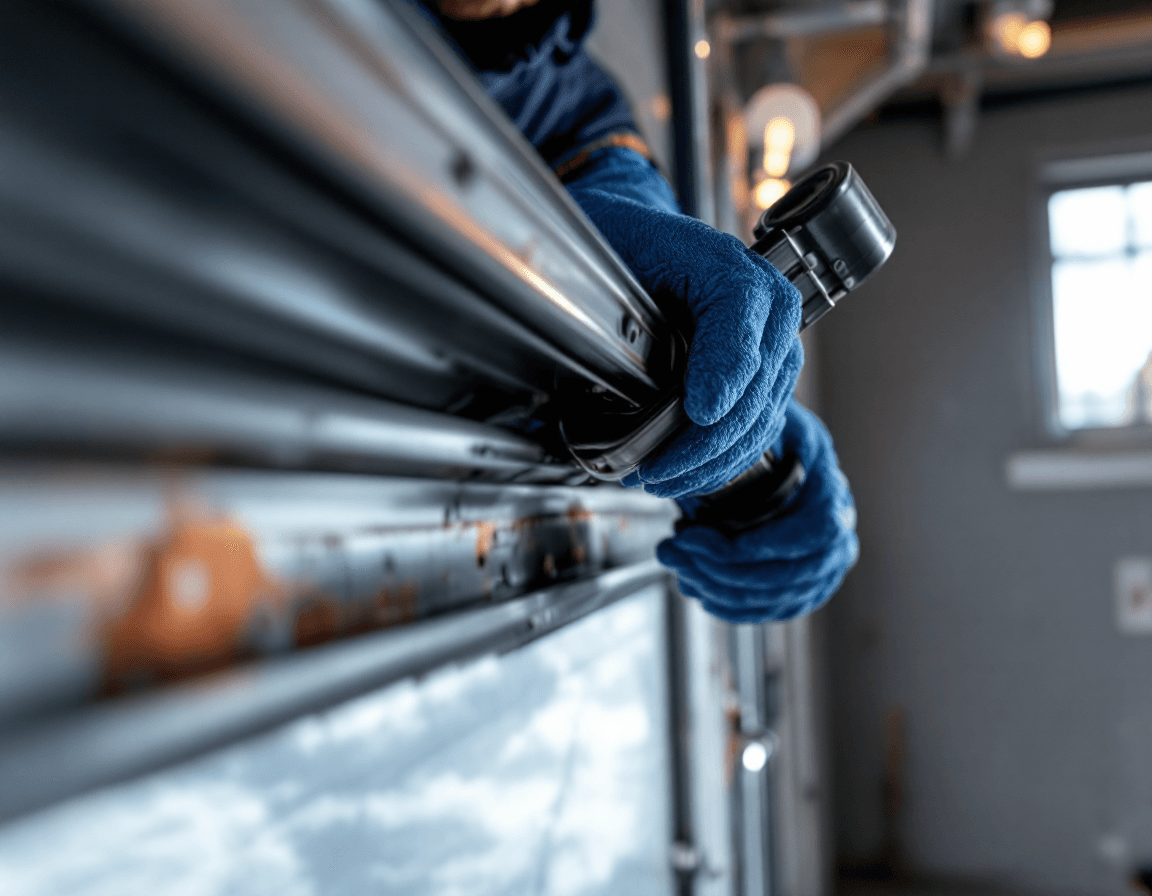
Garage Door Roller Replacement in Pacific, WA is one of the most common repairs we handle for homeowners in this part of King County, and it is also one of the easiest to put off. A door that rumbles, squeaks, or hesitates can feel like a minor annoyance until the day it stops halfway up with the kids' bikes still inside. Rollers are small, inexpensive parts, but they carry the full weight of your door every time it moves, so their condition shapes how the whole system performs.
Pacific sits in the Green River valley, where damp air, cool temperatures, and long stretches of drizzle are normal for much of the year. Those conditions do not destroy rollers overnight, but they accelerate the wear that eventually turns a quiet door into a noisy one. This guide explains what worn rollers look like, what they sound like, how we handle replacement, and what you can reasonably check yourself. It also explains where the job should stop and a licensed technician should take over, because garage doors carry serious spring tension and cable risk.
Whether your door is a single-car panel in an older Pacific neighborhood or a wider insulated door on a newer home near the park, the goal is the same: smooth, predictable travel with minimal noise. If you are ready to talk through your options, you can reach our team at (888) 799-3819 at any time.
How Pacific's Damp Climate Quietly Wears Down Garage Door Rollers
Western Washington weather is gentle on the thermometer but hard on mechanical parts. Winter moisture works its way into the steel bearings inside a roller, washing away lubricant and encouraging surface rust. Once the grease is gone, the bearing begins to grind, and grit from the track gets pulled inside with each cycle. Many homeowners in Pacific notice their rollers getting louder in November and December, then seeming to settle down in late spring, which is exactly the pattern damp-driven wear tends to produce.
Temperature swings add another layer. Cool mornings and mild afternoons cause small amounts of expansion and contraction in both the track and the door panels. Over years, that movement can flatten the inner walls of a roller or crack the plastic hub of a nylon roller that was not rated for the stress. Garages in older Pacific homes often have less insulation and less airflow, so condensation can form on metal tracks and sit there for days.
Road spray and dust from nearby traffic corridors can also reach the garage through the bottom seal and the gaps around the door. Fine grit settles on the track, and rollers pick it up as they ride along. A roller that rolls through a gritty track for a few seasons can develop flat spots, uneven wear, or a stiff spot that the door has to muscle past. Understanding this helps explain why a roller that looked fine last year can suddenly be the source of a loud, bumpy ride.
Reading the Noises Your Door Is Making
Your garage door communicates through sound long before it fails. A healthy system runs with a steady, low hum, and any change in that sound is worth paying attention to. Rollers are one of the most frequent sources of new noise, because they sit right where the door meets the track and every bit of wear shows up as vibration. Learning to recognize the type of noise helps narrow down whether rollers are the problem or whether the trouble lies somewhere else in the system.
Here are the most common roller-related sounds we hear from homeowners in Pacific:
- A grinding or rough scraping sound that starts at the beginning of travel and continues through the middle of the door's path
- A high-pitched squeak that repeats with every few inches of movement, often worse on cold, damp mornings
- A metal-on-metal rattle or scrape that suggests a roller has lost its nylon tire or its stem has worn loose in the bracket
- A thumping or jerking motion where the door seems to hop slightly as it passes a particular section of track
- A hesitation or sticking point where the door pauses briefly, then continues with a jolt
Each of these sounds can have other causes, such as dry hinges, loose bolts, or an uneven track, so a technician needs to inspect the rollers in place rather than guessing from sound alone. Still, if you hear a grinding or scraping noise that is new, it is wise to schedule an inspection before the damage spreads to the track or the bracket. Roller problems rarely fix themselves, and they tend to get louder and more expensive the longer they are ignored.
Steel Versus Nylon: Matching the Right Roller to Your Door
Garage door rollers generally come in two main styles, and choosing between them is one of the most important decisions in the replacement process. Steel rollers have a solid metal wheel with sealed or open bearings, and they are typically found on older doors and heavier commercial-style panels. They are durable and handle heavy loads well, but they are noisy, especially on older tracks. Nylon rollers use a plastic or nylon tire over a steel or nylon hub with a ball bearing inside, and they run much more quietly.
Quiet nylon upgrades are a popular choice for Pacific homeowners who share walls with bedrooms, work from home in a converted garage office, or simply want a more pleasant experience when the door opens early in the morning. Good nylon rollers reduce vibration and noise noticeably, and they are gentler on the track surfaces. They are not a universal answer, though. On very heavy doors or doors with unusual track setups, a technician may recommend a steel or hybrid roller that matches the load and the track profile.
Roller stem style matters too. Standard stems fit most tracks, while longer stems are used on heavier doors or where the roller must reach a particular track depth. Ball bearing rollers are generally preferred over plain bearing types because they keep turning smoothly even after a few years of use. Sizing is measured by the diameter of the wheel and the length of the stem, so bring the old roller to the job or let the technician measure it on site. Mismatched sizes can cause binding, uneven travel, and premature wear on the new part.
What a Full Roller Set Typically Costs in Pacific
Homeowners often ask about price before they ask about anything else, and that is a reasonable question. For a full set of rollers installed by our team, our typical range is $120 to $250. The final figure depends on the number of rollers, the type you select, the size of your door, and whether any related parts, such as bearing brackets or track hardware, need attention during the same visit. A standard residential door with a common roller count will generally fall toward the lower end of the range, while a larger door or a premium quiet nylon upgrade may land higher.
It helps to understand what this range covers. A full set means replacing every roller on the door, not just the one making the most noise. This is important because rollers wear as a group, and a fresh roller paired with a worn neighbor often produces uneven travel and new noise within a few months. Replacing the full set also gives you consistent performance and makes future maintenance easier to plan. We always explain the options before any work begins, so you know exactly what you are approving.
Price should never be the only factor, but it is worth comparing the cost of rollers against the cost of ignoring them. A worn roller can damage the track, stress the springs and opener, and create a safety concern if the door binds unexpectedly. Addressing rollers early often avoids larger repairs. If you would like a specific quote for your door, call (888) 799-3819 and describe the type of door you have, along with the symptoms you are hearing or seeing.
Inside a Proper Roller Replacement Visit
A professional roller replacement follows a clear sequence, and knowing what happens during the visit can help you feel more comfortable with the process. The technician begins by inspecting the door, the track, the brackets, and the rollers themselves. They look for flat spots, cracks, seized wheels, missing tires, and signs of metal fatigue. They also check the track for dents, bends, or debris that could be contributing to the problem.
Next, the door is secured and the system is made safe before any roller is removed. This is the step that matters most, because garage doors are heavy and the springs store a great deal of energy. Our technicians work within the safety procedures for the door type and do not attempt to adjust or remove spring tension as part of a roller swap. In many cases, the door can be lifted or lowered in a controlled way so that rollers can be released from the track one section at a time. The old rollers are then removed, the track is cleaned, and the new rollers are installed.
Once the new rollers are in place, the door is cycled slowly and carefully to check travel from top to bottom. The technician listens for remaining noise, watches for binding, and confirms that the door tracks evenly on both sides. Any small adjustments to track alignment or hardware are made at this stage. Before leaving, the technician should walk you through what was replaced, what was checked, and what you can expect in the coming weeks.
Track Alignment: The Hidden Partner to Quiet Rollers
Many homeowners assume that new rollers alone will solve a noisy door, but the track is equally important. Rollers ride inside the track, and if the track is bent, out of plumb, or loose at the mounting points, even the best nylon roller will struggle. A track that is slightly out of level can cause one side of the door to lag behind the other, which shows up as jerking, binding, or a squeal that moves from one side to the other as the door travels.
Pacific homes sometimes have garage floors that settle unevenly over time, particularly on older slabs. A settling floor can shift the vertical track, pull mounting angles out of line, and change how the rollers seat in the channel. Mounting bolts can also loosen after years of vibration, especially on doors that are operated frequently by an opener. During a roller replacement, it is good practice to check every track bolt and bracket and tighten or realign as needed.
Track cleaning is another overlooked step. A quick wipe-down with a clean cloth removes grit, dried lubricant, and debris that would otherwise be carried into the new rollers. Lubrication should be light and specific to the components, using a product designed for garage door hardware rather than heavy oil or grease, which can collect dust and worsen the problem. A clean, aligned track gives new rollers the best chance of running quietly for years.
Seasonal Timing for Roller Work in the Wet Months
Timing your roller replacement can make the job smoother and the result more lasting. Late spring and early summer are often good windows in Pacific, when the garage is drier, the track is less likely to hold condensation, and the door tends to run more freely. However, roller problems rarely wait for ideal weather, and many of our calls come during the wet months when a squeaking or grinding door becomes impossible to ignore. Scheduling work during a dry spell is helpful, but it should not stop you from addressing a door that is clearly struggling.
During fall and winter, a few precautions are worth taking. Keep the garage door closed when possible to limit moisture and debris reaching the track. If you notice condensation on the track after a cold night, wipe it down before operating the door. Avoid applying heavy lubricant in damp conditions, since it can trap moisture and attract grit. A dry cloth and a light coat of the correct lubricant are usually all that is needed between visits.
Rain can also reveal problems that were quiet during dry months. If water pools at the bottom of the door or drips through the seal, it can wash debris toward the track and rollers. Damaged weatherstripping and a loose bottom seal are often overlooked contributors to roller wear. When a technician replaces rollers, they can also check these related components so the door stays protected in the months ahead.
Quick Checks You Can Safely Do Before Calling Us
There are several simple observations you can make without tools or any risk to yourself. These checks will not replace a professional inspection, but they can help you describe the problem accurately when you call and may reveal whether the issue is likely to be rollers or something else. Always keep the door fully closed, the opener disconnected or the power off, and never place your hands or body in the path of the door while you look.
- Look at the rollers from the inside of the garage while the door is closed and check whether any tires are cracked, flattened, missing, or visibly out of round
- Run a finger carefully along the inside of the track to feel for grit, rough spots, or dried lubricant buildup, keeping your hand clear of any moving parts
- Note exactly where in the door's travel the noise or jerking occurs, since rollers often misbehave at specific points where the track curves or joins
- Check that the track bolts and brackets appear snug and that no bracket is visibly bent or pulled away from the wall or ceiling
- Record a short video of the door in operation from a safe distance so you can show the technician the sound and motion when you call
Please do not attempt to adjust spring tension, remove the torsion or extension springs, or disassemble brackets in an effort to replace rollers yourself. Those components store enough energy to cause serious injury, and they require specialized tools and training. Our technicians are licensed, bonded, and insured, and they handle these parts safely as a matter of routine.
Safety Boundaries Every Homeowner Should Respect
Roller replacement is one of the more approachable garage door repairs, but it sits close to parts that can be dangerous. Springs, cables, and drums are under high tension even when the door appears to be at rest, and a sudden release can cause severe injury or property damage. For this reason, any work involving spring or cable components should be performed only by a licensed professional with the right equipment and training. This is not a matter of upselling; it is a matter of keeping your household safe.
Other warning signs mean you should stop and call for help immediately. If a cable is frayed, slack, or has come off a drum, do not operate the door. If the door falls unexpectedly, leans, or sits crooked in the track, keep people and pets away and avoid trying to lift it manually. If you see rust flakes, cracked brackets, or a bent track that appears to be under stress, stop using the door until it has been inspected. A door that is stuck halfway open should be left alone rather than forced.
We encourage homeowners to treat these boundaries seriously. A roller replacement visit should always include a check of the springs, cables, and safety reversing system, because a door that is quiet but unsafe is not a successful repair. If your opener's auto-reverse feature does not respond when the door meets an obstacle, that is a separate safety issue that needs prompt attention. Your household's safety comes before any cosmetic or noise-related concern.
Keeping Your Rollers Quiet Between Service Visits
Once new rollers are installed, a little regular care can extend their life considerably. Start by operating the door through its full range once a month and listening carefully for any change in sound. Early detection of new noise makes a small adjustment or cleaning session far easier than waiting for a full repair. Keeping the track free of leaves, dirt, and small debris is one of the simplest and most effective habits you can build, especially in a Pacific garage where wind-blown material can collect along the floor.
Lubrication deserves thoughtful attention. Use a light garage-door-specific lubricant on the roller stems and hinges, and avoid spraying it directly onto the track, where it can attract grit. Wipe away any excess so it does not collect dust. Check the bottom seal and weatherstripping each season to keep moisture and debris out of the track area, and replace worn seals before they allow water to reach the rollers. These small steps protect the investment you have made in quieter operation.
Finally, schedule a periodic inspection with a licensed technician, particularly if your door is heavily used or several years old. A professional can catch loosening brackets, early wear, and alignment drift before they turn into noisy or unsafe problems. Regular attention keeps your door running smoothly and quietly through the seasons, and it gives you confidence that your garage is doing its job. If you are ready to replace worn rollers, upgrade to quiet nylon, or simply have your door checked, our team serves Pacific and the surrounding area, and you can reach us at (888) 799-3819 to set up a visit.