
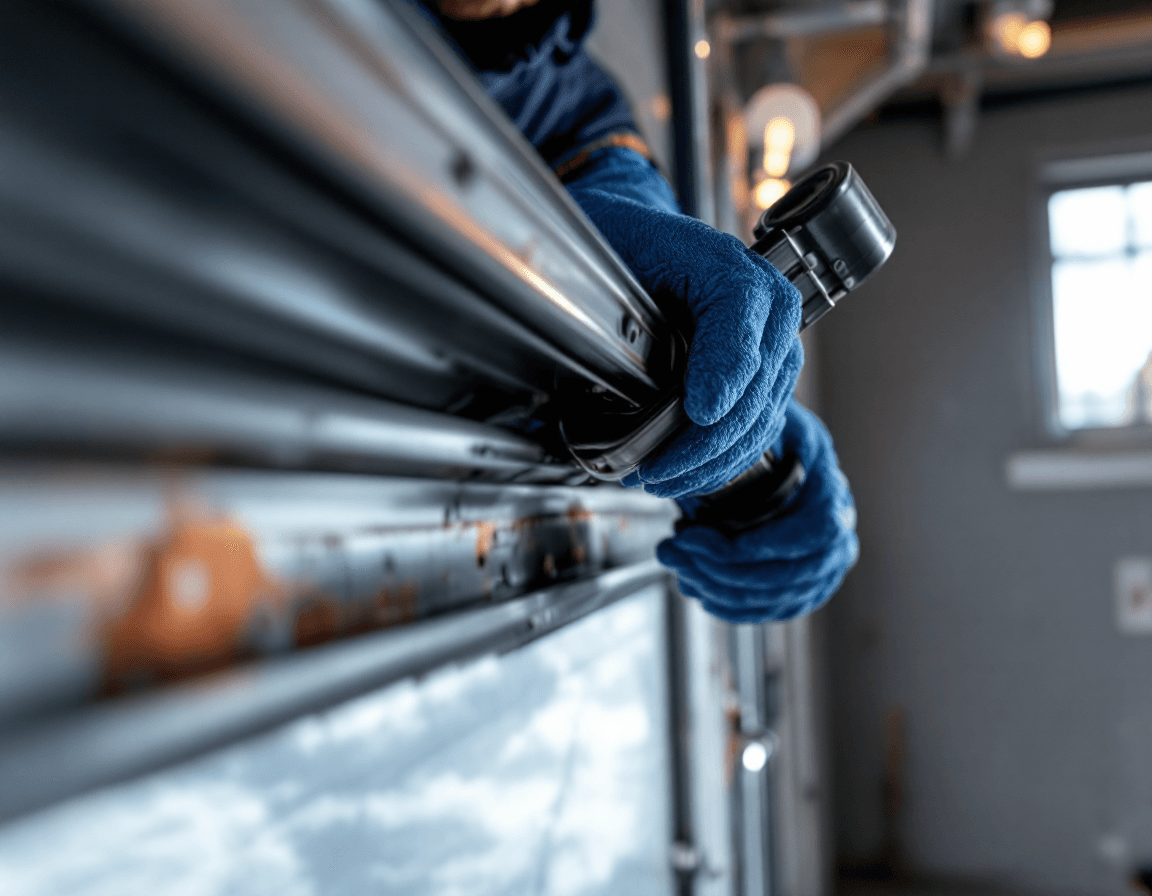
Garage Door Roller Replacement in Milton, WA is one of the most cost-effective repairs a homeowner can make, and it often fixes a door that seems to be failing. Rollers are the small wheels that ride inside the vertical and horizontal tracks and carry the door's weight as it opens and closes. When they wear out, crack, or seize, the whole door has to work harder, which shows up as noise, jerky movement, and eventually strain on the opener. A set of new rollers costs far less than a new door or a new opener, and the difference in how the door feels is usually obvious the first time it runs.
Milton sits in a part of Pierce County where the weather stays damp for long stretches, and that moisture has a real effect on garage hardware. Many homes here have attached garages with steel doors and steel tracks that see temperature swings, condensation, and a steady supply of road grit and dust. Over several years, those conditions can dry out lubricant, rust the metal axles inside the rollers, and swell or soften the rollers themselves. If your door has started to sound different than it used to, the rollers are one of the first parts to inspect.
This page explains what worn rollers look and sound like, how to tell them apart from other problems, what your options are for quieter nylon or sealed-bearing replacements, and what to expect from a typical service visit. It also covers the boundaries of DIY work, because roller replacement is manageable for some situations but not for others. Our technicians are licensed, bonded, and insured, and we are happy to look at your door and tell you honestly what it needs. You can reach us any time at (888) 799-3819.
Why Pierce County Humidity Wears Rollers Down Faster
The Pacific Northwest is known for its gray, wet winters, and garages feel that weather more than most rooms in a house. Warm, humid air moves into a cold garage during the night, and moisture condenses on the steel tracks, the bearings, and the roller axles. Once that moisture sits, it works its way into the small gap between the axle and the roller bore, and rust begins to form. Rust roughens the surface, makes the roller wobble, and eventually fuses the roller to its stem so it no longer turns freely.
Nylon rollers, which many older doors came with, have a different problem. Nylon absorbs a small amount of water over time, which can make it swell slightly and then flatten or crack as it dries and shrinks through the seasons. A roller that started round can develop flat spots, especially if it sat in one position for a long period, such as when the door stayed closed through a wet week. Flat spots create a thumping or clicking sound with every rotation and make the door bounce as it passes over each one.
Dust, grit, and tracked-in leaves from the street add their own wear. Fine grit gets pressed into the lubricant and acts like sandpaper against the bearing surface. This is why rollers in a garage that sees a lot of foot traffic and vehicle movement often wear unevenly, with one side of a set showing damage long before the other. Keeping the garage floor and track edges reasonably clean can slow this process considerably.
Listening to Your Door: What the Sounds Really Mean
Sound is the most useful early warning you have, and it helps to pay attention to when the noise happens. A grinding or squeaking that starts as soon as the door begins to lift often points to a dry or rusted roller axle, while a noise that appears only near the middle of the travel may indicate a roller sitting at a damaged section of track. A rhythmic thump that speeds up with the door's motion usually means one roller has a flat spot or a cracked tire. Listening closely for these patterns makes it easier for a technician to start in the right place.
Here are the most common sound patterns we hear from Milton homeowners and what they usually suggest:
- A high-pitched squeak that begins at the start of each cycle, often pointing to dry axles or worn bearings
- A grinding noise that gets louder under load, which can mean seized or pitted rollers rubbing the track
- A rhythmic thump or clicking tied to door speed, commonly caused by flat spots on nylon wheels
- Metal-on-metal scraping, which may signal that a roller has broken apart or that the track has come out of alignment
Sounds alone do not always pin down the cause, because a loose bracket or a worn hinge can echo through the door in similar ways. Still, a roller problem usually sounds different from an opener strain. If the noise comes with a motor that seems to labor, or if the door reverses for no clear reason, have the opener checked in the same visit so the diagnosis stays accurate.
Shakes, Jerks, and Spots Where the Door Sticks
A door that shakes or jerks along the track is trying to tell you that its weight is not rolling smoothly. Each roller is designed to glide, and when one binds, the door hesitates and then lurches forward to catch up. Homeowners often describe this as the door "stuttering" as it goes up or down, and it can be especially noticeable in the first few feet of travel. Jerking that happens every time the door moves almost always points to rollers that have lost their ability to turn.
Binding or sticking at a specific point is a more localized symptom. If the door hangs up when it reaches about the same height every time, look closely at the track in that area. A dent, a bent section of track, or a roller that has collapsed inside its track can cause that catch. Pierce County garages that have been bumped by bikes, ladders, or stacked storage often show these dents at the height where a rolling object would have struck the track.
Before scheduling a service visit, take a minute to observe the door from the inside and outside while it runs. Notice whether the door sways side to side, whether one side moves faster than the other, and whether it stops at the same height each time. Those details help a technician know whether to check the rollers on one side, the track alignment, or the lift cables and springs. Do not attempt to adjust tension or work on the springs yourself, because stored spring energy is serious and can cause injury.
Nylon, Steel, and Sealed Bearings: Choosing the Right Roller
Roller choice matters for both noise and longevity. Steel rollers are durable and handle heavy doors well, but they are the loudest option and they can rust in the damp conditions common across Milton. Standard nylon rollers run much quieter and are less expensive to produce, though lower-grade nylon can wear faster if it is not made for repeated cycles. Many homeowners who want a quieter door choose nylon with ball bearings, which combine a softer rolling surface with a smoother axle.
Sealed bearing rollers are a step up for people who want the quietest result and the least maintenance. The sealed design keeps moisture and grit away from the bearing, so the roller turns smoothly for longer and needs less lubrication over time. These are often the best choice for doors that get used many times a day, for garages with a family that opens the door early and late, and for homes where the door sits near a bedroom or living area. The tradeoff is a slightly higher price per roller, which is reflected in the overall estimate.
Your door's original hardware also shapes the right choice. A door with a 2-inch track and a 3-inch track will need rollers sized to fit, and the stem length and shaft type must match the bracket. Some older Milton doors have a mix of roller styles because previous repairs used whatever was available. A technician can measure the existing rollers and track before recommending a replacement so the new set runs evenly rather than mixing materials that wear at different rates.
What a Full Roller Set Usually Costs in Milton
Homeowners often ask for a clear price range before anything else, so here is how roller replacement pricing typically works. A full set of rollers for a standard residential door generally falls between $120 and $250, depending on the number of rollers, the material chosen, and whether the door uses standard or sealed bearing options. Doors with more rollers, larger panels, or a heavier build may sit toward the higher end. These figures cover the rollers themselves and the labor to install them, but the final quote depends on what the inspection finds.
Several factors influence where a given job lands. A door with seized brackets or rusted hinge hardware may need extra parts to make the new rollers run correctly. Track that is bent or out of alignment takes additional time to straighten and secure. If the inspection shows that cables, springs, or the opener also need attention, those repairs are quoted separately so you can decide what to do first. We would rather give you an honest, itemized estimate than a low number that climbs once the door is opened up.
It also helps to consider the cost of waiting. A door that binds or jerks puts extra load on the opener, the cables, and the springs, which can turn a modest roller job into a larger repair. Replacing worn rollers at the first sign of trouble is usually the least expensive path. A quick call to (888) 799-3819 can help you decide whether a roller set alone will solve the problem or whether the inspection should cover more of the door.
What Happens During a Milton Roller Replacement Visit
A typical service visit follows a predictable sequence, and knowing what to expect can make the process less stressful. The technician starts by running the door through a full cycle while watching the rollers, track, and hinges. This step helps confirm which rollers are worn and whether the noise is coming from the roller or from elsewhere. Once the cause is clear, the work moves on to removal and replacement.
The general steps for a roller swap usually look like this:
- Confirm the door is safely disconnected from the opener and secured so it cannot move unexpectedly
- Inspect the track, brackets, and hinges for damage, looseness, or rust
- Remove the worn rollers and check the axles and stems for wear
- Install the new rollers, lubricating them with a product suited to garage door hardware
- Run the door through several cycles to confirm smooth, even travel and adjust the track if needed
Throughout the visit, the technician will avoid any work on the spring system or cable tension, because those tasks require specialized tools and training. If the inspection shows that springs or cables need attention, we will explain what is involved and provide a separate estimate. Most roller replacements for a standard door can be finished in a single visit, and the door should feel noticeably quieter and smoother when the job is complete.
Older Milton Garages and Mixed Hardware
Many homes near the Milton City Hall district and throughout the surrounding neighborhoods have garages that have been updated over the years, sometimes in stages. It is common to find a door that was originally installed with one type of roller, later repaired with a different style, and then partly replaced again after a storm or a bump from a vehicle. The result is a door that rolls unevenly because each roller is slightly different in size, weight, or bearing type. Matching the set during replacement makes a noticeable difference in how the door runs.
Older doors also tend to have track that has settled or shifted. Garage slabs can move slightly as the soil shifts through wet seasons, and track mounted to framing can loosen over time. When new rollers are installed into track that is out of alignment, they can still bind even though they are in good condition. A technician should check the track's vertical and horizontal alignment and tighten the mounting hardware before finishing the job.
If your home has a non-standard door, such as a custom panel design or a door that predates typical modern hardware, let the technician know before the visit. Custom doors may use roller sizes or track radii that differ from standard catalogs, and having that information up front helps the right parts arrive on the first visit. Pictures of the track and the existing rollers can also save time.
When Rollers Are Only Part of the Problem
Roller replacement solves a large share of noise and smoothness complaints, but it is not always the full answer. A door that struggles to lift, drops suddenly, or appears to hang unevenly may have a problem with the springs or cables, and those components carry serious stored energy. Torsion springs, in particular, can cause severe injury if they are adjusted, wound, or removed without the right tools and training. For that reason, spring and cable work should always be handled by a licensed professional, and we recommend that homeowners never attempt those repairs on their own.
Warning signs that call for an immediate professional inspection include a visibly broken or frayed cable, a spring that has gaped open or looks stretched, a door that falls quickly when released, or a door that stays partly open without moving. Stop using the door if any of these appear, and keep people and pets clear of the travel path. Disconnecting the opener and leaving the door closed until a technician arrives is the safest step while you wait.
Even when the rollers are the only worn part, a careful technician will look at the whole system to make sure the new rollers are not being asked to compensate for a larger issue. Balanced springs and well-tensioned cables reduce wear on every roller and help the opener run within its design limits. A roller job that ignores a failing spring will often need to be repeated sooner than expected, so the broader check is worth the time.
Simple Habits to Keep Rollers Quiet Between Visits
Good maintenance can extend the life of new rollers and keep the door running smoothly for longer. Start by cleaning the tracks gently with a soft brush and a mild cleaner, removing grit, leaves, and debris that collect along the bottom and sides. Avoid spraying solvents or heavy degreasers into the opener or near the springs, since these can damage components and attract more dirt. Wipe away standing moisture after heavy rain or when condensation forms on the track during cold snaps.
Lubrication matters too, but it needs to be applied to the right places. Use a silicone-based or lithium-based garage door lubricant on the roller bearings, hinges, and the moving joints of the track, rather than heavy grease that collects dust. Excess lubricant can drip onto the floor and pick up grit, so apply it sparingly and wipe off any surplus. Checking the lubrication every few months, especially in the wet season, helps prevent the squeaks that often signal the start of roller wear.
Finally, keep an eye on the garage's overall moisture. Good ventilation, a dehumidifier in very damp spaces, and a weatherstrip seal along the bottom of the door can all reduce condensation on the track and rollers. These steps are inexpensive and make a real difference in how quickly hardware corrodes. Pairing these habits with a timely roller replacement gives your door its best chance at quiet, dependable operation through many Milton winters.
Final Thoughts on Quieter, Smoother Doors in Milton
A garage door that grinds, squeaks, jerks, or sticks is asking for attention, and roller replacement is often the most direct way to answer that request. Worn rollers affect not only the sound of the door but also the opener, the cables, and the springs, so addressing them early protects the rest of the system. With a clear understanding of the symptoms, the options for nylon and sealed bearing rollers, and the realistic cost range, you can make a confident decision about your door's care.
Our licensed, bonded, and insured technicians serve Milton and communities across Pierce County and the wider Seattle area. We will inspect the rollers, track, and hinges, explain what we find in plain language, and recommend only the work the door needs. If the inspection points to springs or cables, we will explain those risks clearly and handle the work safely.
Ready to get your door rolling quietly again? Call Seattle Garage Door Fix today at (888) 799-3819 to schedule a roller inspection and receive an honest estimate for your Milton home.