
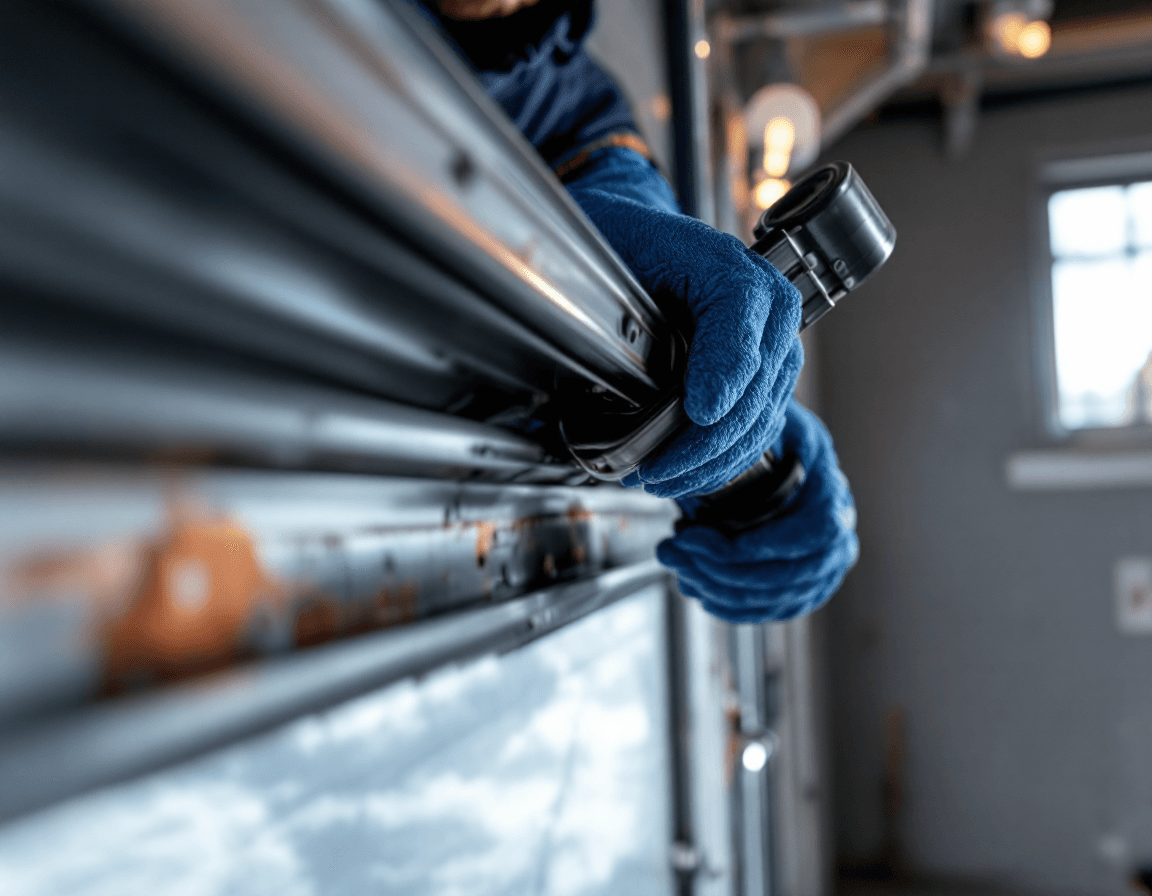
Garage Door Roller Replacement in Burien, WA is one of the most common repairs we handle, and it is also one of the easiest to put off. A worn roller rarely fails all at once. It usually starts as a faint squeak on a damp morning, then turns into a grind, and eventually the door hesitates halfway up. Homeowners in Burien often notice the change after a long wet stretch in late fall or early spring, when the sound seems to come out of nowhere.
Rollers are the small wheels that ride inside the vertical tracks on each side of your door and let the panels travel smoothly as the door opens and closes. Each roller carries a share of the door's weight, and when a roller cracks, flattens, or seizes, the load shifts onto the others and onto the track. That extra strain shows up as noise, shaking, and sticking, and it can stress the opener motor as well. Replacing the rollers is usually a modest job that restores the door's movement and makes it noticeably quieter.
This page explains how rollers wear in the Burien climate, what the common warning signs look like, how to choose between steel and nylon, what a professional swap involves, and when to call for help instead of trying a repair yourself. If you already know you have a noisy or jerky door, you can skip ahead to the symptoms section. If you are simply planning ahead, the timing and maintenance sections will help you keep the door in good shape through the coming seasons.
Why Burien Garages Tend to Wear Rollers Faster
Western Washington's climate is gentle in some ways and hard on hardware in others. Winters are long, wet, and mild, with frequent drizzle and days when the air never really dries out. Moisture settles into tracks, hinges, and roller bearings, and it encourages a film of grime that collects grit as the door cycles. Homes closer to the water feel this more strongly, because the marine air carries a faint salt presence that speeds corrosion on exposed steel.
Burien sits in a part of King County where many homes have attached or detached garages that are not always heated or insulated. Temperatures can swing from cool, damp nights to milder afternoons, and that repeated expansion and contraction loosens fasteners and stresses the nylon or steel in each roller. Garages on sloped lots may also see more water pooling near the door threshold, which can splash onto the lower track and wheels. Over several years these conditions add up.
Moss and mildew are another local factor. Shaded driveways and north-facing garage walls often grow a green film that can work its way into track seams. Once that debris sits against the roller surface, it acts like sandpaper every time the door moves. A technician looking at a roller from a Burien garage will often find a dark, gritty residue packed into the bearing area, which is one reason rollers that look fine from the outside can still be failing from the inside.
Recognizing the Sounds and Movements of a Failing Roller
Most roller problems announce themselves through sound long before they become a safety concern. A healthy door moves with a steady, fairly quiet rumble, while a door with worn rollers tends to produce a more irregular noise that changes from one part of the travel to another. Paying attention to when the noise happens can tell you a lot about which rollers are struggling. Here are the signs we most often hear described by Burien homeowners:
- A loud grinding or squeaking that starts as soon as the door begins to move
- A shaking or jerking motion as the door passes through a particular section of track
- Rollers that look visibly cracked, flattened on one side, or discolored from heat and wear
- Metal-on-metal scraping, which usually means a roller has seized and the wheel is dragging on the track
- The door binding or sticking at a specific height, often near the middle or top of travel
- A general desire for a quieter door, especially if the garage is attached to a bedroom or living space
Some of these symptoms can have other causes, such as a bent track, a loose bracket, or an opener that needs adjustment. That is why a professional inspection matters. A technician will check each roller by hand, look for flat spots and bearing play, and watch the door cycle to see where it binds. If the track is out of true, replacing rollers alone will not fully solve the problem, and the technician will tell you so before any work begins.
Steel Versus Nylon: Picking the Right Roller for Your Door
When you replace rollers, you will generally choose between steel and nylon, and each has a place. Steel rollers are sturdy and handle heavy doors well, but they can be noisy, especially if the bearings are not sealed or if the track is not perfectly clean. Nylon rollers, often with sealed ball bearings or steel stems, run far more quietly and resist the kind of corrosion that Puget Sound air encourages. For many Burien garages, especially those where the door is close to living space, a quiet nylon upgrade is the most satisfying choice.
Nylon is not automatically the right answer for every door. Very heavy or oversized doors may need a sturdier construction, and a technician will weigh the door's size and weight before recommending a material. Some older doors use a specific roller diameter or stem length, and the replacement must match the track and bracket dimensions to avoid new problems. A good installer will measure the existing rollers and confirm compatibility rather than guessing from the box.
Many homeowners ask whether a sealed bearing is worth the extra cost. In our experience, the answer depends on how much you use the door and how sensitive you are to noise. A door that cycles several times a day in a home office or a finished garage benefits from quieter, sealed rollers, while a seldom-used workshop door may be fine with a standard option. Whatever you choose, ask the technician to explain the trade-offs so you understand what you are getting.
What a Professional Roller Replacement Involves
A roller replacement is more involved than it first appears, and the steps matter because they protect both the door and the people nearby. A technician will begin by safely disengaging the opener and securing the door so it cannot move unexpectedly. Each roller is then removed from the track, usually by lifting the door slightly and working the old roller out of its bracket or hinge. The technician inspects the track, the hinges, and the brackets for damage before installing anything new.
Once the track is clean and sound, the new rollers are fitted and the door is cycled slowly by hand and then under power. The technician listens for binding, watches for uneven movement, and adjusts the track or hardware if needed. The opener's force and travel limits are also checked, because a roller change can alter how the door loads the motor. Finally, the technician tests the auto-reverse safety function to confirm the door responds correctly when it meets resistance.
It is worth asking your technician what they will not do. Replacing rollers should not require adjusting or removing the springs, cables, or drums, and that is a firm boundary for any roller job. If a technician suggests that spring or cable work is needed to complete the roller replacement, that is a separate service that must be handled carefully by a licensed professional. Clear communication at the start keeps the scope of work honest and the price predictable.
Expected Costs for a Full Set of Rollers
For a full set of garage door rollers, our typical range is $120 to $250, depending on the door and the roller type. That range generally reflects the parts and labor for replacing the complete set on a standard residential door. It is important to understand that this is a general range, not a quote for your specific door, and the final number will depend on what the inspection reveals. A quick visit can confirm the details before any work begins.
Several factors influence where a job falls within that range. The number of rollers on your door is one, since some doors use more wheels than others. The roller material matters as well, with sealed nylon options usually costing more than basic steel. Track condition can add time if brackets are bent or hardware is corroded, and the age of the door may affect how easily parts can be matched. If the inspection finds issues beyond the rollers, such as a damaged track or failing hinges, the technician should explain those separately so you can decide how to proceed.
Ask for a written explanation of what is included before you agree to the work. A reputable company will tell you whether the price covers removal of the old rollers, disposal, a test cycle, and a safety check. Clear pricing protects you from surprises and helps you compare options fairly. If you are weighing a roller job against a more extensive repair, the technician can help you see which path makes sense for the door's age and condition.
Track Alignment: The Partner That Keeps New Rollers Happy
New rollers can only do so much if the track they ride in is bent, loose, or dirty. Tracks take a surprising amount of abuse, from bumps by vehicles and bikes to years of gradual shifting as the house settles. A track that is out of square will put uneven pressure on certain rollers, causing them to wear quickly and making the door feel like it is fighting itself. Burien's damp soil and freeze-thaw cycles can also move a garage slab slightly, which may affect track alignment over time.
Before installing new rollers, a careful technician checks that the vertical tracks are plumb and that the horizontal section is level and properly pitched. The mounting bolts should be snug, and any bent sections should be straightened or replaced. Dirt and moss should be cleaned from inside the track, since debris left behind will damage the new rollers within a short time. A few minutes of attention at this stage often makes the difference between a quiet door that stays quiet and one that complains again within a season.
Homeowners can help by noticing whether the door has ever struck the track or whether the tracks look visibly bowed. If you see a gap between the track and the wall, or if the door seems to lean when it is partly open, mention it when you book the appointment. Those details help the technician plan the right tools and parts. A door that rides true is far easier on the entire system, from rollers to springs to opener.
Timing Your Roller Replacement Around Western Washington Weather
Burien's weather rarely forces a clean seasonal schedule, but there are still practical reasons to plan roller work at a sensible time. Late fall and winter bring the most rain, and tracks that are wet or muddy are harder to clean and inspect thoroughly. Many homeowners find that a dry stretch in late spring or early summer offers the easiest conditions for both the technician and the door. Booking then also means the door will be quiet heading into the damp months, which is pleasant for anyone who uses the garage as a workspace or hobby area.
That said, a noisy or sticking door should not wait for ideal weather. Rollers that are seized or cracked can strain the opener and make the door harder to control, and the longer the problem continues, the more likely it is to damage other components. If the door is currently binding, shaking, or scraping, schedule an inspection as soon as you can. The technician can tell you whether a short-term fix will hold until a better season, or whether the rollers should be replaced right away.
Consider your household's rhythm as well. If you have young children or pets who spend time near the garage, or if you use the door many times a day, quieter nylon rollers may be worth prioritizing. If the garage is used rarely and the door moves smoothly apart from a little noise, you have more flexibility in timing. The right choice balances convenience, safety, and the condition of the door.
Safety Boundaries: When to Call a Licensed Professional
Garage doors are heavy, and the systems that hold them up are under tremendous tension. The torsion springs or extension springs carry most of the door's weight, and the cables and drums guide it safely through its travel. Working on these parts without proper training and tools can cause serious injury, and it is the reason spring and cable repairs must always be left to licensed professionals. Roller replacement is generally a safer task, but it still involves a heavy door that must be handled carefully.
A few DIY habits are simply not worth the risk. Do not attempt to adjust or release tension on any spring, and do not try to remove or loosen a cable or drum. Avoid standing under a door that is partly open and not secured, and never attempt to lift a door by hand if the opener is malfunctioning. If the door is off its track or hanging crookedly, stop using it and call for service. Keep children and pets clear of the door during any inspection.
Some homeowners want to replace rollers themselves to save money, and that choice deserves honest consideration. Working with a helper, the correct tools, and a clear understanding of how the door is balanced can make the task manageable for an experienced person. Still, the risk of a door shifting unexpectedly is real, and a mistake can damage the track or the opener. Our recommendation is to let a licensed, bonded, and insured technician handle roller work, especially on doors that are heavy, older, or already showing signs of spring or cable wear.
Neighborhood Notes for Olde Burien, Three Tree Point, and Gregory Heights
Burien is a community of distinct pockets, and garages in each area tend to face slightly different conditions. Olde Burien, the historic downtown core, includes older homes and detached garages where tracks and hardware may have seen decades of use. Doors in this area often benefit from a careful track inspection, since older framing and settling can affect alignment. Technicians working here frequently find that a thorough cleaning and a quiet nylon upgrade transform the way the door feels day to day.
Three Tree Point sits along the Puget Sound shoreline, where salt air and moisture are a bigger factor. Garage hardware near the water tends to corrode faster, and rollers can pick up a gritty film from the damp atmosphere. For homes in this area, sealed nylon rollers and stainless or coated hardware are often worth considering, and regular cleaning of the track matters more than in drier parts of the region. Homeowners here may also notice that doors feel stiffer on cold, humid mornings.
Gregory Heights includes residential streets with varied lot grades and driveway slopes. Water runoff can reach the lower part of the garage door during heavy rain, and the lower track and rollers may see more debris and moisture as a result. Technicians serving this area often check drainage near the threshold and recommend keeping the track clean through the wet season. Across Burien, homes served under ZIP codes 98146, 98148, 98166, and 98168 face the same basic moisture challenges, but local lot conditions can shift how quickly wear appears.
Everyday Habits That Keep Rollers Quiet Between Visits
Good maintenance can extend the life of your rollers and keep the door quiet between professional visits. Start by wiping the track with a damp cloth to remove dust, pollen, and moss, taking care not to spray water into the opener or electrical components. Once or twice a year, check that the track bolts are snug and that the track is not visibly bent. These small checks take only a few minutes and often catch problems early.
Lubrication is useful, but it should be done with the right product. Use a silicone-based or lithium-based lubricant on the roller stems and hinges, and avoid heavy grease that attracts grit. Do not lubricate the track itself in a way that leaves sticky residue, since that can trap dirt and make the rollers noisier over time. If you are unsure which product suits your door, ask the technician during your next visit.
Pay attention to changes in sound and motion. A new squeak, a shudder at one point in the travel, or a door that seems to pause before continuing is a signal to schedule an inspection. Catching roller wear early often means a simpler and less costly repair, and it protects the opener and springs from unnecessary strain. Your garage door is a large, heavy system, and steady care keeps it running smoothly for years.
If your Burien garage door is grinding, shaking, sticking, or simply louder than it used to be, Seattle Garage Door Fix can help. Our licensed, bonded, and insured technicians will inspect your rollers and tracks, explain your options in plain language, and recommend a quiet, lasting solution. Call (888) 799-3819 to schedule a roller replacement or an inspection, and let us help you enjoy a smoother, quieter door.