
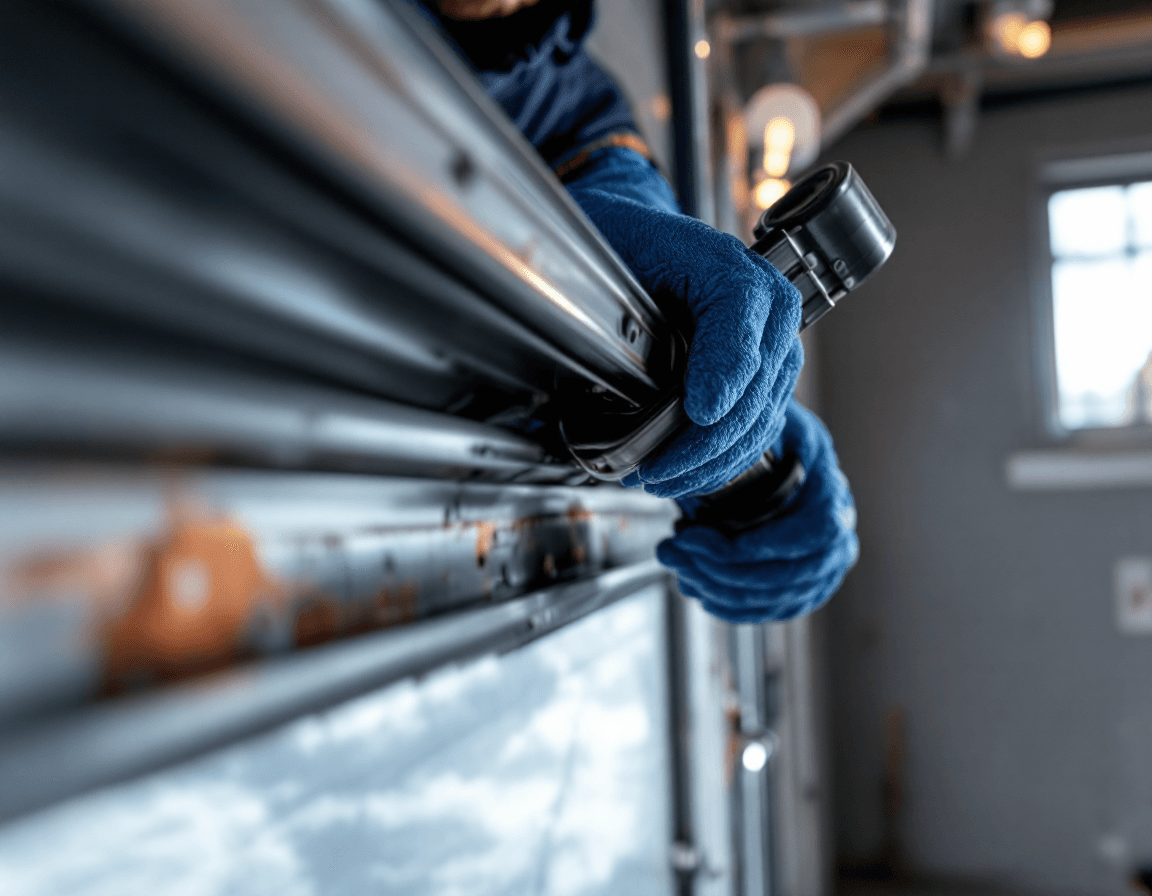
Garage door roller replacement in Tukwila, WA is one of the most common and affordable repairs we handle, and it often makes a bigger difference than homeowners expect. Rollers are the small wheels that ride inside the vertical and horizontal tracks and carry the weight of your door on every cycle. When they wear out, the door stops gliding and starts fighting its own hardware, which can strain the opener, the springs, and the panels. A set of replacement rollers usually runs $120 to $250 for a full set, depending on the door size and the roller type you choose.
Tukwila sits in the Duwamish and Green River valley, with the Southcenter retail district, Tukwila Village, and the Allentown neighborhood all within a few miles of one another. That mix of older single-story homes, newer townhomes, and multi-unit buildings means garage doors here see a wide range of use, from daily commuter traffic on I-5 and I-405 to weekend projects and frequent trips with kids and cargo. Western Washington's damp, mild winters and cool, cloudy springs keep moisture in the air for long stretches, and that moisture finds its way into bearings and track joints. If your door has started to grind, squeak, shake, or stick, the rollers are a good place to start looking.
This guide walks through how rollers wear, what the warning signs sound and feel like, how we compare steel and nylon options, what to expect during a service visit, and where the line between a homeowner task and a professional job sits. We have written it as a practical resource for Tukwila residents, not as a sales brochure, so you can make an informed decision whether you call us or handle the first checks yourself. If you need help at any point, our team is available at (888) 799-3819.
Why Tukwila Garage Doors Wear Their Rollers Down Faster Than Expected
Rollers do not fail on a schedule that matches the calendar. Their lifespan depends on how many cycles the door completes, how heavy the door is, how well the track is aligned, and how much moisture and grit reach the moving parts. In the Tukwila area, road spray from busy arterials and the fine dust that settles in the valley can collect in track channels and mix with lubricant into a gritty paste. That paste acts like sandpaper on the roller stems and bearings each time the door moves. Over time the rollers develop flat spots, lose their smooth rounded profile, and begin to bind.
Moisture is the other major factor. Western Washington winters bring long periods of drizzle and fog, and many garages are not climate-controlled, so humidity cycles between damp and dry throughout the year. Steel rollers exposed to repeated wet-dry cycles can develop surface rust, which roughens the bearing surface and eventually causes the wheel to seize on its stem. Nylon rollers resist rust entirely but can still crack or deform over many years if the door is heavy or the track is out of alignment. Either way, the moisture that sits in a Tukwila garage over the winter months is a real contributor to premature wear.
Heavier doors also accelerate roller wear. Insulated steel doors, wider two-car doors, and doors with added windows or decorative hardware weigh considerably more than the basic doors many older homes still have. Every additional pound pushes harder on the rollers as the door rises and lowers, particularly where the track curves from vertical to horizontal. Homes near Southcenter and Tukwila Village often have a mix of door styles, and we find that heavier insulated doors tend to show roller wear sooner than lighter models do.
Reading the Noises and Movements Your Door Is Making
Your garage door is usually good at telling you when something is wrong, but the messages are easy to misread. A rhythmic squeak that happens every time the door passes a certain point usually points to a roller with a dry or corroded stem. A grinding sound that grows louder as the door travels suggests a bearing that has lost its smoothness or a roller that is beginning to flatten. Metal-on-metal scraping often means a roller has seized and is dragging its track surface instead of rolling freely. A sharp clunk at the top or bottom of the travel can indicate a loose bracket or a roller that has slipped partly out of its track.
Movement problems are just as telling. A door that shakes or jerks along the track, particularly in the first few feet of lift, often has rollers that are unevenly worn so that one side catches while the other glides. Binding or sticking at specific points usually means one roller has seized or the track has a bend or a spot where a roller is catching on a seam. If the door hesitates, stops, and then resumes with a jolt, check whether the rollers are the source before assuming the opener is failing. A simple way to test this is to disconnect the opener and lift the door gently by hand, watching how it moves through each section.
Here are the signs we most often see in Tukwila homes that point toward roller replacement:
- A squeal or grind that changes pitch as the door moves, especially during the first and last few feet of travel
- Visibly flattened, cracked, chipped, or discolored roller wheels when you look closely at the track
- A roller stem that wobbles in its bracket or a roller that spins unevenly when you turn it by hand
- Shaking, jerking, or a sudden change in speed that you can feel through the floor or hear as a bump
- Scraping sounds that started after a particularly wet season or after the door was left unused for a long stretch
If you notice any of these, the best next step is a closer inspection rather than a quick fix. A spray lubricant may quiet a squeak for a few days, but it will not repair a flattened wheel or a seized bearing. Continuing to run a door with failing rollers can damage the track, bend the brackets, and add stress to the opener motor. Catching the problem early almost always keeps the repair simple and the cost low.
Steel or Nylon: Choosing the Right Rollers for Quiet, Smooth Travel
Most garage door rollers fall into two broad categories: steel and nylon. Steel rollers, sometimes called steel-tire rollers, have a metal wheel and typically a sealed or greased ball bearing. They are strong, handle heavy doors well, and tend to be the standard replacement for many older doors. The trade-off is that steel rolls with more noise, particularly on older tracks, and steel tires can wear grooves into the track or develop rust if they are exposed to moisture over many seasons.
Nylon rollers use a molded nylon tire, often around a steel or nylon stem with a bearing inside. They run noticeably quieter, which is why many homeowners in Tukwila and across King County choose them when they want a smoother, calmer door, especially if the garage is attached to a bedroom or living space. Nylon also resists rust and tends to be gentler on the track surface. The main considerations are weight rating and temperature: higher-quality nylon rollers are designed for the load of your door, and a cheap or undersized nylon roller can flatten or crack sooner than a steel one would.
Stem type matters too. Many rollers use a short stem that fits a standard bracket, while others have a longer stem for thicker or heavier doors. Some rollers have sealed bearings that never need lubrication, while others are meant to be lubricated periodically. Choosing the wrong stem length or bearing type can cause misalignment or early failure, so we match the rollers to the door's track size, weight, and existing hardware rather than simply replacing like with like. For many Tukwila homeowners, a full set of quality nylon rollers offers the best balance of quiet operation and durability, and that is the upgrade we recommend most often when noise is the main concern.
What a Full Roller Set Typically Costs in Tukwila
Our pricing for a full set of garage door rollers generally falls between $120 and $250. The exact amount depends on how many rollers your door uses, which type you select, and whether any brackets, hinges, or track sections also need attention during the visit. A standard single-car door typically uses a set of rollers along each side plus additional rollers at the hinge points on many panel designs, so the total count can vary significantly from one door to the next. Heavier insulated doors and larger two-car doors may require higher-rated rollers, which can shift the total within that range.
It helps to understand what the price usually covers. A full roller set includes the rollers themselves, the labor to remove the old rollers, inspect the track and brackets, install the new rollers, and check that the door tracks smoothly through its full travel. A proper service visit also includes tightening hardware that has loosened over time and verifying that the door is balanced, since an unbalanced door puts extra strain on new rollers and on the opener. If we find a bent track section or a damaged bracket, we will explain the additional cost before doing any extra work.
Price should not be the only factor when deciding how to proceed. A roller set that costs little but is installed with poor alignment will wear out quickly and may cause the door to bind again within months. A quality installation with properly rated rollers, checked alignment, and a balance test gives you a door that runs quietly for years. We would rather give you a clear, honest estimate than a low number that leads to repeat visits, and we will walk you through the options so you can choose the level of quietness and durability that fits your home.
Our Roller Replacement Process from Inspection to Final Test
A typical service visit starts with a complete inspection of the door, not just a quick look at the rollers. We check the springs, cables, brackets, and opener connection to confirm that the rollers are the actual source of the noise or movement. We then examine each roller, looking for flat spots, cracks, corrosion, and wobble in the stem, and we check the track for dents, bends, and debris that can damage new rollers. This step helps us avoid replacing parts that are not the real problem.
Once the diagnosis is clear, we remove the old rollers and clean the track channel to remove the grit and old lubricant buildup common in Tukwila garages. New rollers are installed with the correct stem length and bearing type for your door. We then lubricate the track and hinge points with a product suited to the rollers you chose, since some nylon rollers should not be coated with heavy grease. We pay attention to how each roller seats in the track so it rides evenly without pinching or jumping at the curve transitions.
Finally, we test the door through several full cycles, both by remote and by manual check, listening for noise and watching for shaking or binding. We confirm that the door stops and reverses correctly with the opener and that the auto-reverse safety feature responds as intended. Before we leave, we walk you through what we found and what we did, and we offer simple guidance on how to keep the new rollers performing well. The goal is a door that runs smoothly and quietly from the first lift to the final close.
Track Alignment and the Partner Problem Behind Many Roller Complaints
Rollers rarely fail on their own. In many cases, the track has shifted slightly over the years, through settling of the garage slab, minor impacts from vehicles or equipment, or loosened bolts that let the track drift out of its intended position. When the track is misaligned, rollers ride at an angle or press against one edge of the channel, which causes uneven wear and noise. Replacing the rollers without addressing the track may give you a temporary improvement, but the new rollers will wear out faster if the underlying alignment is still off.
Tukwila homes, like many in the region, sit on soils and slabs that can shift slightly with seasonal moisture. Garages built on older foundations sometimes show gradual changes in the floor, and those changes can affect how the track sits against the door frame. We check track plumb, level, and parallel as part of every roller service, and we tighten or adjust the track brackets when needed. This step takes a little extra time but makes a noticeable difference in how smoothly the door operates.
Hardware wear can also contribute to misalignment. Bolts loosened by repeated vibration, worn hinge bushings, and bent end brackets all change how the door travels. A door with one side lower than the other or with a visible gap between the top panel and the header is often showing an alignment issue. We recommend having the track and hardware checked any time you replace rollers, because a little adjustment during the same visit can extend the life of your new parts considerably.
Timing Your Roller Service Around Tukwila's Seasons
Western Washington's weather shapes when garage door problems show up. The long, wet stretch from late autumn through early spring brings the most moisture and the most grit into garages, and that is often when homeowners first hear the grinding or squeaking that signals worn rollers. Many residents notice the problem in November or December, when the door sounds rougher on damp mornings and the track feels stiffer. Scheduling a roller check before the rainy season begins can help you avoid a rushed repair during a cold snap.
Spring and early summer are often a good time for a deeper service visit. The garage is typically drier, the track has had a chance to dry out, and the door tends to move more freely, which makes it easier to diagnose subtle issues. A spring inspection also gives you a chance to clean the track, check the hardware, and plan any upgrades before the heavy use of summer weekends and holiday travel. Homes near Southcenter that get frequent weekend shopping trips or regular moving of bulky items often benefit from a mid-year check.
Winter cold can also make a difference, particularly during the occasional freezing night that Tukwila sees. Cold temperatures stiffen lubricants and can make an already worn roller stick at a point it used to pass smoothly. If your door begins to hesitate on a cold morning but runs fine after it warms up, that is a sign that the rollers are close to the end of their useful life. Acting on that warning before a full seizure keeps the repair simpler and reduces the risk of damage to the track.
Safety Boundaries: What You Should Never Attempt Yourself
Roller replacement is one of the more approachable garage door tasks, but it does involve parts that can cause serious injury if handled incorrectly. Torsion springs and extension springs store a large amount of energy, and a spring that releases unexpectedly can cause severe harm. Lift cables are under tension and can snap or unwind if they are disturbed. These components are not part of a typical roller swap, but they are close enough to the work that a homeowner can accidentally expose themselves to them while moving the door or removing brackets.
We recommend that you never attempt to adjust, wind, or remove springs yourself, and that you never disconnect or work on lift cables without professional training. If your inspection reveals a broken spring or a frayed cable, that is a job for a licensed, bonded, and insured technician. Our team is trained to handle these components safely, and we bring the tools and equipment needed to do the work without putting you at risk. Attempting spring work with improvised tools is one of the most common causes of serious garage door injuries.
For roller work itself, keep the door closed and the opener disconnected before you begin any inspection that involves putting your hands near the track or hinges. Support the door securely if you need to lift it by hand, and never stand directly beneath an unsupported section. If anything feels stuck, forced, or unusually tight, stop and call for help rather than pushing through. A few extra minutes of caution is always worth it when working around a heavy door.
Simple Habits That Extend Roller Life Between Service Visits
You can take several practical steps to help your rollers last longer. Keep the track clean by wiping out loose dirt and debris every few months, paying special attention to the bottom section where grit tends to collect. Avoid using heavy grease on the track, since it attracts dust and forms a sticky paste that accelerates wear. Instead, use a lubricant recommended for garage door components, and apply it sparingly to the roller stems and hinge points rather than to the track surface itself.
Other habits make a difference too. Run the door through a full cycle occasionally, even when you use a side entry, so the rollers and bearings do not sit idle in one position for months. Check the door balance by disconnecting the opener and lifting the door partway by hand; a well-balanced door should stay roughly in place when released. Tighten visible bolts on brackets and track sections if you notice they have loosened, but do not overtighten, since that can crack mounting points or distort the track.
- Wipe the track channels clean each season, especially along the bottom curve where road grit collects
- Apply a light coat of garage door lubricant to roller stems and hinge pivots, not to the track surface
- Listen for changes in sound and note when they happen, since the timing often points to the specific roller
- Keep the garage ventilated when possible to reduce persistent damp air during wet months
- Schedule a professional inspection every year or two, particularly if the door is heavy or heavily used
These small habits will not replace professional service, but they help you catch problems early and keep your rollers running quietly between visits.
Serving Tukwila and Nearby Neighborhoods from Southcenter to Allentown
Our team serves Tukwila and the surrounding communities across King County, with coverage that includes residential areas near Southcenter, the walkable blocks around Tukwila Village, and the homes in the Allentown neighborhood. We regularly handle roller service for homes in ZIP codes 98168, 98178, and 98188, and our technicians are familiar with the layout of the area's older ranch homes, newer townhome clusters, and detached garages that were added on over the decades. Many of these properties have doors and tracks that have been adjusted or replaced over time, so each visit begins with a careful look at what is already installed.
Because Tukwila is close to major routes including I-5 and I-405, many residents rely on their garage every day for commuting, errands, and getting to appointments on time. A door that suddenly sticks or grinds on a weekday morning can disrupt a full schedule, which is why we aim to arrange visits that fit around your routine. Whether your garage is near the busy shopping corridor or tucked into a quieter residential street, we can usually provide clear timing and a straightforward estimate before any work begins.
We are a licensed, bonded, and insured garage door repair company, and we are happy to explain our approach to roller work in plain language. If you are not sure whether your door needs new rollers, a quiet upgrade, or a broader inspection, we can help you sort through the options. Our goal is to keep your door running smoothly and safely for years to come.
Getting Your Tukwila Garage Door Running Quietly Again
If your door is grinding, squeaking, shaking, or sticking, roller replacement is often the most effective fix, and it is among the more affordable garage door repairs available. A full set of rollers in Tukwila typically runs $120 to $250, and a quality nylon upgrade can make a noticeable difference in how quiet your home feels in the mornings and evenings. Acting on early warning signs keeps the repair simple and protects the rest of your door hardware from unnecessary strain.
For a licensed, bonded, and insured technician to inspect your rollers, check your track alignment, and install the right replacement set, call Seattle Garage Door Fix at (888) 799-3819. We will explain what we find, give you a clear estimate, and help you choose the roller type that fits your door and your household's needs.