
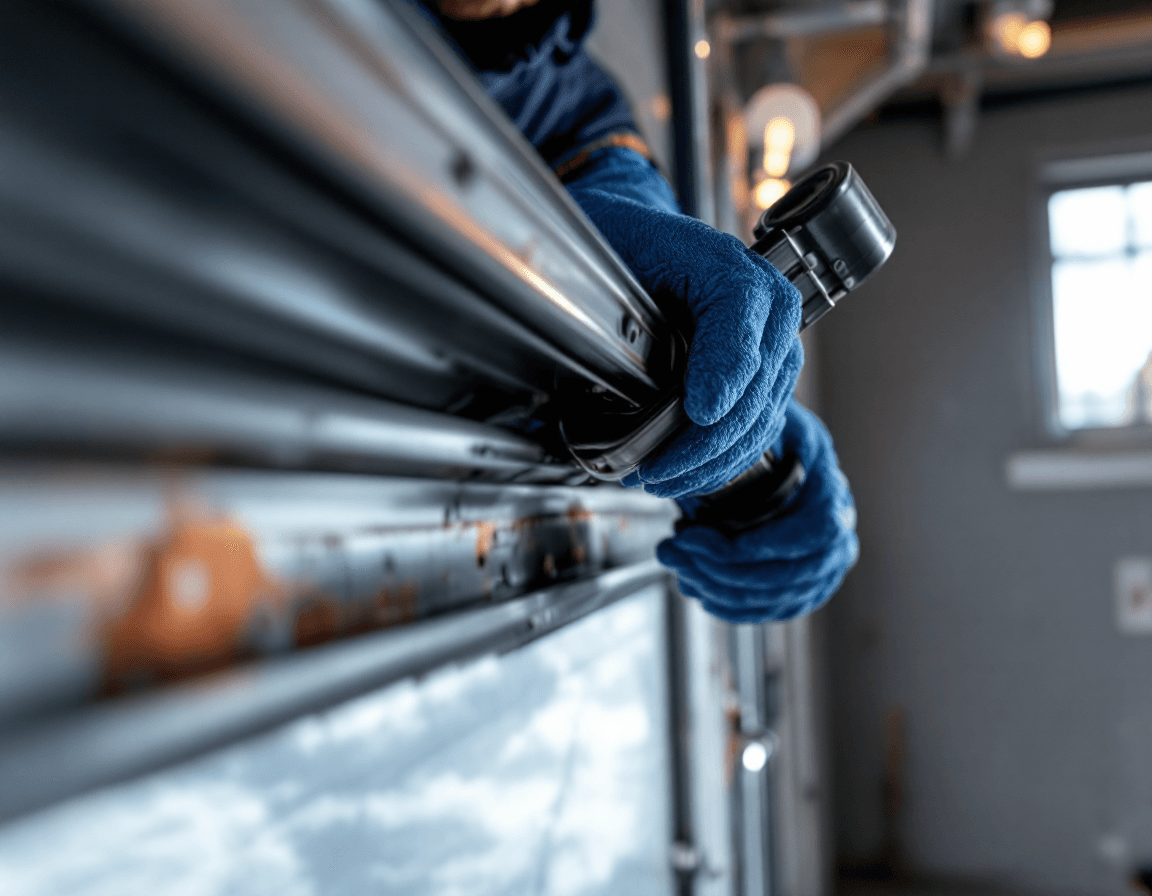
Garage door roller replacement in Kent, WA is one of the most common repairs we handle, and it is one of the most noticeable. A door that rattles, shudders, or screeches on every trip often becomes quiet and steady once a fresh set of rollers is installed. Many homeowners on the east side of the city live with the noise for months because it seems like a nuisance rather than a problem. That sound is usually the first sign that the rollers, the track, or both are wearing out.
Rollers are small parts with a big job. Each one carries a share of your door's weight as it travels up and down the track, and each one has a bearing or a wheel surface that slowly degrades with use. When that surface cracks, flattens, or seizes, the door has to work harder to move, and the extra friction shows up as grinding, jerking, or binding. Replacing the full set at once is the approach we recommend in most cases, because the old rollers that are still rolling have already been through the same wear as the ones that failed.
This page explains what worn rollers look and sound like, how the local climate affects them, what the choice between steel and nylon really means for your daily experience, and what a typical job involves. It also covers what a full set usually costs and when a licensed technician should take over. Our pricing for a complete roller set generally falls between $120 and $250, and the final number depends on the door and the parts involved. If you are hearing any of the symptoms described below, read on, and call us at (888) 799-3819 whenever you want a second opinion.
Why Kent Garage Doors Wear Rollers Faster in the Damp Seasons
Kent sits in the Green River valley, and the Pacific Northwest's long, damp stretches leave their mark on anything made of steel or tied to a moving track. Winters bring extended periods of moisture, and even when the rain eases, humidity lingers in the air and settles into garages that are rarely heated or sealed tightly. Steel track and steel roller stems can develop surface rust in those conditions, and rust makes the track rougher and the rollers harder to turn. Over time, that roughness chews into the roller's wheel surface and wears it unevenly.
Homes in neighborhoods like East Hill and around Panther Lake often have detached or attached two-car garages that get heavy daily use, with bikes, lawn equipment, and recycling bins moving in and out every week. Each open and close cycle puts the rollers through thousands of small rotations a year, so even a modest wear rate adds up. Garages near busy streets also tend to see more vibration from traffic, which can loosen hardware and shift the track a few millimeters out of true. Those small shifts put side pressure on the rollers, which accelerates wear on one edge.
The result is that many of the rollers we replace in Kent are not old in years so much as worn by conditions. A roller that would last a long time in a dry climate may show flat spots, pitting, or cracked nylon within a few seasons here. Keeping an eye on the door during the wettest months of the year helps you catch problems before they turn into a seized roller that jams the door halfway up.
Reading the Noises: What Grinding, Squeaking, and Scraping Tell You
Your garage door speaks clearly if you listen to it. A steady squeak that rises and falls with the door often points to a dry or worn roller stem rubbing inside its bracket. A rhythmic clicking or thumping usually means a roller has a flat spot or a crack, and each revolution bumps the track. A harsh grinding sound, especially at the start of travel, can mean the roller bearing is failing or that grit has worked its way into the wheel.
Metal-on-metal scraping deserves prompt attention. When a roller's outer surface has worn away, the steel core of the roller or the bracket can contact the track directly, and that contact scrapes away finish and creates a rough patch. Once that happens, the track itself can start to wear, which means a simple roller swap may need a track cleaning or minor adjustment to fully fix the problem. Catching the sound early keeps the repair simple.
Pay attention to where in the door's travel the noise occurs. A sound that only happens at the top of the track, where the door curves over, often indicates a roller in the curve section that is seized or misaligned. A sound that happens across the full height usually points to a general wear pattern across the set. Note the timing, the pitch, and whether the door sticks or jerks, because those details help a technician diagnose the job quickly when you call.
- A squeak that repeats evenly with each cycle usually means a dry or worn roller stem.
- A clicking or thumping sound often indicates a flat spot or crack on the roller surface.
- Grinding at startup can point to a failing bearing or debris inside the roller.
- Scraping metal sounds suggest the roller has worn through to the core and may be damaging the track.
- Noise limited to the curve at the top of the track often signals a single seized roller in that section.
Nylon Versus Steel: Choosing the Right Roller for Quieter Operation
Roller material is the decision that shapes how your door sounds for years. Steel rollers are sturdy and handle heavy doors well, but they run louder, especially on a steel track, and they are more prone to rust in the damp conditions common across Kent. Nylon rollers, particularly sealed nylon designs with steel or sealed bearings, run noticeably quieter and do not need as much lubrication to stay smooth. For homeowners who use the garage as a workspace, a family room adjacent to the garage, or a space where a loud door is disruptive, nylon is often the best upgrade.
Quality matters more than the label. A well-made nylon roller with a sealed bearing will outlast a cheap nylon roller with a plain bushing, and the difference usually shows up within a season or two. We recommend matching the roller type and bearing style to the door's weight, track size, and how often the door cycles. Some heavier insulated doors do better with reinforced steel-core rollers, even when a homeowner would prefer nylon, so the right answer depends on the specific door.
Weigh the trade-off honestly. Nylon costs a bit more per roller than basic steel, but the set often pays off in quieter mornings and fewer service calls. Steel rollers remain a reasonable choice for an older, budget-focused installation, provided the track is clean and well lubricated. Either way, replacing the full set rather than a single roller keeps the wear pattern even and the sound consistent across the door's travel.
Inspecting Your Rollers Without Taking On Spring Tension
You can learn a lot about your rollers with a flashlight and a careful eye, and no special tools are required. Start by closing the door fully and disconnecting the opener so the door cannot move unexpectedly. Look at each roller in the track and check whether the wheel surface is smooth and round, whether there are visible cracks or chunks missing, and whether the stem wobbles inside the bracket. A roller that looks flattened on one side or has a shiny, polished patch is usually ready for replacement.
Be aware of what this inspection does not include. Rollers sit alongside the torsion springs and cables that hold the door's weight, and those components store a large amount of energy that can cause serious injury if handled incorrectly. Do not loosen, adjust, or remove any spring, cable, or drum component, and do not try to wind or unwind a torsion spring. Keep your hands and fingers clear of the track and the pulleys while the door is moving. If your inspection reveals a frayed cable, a broken spring, or a door that will not stay balanced, stop there and call a licensed professional.
Checking the track is part of the same inspection. Look for dents, bends, loose bolts, and rust or dark residue along the track's inside surface. A track that is out of alignment can wear new rollers quickly, so noting track problems at the same time saves you from replacing parts that will fail again soon.
How a Technician Replaces a Full Roller Set
A professional roller replacement follows a predictable sequence designed to keep the door secure throughout the job. The technician first confirms the door is balanced and safely supported, then disconnects the opener and ensures the door cannot drop. Working in sections, the technician removes the bottom bracket, slides the old roller out of the track, and installs the new roller in the same position. Each roller in the set is handled the same way, with the technician checking alignment as the work progresses.
Once the rollers are seated, the technician moves the door slowly by hand to confirm smooth travel and no binding. Hinges, brackets, and track bolts get inspected and tightened, because loose hardware is a frequent cause of noise that gets mistaken for a bad roller. The track is cleaned of debris and checked for alignment, and any minor adjustments are made before the job is considered complete. The door is then run through several full cycles with the opener to verify it operates quietly and stops where it should.
Most full roller sets can be replaced in a single visit, though the time varies with the door's size, the number of rollers, and whether any track or hinge work is also needed. A knowledgeable technician will explain what they found, what they replaced, and what you should watch for in the coming weeks. That conversation is worth having, especially if the door has a history of noise that returned after an earlier repair.
Track Alignment and Why New Rollers Sometimes Still Bind
Occasionally a homeowner calls after new rollers are installed and reports that the door still sticks or sounds rough in one spot. This usually traces back to the track rather than the rollers themselves. A track that has been bumped, a bracket that has loosened, or a section that was never perfectly plumb will create side loads that make even brand-new rollers bind. Checking alignment is a standard part of the job for exactly this reason.
Kent's older homes and some newer builds in the area can have garage framing that settles slightly over time, and that movement can shift the header or side jambs enough to affect track geometry. The track has to run parallel and level to the door opening, and when it drifts, the rollers carry the strain unevenly. A technician uses a level and a measuring tape to confirm the track is true, then adjusts brackets or shims as needed. A track that has been out of alignment for a long time may need more than a quick tweak.
If your door binds or jerks after a roller job, do not keep running it while it sticks. Forcing a binding door can damage the opener, bend the track further, or put strain on the springs. Call us so we can check the alignment and confirm the rollers are seated correctly before the problem gets worse.
Lubrication Habits That Keep Rollers Rolling Through Wet Seasons
Lubrication is the simplest maintenance step that most homeowners overlook, and it makes a real difference in a damp climate. Rollers that are properly lubricated run quieter and last longer, while dry rollers wear faster and create the squeaks many people mistake for a bigger problem. A lithium-based garage door lubricant or a silicone spray is appropriate for most rollers and tracks, and the product should be applied sparingly. Heavy grease can attract dust and grit, which then grinds into the roller surface.
Lubricate the roller stems and the hinge points rather than the track's running surface, since oil on the track can collect grime and cause the rollers to slip. Wipe away any excess with a clean rag so you do not leave drips on the floor or the door's bottom seal. Many homeowners find that a light application twice a year, plus a check during the wettest months, keeps the door running smoothly. If you have nylon rollers with sealed bearings, they often need little or no lubrication, so check the manufacturer's guidance before applying anything.
Keep the garage itself in mind as well. Moisture trapped near the door encourages rust, so improving ventilation or running a dehumidifier in a closed garage can extend the life of both rollers and track. Sweeping the track area to remove leaves, dirt, and small debris also helps, because grit is one of the fastest ways to wear a roller surface down.
What a Full Roller Set Costs in Kent and What Shapes the Price
For most standard residential doors, the price of a full roller set typically falls between $120 and $250. The range reflects several factors, including the number of rollers, the material you select, and the size and weight of your door. A basic steel set on a single-car door sits at the lower end, while a quieter sealed nylon set on a large, insulated double door sits toward the upper end. Your final figure depends on the specific roller configuration your door uses.
Other items can change the total. If the track needs alignment, if a bracket is bent, or if a hinge or bearing support is worn, those repairs add to the work. A technician should explain these items before proceeding so you can decide what to include. Choosing to replace only one or two rollers may appear to save money in the short term, but mixing worn and new rollers usually leads to uneven wear and another service visit sooner than you would like.
When you request an estimate, describe the symptoms you are noticing and note the door's width, the type of rollers you currently have if you know them, and any recent changes such as new insulation or a new opener. Clear details help us give you a realistic picture of what the job will involve before the technician arrives.
Neighborhood Notes: East Hill, Panther Lake, and Kent Station Homes
Kent's neighborhoods each have a different mix of home styles, and that mix influences how garage doors are used and maintained. Homes on East Hill often feature newer construction with larger two-car garages and heavier insulated doors, where quieter nylon rollers and reinforced brackets can make a noticeable difference. Owners in these homes often want a door that runs as smoothly as the rest of the house, so sound level is frequently part of the conversation.
Around Panther Lake, many homeowners live in established neighborhoods with garages that have seen decades of use. Those older doors sometimes have track systems that have been modified or repaired over the years, which means alignment and hardware checks deserve extra attention during a roller job. A careful inspection of the whole system often reveals small issues that, if fixed together with the rollers, prevent a return visit.
Homes near Kent Station and the downtown core tend to have compact garages and busy households, with frequent door cycles and limited space to work around. Efficient scheduling and a clean, organized workspace matter in those situations, and the technician should explain what to expect during the visit. Whatever part of Kent you live in, the goal is the same: a door that opens quietly, closes firmly, and stops consistently every time.
When to Stop DIY and Call a Licensed Technician
Roller replacement can be approached carefully by a homeowner who is comfortable with basic tools, but the job has clear limits. The moment a repair involves springs, cables, drums, or any load-bearing component, the work belongs to a licensed and insured professional. Torsion springs under tension can release with enough force to cause serious injury, and a door that falls because it was improperly supported can damage property as well as people.
Call a licensed technician if you see a cable that is frayed or off its drum, a spring that is visibly gapped or broken, a door that will not stay in place when partially open, or a roller that is seized inside its bracket and cannot be freed safely. Also call if the door has been bent, if the track is damaged, or if you have tried a roller replacement that did not resolve the noise or binding. A professional can diagnose the root cause quickly and make the repair without putting you at risk.
Our team at Seattle Garage Door Fix is licensed, bonded, and insured, and we serve Kent and surrounding communities across King County and Western Washington. Whether you need a complete roller set, a quieter nylon upgrade, or a full inspection of your door's track and hardware, we are ready to help. Call (888) 799-3819 today to schedule your roller replacement in Kent and enjoy a smoother, quieter door.