
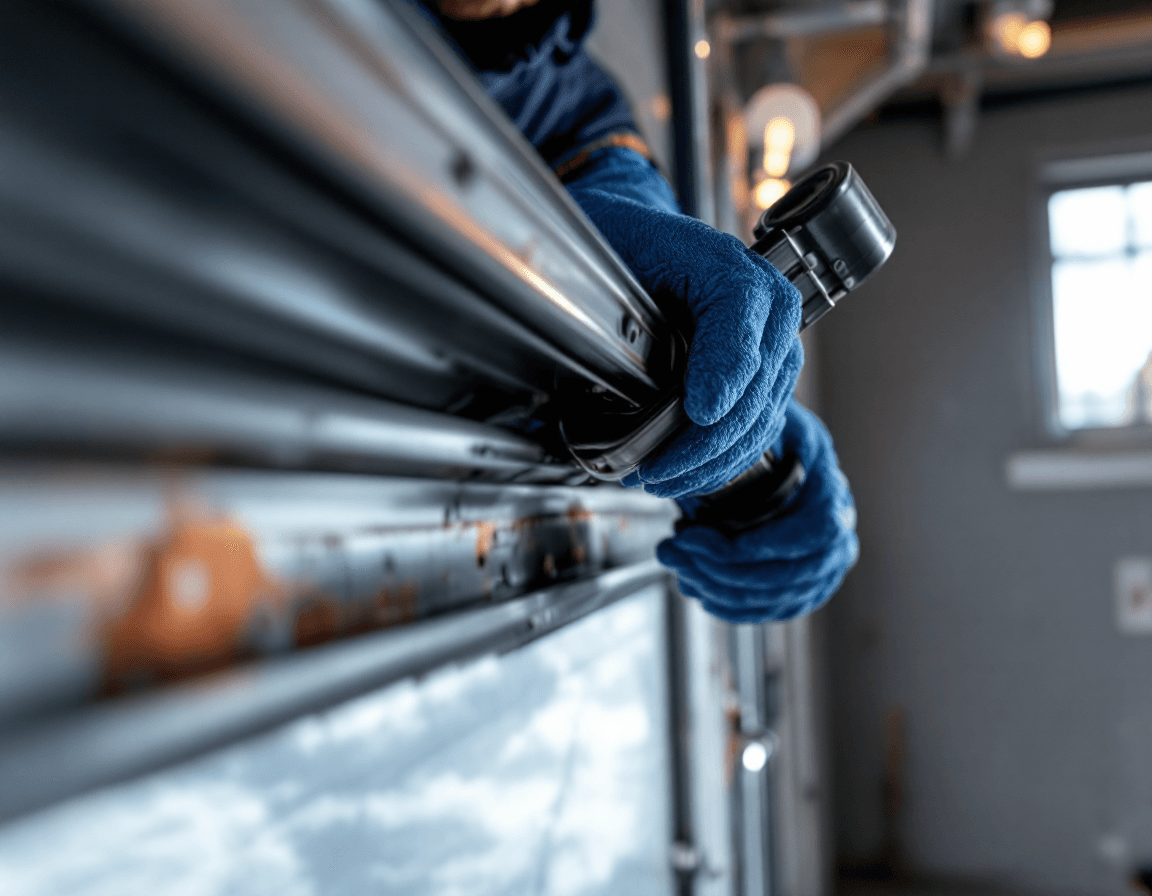
Garage Door Roller Replacement in Normandy Park, WA is one of the most common repairs we handle for homeowners on the peninsula, and it is also one of the easiest to put off. A door that rumbles a little more each month or chatters when it reaches the top of the track rarely fails all at once. The rollers usually get worse gradually, and by the time the noise is impossible to ignore, the wear may have spread to the track and the door's hardware.
Normandy Park sits right on the water, and the marine air here is harder on garage doors than many homeowners expect. Salt haze, damp mornings, and long stretches of rain keep steel and bearings working in moisture for much of the year. Replacing worn rollers before they seize or crack protects the rest of your opener system and keeps the door moving evenly. This page explains how roller problems develop in our area, what to listen for, what your options are, and what a typical repair visit involves.
Whether your door is on a quiet side street near the Cove or on a driveway farther up toward Marine View, the goal is the same: smooth, quiet travel every time you press the button. A full set of rollers typically runs $120 to $250, depending on door size, track type, and the roller style you choose. The sections below walk through the details so you can decide whether a roller replacement is the right fix for your situation.
Why Rollers Wear Faster Near the Sound
Garage door rollers are small wheels that ride inside the vertical and horizontal tracks and carry the weight of the door as it opens and closes. Most standard rollers have a steel ball-bearing core wrapped in a steel or nylon tire, and the bearings are sealed or lightly lubricated at the factory. Over time, the lubricant breaks down, dust and grit get into the bearings, and the tire starts to flatten or crack. Near saltwater, these processes speed up because moist, salty air settles on metal parts and promotes corrosion.
Normandy Park homes often have garage doors that face prevailing winds from the west and southwest, which means they catch more spray and damp air than inland properties. Even when a door is not directly exposed, the humidity that lingers through fall and winter can rust the steel stem of a roller and cause the bearing to stick. Once that happens, the roller stops turning freely and starts to drag along the track, which accelerates wear on both the roller and the rail. A roller that should last many years can fail in a fraction of that time if it is never cleaned or inspected.
Shade and tree cover also play a role here. Many streets in the area are lined with mature trees, and the resulting needle drop, leaf litter, and moss can collect in the bottom track and around the roller housings. That debris holds moisture against metal and traps grit that grinds into the bearing every time the door moves. Regular inspections, especially before and after the wet season, help catch these problems early.
Reading the Sounds Your Door Is Making
Your garage door is usually good at telling you when something is wrong, but the noises are easy to misread. A loud grinding sound, a high-pitched squeak, or a metallic scrape can each point to a different issue, and it helps to know which is which before you call for service. A worn roller often produces a rough, rhythmic rumble that changes with the speed of the door. A dry or seized bearing tends to make a shrill squeal that starts at the beginning of travel and may fade as the door warms up.
Scraping or clanking that happens only at a particular point in the door's travel is a strong sign that a roller has cracked or flattened in one spot. Because the roller no longer rolls evenly, it bumps against the track edge or drags sideways until the door passes that section. Homeowners sometimes describe this as the door "catching" or hesitating, which is worth paying attention to because it can strain the opener motor and the door panels.
Here are the most common sounds we hear from Normandy Park customers and what they usually indicate:
- A steady grinding or growl that gets louder with speed usually means worn bearings or a rough roller surface.
- A thin squeal at the start of travel often points to dry bearings or rust on the roller stem.
- A thump or jolt every few feet along the track suggests a flat spot or a cracked nylon tire.
- A scraping noise when the door reaches the top of the track may come from a roller rubbing the track bracket.
Keep in mind that sounds alone do not always pinpoint the cause. A door that is out of alignment or has a loose track bracket can produce similar noises, so a proper inspection is the only reliable way to know what is happening.
Steel Versus Nylon: Choosing the Right Roller for Your Door
When it comes time to replace rollers, you will usually have two main choices: standard steel rollers and nylon rollers, which are sometimes sold as quiet or upgraded rollers. Steel rollers have a long history of reliability and are often the least expensive option. Their metal tires can be loud on older tracks, though, and they tend to transfer more vibration into the door panels and the opener.
Nylon rollers are quieter because the tire absorbs impact and reduces the metal-on-metal contact that causes most of the racket. They also tend to run more smoothly on a track that is slightly worn or dusty. For homeowners who want a quieter operation, especially in attached garages below bedrooms, nylon rollers are often the better match. Many quality nylon rollers use sealed bearings, which helps them resist the moisture that is common in our area.
The right choice depends on your door, your track, and how you use the garage. A heavy wood or insulated steel door may benefit from a sealed nylon roller with a higher load rating, while a lighter door on a basic track may run well on steel. We check the existing roller stem size, the track width, and the condition of the bearings before recommending a specific type, because putting the wrong roller in the wrong track can cause problems that are worse than the original noise.
What a Full Roller Set Costs and What It Covers
A full set of garage door rollers typically costs between $120 and $250. The final price depends on how many rollers your door uses, the diameter and stem length, and whether you choose standard steel or a quieter nylon design. Many common residential doors use between eight and twenty rollers, so the total can vary widely from one home to the next. We provide an estimate before we begin, so you know what you are approving.
A standard roller replacement usually includes removing the worn rollers, inspecting the track sections they ride in, installing the new rollers, and testing the door through a full cycle. Any loose track bolts or bent hinge brackets we find during that process are tightened or flagged for you to decide on. We do not add unnecessary parts, and if a roller is not the source of the problem, we will tell you so before proceeding.
It is also worth knowing what roller work does not include. Replacing rollers does not repair broken springs, frayed cables, or damaged drums, and those components carry serious stored tension that requires specialized training and tools to handle safely. If the inspection reveals a spring or cable problem, we will explain what is needed and recommend a licensed professional to complete that portion of the repair.
Track Checks You Should Not Skip
New rollers will not fix a track that is bent, loose, or full of debris, so a thorough inspection of the rail is an essential part of any roller visit. The vertical tracks should be straight and plumb, and the horizontal tracks should be level and parallel to the ceiling. Even a small gap or a slight bend can cause a roller to ride unevenly, which produces noise and shortens the life of the new part. Many homes in the area have tracks that have shifted over the years from minor settling or from a door being bumped by a vehicle.
Cleaning the track is another step that homeowners often overlook. A buildup of dirt, moss, and old lubricant can make even a new roller grind, especially in the lower sections where debris gathers. We clean the track, check the mounting bolts, and make sure the door is balanced before installing the new rollers. A quick balance check, done by feel and observation, can reveal whether the opener is working harder than it should.
Lubrication is part of the picture too, but it has to be the right type. Heavy grease can attract dust and create a sticky film that slows the door down, while thin oil can wash away quickly in wet weather. We use a light lubricant suited for garage door hardware and apply it where it belongs, which means the roller bearings and the hinge points rather than the track surface itself.
Seized and Cracked Rollers: When Waiting Makes It Worse
Some roller problems are obvious, while others are easy to miss until they become serious. A seized roller will not turn at all, which means the door slides over it instead of rolling. This can scrape the track finish, bend the bracket, and cause the door to bind or stick. If you notice a flat, scraped spot on the track or a shiny patch on the roller tire, it is time to have the rollers checked.
Cracked nylon rollers are another common issue. Over several years of heat, cold, and moisture, the tire can split or chip, especially if the roller was installed on a track with burrs or sharp edges. A cracked roller may sound fine at first, but once a chunk breaks away, the door will start to jump or jerk along the track. Those jolts can stress the door panels, hinges, and opener mechanism.
Waiting too long also raises the risk of more expensive damage. A seized roller can overheat the opener and draw more current, which shortens the motor's life. A door that binds repeatedly may pull hardware loose from the frame, creating a second problem on top of the first. Addressing a worn or seized roller early usually keeps the repair simple and affordable.
Working Safely Around Springs, Cables, and Tension
Roller replacement is a reasonable project for a capable homeowner who is comfortable with basic tools, but there are limits. The biggest safety concern in garage door work is the tension system, which includes torsion springs or extension springs and the cables that connect to the drum. These parts store a large amount of energy, and when they release unexpectedly, they can cause serious injury. For that reason, we always recommend a licensed professional for any spring, cable, or drum work.
If you are planning to replace rollers yourself, keep the door fully closed when you remove and install parts, and disconnect the opener power before you begin. Do not attempt to lift the door by hand while the track is partially disassembled, and never try to adjust tension on your own. If you see frayed cables, a gap in a spring coil, or a drum that looks loose, stop and call a professional before continuing.
We approach every roller visit with those same safety rules. Our technicians are licensed, bonded, and insured, and they will not perform spring or cable work as a shortcut during a roller replacement. If the inspection reveals a tension problem, we will document it, explain the risk in plain language, and recommend next steps so you can make an informed decision.
What Makes Normandy Park Garage Doors Distinct
Normandy Park has a character all its own, and that shapes the garage doors we see here. Many homes have wide driveways, sloping lots, and garages set at varied angles to the street, which can affect how a door tracks and how evenly the rollers wear. Homes near the Cove often have garage doors that see more humidity and salt exposure, while those up on the hillside may have more exposure to wind and falling debris.
Older residences in the area sometimes have original track hardware that has been patched or modified over the years. That history can leave mismatched brackets or spacers that throw the door out of line. When we replace rollers on these homes, we take extra time to check the entire track assembly, because a roller upgrade will only perform well if the rest of the system is sound.
Newer construction also brings its own considerations. Insulated doors are heavier than older single-layer doors, which puts more load on each roller and makes quiet operation more important. A well-chosen nylon roller with sealed bearings can handle that extra weight while keeping noise down, which is especially valuable when the garage shares a wall with a living space.
Keeping Things Quiet Through the Wet Season
Protecting your rollers begins with a simple seasonal routine. A quick check every few months can catch problems before they turn into repairs. Look for visible rust on the roller stems, debris in the bottom track, and any change in the way the door sounds or moves. Wiping the track with a dry cloth and removing leaves or moss can prevent a lot of unnecessary wear.
Moisture control matters as well. If your garage has poor ventilation or a damp floor, humidity can seep into the door hardware and speed up corrosion. Keeping the garage well ventilated, avoiding unnecessary water near the door, and checking weatherstripping can help the rollers last longer. These habits are especially useful during the long, gray stretches of fall and winter when the air stays heavy and the door sees less use.
Finally, pay attention to how often you run the door under load. Heavy items stored near the track, frequent manual lifting, or a door that is slightly out of balance can all increase roller wear. A professional tune-up that includes lubrication, balance testing, and track inspection gives you a reliable baseline and helps keep the operation quiet for years.
What to Expect During a Roller Visit
When you schedule a roller replacement with Seattle Garage Door Fix, we start by asking about the noises you have heard, when they happen, and whether the door has been sticking or jerking. We then run the door through several cycles, observing the rollers, the track, the opener, and the balance. This step helps us confirm the cause before we recommend any parts.
Once we identify the worn rollers, we explain your options, including standard steel and quieter nylon designs, and we provide a clear estimate in the $120 to $250 range for a full set. After you approve the work, we remove the old rollers, clean and inspect the track, install the new rollers, and lubricate the bearings and hinge points as needed. We then test the door through multiple cycles to confirm smooth, quiet travel.
Before we leave, we review what we found and what we fixed, and we point out any issues that need attention later. If the inspection reveals anything that falls outside roller work, such as spring or cable concerns, we explain it clearly and recommend a licensed professional for that portion. Our goal is to leave you with a door that runs smoothly, sounds better, and gives you confidence in the next time you press the button.
If your Normandy Park garage door is grinding, squeaking, jerking, or sticking, a roller replacement may be the simple fix that restores quiet, reliable operation. Call Seattle Garage Door Fix at (888) 799-3819 to schedule an inspection and get a clear estimate for your home.