
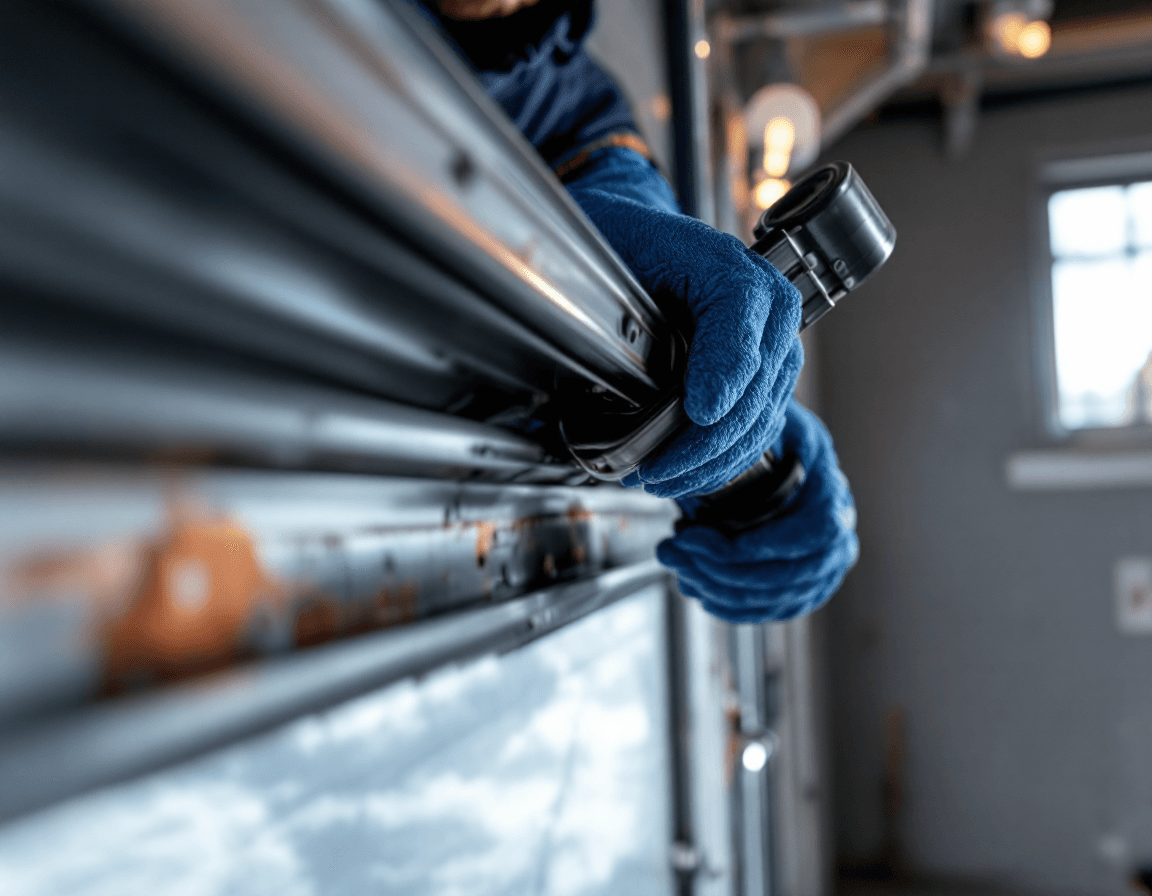
Garage door roller replacement in Carnation, WA is one of the most common repairs we see, and it is also one of the easiest to put off. A door that grinds, squeaks, or jerks on its way up usually isn't on the verge of failing, but it is telling you that the rollers riding inside the tracks have worn down, cracked, or stopped turning freely. Replacing them restores smooth, quiet travel and takes a load off the opener, the cables, and the door panels. Our technicians serving Carnation and the surrounding Snoqualmie Valley handle roller work every week, and this page explains what to look for, what the job involves, and how to decide between the options.
Carnation sits in a part of King County where the seasons leave a clear mark on residential equipment. Winter rain is steady, the valley holds moisture in the air for long stretches, and the cold mornings that settle along the river can leave metal surfaces damp for hours. Those conditions speed up corrosion on steel rollers and dry out the lubricant that keeps hinges and bearings moving. If your garage door has started to sound rougher than it did a year ago, the roller assemblies are a logical place to start, and a careful inspection will usually tell you whether the rollers alone are responsible.
Because roller problems can look similar to opener problems or track misalignment, it helps to understand the whole system before you decide what needs replacing. A few minutes of listening and watching can narrow things down considerably. The sections below walk through the symptoms, the choices in roller materials, the local factors that influence wear, the repair process, pricing, and how to pick a technician you can trust. Use them as a practical reference rather than a checklist you must complete before calling for help.
What the Door Is Trying to Tell You Through Noise and Movement
Most homeowners first notice roller trouble by sound. A low grinding noise that starts when the door begins to lift often points to a roller whose bearing or stem has worn unevenly, while a sharp squeak that repeats with each rotation usually means a dry or failing bearing. Metal-on-metal scraping is more concerning because it suggests the wheel surface has flattened or the steel has begun to bite into the track. Listen closely on your next open and close cycle, and try to notice whether the sound comes from one side of the door or both.
Movement tells a similar story. A door that shakes or jerks as it travels along the track is often reacting to rollers that no longer turn smoothly, so the panels stutter instead of gliding. Some doors also bind or stick at a specific height, which can mean a roller has seized at one point along the track where the wear is most pronounced. You may find that the door seems fine when closing but stalls on the way up, or that it hesitates only when the outside air is cold and the lubricant has thickened.
Keep an eye out for these signs in particular:
- Grinding or squeaking that begins as soon as the door starts moving
- Shaking, jerking, or uneven travel along the vertical or horizontal track
- Rollers that look visibly cracked, flattened, or chewed up at the edges
- Rollers that have stopped spinning, or that squeal and then freeze in place
- Scraping sounds that suggest a roller is rubbing against the track lip
- Sticking or binding at one or more heights during an otherwise normal cycle
If you notice more than one of these, the rollers are very likely the cause, and replacing them will usually resolve the noise and movement at the same time.
Reading the Track Before You Blame the Rollers
A roller is only as good as the track it rides in, so part of any honest inspection is looking at the rails themselves. Track that has been bent by an impact, such as a car bumping the door or a child swinging on the bottom panel, can pinch rollers and cause wear that looks like roller failure. Loose track brackets allow the rail to flex during travel, which produces a rattling that many people mistake for worn rollers. A technician should check that the track is plumb, level where required, and firmly fastened before installing new rollers, because fresh rollers placed in a bent track will wear out quickly.
Look also for dirt and debris packed into the track channel. Grit from driveway sand, leaf fragments, and the fine dust that blows off gravel roads can cling to the lubricant and act like sandpaper against the roller surface. Over time that abrasive mix will wear even high-quality rollers faster than they should. Cleaning the track with a dry cloth or a soft brush and then applying the correct lubricant is a simple step that extends roller life and helps you judge whether the problem has truly returned.
Pay attention to the hinges that connect the door sections as well. Hinge rollers and the wheels attached to them often wear at the same rate as the end rollers, and a technician replacing one set should inspect the other. Rollers that look fine on the outside may still have a damaged stem or a worn bearing inside, so a full evaluation of each assembly is more useful than a quick glance. If one roller in a set has failed, the others are usually close behind, which is why most repairs involve a full set rather than a single wheel.
Steel Versus Nylon: Choosing Rollers for Quiet Operation
Garage door rollers are generally sold in two main materials, and the choice affects both sound and longevity. Steel rollers are durable and handle heavy doors well, but they are noisier and can wear the track surface if the lubrication lapses. Nylon rollers, and the sealed bearing designs that often accompany them, run much more quietly and tend to be gentler on the track. Many homeowners who are tired of hearing their door every morning choose a nylon upgrade for that reason alone.
Nylon is not a universal answer, however. Very heavy doors, doors with unusual weight distribution, or doors that carry significant wind loading may need a steel or reinforced option that matches the original design. The right choice depends on the door's size, weight, and the type of track it uses. A competent technician will explain the tradeoffs and recommend a roller that suits the door rather than simply selling the quietest product on the shelf. For most residential doors in the Carnation area, a quality nylon roller with a sealed or greased bearing offers a strong balance of quiet travel and dependable service.
When comparing options, ask about the bearing type as well as the roller body. A nylon wheel on a worn or dry bearing will still squeak, while a sealed steel-bearing roller on a nylon or hybrid body can run smoothly for years. Ask whether the stems match your track size and whether the rollers come in the correct length for your door's hardware. Taking these questions seriously helps prevent a repeat visit, which is the most expensive outcome for any homeowner.
How Pacific Northwest Moisture Shapes Roller Wear
The Pacific Northwest climate asks a lot from residential hardware. Carnation's wet winters bring long periods of rain and high humidity, and the valley air can stay damp well into the morning. Metal rollers, bearings, and track sections are exposed to that moisture every day, and even when the surface looks clean, a thin film can form that encourages rust at the stem and bearing seat. Once rust takes hold, the roller turns less freely, and the grinding noise you hear is often the sound of that corrosion working its way inward.
Temperature swings add another layer of stress. A cold snap can thicken the grease inside a roller bearing, making it harder to spin, while warmer afternoons can soften the lubricant and let it migrate away from the bearing surfaces. These changes can make a door seem to bind one morning and run smoothly the next, which is confusing for homeowners who expect consistent behavior. Understanding that seasonal cycle helps explain why roller problems often surface during the damp months and why a thorough lubrication and inspection before winter can prevent a lot of frustration.
Because the valley can hold moisture so persistently, sealed nylon rollers and well-protected bearings tend to hold up better here than bare steel in many garages. That said, no roller lasts forever, and a garage with poor ventilation or a door that is frequently left partly open in wet weather will show wear sooner. Keeping the garage reasonably dry and inspecting the rollers once a year gives you a clear picture of how the local climate is affecting your specific door.
Rural Roads, Dust, and the Wear Patterns We See Around Carnation
Carnation and the outlying properties around it include a mix of village lots, acreage, and working farm land, and many garages in the area are used for more than parking. Some hold tools, equipment, feed, or seasonal gear that brings dirt, straw, and fine particles into the space. A garage that opens onto a gravel drive or a dirt approach will also collect more grit on the floor and in the track than one on a smooth urban street. All of that debris finds its way into the roller path, and the wear it causes can appear uneven from side to side.
Homes near the Tolt River and the broader Snoqualmie Valley floodplain may also deal with higher humidity and occasional standing moisture near the foundation. Garage floors in these areas can stay damp longer, and humid air can cause track sections and roller stems to corrode from the bottom up. Technicians who work in the valley learn to check for rust at the lower track brackets and to inspect the roller seats for signs of moisture damage. Catching that early keeps a simple roller swap from turning into a larger track repair.
If your property sits near farm operations or receives frequent visits from larger vehicles, check the door's bottom panel and the lower rollers for impact marks. Small dents or scuffs can change how the rollers sit in the track and cause uneven wear over time. Mentioning these conditions to your technician helps them plan the repair and recommend protective measures, such as a stop bracket or a more durable roller option for high-use doors.
Walking Through a Roller Replacement Step by Step
A professional roller replacement follows a clear sequence designed to protect both the technician and the household. The first step is a full inspection of the door, track, springs, cables, and opener connection so the team understands how the system is behaving. The technician will confirm which rollers need replacing, check the track for alignment and fastener security, and note any other issues that should be addressed while the door is accessible. Describing the symptoms you noticed, such as the time of day the grinding started or whether the problem appears only in cold weather, gives the technician useful context.
Once the plan is set, the door is secured and the rollers are removed one section at a time. Securing the door is critical because the springs and cables store significant tension, and the door must be held in place before any roller is removed from the track. The old roller is pulled from the hinge or end bracket, and the new roller is seated with the correct stem and bearing. The technician then checks that the door moves smoothly through its full range before moving to the next roller. Lubricant is applied to the track and the bearings according to the manufacturer's guidance rather than by guesswork.
The final steps include a test cycle, a balance check, and a review of the opener's behavior. A door that runs smoothly by hand should also run smoothly under power, and the opener should not strain to lift it. The technician will walk you through what you should hear and feel afterward and explain how to recognize early signs of wear in the future. You should leave the job knowing exactly what was replaced and what to watch for next.
Why Spring and Cable Work Belongs With a Licensed Professional
Roller replacement can sometimes look like a manageable weekend project, but it sits close to components that can cause serious injury if handled incorrectly. Torsion springs and extension springs hold enormous energy, and a mistake when releasing or adjusting tension can cause the spring to unwind violently. Cables can snap under load and whip through the air, and a door that falls because it has lost its support can crush hands, fingers, or vehicles. These risks are real, which is why we always recommend a licensed professional for any work that involves springs or cables.
Even when a roller swap appears to be purely a roller job, a technician needs to confirm that the door is balanced and that the springs and cables are in good condition. Worn rollers can put extra load on cables and drums, and replacing them may reveal a spring or cable that also needs attention. A licensed, bonded, and insured technician has the tools, training, and safety procedures to address that situation properly. Homeowners who attempt the work alone often discover the problem only after the door has begun to move in unexpected ways.
If you are unsure whether a task falls within safe DIY territory, the answer is usually to call a professional. Cleaning the track and applying lubricant are reasonable tasks for most homeowners, provided the door is closed and the opener is disconnected. Removing rollers, adjusting brackets, and anything touching the springs or cables should be left to trained technicians. That division keeps the household safe and gives you a clear, defensible approach to maintenance.
Understanding the Price of a Full Roller Set
For a full set of garage door rollers, our typical pricing in Carnation falls between $120 and $250. The final figure depends on several factors, including the number of rollers your door uses, the material and bearing type you choose, and whether the job includes related work such as track adjustment or lubrication. A standard residential door with a common roller count will generally land near the lower end of the range, while a larger door or a premium quiet upgrade may move toward the higher end. We always discuss the options before any work begins so you know what you are approving.
It helps to compare the cost of a full set against the cost of repeated partial repairs. Replacing only the most obviously damaged roller often leaves the others at a similar stage of wear, and the door may need another visit within a few months. A complete set installed at the same time gives the door consistent travel and reduces the chance of uneven strain on the opener and panels. Many homeowners find that the full-set approach saves time and avoids the frustration of repeated service calls.
Ask for an itemized estimate that lists the rollers, any hardware, and the labor involved. A reputable technician will explain why each item is needed and will tell you if something found during the inspection falls outside the roller job. Transparent pricing protects you from surprises and makes it easier to decide how much work to schedule at once.
Keeping Quiet Operation Going Between Service Visits
Once new rollers are installed, a few simple habits will help them run smoothly for years. Regular cleaning of the track removes grit and debris before it can grind into the roller surfaces, and a light wipe with a dry cloth is usually enough. Lubrication should be applied to the bearings and the track with the product recommended for your door, since the wrong lubricant can attract dirt or break down quickly in damp conditions. Wiping away excess lubricant also prevents drips that can collect dust.
A seasonal check is one of the most useful routines a homeowner can adopt. Each spring and fall, open and close the door slowly while listening for changes in sound, watching for uneven movement, and looking for any rollers that appear flattened or cracked. Note anything unusual and address it early, because a small problem caught in its first stage is much cheaper to fix than a seized roller that has damaged the track. A few minutes spent on this routine can save a great deal of trouble.
Consider these practical habits for keeping your door quiet:
- Clean the track channel every few months, especially after dusty or muddy seasons
- Apply the manufacturer-approved lubricant to bearings and hinges once or twice a year
- Wipe off excess lubricant so it does not attract grit
- Listen for new squeaks or grinding and schedule an inspection before the noise worsens
- Keep vehicles and equipment clear of the door path to avoid impact damage
- Schedule a professional inspection if the door binds, jerks, or runs unevenly
Following this list will not replace professional service, but it will help you spot trouble early and keep your door operating the way it should.
Choosing a Technician for Roller Work in Carnation
Selecting the right technician matters as much as selecting the right roller. Look for a company that is licensed, bonded, and insured, and ask for proof before the work begins. A good technician will take time to explain the inspection findings, offer roller options that fit your door, and describe the safety steps that protect your household. They should also be willing to answer questions without pressure, since a roller replacement is a decision you should feel comfortable making.
Ask how the company handles the track, springs, and cables during a roller job. A thorough technician will check those components as part of the visit and will tell you clearly if anything requires further attention. Ask whether the estimate includes the rollers, lubrication, and a full test of the door. Clear answers to these questions indicate a team that values careful work over quick sales.
Local familiarity is also valuable. Technicians who regularly serve Carnation and the Snoqualmie Valley understand how moisture, dust, and seasonal temperature changes affect garage doors in this area. They know which wear patterns are typical here and can recommend solutions that will hold up through the wet months. That experience turns a routine repair into a lasting improvement.
If your garage door is grinding, squeaking, jerking, or sticking, a roller replacement may be the simplest way to restore smooth and quiet operation. Our licensed, bonded, and insured technicians serve Carnation and the surrounding Snoqualmie Valley, and we will inspect the rollers, track, and related components before recommending any work. Call (888) 799-3819 to schedule an evaluation and get a clear estimate for a full roller set, with options for standard or quieter nylon rollers that suit your door.