
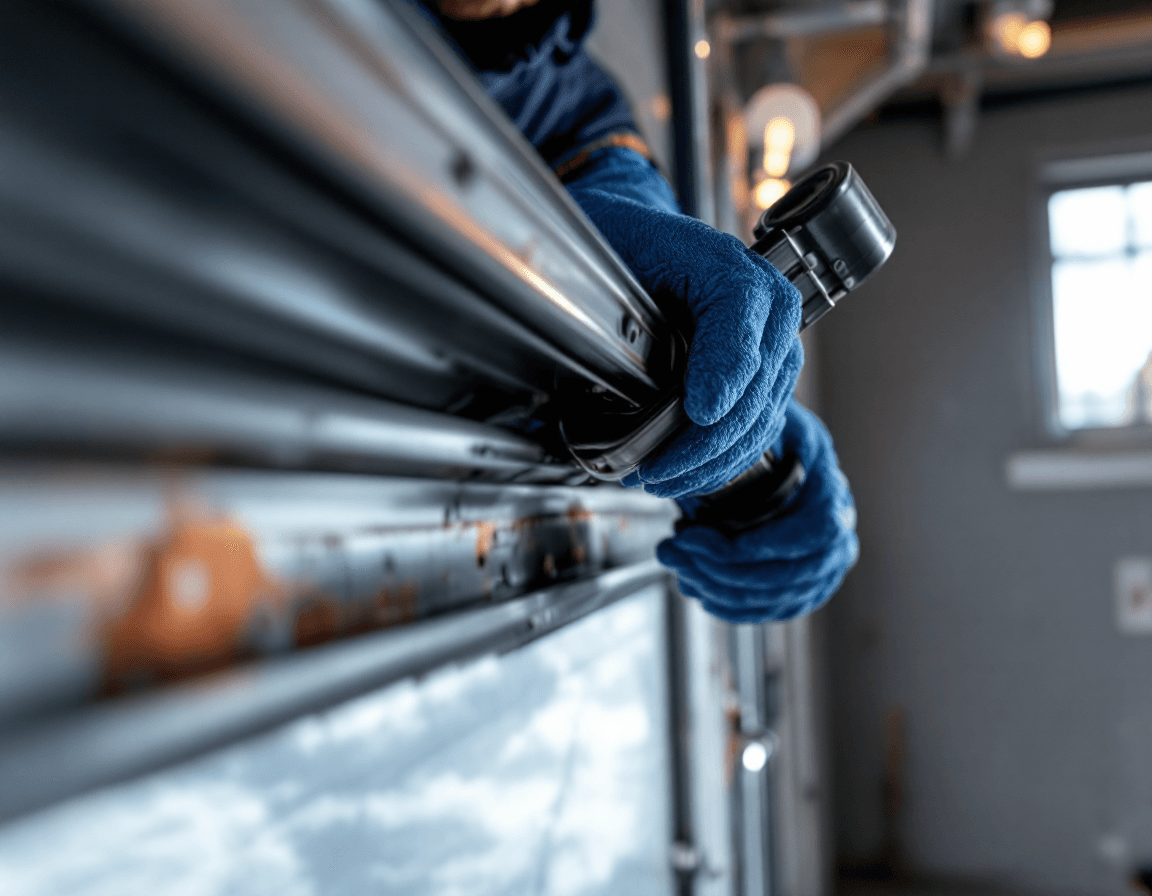
Garage door roller replacement in Sammamish, WA is one of the most common and affordable repairs we handle for homeowners across the plateau and the hillside neighborhoods of King County. Rollers are the small wheels that ride inside the vertical and horizontal tracks and carry the weight of your door every time it opens or closes. When they wear out, the door still moves, but it complains, shudders, and works harder than it should. Catching the problem early can save your opener, your tracks, and your patience.
Sammamish homeowners often notice roller trouble first as noise. A door that once rolled up quietly may start grinding in the morning or chattering halfway through its travel, and many people assume the opener is failing. In most cases, the opener is fine and the rollers are the real source of the sound. A focused inspection usually tells the story within a few minutes, and the fix is often a single visit with a fresh set of rollers and a quick check of the surrounding hardware.
Whether your home sits near the Sammamish Commons, along the shore of Pine Lake, or in one of the quiet pockets of Klahanie, the same principles apply. Rollers do their best work when they are clean, properly seated, and matched to the door and the track. Below, we walk through why rollers wear out in our climate, how to read the warning signs, what replacement involves, and what to expect for cost. We also explain why some work belongs strictly to licensed technicians.
Why Rollers Wear Out Faster in Our Wet Winters
The Pacific Northwest climate is gentle on lawns but tough on moving metal and plastic parts. Sammamish winters bring long stretches of drizzle, damp air, and temperature swings that cause condensation to form on cold steel tracks. That moisture settles into the steel roller bearings and the track surfaces, where it encourages surface rust and gums up any lubricant that was applied at the factory. Once rust forms on a roller's bearing race, the roller no longer spins freely and begins to drag instead of roll.
Our region also brings a steady supply of debris. Tall conifers around many Sammamish lots shed needles, cones, and fine grit that drift into open garages, and wet leaves can collect along the bottom seal of the door. When that debris gets pushed into the track, rollers grind against it with every cycle. Over several seasons, the grit acts like sandpaper on the roller wheels and the sides of the track, flattening the rollers and roughening the path they travel.
Temperature also matters more than most people expect. Nylon rollers, which many homes received during a previous upgrade, handle moisture well but can become brittle after years of exposure to garage heat in summer and cold snaps in winter. Steel rollers hold up to load but are vulnerable to corrosion when the protective coating wears away. Either way, the combination of damp air, debris, and repeated cycling means that a roller set in a typical Sammamish garage may need attention sooner than the manufacturer's optimistic estimate suggests.
Reading the Sounds Your Door Is Making
A garage door is an honest machine. It tells you what is wrong, provided you listen closely. The key is distinguishing the sounds that point to rollers from those that come from the opener, the springs, or the hinges. Rollers typically announce themselves with noise that changes as the door moves through a specific section of track, rather than a constant hum from the motor.
Here are the sounds homeowners most often describe to us when rollers are the culprit:
- A loud grinding noise that starts when the door begins to lift and fades once the door is fully in motion
- High-pitched squeaking that repeats with each revolution, often most noticeable on the first and last few feet of travel
- Metal-on-metal scraping that suggests a steel wheel has lost its bearing or its outer surface
- A rhythmic thumping or clicking that matches the spacing of the rollers along the track
If the sound comes from only one side of the door, the cause is often a single worn roller or a bent track section on that side. A sound that is consistent across both sides usually points to an entire set reaching the end of its service life. Pay attention to whether the noise happens when the door is closing, opening, or both. These details help a technician narrow the diagnosis quickly.
When a Roller Is Seized, Cracked, or Flat
Not every roller problem is a noise problem. Some rollers fail in ways you can see with a quick look at the door from the inside. A cracked nylon roller may show a visible split across the wheel face, or a fine web of hairline fractures around the stem. A flat spot on a steel roller appears as a dull, uneven area where the wheel no longer makes a smooth circle. These defects cause the door to bounce or shake each time that roller passes a joint in the track.
A seized roller is more serious because it can strain the rest of the system. When a bearing locks up, the roller stops turning and drags along the track, which places unexpected load on the door panel, the hinge, and the opener. You may notice that the door binds or sticks at certain points, especially in the mornings when the air is damp and the metal is cold. Continuing to run the opener in that condition can bend track sections and wear the opener's drive components faster than normal.
Because rollers sit close to the springs and cables, it is tempting to try to pull or swap them yourself. Please resist that urge. Even if the door looks simple, the components around the rollers are under significant tension. A technician who works on these doors daily knows how to secure the door, relieve tension safely, and check the surrounding hardware before a single roller comes out.
Steel Versus Nylon: Choosing a Roller for Quiet Operation
When you replace rollers, you have options, and the right choice depends on how you use your door and how quiet you want it to be. Steel rollers with sealed ball bearings are durable and handle heavy doors well, which makes them a reasonable choice for larger, insulated doors. Nylon rollers, often with a steel ball bearing inside a nylon wheel, run much more quietly and tend to be gentler on the track. Many Sammamish homeowners choose the nylon option when the garage sits beneath bedrooms or a home office.
Consider the following when you compare roller types:
- Noise level: Nylon wheels generally reduce noise significantly compared with all-steel rollers
- Weight of the door: Heavier doors often benefit from steel or reinforced rollers
- Moisture exposure: Quality nylon and sealed steel both resist damp conditions better than unprotected steel
- Track condition: A smooth, well-aligned track gets the most benefit from quiet upgrades
- Expected lifespan: Sealed bearings usually last longer than open bearings exposed to grit
A good technician will match the roller to the door's size, weight, and track type rather than simply installing the most expensive option. Ask about the bearing design and whether the roller is sealed. That detail matters more than marketing language on the packaging.
What Happens During a Sammamish Roller Visit
A typical roller replacement visit starts with a full inspection rather than an immediate swap. The technician checks the door's balance, observes the door operating through a complete cycle, and listens for the sound pattern you described. Next, the technician inspects every roller, the stems, the hinges, and the track sections for wear, looseness, or damage. This step helps catch problems that would otherwise cause the new rollers to fail early.
Once the diagnosis is clear, the technician secures the door and replaces the rollers. Stem rollers are removed from the hinge brackets, and new rollers are seated carefully in the track. The technician then lubricates the moving parts with a product suited to garage door hardware, cleans away debris, and tests the door through several full cycles. Lubricant choice matters because heavy grease attracts grit, so a light lubricant applied where it belongs usually performs better over our damp seasons.
Before leaving, the technician should walk you through what was replaced, what was cleaned, and what you should watch for in the coming weeks. Ask for an honest assessment of the hinges, the bottom seal, and the opener. If another component is near the end of its life, a good technician will tell you so without pressuring you into unnecessary work.
Track Alignment and Why New Rollers Alone Sometimes Fall Short
New rollers are a fine upgrade, but they cannot fix a track that is out of position. Tracks can shift slightly over years of use, especially when the garage experiences the expansion and contraction that comes with seasonal humidity and temperature changes. A track that sits even a few millimeters off plumb or level will push rollers against the edge of the channel, causing noise and accelerated wear regardless of the roller material.
Common alignment issues include loose track bolts, bent sections caused by a past bump from a car or a vehicle backing in too quickly, and gaps where the track meets the wall or ceiling bracket. During a roller visit, the technician should check that the track is square, secure, and parallel on both sides. Small adjustments often make a dramatic difference in how quietly the door runs.
If the track is damaged, replacing a section may be the right move. Doing so alongside a roller upgrade gives you the best result, because the new rollers will seat correctly from the start. Many homeowners find that addressing alignment and rollers together costs less overall than repeated service calls for the same noise.
Keeping Hinges, Tracks, and Rollers Working Together
A garage door is a system, and the rollers are only one part of it. Hinges attach the door panels to each other and carry the rollers that ride in the track. When a hinge loosens or cracks, the roller stem may shift, which places sideways force on the roller and quickly wears it down. For that reason, technicians often check the hinges during every roller visit.
Between professional visits, a few simple habits help the whole system last longer. Keep the track clear of leaves, pine needles, and dust by wiping it with a dry cloth every few months. Avoid spraying heavy oil or grease onto the track, since it attracts dirt and can make the problem worse. Watch the bottom weather seal as well, because a torn seal allows wind-driven rain and debris to enter the track. Small attention to these details extends the life of new rollers considerably.
Finally, pay attention to how the door behaves in cold weather. A door that moves smoothly at midday but grinds on a damp morning may be showing early signs of corrosion or bearing wear. Noting when the problem happens gives your technician useful information and can help prevent a minor issue from becoming a major repair.
Homes Around Pine Lake, Klahanie, and the Commons Area
Sammamish is a community of varied home styles, and that variety shapes how garage doors wear. Homes near the Sammamish Commons often have attached garages with frequent daily use, meaning rollers cycle many more times per year than a door that sees only occasional traffic. Families who come and go for school, work, and weekend activities may find that their doors benefit from a quieter upgrade sooner than expected.
Around Pine Lake, many properties include mature trees and sloped driveways. Those features can add moisture and debris to the garage area and can make the door's balance more sensitive to changes in temperature. In the Klahanie area, larger garages and heavier custom doors are common, which makes roller selection and track alignment especially important. Whatever your neighborhood, a technician who understands local conditions can recommend the right roller type and maintenance plan for your home.
If you live in one of the surrounding Sammamish ZIP codes, including 98074 and 98075, we bring the same approach to every visit: careful diagnosis, honest recommendations, and clean work that leaves your door running smoothly. Local experience matters because the weather, the housing styles, and the common wear patterns are familiar to us.
Budgeting for a Full Roller Set Without Surprises
For most standard residential doors, a full set of replacement rollers typically falls in the range of $120 to $250. The final price depends on the number of rollers your door uses, the type you choose, and whether any additional hardware needs attention during the visit. Nylon rollers with sealed bearings generally cost more than basic steel rollers, but many homeowners find the quieter operation worth the difference.
To avoid surprises, ask your technician for a clear breakdown before work begins. A reputable estimate should list the rollers, any track or hinge repairs that are recommended, and whether lubrication and testing are included. Be cautious of vague quotes that do not explain what is being replaced. A transparent estimate helps you compare options and decide what makes sense for your budget.
Remember that rollers are an inexpensive way to restore quiet operation compared with many other garage door repairs. Addressing them early often prevents damage to the opener, the hinges, and the track, which can save money over time. If the door is already noisy or binding, scheduling service sooner rather than later usually keeps the repair simple.
Safety First: Why Spring and Cable Work Belongs to a Pro
Roller replacement is a manageable job for a trained technician, but it sits close to some of the most hazardous parts of a garage door system. Torsion springs and extension springs store enormous amounts of energy, and cables carry significant tension. Improper handling can cause serious injury, which is why these components should never be adjusted, removed, or replaced by an untrained homeowner.
Licensed, bonded, and insured professionals are equipped to secure the door, manage spring tension, and perform the work with proper tools and procedures. If your rollers are worn and your springs or cables also show signs of wear, such as fraying cable strands, a gap in a spring coil, or a door that falls unevenly, stop using the door and call for service. Safe operation protects your family, your vehicles, and your property.
Our team treats every visit with that same caution. We will explain each step, answer your questions, and recommend only the work your door actually needs.
Ready to get your Sammamish garage door running quietly again? Call Seattle Garage Door Fix at (888) 799-3819 to schedule a roller inspection and replacement. Our licensed technicians serve homes across Sammamish, including the Commons, Pine Lake, and Klahanie areas, and we will give you a clear explanation and an honest estimate before any work begins.