
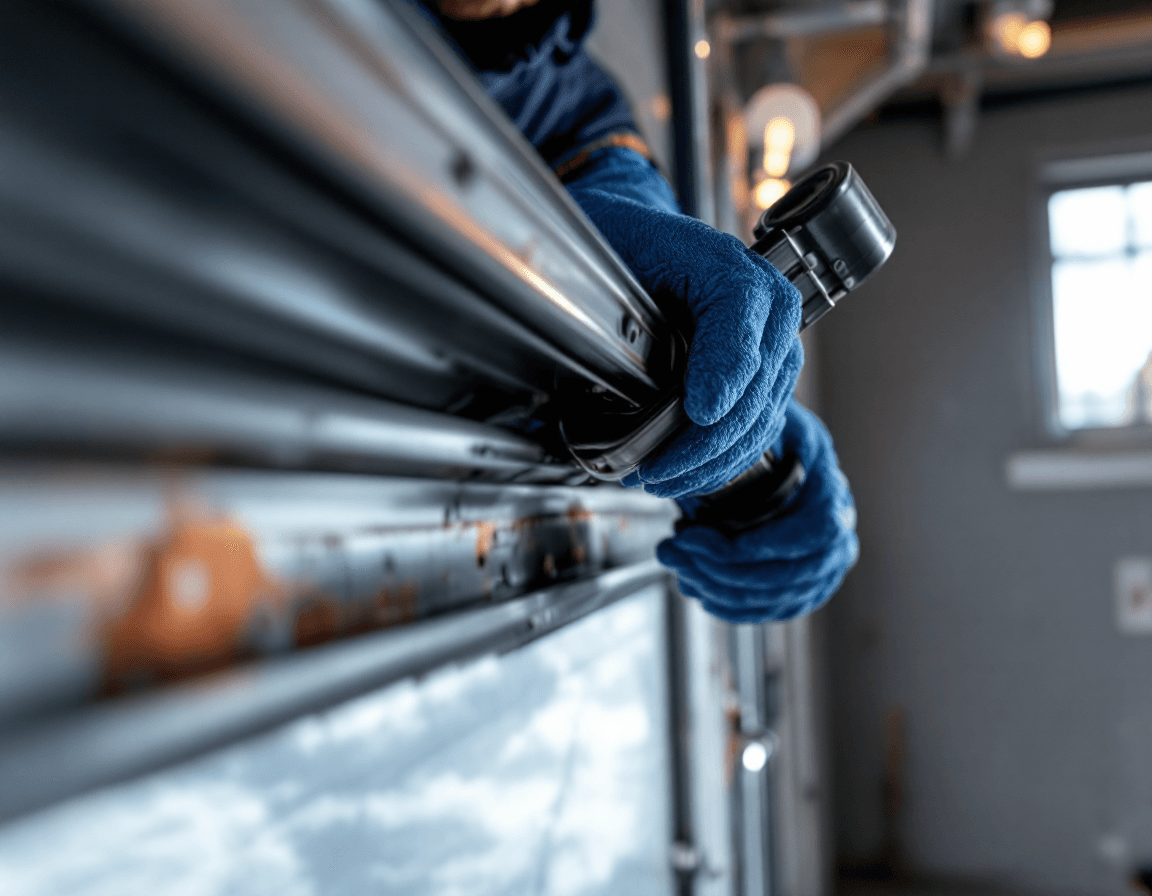
Garage Door Roller Replacement in Issaquah, WA is one of the most common repairs we handle for homeowners in the 98027 and 98029 ZIP codes, and it is also one of the easiest to put off. A worn roller rarely fails all at once. It usually starts as a faint squeak on a damp October morning, then becomes a grinding noise that you hear from the kitchen, and eventually the door stops moving smoothly. By the time that happens, the rollers have often damaged the track or put extra strain on the opener.
Rollers are the small wheels that ride inside the vertical and horizontal tracks on either side of your door. They carry the weight of the door as it lifts and lowers, and they keep each panel moving in a straight line. Most residential doors use steel rollers with ball bearings or nylon rollers with a steel stem, and each type behaves differently over time. This guide explains what rollers do, how to recognize trouble early, what a roller replacement involves, and when it makes sense to bring in a licensed technician.
Why Rollers Wear Faster in Issaquah Than Many Homeowners Expect
Western Washington weather is hard on moving metal parts, and Issaquah's mix of wet winters and damp shade is no exception. Rain, road grit, and tree debris collect in the track, and a steady film of moisture can work its way into the bearings of a steel roller. Over several seasons, that moisture leads to surface rust, which roughens the track and eats away at the roller's inner race. Garages on the shadier, tree-lined lots around Squak Mountain often stay damp longer after a storm, which speeds up this process.
Temperature swings add another layer of stress. A cold February morning can stiffen the lubricant inside a bearing, so the door drags for the first few cycles before settling down. The metal also contracts and expands slightly with temperature changes, which can loosen the stem or shift the track by a few millimeters over time. None of these changes are dramatic on their own, but together they make rollers more likely to bind, flatten, or crack than they would in a drier climate.
Usage matters too. A household that opens the garage several times a day, such as a family with teenagers heading to practice or a home office with frequent deliveries, puts far more cycles on the rollers than a garage used only for storage. Each cycle adds a little wear. Tracking how often your door moves gives you a better sense of when an inspection is due, even if nothing sounds wrong yet.
Reading the Sounds Your Door Is Making
Your garage door communicates through sound long before it fails, and learning to interpret those noises can save you from a bigger repair bill. A smooth, healthy roller produces a soft, consistent hum as it travels. When the roller starts to wear, the sound changes in predictable ways. Pay attention to the specific character of the noise, because each type points toward a different problem.
Here are the most common roller-related sounds we hear from Issaquah homeowners:
- A high-pitched squeak that appears on the first few openings of the day, which often means dry or stiff bearings.
- A rough, grinding noise that gets louder as the door moves through the middle of its travel, usually pointing to a worn bearing or a roller with flat spots.
- A metal-on-metal scrape, which can indicate a seized roller that is dragging along the track instead of rolling.
- A clicking or popping sound at regular intervals, often tied to a cracked roller tire or a loose stem.
Listen for patterns, too. If the noise only happens on one side of the door, the roller on that side is likely the culprit. If it happens across the entire width, the problem may be lubrication or track alignment. Note the time of day, the weather, and how far the door has traveled when the sound starts. Those details help a technician narrow down the cause quickly when you call.
Steel Versus Nylon: Choosing a Roller for Quieter Travel
Homeowners who want a quieter garage often ask whether nylon rollers are worth the upgrade. The honest answer depends on how your door is built and how you use it. Steel rollers are durable and handle heavy doors well, especially in older garages with thick panels or insulated sections. Their weakness is noise. Steel rolling on steel track produces a distinct rumble, and as the bearings wear, that rumble turns into the grinding that many homeowners complain about.
Nylon rollers, sometimes called quiet rollers, use a molded tire over a steel or nylon core. The tire absorbs vibration and dampens sound, so the door typically runs smoother and more quietly. Many nylon rollers also resist moisture better than standard steel, which matters in a place where damp conditions are common. The tradeoff is that nylon tires can wear over time, and very heavy or oversized doors may need a sturdier roller to avoid flexing.
For most residential doors in Issaquah, a full set of quality nylon rollers offers a noticeable improvement in noise level without sacrificing reliability. A technician can recommend the right size, stem length, and bearing type based on your door's track style and weight. If your garage is attached to a living space, such as a bedroom above or next to it, the sound reduction alone often justifies the upgrade. Ask for the specific roller model so you know exactly what is being installed.
What a Full Roller Set Typically Costs and Covers
For most single-car and double-car residential doors, replacing a full set of rollers generally falls in the range of $120 to $250, depending on the roller type you choose, the number of rollers your door uses, and the condition of the surrounding hardware. Standard steel rollers sit at the lower end of that range, while quiet nylon upgrades tend to land higher. Keep in mind that this range covers the rollers themselves and their installation as part of a single visit, not every possible related repair.
A proper roller replacement involves more than swapping wheels. The technician should remove each old roller carefully, inspect the track for burrs or debris, check the hinges and brackets that the rollers attach to, and confirm that the door balances correctly once the new rollers are in place. If a stem is bent or a bracket is cracked, that part may need replacement as well, and a good technician will explain that before doing the work. Ask for the price breakdown up front so there are no surprises when the job is done.
The cost comparison that matters most is not steel versus nylon, but repair versus neglect. A set of rollers is a modest expense compared with the damage a seized roller can cause. A roller that binds can bend the track, strain the opener motor, and even crack a panel if the door jams during travel. Addressing the rollers early keeps the rest of the system working as designed.
How Technicians Inspect the Track Before Swapping Rollers
A roller is only as good as the track it rides in, so experienced technicians look at the track before they touch the rollers. The track is typically made of galvanized steel, and over time it can develop small dents, rust spots, or a slight bow where the bracket has loosened. Any of these conditions will make a new roller wear faster or cause the door to bind at the same point each time. Taking a few minutes to check the track is one of the most important steps in the entire process.
During the inspection, a technician will usually look for a few specific issues:
- Dents or flattened sections along the vertical or horizontal track that could catch the roller.
- Rust or debris in the curve where the door transitions from vertical to horizontal travel.
- Loose track brackets, which allow the track to shift when the door is under load.
- Gaps or misalignment between the track sections, which can cause a roller to jump or stick.
Once the track is confirmed to be in good shape, the technician can focus on the rollers and balance. If the track needs minor adjustment, that is usually a quick fix. If it is badly damaged, the repair becomes more involved, and an honest technician will tell you so rather than installing new rollers over a damaged path.
Stems, Bearings, and Other Parts That Fail Alongside Rollers
Rollers rarely work alone. Each one is attached to a stem, which connects it to the door panel through a hinge or bracket, and the stem's condition affects how the roller tracks. A bent stem will make a roller wobble, and a wobbling roller wears unevenly and creates the jerking motion many homeowners notice. Stems are inexpensive to replace, and doing so during a roller job ensures the new roller sits correctly from the start.
Hinges and bearings are also worth checking. Worn hinges can allow panels to flex, which puts uneven stress on the rollers and can make the door shake or lean as it moves. Bearings inside the rollers can fail even when the outer tire looks fine, which is why a technician should spin each roller by hand and feel for roughness or play. A roller that turns freely but leaves a noticeable wobble when you move it side to side has a worn bearing or a loose stem.
Lubrication plays a role here as well, though it cannot fix a worn roller. A light, garage-door-specific lubricant applied to the bearings and the track can reduce friction and quiet a stiff door. Avoid heavy grease on the track itself, because it attracts dirt and grit. Your technician can recommend the right product for your specific hardware.
Keeping Rollers Healthy Through Western Washington's Damp Seasons
Preventing roller problems in Western Washington comes down to managing moisture and debris. Keeping the garage floor clear of leaf litter, mud, and wet cardboard reduces the amount of grit that can work its way into the track. Sweeping the track area a few times a year with a soft brush removes buildup before it becomes a problem. Wiping down the track after heavy rain, especially if the garage is partially exposed to wind-driven weather, helps prevent rust from taking hold.
Ventilation is another factor. A garage that stays damp for long periods, particularly one tucked beneath tall evergreens or on a north-facing slope, benefits from a dehumidifier or occasional airflow. Keeping the door fully closed during storms can also reduce the amount of water that gets into the track. If you notice rust forming on the rollers or track, address it promptly with a rust-inhibiting primer and a light coat of lubricant once the surface is dry.
Seasonal inspections make a real difference. Each spring and fall, open and close the door slowly while listening for changes in sound and watching for hesitation or unevenness. Note anything unusual and schedule service before the problem grows. Many homeowners in the Issaquah area use the change of seasons as a reminder to check the door, which is a sensible habit given how much the weather shifts here.
Garages Around Gilman Village and Older Downtown Homes
Homes in and around Gilman Village often have garages that were built decades before modern door hardware became standard. Some of these garages have narrower openings, older track profiles, or doors that were custom-fitted to a specific frame. When a roller wears out on an older door, the replacement must match the original track dimensions and stem length exactly, or the door will bind or fail to seat properly. A technician working on older hardware should measure carefully rather than assuming a standard size will fit.
Older doors also tend to be heavier, particularly wood or early steel designs without modern insulation. Heavier doors put more load on each roller, which accelerates wear and can make the door feel sluggish. In these cases, upgrading to a heavy-duty steel or nylon roller designed for higher loads often improves performance. The added durability is worth the modest difference in price for a door that cycles frequently.
If your garage is part of a historic or character home, consider the overall look of the door as well. A roller replacement is generally a hidden part of the system, but a technician who takes time with the track and hinges will leave the door looking and sounding its best. Keeping original hardware where it still works, and replacing only what is truly worn, preserves the character of the home while restoring smooth operation.
Issaquah Highlands and Newer Builds: Alignment and Vibration Issues
Many garages in Issaquah Highlands and other newer neighborhoods use modern door systems with thinner, lighter panels and more precise track geometry. These doors are designed for quiet operation, which means that small misalignments become more noticeable. A roller that sits a few millimeters off-center can create a vibration or rattle that a homeowner perceives as a serious problem, even though the fix is a simple adjustment. Careful alignment during roller replacement is therefore essential.
Newer garages are also more likely to be attached to finished living spaces, so noise carries further. A door that rumbles through a shared wall or ceiling becomes a daily annoyance. Upgrading to quiet nylon rollers, combined with proper track alignment and a check of the bracket fasteners, often reduces the noise dramatically. Many homeowners are surprised by how much difference a well-installed set makes.
Vibration can also stem from the opener. If the door shakes only when the opener engages, the rollers may be fine, and the issue could be with the mounting bracket or the drive system. A technician can usually tell the difference by observing the door manually and by listening carefully during operation. Diagnosing the true source before replacing parts saves time and money.
When to Stop Working on It Yourself and Call a Licensed Technician
Some garage door tasks are reasonable for a confident homeowner, such as sweeping the track, applying lubricant to hinges, and watching the door for changes. Roller replacement sits in a different category. The door is heavy, the springs store significant energy, and a mistake during disassembly can cause injury or further damage. We recommend leaving roller replacement, and especially any work near the springs or cables, to a licensed professional.
Spring and cable work deserves particular caution. The tension in a torsion or extension spring is substantial, and cables under load can snap with force. Our technicians are trained to handle these components safely, and we always recommend a licensed professional for any spring or cable task. If a roller issue has caused the door to jerk, come off the track, or stop partway, do not try to force it. Keep everyone away from the door and call for service.
Calling a professional also protects your warranty and your opener. Many manufacturers require that repairs be performed by qualified technicians to keep coverage valid. A licensed, bonded, and insured technician carries the training and the coverage to stand behind the work. That peace of mind is worth more than a few dollars saved on a do-it-yourself attempt that goes wrong.
Building a Simple Maintenance Rhythm That Makes Rollers Last
The best way to extend the life of your rollers is to fold a few simple habits into your routine. Once a season, watch and listen to the door as it opens and closes. Once a year, clean the track, check the hinges and brackets for looseness, and apply a light coat of lubricant to the roller bearings where accessible. Note any changes in sound or movement and schedule service before a minor issue becomes a major one.
Think of the rollers as one part of a connected system. The track, hinges, stems, springs, and opener all influence how the rollers perform, and a problem in one area often shows up as wear in another. A technician who inspects the whole system during a roller replacement will catch these connections and recommend the repairs that actually solve the problem. This approach costs less over time than replacing the same parts repeatedly.
Finally, pay attention to how the door feels in your hands and under your feet. A door that moves smoothly and quietly is a door that is working as designed. When that changes, whether it is a new squeak, a shake, or a stubborn spot in the middle of travel, treat it as useful information. Acting early keeps your garage functional, safe, and comfortable to use through every Issaquah season.
If your garage door is squeaking, grinding, shaking, or sticking, or if you simply want a quieter, smoother ride, call Seattle Garage Door Fix at (888) 799-3819. Our licensed, bonded, and insured technicians serve Issaquah and the surrounding communities, including the 98027 and 98029 ZIP codes, and we can assess your rollers, track, and hardware before recommending any work. Ask about quiet nylon roller options and get clear pricing before any repair begins.