
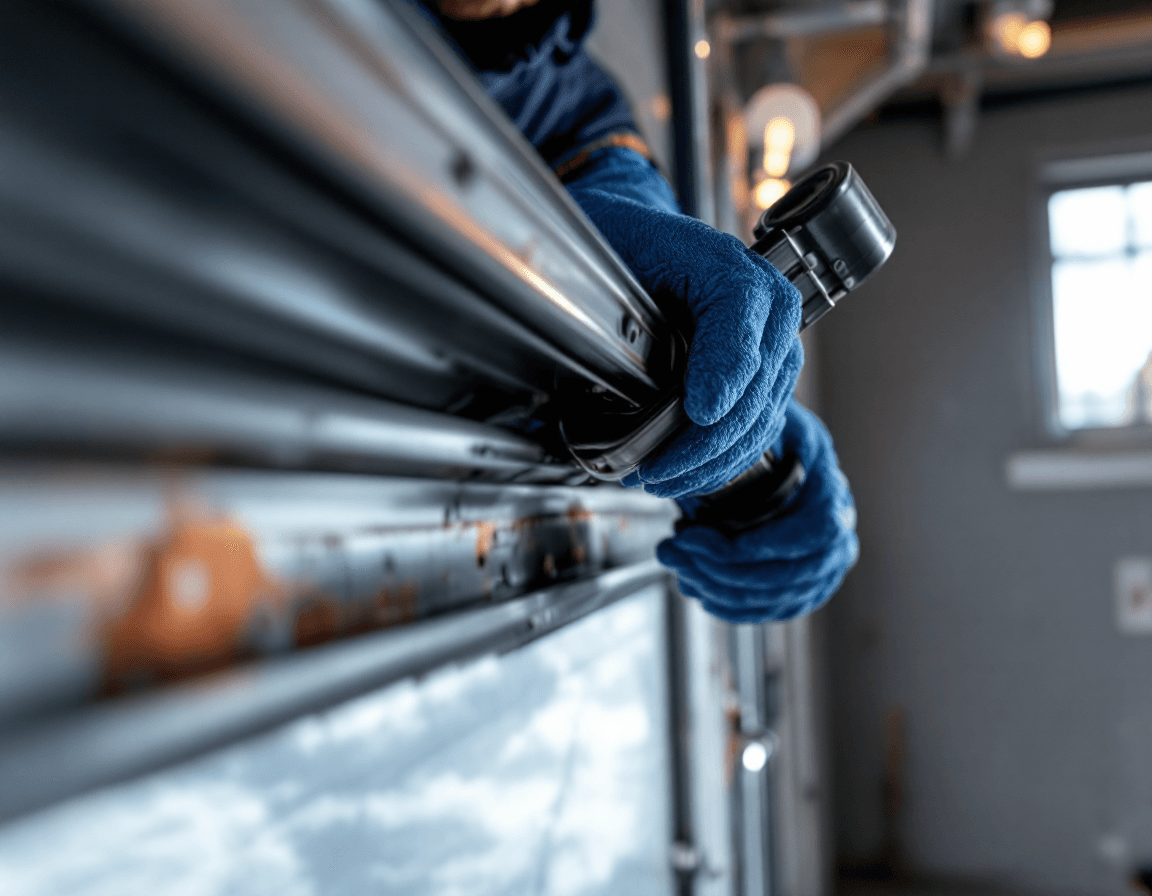
Garage door roller replacement in Newcastle, WA is one of the most common and affordable fixes we perform for homeowners in this part of King County, and it often makes a bigger difference than people expect. Rollers are the small wheels that ride inside the vertical and horizontal tracks and carry the weight of the door as it opens and closes. When they wear out, crack, or seize, the whole door has to work harder, and you hear it every time you pull in the driveway or step out to take the trash to the curb. A worn set of rollers rarely fails all at once, which is why many Newcastle households live with a noisy or jerky door for months before they realize a simple part is to blame.
The good news is that replacing rollers is usually straightforward and doesn't require major hardware changes. Our listed range for a full set of rollers is $120 to $250, and that figure generally covers the rollers themselves along with the labor to swap them and check the surrounding track. Upgrading to quieter nylon-core rollers is one of the easiest ways to reduce noise without touching the springs or openers. This guide walks through how to recognize the signs, how the process works, what local conditions do to rollers over time, and where safety requires a licensed professional to take over. Whether you live in the 98056 or 98059 area, the same principles apply to your door.
If you're not sure whether rollers are your issue, keep reading, because we'll also cover the situations where the rollers are only part of the story. Taking a methodical approach saves money and keeps you from replacing parts you don't need. It also helps you have a more productive conversation with a technician when they arrive.
Why Garage Doors in Newcastle Wear Rollers Faster Than You Might Expect
Newcastle sits on the northwest flank of Cougar Mountain, and many homes here have garages that are shaded by tall conifers and surrounded by damp, mossy ground for much of the year. Western Washington's long, wet winters mean humidity stays high for months at a time, and that moisture finds its way into every metal track seam and bearing. Steel rollers exposed to repeated wet-dry cycles can develop surface rust, and once rust starts forming inside a roller's bearing or on the axle, the roller begins to drag instead of turning freely. That drag is what you hear as grinding.
Temperature swings also matter more than people think. Cool mornings followed by warmer afternoons cause metal and plastic components to expand and contract a little each day, and over thousands of cycles that movement loosens bolts, shifts track brackets, and puts uneven pressure on rollers. Nylon rollers handle moisture better than steel, but they can become brittle after many years of sun exposure if the door sits in a spot that gets direct light. A roller that cracks along its edge may still seem to roll for a while, but the crack usually widens until the roller wobbles or jams in the track.
Dust, leaves, and fine grit blown in from gravel driveways and unpaved shoulders can pack into the track channel as well. Over time that debris acts like sandpaper against the roller stem and the track surface. Homeowners near wooded lots tend to notice this more because needles and small twigs collect at the bottom of the door and get pulled into the track each time the door closes. Regularly wiping the track and keeping the bottom seal free of debris slows roller wear considerably, and it's one of the cheapest maintenance steps you can take.
Reading the Sounds Your Door Is Making
Your garage door communicates its problems through sound long before it stops working, and learning to interpret those noises will help you decide whether to call for service. A high-pitched squeak that appears on the first few inches of travel often points to a dry or worn roller stem, or to a roller whose bearing has lost its lubrication. Grinding that builds as the door rises usually means a roller is seized or a cracked wheel is rubbing against the track lip. Metal-on-metal scraping tends to be louder and more alarming, and it generally signals that rollers are no longer providing a smooth surface and the track or hinge is taking direct contact.
It helps to notice exactly when the noise happens. Here are the most common patterns we hear from homeowners and what they typically mean:
- A squeak or chirp at the start of opening that fades after a few seconds usually indicates a dry roller stem or bearing that needs replacement or lubrication.
- A grinding noise that gets worse as the door climbs often points to a seized or flat-spotted roller, especially on the lower section of the track.
- A jerking or shaking motion when the door moves, paired with a clunking sound, can mean a roller has cracked or dislodged from its track.
- A scraping sound at the top of travel may indicate that a roller has slipped out of its track or that the track itself is out of alignment.
- A door that stops or binds partway through its travel, then continues after you nudge it, often reflects one or more worn rollers catching on a track seam.
Pay attention to whether the door feels heavier or lurches to one side. A door that pulls to one side may have rollers wearing unevenly, and that uneven wear can damage the track over time if it's ignored. Catching these symptoms early keeps the repair simple and avoids the expense of replacing the track section or a set of hinges later on.
Steel Versus Nylon: Choosing Roller Material for Quieter Operation
Most garage doors come from the factory with steel rollers, which are durable and inexpensive but noisy as they age. The steel wheels roll against steel track, and even with lubrication they tend to create a rattling or ringing sound that carries through the house. Nylon rollers, especially those with a steel ball-bearing core wrapped in a nylon tire, cushion the contact between wheel and track. The result is a noticeably quieter ride, often described by homeowners as the difference between a door that sounds like a train and one that barely whispers.
Nylon rollers aren't automatically the right choice for every door, though. The weight of the door, the design of the track, and the climate all factor into the recommendation. In Newcastle's damp conditions, sealed-bearing nylon rollers resist moisture well and avoid the rust problems that plague unsealed steel. Heavier doors, such as wide two-car models or those with insulated panels, may need a sturdier roller with a larger bearing to avoid flexing under load. A technician will check the door's specifications and the existing roller size before recommending a replacement, because the stem length and diameter must match the track precisely.
When you're weighing the upgrade, think about how you use the garage. If it opens early in the morning or sits beneath a bedroom, the reduction in noise can be worth the modest difference in price. If the door is used rarely and sits in a workshop away from living space, standard steel rollers in good condition may be perfectly adequate. Either way, the goal is a roller that spins freely, stays aligned in the track, and doesn't add extra strain to the opener.
How a Technician Inspects Rollers and Track Before Replacing Anything
A thorough roller service starts with an inspection, not a parts swap. The technician will close the door fully, disconnect the opener safely, and examine each roller for flat spots, cracks, missing tires, and rust on the axle. They'll also check whether the roller turns smoothly by hand, since a roller that refuses to spin or spins with a catch is a clear candidate for replacement. Looking at the track matters just as much, because a bent or loose track section can destroy new rollers in a few weeks if the underlying problem isn't corrected.
During the inspection, the technician will also check the hinges and the brackets that hold the track to the wall and ceiling. Loose hardware allows the door to move side to side, which accelerates roller wear and produces the shaking many homeowners describe. Tightening or replacing these fasteners is usually included in a roller service because it protects the investment you're making in new rollers. The technician may also check the balance of the door, but any work involving the springs or cables must be handled by a licensed professional and never attempted by a homeowner.
Once the inspection is complete, a good technician will explain what they found in plain language and give you options. Some homeowners choose to replace only the noisiest rollers, while others replace the full set for consistent operation. A full set is usually the better value on older doors because the rollers tend to wear at similar rates, and mixing new and old rollers can create uneven movement. Ask questions about anything you don't understand, and expect a clear explanation before any work begins.
What a Full Roller Replacement Involves, Step by Step
A typical roller replacement follows a predictable sequence, although the details vary from door to door. The technician first secures the door so it can't move unexpectedly, which is a critical safety step. Then they relieve pressure on the track as needed, remove the old rollers from the hinges or bracket slots, and install the new rollers. Each new roller is checked to make sure it sits fully in the track and spins without binding. Finally, the door is cycled several times to confirm that the new rollers operate smoothly along the entire travel path.
The process often reveals minor issues that can be corrected in the same visit. A hinge bolt may be loose, a track bracket may need tightening, or a weather seal may be rubbing against the track and creating drag. Addressing these items together helps the door run quietly and prevents the new rollers from wearing prematurely. A reputable company will tell you what they're fixing and why, and they won't add charges for work you didn't approve.
Here are a few things you can do before the technician arrives to make the visit smoother:
- Clear the area around the garage door and the track so the technician has room to work without moving items.
- Note when the noise happens, such as at the start, middle, or end of travel, and whether the door is heavier on one side.
- Check that the door's manual release is accessible, but do not pull the release while the door is under load or while anyone is in the path.
- Write down any recent changes, such as a new opener or a door that started making noise after a storm.
- Make sure pets and children are kept away from the door during the visit.
Protecting Rollers Through Wet Winters and Mild Summers
The most effective way to extend roller life in the Pacific Northwest is to manage moisture and debris. Wiping the track clean a few times a year removes grit, moss, and needle debris that can grind against the rollers. A light application of a silicone-based or garage-door-specific lubricant to the roller stems and hinge pivots keeps parts moving freely. Avoid spraying lubricant directly into the track, because it can attract dust and create a sticky film that collects grime. Instead, apply it to the roller stems and hinges and wipe away any excess.
Seasonal attention pays off, especially before the rainy months settle in around late fall. Check that the weather seal along the bottom of the door is intact and that the door closes fully against the threshold. Water that gets under the door can drip onto the track and carry sediment into the rollers. In summer, look for cracks in nylon rollers that may be caused by heat and sun, and replace any roller that shows visible damage before it fails.
Keeping the garage ventilated also helps. A damp, poorly ventilated space encourages mildew on door panels and corrosion on metal parts. If your garage tends to hold moisture, a small dehumidifier or simply opening the door on dry afternoons can make a noticeable difference over the years. These habits cost very little and protect not only the rollers but also the springs, cables, and opener components that depend on a dry, stable environment.
Hillside Lots, Slopes, and Track Alignment Around Cougar Mountain
Many properties in and around Newcastle sit on uneven ground, with driveways that slope toward the garage or foundations that have settled over the decades. A garage floor that isn't perfectly level can cause the door to track slightly off-center, and that misalignment places uneven load on the rollers. The outer rollers may wear faster than the inner ones, and the door may begin to pull toward the lower side as it opens. Over time, this uneven wear can bend the track, which compounds the problem and makes the door louder.
Settling and seasonal ground movement can also shift the wall or header where the track is mounted. A homeowner might notice a new gap between the top of the door and the track or a bracket that has crept out of position. These changes are gradual, so they're easy to miss until the door starts making noise. Checking the track alignment each year, and looking for gaps or bent sections, helps catch these shifts early. If you notice the track has moved, have a technician verify alignment before installing new rollers, because replacing rollers on a misaligned track simply transfers the problem to the new parts.
Properties near wooded slopes and creek corridors may also experience more debris and moisture around the garage foundation. Water runoff during heavy storms can soak the lower section of the door and the floor at the threshold. Improving drainage around the garage, keeping gutters clear, and making sure the ground slopes away from the foundation all help protect the door hardware. A dry, stable garage floor is one of the best long-term investments for quiet, smooth operation.
Budgeting for a Roller Job: What the $120 to $250 Range Covers
Homeowners often ask what they should expect to pay for roller replacement, and it's a fair question. Our listed range for a full set of rollers is $120 to $250. That range typically reflects the cost of the rollers themselves, the labor to remove and install them, and the time needed to check the track and hardware while the door is open. The final number depends on the number of rollers your door requires, the type you select, and whether any additional minor adjustments are needed during the visit.
Choosing nylon rollers instead of steel may affect the total, and the difference is usually modest. Think of the upgrade as a comfort investment that pays back in quieter mornings and evenings. If you have a door that has been noisy for a long time and you're considering a full set, it's wise to ask whether the inspection uncovered any related repairs, such as loose hinges or bracket hardware. Those items are often inexpensive to correct and help the new rollers last longer.
Before agreeing to any work, ask for a clear explanation of what is included in the price and what would be considered an extra charge. A trustworthy technician will give you a straightforward estimate, explain any optional upgrades, and avoid pressuring you into work you don't need. If the problem turns out to involve springs, cables, or the opener, you'll want an honest discussion about those repairs separately, because they carry different costs and different safety requirements.
When Rollers Are Not the Only Problem
Sometimes replacing rollers improves the sound and movement of the door only partway. If the door still shakes, pulls to one side, or stops unexpectedly after new rollers are installed, other components may be contributing. Worn hinges can allow the door panels to flex, which places stress on the rollers and creates noise. A bent track section will continue to cause binding no matter how new the rollers are, and it may need to be straightened or replaced by a professional.
Spring tension is another common factor. A door that is out of balance will feel heavy when lifting and may drop unexpectedly or strain the opener. Imbalance can make rollers wear unevenly and can also make the door harder to control. Cable problems, such as fraying or a cable that has slipped off its drum, are especially serious and should be addressed immediately by a licensed technician. Continuing to operate a door with a cable problem can cause sudden failure.
Opener issues can also mimic roller noise. A worn drive gear, loose chain, or misaligned sensor may produce grinding or jerking that you could mistake for roller trouble. A good technician will test the opener and the door separately to determine the source. This diagnostic approach prevents wasted effort and makes sure you pay only for the repairs that are actually needed.
Safety Lines You Should Never Cross Yourself
Garage doors are heavy, and they store significant energy in their springs. Even though replacing rollers may seem like a simple job, it often involves working near the track and sometimes requires relieving tension on the door. For these reasons, roller replacement and any work involving springs, cables, or the drum should be left to a licensed, bonded, and insured professional. Attempting these repairs without proper training and tools can result in serious injury, including crushing hazards or spring release accidents.
Homeowners can safely take a few simple steps to stay out of harm's way. Keep hands and fingers clear of the track and hinges while the door moves, and never stand beneath a door that is in motion or partially lifted. Do not attempt to unwind or adjust torsion springs, and do not remove cables or brackets that are under tension. If the door falls, becomes unbalanced, or the cable appears damaged, disconnect the opener if it's safe to do so, keep people away from the door, and call a professional right away.
If you're ever unsure whether a task is within your comfort level, the answer is to call. Our technicians are happy to explain what they'll be doing and why, and they'll keep your safety at the center of every visit. A few minutes on the phone can save you from an accident and ensure that your door is repaired correctly the first time.
If your Newcastle garage door has started grinding, squeaking, shaking, or binding, a roller replacement may be the simple fix you need to restore quiet, smooth operation. Call Seattle Garage Door Fix at (888) 799-3819 to schedule an inspection, and we'll explain what we find, outline your options, and give you a clear price before any work begins.