
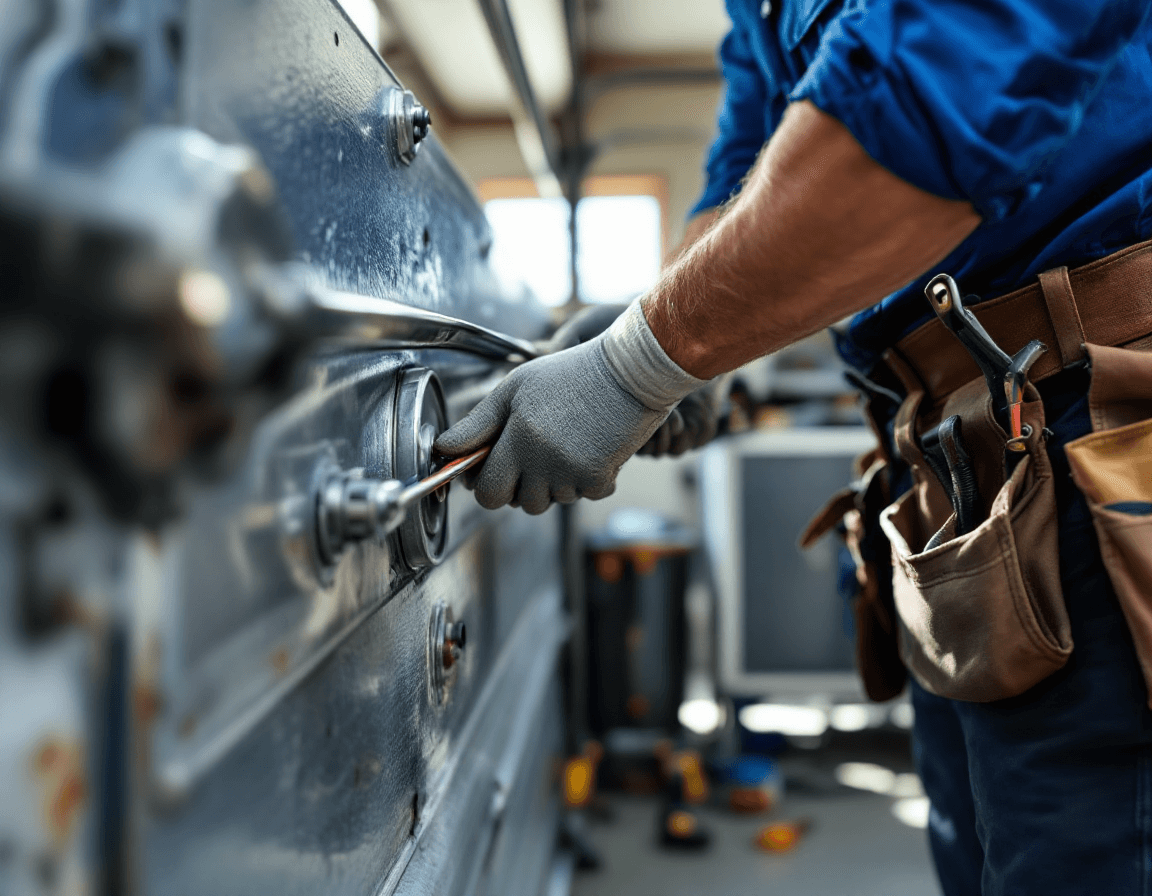
Garage Door Cable Replacement in Newcastle, WA is one of the most time-sensitive repairs a homeowner can face, because a broken lift cable can turn a normal morning into a door that is stuck open, sagging, or dangerously unbalanced. Newcastle sits on the slopes between Coal Creek and the Cougar Mountain foothills, and the combination of wet winters, steep driveways, and older two-car doors puts real stress on the cables that lift your door. When one fails, the door usually stops working right away, and the sound is often loud enough to bring the whole household to the garage.
This guide is written the way a working technician would explain the job to a neighbor. We will cover why cables wear out in our part of King County, how to recognize trouble before it becomes an emergency, what a cable replacement and drum service involve, and what a typical job costs. We will also be direct about the safety issues, since lift cables and spring tension are one of the few garage door components where a mistake can seriously injure someone. If you are reading this with a door already stuck or hanging crooked, skip ahead to the safety section and then call a licensed professional.
Most of our Newcastle customers do not need a long explanation of what went wrong. They need to know whether the repair is quick, what it should cost, and whether the rest of the door is at risk. Our goal here is to give you enough detail to ask good questions and to understand the answers, whether you call us at (888) 799-3819 or someone else.
Why Cables Fail Faster in a Hillside Town Like Newcastle
Lift cables are made of braided steel, and steel does not like constant moisture. Newcastle gets a long run of gray, damp weather from late fall into spring, and garages on sloped lots often collect humidity that never fully dries out between storms. Moisture gets into the cable strands, and over time it causes surface rust that hides inside the braid where you cannot see it from the floor. A cable can look fine from the side and still have lost a significant portion of its strength.
Hillside homes add a second problem. Many driveways in the Newcastle area slope down toward the garage, and the doors on those homes are often heavier than the standard single-car model because builders wanted a wider opening or a second car bay. Heavier doors pull harder on their cables during every cycle, and the cables on the side nearest a slope often take uneven loads when the door is partly open. Over several years of daily use, that uneven pull wears one cable faster than its partner.
Finally, many houses in the 98056 and 98059 ZIP codes were built during decades when doors and hardware were specified differently than they are today. Older cables, drums, and bearing brackets may still be in service even though they have been working hard for a long time. When one part fails, the others are often close behind, which is why a cable call is a good moment to look at the whole lifting system rather than only the single broken piece.
Reading the Warning Signs Before a Cable Lets Go
Cables rarely give up without warning, but the warnings are easy to miss if you are not looking. The most useful habit is to glance at both lift cables every few months, especially the lower section near the bottom bracket where the cable bends. A healthy cable should be smooth and evenly coated, with no visible bright strands, no stiff kinks, and no rust-colored dust settling at the bottom of the track. If you see any of the signs below, schedule an inspection soon rather than waiting for a failure.
- Individual wire strands that stick out or look fuzzy, especially near the drum or the bottom bracket
- Orange or brown rust staining on the cable or on the drum surface
- Loose or uneven cable tension, where one side of the door looks slightly higher than the other when closed
- A door that closes unevenly, touches the floor on one side first, or binds in the track near the middle of travel
- A grinding, scraping, or popping sound during operation that was not present before
Pay attention to how the door behaves when you open it manually or when the opener stops mid-travel. A door that jerks, lurches, or drops a few inches before catching is often signaling an imbalance that has been building. Many customers tell us the door felt "a little off" for weeks before the cable finally snapped. That feeling is worth acting on, because a cable under uneven load is more likely to fail during the next use.
What Happens When a Cable Comes Off the Drum
A cable that comes off the drum is a different problem from a cable that breaks. The cable is still intact, but it has slipped out of the groove that guides it around the drum, often because of uneven tension, a worn drum surface, or a cable that wandered over a long period. You may notice the door hanging lopsided, one side sitting lower than the other, or the cable visibly bunched around the drum or sitting loosely in the bracket. Sometimes the door still moves, but it moves crookedly and may jam in the track.
When a cable has come off and the door is still in the track, the situation is urgent but not always an immediate fall risk. The door can still drop if the opener engages while the cable is slack or tangled, so it is smart to disconnect the opener and keep people and vehicles clear until a technician arrives. Do not try to push the cable back onto the drum with a screwdriver or pliers while the spring is under tension. Even a seemingly simple cable tangle can release stored energy in the spring system if the wrong part is moved.
Cable drum service is often part of the same visit, because a drum that has allowed a cable to slip may have a damaged groove, a loose set screw, or a cracked flange. Replacing only the cable when the drum is worn can lead to a repeat failure within weeks. A good technician will check the drum for wear, confirm that the set screws are tight, and verify that the cable seats properly before the door is returned to service.
Frayed, Rusted, or Just Tired: Judging a Cable Honestly
Homeowners often ask how to tell whether a cable is truly finished or whether it just needs cleaning and adjustment. The honest answer is that surface rust, minor discoloration, and a light coating of grime do not always mean the cable must be replaced. Rust that has pitted the wire, strands that have snapped or started to separate, and any section where the cable has flattened or kinked sharply are all reasons for replacement. Cables should be judged as a pair, because a new cable on one side and an old cable on the other can produce uneven tension even when both are technically functional.
When you inspect a cable, look at the full length in good light. Run a clean cloth along it to catch any loose strands, and check the bottom bracket and the drum groove where the cable wears most. Do not hold the cable under tension when you inspect it, and do not try to remove it yourself. The spring system on most residential doors stores a lot of energy, and the cables are part of that system. Even an experienced homeowner should leave the actual inspection to a technician who has the tools to safely release and reset tension.
A useful rule of thumb is that any cable with visible broken strands should be replaced immediately. Any cable with heavy rust or deep pitting should be replaced at the same time as its partner. If one cable is damaged and the other looks clean, many technicians recommend replacing both so the lift force stays balanced. The cost of replacing the second cable during the same visit is usually far less than paying for a second callout when the other cable fails.
Why Your Door Hangs Crooked After One Cable Fails
A door that hangs crooked after a cable failure is usually responding to a simple mechanical reality: the two lift cables share the load of the door, and when one of them is gone, the other side has to carry the full weight alone. The door will often lift unevenly, catch on the track on the weak side, or sit lower on the side where the cable has released. This is one of the most common reasons a homeowner calls us, and it is also one of the reasons a quick attempt at a fix can make things worse.
Crooked hanging can also come from a cable that is still attached but has stretched, or from a cable that sits at a different height on the drum than its partner. Sometimes the bottom brackets have shifted, or the track has been bumped by a vehicle or a stored item, and the door is simply not sitting square in its opening. A professional will check the track alignment, the roller condition, and the bottom bracket positions along with the cable itself, because replacing a cable on a misaligned door will only transfer the strain to the new cable.
Customers sometimes ask whether they can simply tighten the cable to fix a crooked door. Tightening a lift cable is not a homeowner task. The tension in a cable is set relative to the spring system, and an incorrect adjustment can make the door unbalanced, cause the opener to strain, or lead to a sudden release. A licensed technician sets the correct tension after the cable is installed and the door is checked for balance.
Cable Drum Service and Why It Belongs in the Same Visit
The drum is the grooved cylinder that the cable wraps around as the door lifts. Each drum sits on a torsion shaft or near the spring assembly, depending on the door type, and it carries the lifting load on every cycle. A drum with a worn groove, a cracked flange, or a loose set screw will not hold a cable properly, and the cable will eventually slip, tangle, or fray where it contacts the damaged surface. Drums are often overlooked during a cable replacement, which is a mistake that leads to repeat calls.
A thorough cable drum service includes several checks. The technician looks at the groove depth and surface condition, confirms that the drum is securely fixed to the shaft, and tightens any set screws to the correct torque. The cable's end fitting is inspected for wear and seated properly in the drum, and the bottom bracket is checked to make sure the cable runs straight from the drum to the track. On doors where the drum sits close to the spring, the technician also looks at how the spring and drum interact, since a problem in one often shows up in the other.
Many of our Newcastle customers are surprised to learn that a drum service takes only a small fraction of the total visit time but prevents a repeat failure that would otherwise cost them another callout. If the drum is in good shape, the technician will tell you so and move on. If it needs replacement, the decision is easier to make while the door is already open and the crew is on site.
Typical Costs for Cable Work in Newcastle and the Zip Codes We Cover
Most lift cable replacements in our service area fall in a range of $110 to $300. That figure reflects the common scenarios we see on standard residential doors, and it can move up or down depending on the specific job. A single cable replacement on a door with an accessible drum and no additional damage typically sits near the lower end of the range. A job that includes both cables, a drum replacement, or a spring adjustment will usually land higher because more parts and labor are involved.
Several factors influence the final quote. The size and weight of the door matter, because heavier doors use heavier cables and may need more careful balancing. The type of spring system matters, since torsion setups and extension setups have different service requirements. The condition of the bottom brackets, the track, and the rollers also affects how much work is needed to return the door to safe operation. We will always explain what is included before any work begins, so you know what you are paying for and why.
Our service area includes homes across the 98056 and 98059 ZIP codes and surrounding King County neighborhoods. Regardless of your ZIP code, the same principles apply: a quote should describe the parts, the labor, and any follow-up items that may come up during the repair. If someone gives you a price without asking about your door's size, spring type, or condition, ask them to explain how they arrived at it.
Safety Rules Every Newcastle Homeowner Should Know Before Touching a Door
Garage door springs and lift cables store significant energy, and this is the reason spring and cable work should always be performed by a licensed, bonded, and insured professional. A spring under tension can release suddenly, and a cable under load can snap with enough force to cause serious injury. Homeowners who attempt cable repairs on their own often underestimate how much stored energy is present, even when the door looks closed and still.
Here are the basic safety rules we recommend for every homeowner in Newcastle and the surrounding area:
- Never try to remove, adjust, or re-tension a lift cable or spring yourself, even if you have watched a video about it.
- Disconnect the opener before inspecting a door that has a broken or tangled cable, and keep vehicles and children away from the door's path.
- Do not stand under a door that is hanging crooked or partly off its track, and do not try to lift it by hand to "help" the opener.
- Keep your hands clear of the drum, bottom bracket, and spring assembly during any inspection, and never place fingers or tools near the spring coils.
- Call a licensed technician promptly if you notice a snap, a sudden drop, or a door that hangs unevenly.
If your door is stuck in the open position and you need to secure the garage, use the manual release only as far as needed to disconnect the opener, and then leave the door alone until a professional arrives. Securing the building matters, but no part of the repair should be done by hand while the spring is loaded.
How a Professional Cable Replacement Usually Unfolds
A typical cable replacement begins with a diagnostic check. The technician confirms which cable has failed, inspects the partner cable and the drum, and checks the door's balance and track alignment. Before any work begins, the spring tension is safely released using the proper procedure, which varies depending on whether the door uses torsion springs or extension springs. This step is the heart of the job, and it is why the work should never be attempted by an untrained person.
Once the tension is released, the old cable is removed from the drum and bottom bracket, and the new cable is installed to the correct length and routed properly. The cable end fittings are secured, and any worn parts identified during the inspection, such as drum grooves, set screws, or brackets, are addressed. The spring tension is then restored carefully, and the door is tested through several full cycles to confirm that it lifts evenly and closes squarely.
A quality job ends with a walkthrough. The technician should explain what was replaced, what was checked, and what you should watch for in the coming weeks. If the door has other wear that could cause trouble soon, a good technician will point it out honestly and let you decide how to proceed. We believe every homeowner deserves that kind of clear communication, and it is part of how we want to earn your trust.
Keeping Cables Healthy Through Wet Winters and Dry Summers
Preventive care will not stop a cable from wearing out, but it can extend its life and help you catch problems early. The most useful habit in a Newcastle garage is simply keeping the door area dry and well ventilated. Standing water on the floor, damp cardboard boxes against the door, and garden tools stacked against the tracks all add moisture and stress that shorten cable life. Running a dehumidifier in the garage during the wettest months can make a noticeable difference, particularly in homes where the garage shares a wall with a basement or sits below grade.
Lubrication matters as well, though it should be done carefully. Use a light lubricant on the rollers, hinges, and track rather than on the cables themselves, because a heavy coating on the cable can attract grit and dust. Keep the track clean and free of debris so the rollers run smoothly, and check the bottom brackets for looseness during routine inspections. These small steps help keep the load balanced so that neither cable has to carry more than its share.
Seasonal changes also deserve attention. Summer heat can dry out weatherstripping and shift the door slightly, while winter moisture can cause surface rust to form on hardware. A simple walk-around every few months, looking at both cables, the drum surfaces, and the track alignment, gives you a chance to spot trouble before it turns into a stuck door on a cold morning.
Scheduling Help Across Newcastle and Nearby Neighborhoods
Our technicians serve Newcastle and more than 60 cities across the greater Seattle and Western Washington area, which means we are familiar with the varied driveways, garage layouts, and door styles found throughout King County. Whether your home sits near the golf course, along the creek corridors, or on a quiet cul-de-sac in the hills, we aim to arrive prepared with the parts and tools most likely needed for a cable replacement and drum service.
When you call, it helps to have a few details ready. Note the approximate width and height of your door, whether it is a single or double door, and what you have observed: whether a cable snapped, whether the drum appears to have slipped, or whether the door hangs crooked. If you have photos of the cable or the drum, share them. Those details help us give you a more accurate estimate and decide what parts to bring.
If your door is currently stuck, lopsided, or making a loud noise, please avoid using it until a technician has inspected it. A few hours of waiting is far safer than trying to force the door or repair the cable yourself. Our team is ready to help you get the door back to safe, balanced operation with a repair that addresses the real cause of the problem.
If your garage door has a broken or frayed lift cable, a cable that has come off the drum, or a door that hangs crooked or binds on one side, call Seattle Garage Door Fix today at (888) 799-3819. Our licensed, bonded, and insured technicians serve Newcastle and the surrounding 98056 and 98059 communities, and we will explain every step of the repair before any work begins. Do not wait for a second cable to fail. Call now so we can get your door balanced, safe, and back in service.