
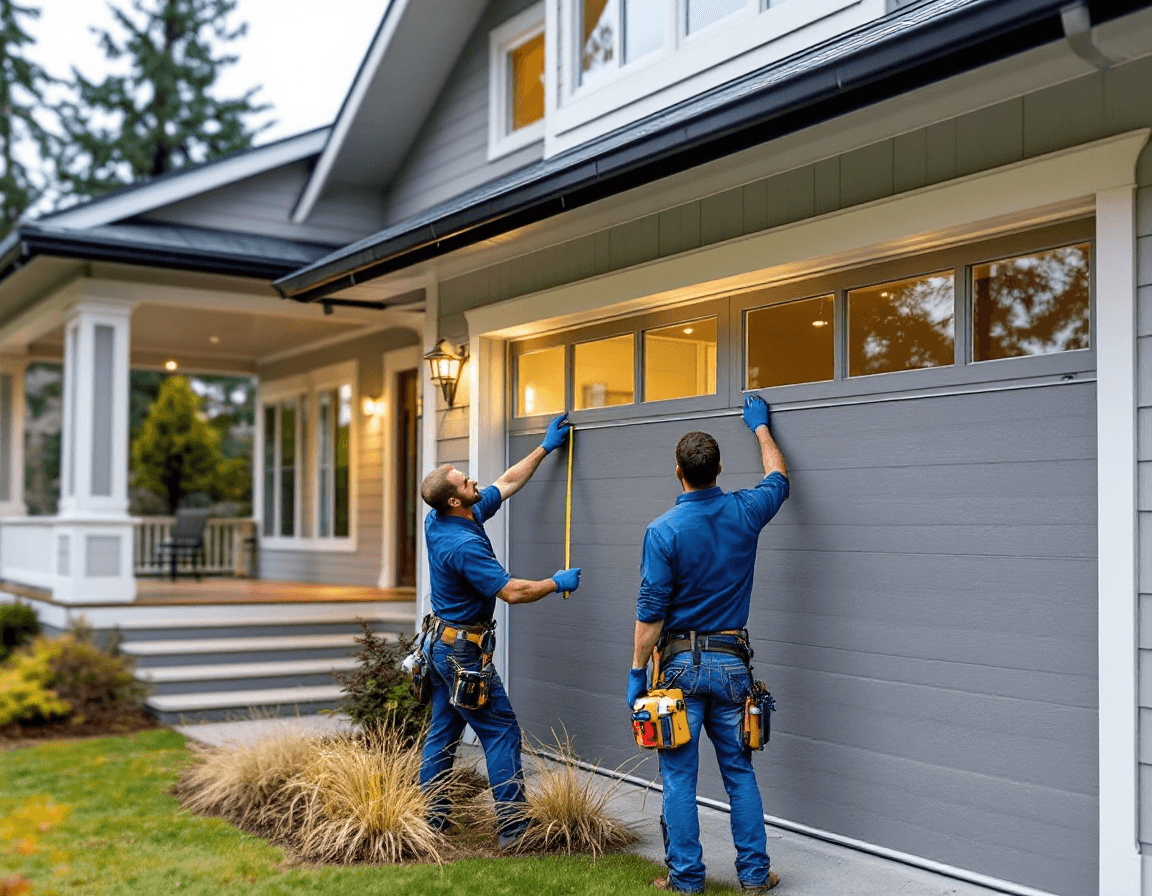
Replacing a garage door in Clyde Hill, WA is one of the most visible upgrades a homeowner can make, and it affects far more than curb appeal. The door carries the weight of the home's largest moving part, shapes how the garage holds heat and moisture, and sets the first impression for anyone who pulls into the driveway. Our technicians at Seattle Garage Door Fix install new single and double garage doors for homes throughout Clyde Hill and the surrounding 98004 area, using insulated steel, carriage-style, wood, glass, and aluminum products. We are a licensed, bonded, and insured garage door company, and we approach every installation as a careful, measured project rather than a quick swap.
Clyde Hill's housing stock is a mix of established homes, larger lots, and newer construction, and the garage often plays a different role here than it does in a typical subdivision. Many properties have attached garages that share a wall with living space, detached outbuildings, or workshop bays that get used year-round. That variety means a single answer rarely fits every home, so we begin with a conversation about how the garage is used, what the house looks like, and what problems you are trying to solve. The rest of this page walks through those decisions the way we would walk through them at your kitchen table.
If you are weighing a replacement right now, you do not need to have every detail figured out. A good installer will help you sort out which features matter for your situation and which are nice extras. Our goal is to give you enough background to ask sharp questions and to recognize a sound recommendation when you hear one.
Reading the Signs That an Old Door Has Reached Its Limit
Most homeowners do not wake up one morning and decide their garage door needs replacing. The decision usually builds over months or years as small annoyances pile up, and at some point repairing the door stops making financial sense. A door that is damaged beyond repair is the clearest case, such as panels bent in a windstorm, a section cracked after a backing-into-the-frame accident, or a bottom seal that has rotted away from the wood. In those situations, a replacement is often the honest answer.
Repeated breakdowns tell a similar story. If you have been calling for the same spring, opener, or track problem every year, the cumulative cost of those visits can quickly approach the price of a new door. Pay attention to how often the door sticks halfway, drifts open on its own, or makes grinding noises when it runs. Those are signals that the door's hardware and panels are wearing out together, not just one part failing in isolation.
Rot and rust are especially relevant to our part of the country. Wood doors that have absorbed moisture through the winter can swell, delaminate, or develop soft spots along the bottom rail and stiles, while steel doors can show rust at scratched edges or where water has collected in the bottom panel. Surface coatings help, but once the damage reaches the structural layers, sanding and repainting only buys time. Storm damage from heavy wind or fallen limbs can also warp a door in ways that look minor from the driveway but compromise its alignment and safety.
How Pacific Northwest Winters Shape the Right Door
Western Washington's climate is gentle by many national standards, but it is persistently damp. Long stretches of drizzle, frequent cloud cover, and cool nights mean that moisture is rarely far from the garage floor or the door itself. In Clyde Hill, where mature trees and shaded lots are common, the surfaces around a garage can stay damp for much of the year, which is a condition that quietly works against poorly protected doors. Water finds its way into seams, along the bottom edge, and into the top section, especially on doors that are not sealed well at installation.
Because of that dampness, we pay close attention to weather sealing, bottom seals, and the way panels are joined. Steel doors with a foam core generally resist moisture better than hollow or lightly built alternatives, and quality weatherstripping along the sides and top keeps wind-driven rain out during the heavier storms that roll through in fall and winter. Wood doors can perform very well in this region, but they require a commitment to periodic finishing and a realistic understanding of how they respond to humidity. We will talk through that tradeoff honestly rather than pushing one material for every home.
Summers in the area are comparatively mild, which means that heat gain is less of a concern than in drier inland climates. That said, a garage door with good insulation still helps keep the garage more stable in shoulder seasons and protects the adjacent living space from temperature swings. The right balance between weather protection and day-to-day comfort depends on how your garage is used and whether it shares a wall with the house.
Choosing Between Steel, Wood, Glass, and Aluminum
Insulated steel is the workhorse of modern garage door replacement, and for good reason. Steel doors are durable, relatively low in maintenance, available in many colors and textures, and can be built with insulation cores that improve energy performance. They also tend to hold up well to repeated opening and closing, which matters if the garage sees daily traffic. For homeowners who want a clean, contemporary profile without constant upkeep, insulated steel is often the most practical starting point.
Wood and carriage-style doors bring warmth and character that steel cannot fully replicate. Carriage-style designs, with their traditional hardware look and paneled faces, suit older and established homes particularly well, and they can make a plain garage facade feel intentional. Wood requires more attention, including sealing or painting and periodic inspection of the bottom rail and joints, but many homeowners find the upkeep worthwhile. Modern carriage-style doors also use composite and engineered materials that mimic the look with less maintenance, which is a useful middle path worth discussing.
Glass and aluminum options work well when natural light and a more open look are priorities. Glass panels, often framed in aluminum, can brighten a workshop or a garage that has become an extra living space, but they need thoughtful selection of tempered or laminated glazing and frames that resist the damp conditions common here. Aluminum doors are lighter and resist corrosion, which makes them a reasonable choice for certain architectural styles, though they typically offer less insulation than a foam-core steel door. We will help you decide whether the visual benefits justify the performance tradeoffs for your particular garage.
Insulation, Energy Efficiency, and the Garage Next Door
Insulation is one of the most common reasons homeowners ask about replacement, and it is worth understanding what a better door actually does. An insulated door slows heat transfer through the panels, which can make a noticeable difference in an attached garage that shares a wall or ceiling with a bedroom, a home office, or a laundry room. It can also reduce the amount of cold air that drifts into the house when the door is closed, especially during the cold, damp months when the garage is most likely to feel like an unheated space.
Insulation ratings vary by product, and the marketing language can be confusing. When comparing doors, ask about the core material, the thickness of the panels, and how the door performs as a complete assembly, including the weatherstripping and bottom seal. A high-rated panel paired with a poor seal will still let drafts in, so the system matters as much as the individual component. We can explain what the ratings mean in practical terms rather than leaving you to decode a spec sheet alone.
Energy savings are real but depend on your home. A detached garage used mainly for storage will see a smaller benefit than an attached garage used as a workshop, a gym, or a space that is regularly heated. For many Clyde Hill homeowners, the bigger payoff is comfort, because a well-insulated, well-sealed door reduces cold spots and keeps the garage more stable throughout the year. Be wary of any promise that a specific upgrade will deliver a precise dollar savings, since actual results depend on your heating system, the size of the opening, and how often the door is used.
Carriage-Style Looks and Modernizing an Older Facade
Many homes in established neighborhoods were built with garage doors that have aged into a dated or mismatched appearance. A flat, builder-grade door can make an otherwise thoughtful home look unfinished, especially when it dominates the front elevation. Replacing it is one of the most effective ways to refresh the exterior without touching the rest of the structure, and it often adds more visual impact than many homeowners expect.
The right style depends on the architecture of the house. Carriage-style doors with divided panels and decorative hardware complement traditional and transitional homes, while sleek steel or glass designs can suit more contemporary lines. We often recommend walking the street and looking at what you like on nearby homes, then bringing photos to your consultation so we can discuss proportions, color, and trim. Color deserves special attention, since the Pacific Northwest's soft, overcast light can make dark finishes look very different from how they appear on a showroom floor.
Hardware and windows are part of the same decision. Decorative handles, hinges, and window inserts can change the character of a door substantially, but they also affect weight, wind resistance, and maintenance. A door that looks beautiful but is poorly matched to its hardware will not age well, so we pair the design choices with the mechanical side of the installation from the start.
Coordinating a New Door With a Remodel or Addition
Garage door replacements often happen alongside larger projects, such as a remodel, a new addition, or a conversion of a bay into living or workshop space. When that is the case, timing and coordination matter a great deal. The rough opening, framing, header, and trim all need to match the door you choose, and small measurement errors can create gaps, misalignment, or problems with the opener and tracks.
We encourage homeowners to bring their remodel contractor or architect into the conversation early whenever possible. Decisions about insulation, wall finishes, and the door's exact dimensions affect each other, and it is much easier to adjust a plan on paper than to fix a mismatch after framing is complete. If your project involves changing the size of an opening, adding a window, or altering the structure around the door, let us know so we can account for it. Depending on the scope of the work, some projects may require permits, and we can help you understand what your situation calls for without guessing.
Additions can also change how the garage is used. A door that opens onto a new workshop or a space that will be heated may warrant better insulation and sealing than the original garage needed. Thinking through the future use of the space now can save you from an upgrade later.
What Happens During a Professional Installation
A professional installation follows a clear sequence, and understanding it can help you prepare your home and know what to expect. The process typically begins with a site assessment, where we measure the opening carefully, check the condition of the framing and header, and look at the existing track, springs, and opener. We also confirm the door type, the style you have chosen, and any special requirements for your home. Good measurements at this stage prevent most problems later.
Once the order is placed and the door arrives, the installation itself involves removing the old door safely, preparing the opening, setting the new door, and aligning the tracks, hinges, and panels so the door moves smoothly. Weatherstripping and bottom seals are fitted and adjusted, and the opener is connected and programmed. Every step is checked, including the balance of the door and the safety reversal features, before we consider the job complete. We also walk you through how the door operates and what routine care looks like.
Here is a general overview of what a typical installation includes:
- An on-site measurement and assessment of the opening, framing, and existing hardware
- Confirmation of door size, material, style, insulation, and any glazing choices
- Safe removal and disposal of the old door, depending on your preference
- Preparation and inspection of the opening, including the header and side jambs
- Installation of the new door, tracks, hinges, and hardware, with careful alignment
- Adjustment of weatherstripping, bottom seal, and balance, followed by testing
- Opener connection or replacement, programming, and safety reversal checks
- A walkthrough with you covering operation, basic care, and warranty information
Timelines vary with the door type, the complexity of the opening, and whether special parts need to be ordered. We will give you a realistic schedule rather than an optimistic guess.
Understanding Pricing and What Shifts the Final Number
Garage door installation pricing in our area generally falls between about $950 and $3,800 or more, installed, depending on the door and the materials involved. That range is wide for good reason. A standard insulated steel door for a single-car opening sits near the lower end, while a custom wood or carriage-style double door with glass inserts and premium hardware will land higher. Our goal is to give you a clear, itemized understanding of the price so there are no surprises on installation day.
Several factors move the number up or down. The size of the opening is one of the biggest, since double doors cost more than single doors and wide or tall custom sizes require special parts. The material and insulation level make a major difference, as do decorative elements such as windows, hardware, and paint or stain. The condition of the framing, header, and track system can also add to the cost if repairs are needed before the new door can be set properly.
Here are some of the most common factors that influence the final price:
- Single versus double door width and overall height
- Core material and insulation level, such as foam-core steel versus lighter alternatives
- Wood, composite, glass, or aluminum construction and any custom finishes
- Decorative hardware, windows, or glazing choices
- Condition of the existing framing, header, tracks, and opener
- Whether the opener needs to be replaced, upgraded, or added
- Access to the garage and any removal or disposal of the old door
We will provide a written estimate that explains each line item so you can compare options with confidence.
Spring, Cable, and Safety: Why Licensed Hands Matter
Garage door springs and cables are under very high tension, and they are among the most dangerous components in any residential installation. Torsion springs and extension springs store enormous energy, and improper handling can cause serious injury. For that reason, we always recommend that homeowners leave spring adjustment, spring replacement, and cable work to a licensed, trained professional. Attempting these tasks without the right tools and experience is one of the most common ways people get hurt around the garage.
During a new door installation, the spring system is part of the balance and alignment process, so it must be set correctly for the weight and dimensions of the new door. A door that is out of balance strains the opener, wears out components faster, and can create a safety hazard. Our technicians check balance, cable routing, drum alignment, and safety reversal before we call the job finished, and we will explain every adjustment in plain language.
If you notice a broken spring, frayed cable, or a door that seems to drop suddenly, keep everyone away from the door and call a professional. Do not try to force the door open or closed to test it. Safety is not an area where a shortcut is worth taking, and a licensed installer will always be the right choice for this work.
Scheduling, Next Steps, and Working With Our Team
Getting started is simpler than many homeowners expect. A typical first step is a phone call or online request describing your door, your home, and what you are hoping to achieve. From there, we arrange a time to assess the opening, discuss material and style options, and provide a written estimate. We aim to make the process straightforward, with clear communication at each stage and no pressure to choose a more expensive option than your home needs.
Scheduling depends on the door you select, since custom and special-order products require lead time. We will tell you what to expect up front and keep you informed if anything changes. For homeowners coordinating with a remodel or addition, we can work around the rest of the project so the garage opening is ready when it needs to be.
Our team serves Clyde Hill and the surrounding communities across Western Washington, bringing the same careful, licensed approach to every installation. Whether you are replacing a door that has finally given up, upgrading for insulation, or refreshing the look of an established home, we are glad to talk through the options with you. To discuss your garage door installation or replacement in Clyde Hill, call Seattle Garage Door Fix at (888) 799-3819 and let our team help you choose the right door for your home and your daily routine.