
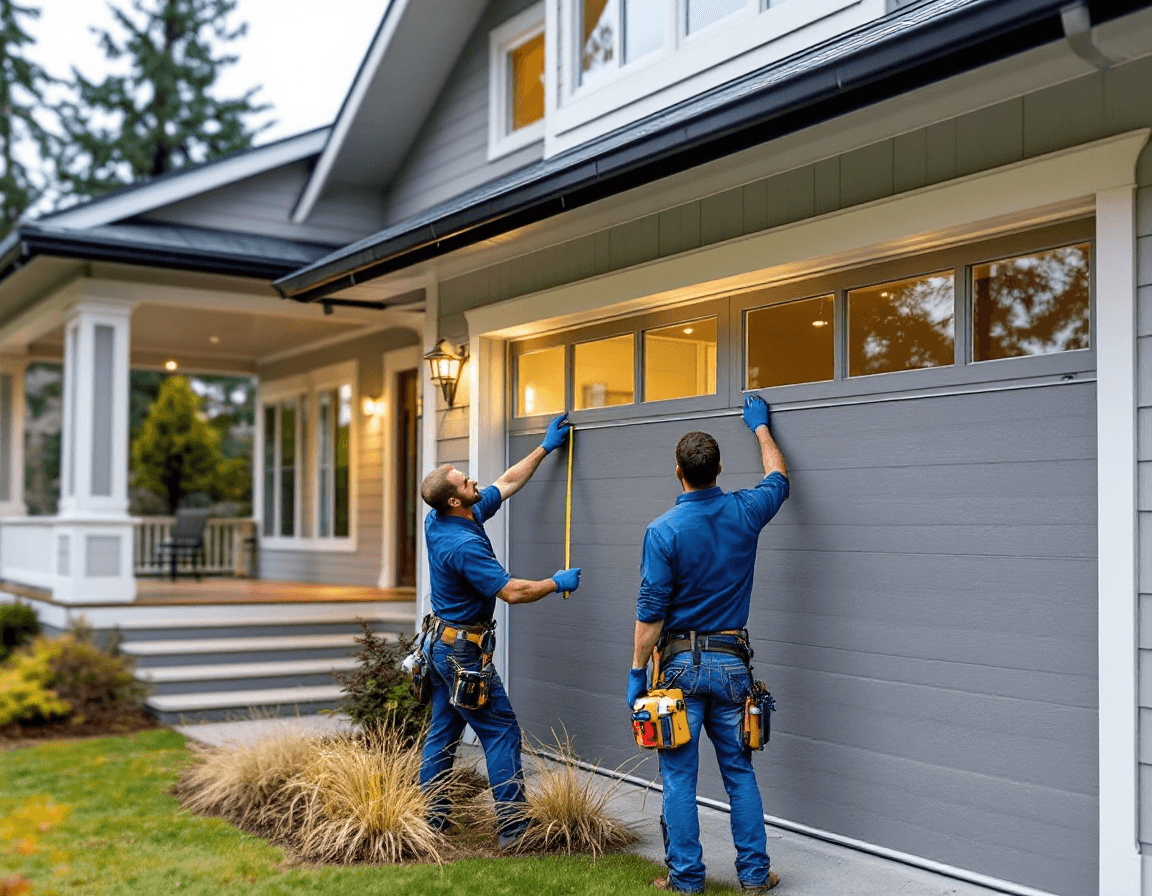
Garage Door Installation & Replacement in Monroe, WA is often the right call when a door has moved past the point of sensible repair. If your door sits along a driveway near Downtown Monroe, faces the wet winters that roll up the Skykomish River valley, or has simply stopped matching the house, a well-chosen replacement can restore security, comfort, and curb appeal in a single day. Our crews work across Monroe and the surrounding Snohomish County communities, including the 98272 area, and we install single and double doors in steel, wood, glass, and aluminum.
Choosing a new door here is about more than picking a color from a catalog. Monroe homes range from older ranch houses near the historic core to newer subdivisions on the edges of town, and each setting presents different demands on the opening, the framing, and the way the door will hold up over time. A good replacement starts with an honest look at the existing opening, the tracks, the springs, and the surrounding structure, followed by a clear conversation about how the household actually uses the garage. This page walks through the decisions that matter most so you can approach the project with confidence.
Installed prices in this area generally fall between $950 and $3,800 or more, depending on the door style, materials, insulation level, and the complexity of the opening. Those numbers are a starting point rather than a promise, and the final figure depends on what your specific home needs. The sections below explain the factors behind that range so you can compare quotes on equal footing.
Reading the Signs Your Monroe Door Has Reached Its Limit
Most homeowners do not wake up one morning and decide their garage door is finished. The decline usually happens gradually, with a noisy roller here, a slow reversal there, and a panel that looks a little more tired each winter. Some of those issues are simple repairs, but others point to a door that has reached the end of its useful life. Knowing the difference saves money and prevents the frustration of paying for one fix after another on a door that is fundamentally worn out.
Certain warning signs appear again and again in Monroe garages. Rust that has spread from the bottom panel upward, soft or spongy wood near the bottom rail, and bowed sections that no longer sit flush against the weatherstripping all suggest the door is losing its structural integrity. Repeated breakdowns on an aging door also deserve attention, especially when each repair addresses a different component on the same tired assembly. Storm damage, dented panels, or a section pushed out of its track after a windy night can make repair impractical, particularly when the replacement parts no longer match the original door.
- Rust or rot that returns after being treated or painted
- Panels that are cracked, dented, or separating at the seams
- Frequent failures in different parts of the door within the same year
- Gaps around the bottom seal that let cold air, rain, or pests inside
- A door that feels heavy, jerky, or unbalanced when operated by hand, where a professional should check the spring system before any attempt at adjustment
If several of these signs appear together, replacement is usually the more economical path over the long run. We always recommend that spring and cable work be handled by a licensed technician, because the springs carry significant tension and can cause serious injury if mishandled. Never attempt to wind, release, or remove a torsion spring yourself.
How Valley Weather Shapes the Door You Should Choose
The Pacific Northwest climate asks a lot of a garage door. Monroe sees long stretches of gray, damp weather, with rain that can linger for days and humidity that stays high even when the sun appears. Moisture finds its way into every seam, hinge, and bottom panel, and over time it accelerates corrosion on metal and swelling or rot in wood. Temperatures generally stay moderate compared with inland regions, but the repeated cycle of wet and dry, along with occasional cold snaps, puts constant stress on materials and finishes.
Wind is another factor worth considering. Storms moving through the Snohomish County corridor can produce gusts strong enough to damage an older door, and a large double door with a broad, flat face catches more wind than a smaller single. When you shop for a replacement, ask about the wind load rating and how the door is reinforced, particularly if your home sits in an open area or on a slope. A door rated and built for the conditions of your specific site will hold its shape and keep its track alignment far better than a lightweight option chosen mainly for price.
Because moisture is the constant enemy here, we often steer homeowners toward materials and finishes designed to resist it. Galvanized steel with a quality protective coating, factory-sealed composite or wood, and powder-coated aluminum each handle damp conditions in different ways. Good weatherstripping on the top, sides, and bottom is just as important, since even the best door will let in water if its seals are worn or poorly fitted. Ask any installer how the bottom seal will be adjusted to meet your floor, because a slightly uneven slab is common and needs to be addressed during installation.
Steel, Wood, Glass, or Aluminum: Matching Material to Your House
Each material brings a distinct personality and a distinct set of maintenance needs, so the right choice depends on both your home and your habits. Insulated steel is the most common choice for Monroe homeowners who want durability and energy performance at a reasonable cost. Steel doors resist dents better than many alternatives, come in a wide range of textures and colors, and can be paired with decorative hardware or window inserts. They do require attention to the finish, especially along the bottom edge where water collects.
Wood delivers warmth and a traditional look that many people find irreplaceable, particularly on craftsman-style and farmhouse-inspired homes. Quality wood doors need regular sealing and painting to hold up in a wet climate, so they suit owners who are willing to maintain them. Glass and aluminum options work well for modern homes, letting in natural light and presenting clean lines. Glass panels should be specified with appropriate glazing and sealing, and aluminum frames are lightweight and resistant to rust, though they can feel less substantial if the door is not properly built.
When we walk a property with a homeowner, we often ask a few simple questions to narrow the choice. Does the garage face the street or sit behind the house? Is the space used for parking alone, or as a workshop, gym, or storage area? How much weather exposure does the door receive from the prevailing direction? The answers help clarify whether a steel door with a wood-grain texture, a composite option, or a glass-and-aluminum design makes the most sense for your property.
Insulated Doors and What They Actually Do for Your Monroe Utility Bills
Many homeowners ask whether an insulated door is worth the added cost, and the honest answer depends on how you use the garage. If the space is attached to a heated living area, or if you run a workshop, hobby room, or home office inside it, insulation can make a noticeable difference in comfort and in the energy you spend keeping the room at a reasonable temperature. An insulated door also reduces the amount of cold air that drifts into the garage and then into the home through the connecting door and shared walls. Even in a detached garage, the difference can be meaningful during cold, damp weeks when the space is used regularly.
It helps to understand how insulation is rated. Manufacturers typically publish an R-value for their doors, and that number reflects the thermal resistance of the door panels rather than the entire system. The actual performance you experience also depends on the seals, the fit of the door in its opening, and whether the garage itself is insulated. A high-rated door installed with gaps around the perimeter will not perform as well as a moderately rated door that is sealed carefully, so the installation quality matters just as much as the product specification.
Insulated doors also tend to run more quietly, which is a benefit many people overlook. The foam core adds mass and dampens vibration, reducing the rattling sound that older single-layer doors produce as they travel. For homes near busy roads or in neighborhoods where early morning garage use is common, that quieter operation can be a welcome improvement. Discuss these trade-offs during your estimate so you know exactly what you are paying for.
Sizing, Openings, and Remodel Planning in Older Monroe Homes
Many Monroe houses have garage openings that were framed decades ago, and the dimensions do not always match modern standard door sizes. Before ordering a replacement, the installer should measure the width, height, and depth of the opening carefully, checking for level, plumb, and square. Headroom, sidewalk clearance, and the space needed for the tracks and springs all influence which door models will fit. In older homes, we sometimes find framing that has shifted over time, which requires shimming or minor corrections to ensure a smooth, safe operation.
Remodels and additions introduce another layer of planning. If you are expanding the garage, converting a bay into living space, or adding a second door, the new opening may need different framing, a header upgrade, or electrical adjustments for an opener. Coordinate these details early so the door order matches the final dimensions. It is also wise to check with the City of Monroe about whether your project requires a permit or inspection, since requirements can depend on the scope of the work and whether structural changes are involved. Your installer should be able to explain what applies to your situation.
Homeowners in planned communities and areas with architectural guidelines should also confirm that the chosen door style and color meet any association requirements before work begins. A quick review of those rules can prevent the need to replace a door that was installed without approval. Taking time for this planning stage makes the installation day far more predictable and keeps the finished result looking intentional.
Understanding the Installed Price Range Without the Guesswork
Pricing for garage door installation in this area typically falls between $950 and $3,800 or more once labor, hardware, and materials are included. Where a project lands within that span depends on several factors. Single doors are generally less expensive than double doors, since they require less material and a smaller operating mechanism. Material choice has a large effect, as does the level of insulation, the style of panel design, and any decorative hardware or glass inserts you select. Custom sizes, unusual openings, and structural framing corrections can also raise the total.
Comparing quotes becomes much easier when every bid lists the same components. Ask whether the price includes removal and disposal of the old door, new tracks and rollers if needed, updated weatherstripping, and the spring system matched to the new door's weight. Find out what warranty covers the door panels, the hardware, and the labor, and clarify how long each coverage period lasts. A lower initial price can become expensive if it leaves out essential parts or limits future support.
- Confirm whether old-door removal and haul-away are included in the quote
- Ask whether the spring system is replaced or reused, and whether it is properly sized for the new door
- Check if the opener is being reused, upgraded, or left out of the estimate entirely
- Verify that the quote covers any framing, header, or track adjustments the opening requires
A reputable estimate should explain each line item in plain language. If anything seems vague, ask for clarification before you sign. Transparent pricing is part of earning a homeowner's trust, and it helps you make a decision you will feel good about for years.
Carriage-Style and Modern Looks on Monroe Streetscapes
Curb appeal matters in every neighborhood, and the garage door often occupies a large share of the front elevation. Carriage-style doors, with their horizontal panels, decorative hardware, and faux hinges, have become popular for Monroe homeowners who want a warm, historic look without sacrificing modern performance. Steel and composite versions of this style can replicate the appearance of wood while offering better resistance to moisture and less upkeep. Pairing the door with matching lanterns, house numbers, and trim can tie the entire facade together.
Modern homes often call for a cleaner profile. Flush panels, horizontal glass sections, and aluminum frames create a contemporary look that suits newer builds and remodeled homes alike. These designs photograph well and can make a modest house look more deliberate, but they show surface imperfections more readily, so installation alignment and finish quality deserve extra attention. A slightly off-level panel that would go unnoticed on a traditional door can stand out on a minimalist facade.
Color selection also plays a role. Deeper neutrals and earth tones tend to complement the natural surroundings common across Snohomish County, while lighter shades can brighten a shaded driveway. Before committing, look at samples in both overcast and sunny conditions, since the Pacific Northwest light changes dramatically through the year. A door that looks perfect on a bright July afternoon may read very differently under a gray January sky.
What a Professional Installation Day Involves
A well-run installation follows a clear sequence, and understanding it helps you prepare. The crew typically begins by protecting the driveway and surrounding area, then carefully removes the old door, which is often the most hazardous part of the job because of spring tension. Once the opening is cleared, the installer checks the framing, tracks, and header, making any necessary corrections before fitting the new door sections. Each panel is connected, the tracks are aligned, and the springs are set and tensioned to match the door's weight.
After the door is hung, the technician tests balance, travel, and reversal safety, confirming that the door stops and reverses correctly when it meets an obstruction. The bottom seal is adjusted to the floor, weatherstripping is checked on all sides, and the opener, if included, is programmed and tested. The crew should walk you through the operation, explain how to use the manual release safely, and describe what routine care the door needs. Installation is complete only when these checks are finished, not when the panels are simply in place.
Homeowners can help by clearing the garage, moving vehicles from the driveway, and identifying any items stored near the opening. Let the crew know about any quirks you have noticed, such as a sticking side or an unusual noise, since those details can point to framing or track issues that need attention. Expect the work to take most of a day for a standard door, with more time for double doors, custom sizes, or structural adjustments.
Warranties, Wind Ratings, and Questions to Ask Before Signing
Warranties vary widely, so read them closely before you choose a door or an installer. Manufacturers typically cover the door panels and finish for a set period, while hardware, springs, and labor may be backed by different terms. Pay attention to what is excluded, such as damage from improper maintenance, storm events, or modifications made by someone other than the installer. A clear, written warranty gives you a reliable reference point if a question arises months after installation.
Wind ratings deserve similar attention, especially for larger doors in exposed locations. Ask how the door is rated and what reinforcement is included for your opening. Inquire whether the installer provides a written summary of the components used, including spring type, track gauge, and bracing, so you can verify the scope of the work. These details help you compare quotes accurately and understand what you are actually getting.
Finally, ask who will perform the work and whether the company is licensed, bonded, and insured. A licensed, bonded, and insured crew protects you and your property, and it reflects the professionalism you should expect from a project of this scale. Do not hesitate to request proof of coverage or ask questions about the team's experience with your type of door. A good installer welcomes these conversations.
Keeping a New Door Working Through Monroe Seasons
A new door is an investment, and a little routine care keeps it performing well through the wet and dry cycles of the Pacific Northwest. Every few months, wipe down the panels and check the finish for scratches, chips, or areas where moisture has collected. Wood and composite doors need periodic sealing or painting, while steel and aluminum benefit from gentle cleaning with mild soap and water. Keep the bottom seal clean and free of debris so it can compress evenly against the floor.
Lubrication matters too, but it should be applied to the correct components. Hinges, rollers, and the track can be lightly lubricated with a product recommended by the manufacturer, while springs and cables should never be lubricated or adjusted by the homeowner. Listen for changes in sound, watch for uneven movement, and note any new gaps that appear around the door. Catching these issues early keeps small problems from turning into major repairs.
Seasonal checks are a good habit. Before winter rains set in, confirm that the weatherstripping is intact and that the door closes fully. Before summer, look for signs of sun-related fading or warping on certain finishes. If anything feels off, call a licensed technician rather than attempting repairs on spring or cable systems. Regular attention and professional support will help your new door serve your Monroe home well for many years.
To schedule an estimate for garage door installation or replacement in Monroe, WA, call Seattle Garage Door Fix at (888) 799-3819. Our licensed, bonded, and insured team will review your opening, discuss material and insulation options, and give you a clear written quote so you can choose the door that fits your home, your budget, and the Pacific Northwest weather you live with every day.