
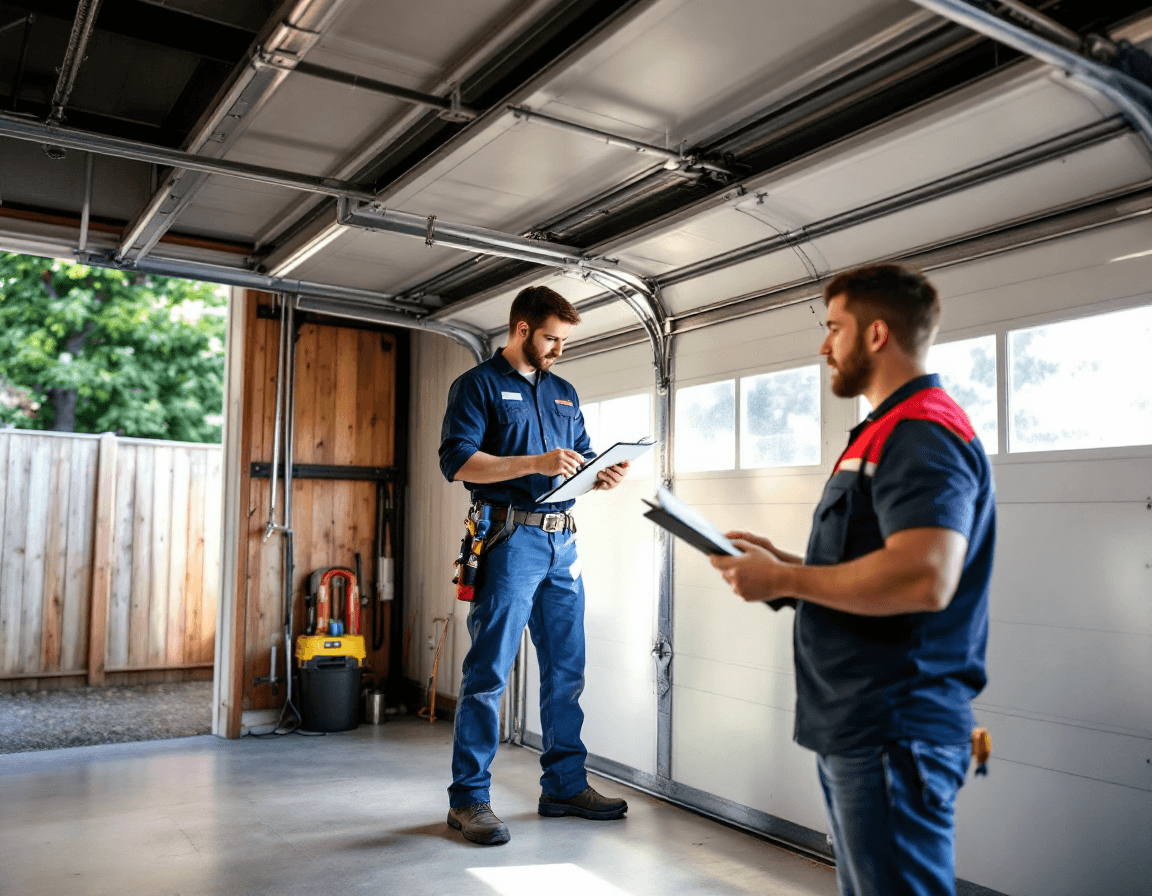
Garage Door Maintenance & Tune-Ups in Everett, WA is one of the most practical things a homeowner can schedule, especially in a city where damp winters and salt-tinged air work steadily against every moving part in the garage. Doors here rarely fail without warning. Usually they give off a few small signals for months, like a new squeak, a slower close, or an opener that sounds like it is working harder than it should. A scheduled tune-up catches those signals while the fix is still inexpensive and the door is still predictable. This page explains what a professional check covers, why Everett conditions matter, and how to decide whether your door is due.
Whether you live near the waterfront-adjacent blocks off Everett Avenue, in the hillside streets above Silver Lake, or out toward the newer developments around Harbour Pointe, your garage door faces a similar set of stresses. The seasons are mild on paper but long on moisture, and the difference between a door that runs quietly for a decade and one that starts grinding after two winters often comes down to routine care. We wrote this guide to help you understand that routine without overwhelming you with jargon. If you read it and decide your door is overdue, the phone number at the end will reach a real local technician who can schedule a visit.
Our tune-ups are priced between $89 and $149 for a full multi-point service, and the scope is intentionally broad. We inspect the door, the tracks, the rollers, the hinges, the springs and cables from a safety standpoint, the opener, and the safety reversal system. The goal is not to upsell repairs during the visit but to give you a clear picture of what is working, what is wearing, and what should be addressed next. Read on for the details that matter most in our corner of Snohomish County.
Why Everett Garage Doors Wear Faster Than the Brochures Suggest
Manufacturers often describe garage door life in terms of cycles, but cycles alone do not tell the whole story. A door in Everett spends a large part of the year absorbing moisture from the air, and that moisture cycles in and out of wood, steel, and the lubricants meant to protect moving parts. Steel panels can develop surface corrosion at the bottom edge and along seams, while wood doors can swell, cup, or develop soft spots where water sits after a wet week. Even insulated steel doors, which handle moisture better than solid wood, rely on intact seals and paint that can break down over time.
The hardware tells a similar story. Hinges, roller stems, bearing plates, and the bottom brackets of the track all experience small amounts of rust and friction every season, and they do not announce their wear dramatically. A roller that has lost its lubricant might still turn, but it starts to drag and transfer that drag into the opener motor. Over several months the motor compensates, the noise increases, and the door begins to feel heavier than it did a year ago. Many homeowners assume the opener is failing when the real problem is a worn roller or an out-of-balance door.
Temperature swings are less extreme than in much of the country, which is part of why people underestimate their effect. Still, the daily shift between cool nights and milder afternoons causes metal to expand and contract, which loosens fasteners slowly over time. Bolts that were snug at installation can back out a few turns, and track sections can shift slightly out of plane. None of this causes a dramatic failure by itself, but together these small changes are what make a door noisier, slower, or harder to keep level.
Damp Air, Salt Breeze, and the Track Problem Nobody Sees Coming
Homes in Everett are not all right on the water, but the marine influence reaches well inland. Salt particles and humidity can settle on exposed metal surfaces, and in garages where the door is opened frequently, that moisture gets drawn in every time the door cycles. Over several seasons, that exposure contributes to surface rust on tracks, bracket brackets, and the springs mounting hardware. The tracks deserve particular attention because they guide every panel, and even a light film of corrosion can cause a roller to catch and bind.
Dust and debris from driveways, tree needles, and the fine grit that washes off local roads collect in the bottom track channel. When that material mixes with old grease, it forms a sticky paste that slows the rollers and creates a grinding sound. Many homeowners respond by spraying a heavy coat of oil onto the track, which only makes the buildup worse. Clean the track before lubricating, and use the right product for each component rather than a single general-purpose spray.
Weatherstripping is another local concern. The bottom seal of your door compresses against the garage floor, and in a damp climate that seal can flatten, crack, or lose its grip over time. When it fails, moisture and debris enter the garage, and a gap at the bottom can let cold air and rain sneak in during storms. A technician checking your door will look at the bottom seal, the side seals, and the top seal, and will note any section where daylight shows through when the door is closed. Replacing a worn seal is usually inexpensive and noticeably improves comfort in the garage.
What a Multi-Point Tune-Up Actually Covers
A thorough tune-up is more than a quick spray and a glance. Our multi-point service follows a consistent sequence so that nothing is missed, and it is designed to give you a clear, plain-language report at the end of the visit. The core items include the following.
- Full visual inspection of panels, hinges, end caps, and roller stems for cracks, bends, or looseness
- Track alignment check, including vertical and horizontal plumb at multiple points
- Cleaning and proper lubrication of rollers, hinges, bearings, and the track channel
- Inspection of springs, cables, drums, and mounting hardware from a safety perspective, with repairs referred to licensed professionals when needed
- Opener function test, including travel limits, force settings, and manual release operation
- Photo-eye sensor alignment and cleaning, plus the auto-reverse safety test
- Weatherstripping and bottom seal assessment
- A written summary of findings, sorted by urgency so you know what can wait and what should not
Every item on this list matters, but the safety items deserve special emphasis. Torsion springs and extension springs store enormous amounts of energy, and any work on them can cause serious injury if handled incorrectly. We inspect them visually and note wear, but spring adjustments, replacement, and cable work should always be performed by a licensed professional with proper tools. Please do not attempt those tasks yourself, even if an online video makes them look simple.
Balance Testing: The Check Most Homeowners Never Think to Ask For
A garage door that is out of balance is one of the most common and least recognized problems we see. A properly balanced door should stay in place when you lift it partway and let go, and it should rise and descend smoothly without the opener doing extra work. When the balance is off, the opener strains to lift one side, the door may slam down or hang crooked, and the entire system wears faster than it should. Imbalance is often caused by spring fatigue, uneven roller wear, or a loose cable, and it tends to develop gradually.
During a balance test, the technician disconnects the opener, lifts the door by hand to about waist height, and observes whether it holds position. We also check whether the door drifts up or down when released at different heights. Some drift is normal near the very top or bottom, but a door that wanders consistently in one direction is telling you something important. In many cases, the fix is a small adjustment or the replacement of a worn component, and our report will explain which applies to your system.
Homeowners often describe imbalance as the door feeling heavy or slightly off, and that description is accurate. If you notice that the door seems harder to lift by hand than it used to be, or that one side rises faster than the other, schedule a tune-up rather than waiting for the opener to fail. A balance check takes only a few minutes, but catching the problem early can prevent a much more expensive repair later on.
Opener Safety Testing That Protects Kids, Pets, and Cars
Modern garage door openers include safety features that are required to work reliably, and testing them is one of the most important parts of any maintenance visit. The photo-eye sensors near the bottom of the door should detect an obstruction and stop or reverse the door before it causes harm. We check that the sensors are aligned, that their lenses are clean, that the wiring is secure, and that the door reverses when a test object is placed in its path. This is a simple test, but it is one many homeowners never perform on their own.
The force settings and travel limits also need attention. Over time, the opener may need adjustment as the door settles, and a setting that was correct when installed may no longer be appropriate. If the door reverses unexpectedly during normal operation, or if it fails to close fully, the limits or force settings may be the cause. We adjust these settings carefully and confirm that the door returns to a safe, predictable operating range.
Manual release is another item we always test. When the power goes out, which can happen during winter storms, the emergency release cord allows you to open the door by hand. We confirm that the release works smoothly and that the door can be lifted safely. If the release is stiff, that often points to a balance issue or a worn component, and it is worth addressing before you need it in an emergency.
Recognizing the Early Warning Signs Before a Breakdown
Most garage door failures give you advance notice, and the trick is knowing which signals to pay attention to. A new or growing squeak is often the first sign that lubrication has worn off or that a roller is beginning to bind. A grinding or rumbling sound can indicate debris in the track, worn bearings, or a loose bracket. A door that closes more slowly than it used to, or that hesitates midway, may be showing an imbalance or an opener that is working harder than it should.
Visual changes are equally useful. Look for gaps at the bottom of the door, cracked or peeling weatherstripping, rust streaks along the track, and panels that no longer sit flush with one another. If you see daylight through the top seal when the door is closed, the door may be out of alignment. Any of these signs means it is time to schedule a professional check rather than waiting for the door to stop working altogether.
Here are the warning signs we hear about most often from Everett homeowners:
- The door is noticeably louder than it was a year or two ago
- The opener strains, pauses, or runs longer than normal before the door moves
- The door seems heavy when lifted by hand or rises unevenly
- The auto-reverse stops the door for no clear reason
- The bottom seal leaves visible gaps, or the garage fills with drafts and moisture
- It has been more than a year since the last professional service
If you recognize two or more of these signs, the door is likely due for a tune-up, and waiting usually makes the eventual repair more expensive.
Silver Lake and Harbour Pointe: Neighborhood Patterns Worth Knowing
Homes around Silver Lake and in the Harbour Pointe area tend to share a few features that influence garage door care. Many of these homes sit on sloped lots or near landscaped areas where leaves, needles, and runoff collect near the garage entry. That debris finds its way into the bottom track and weatherstripping, and it can trap moisture against the lower panels. Regular cleaning and a seasonal look at the bottom seal go a long way in these neighborhoods.
Some homes in newer developments have doors that were installed with standard components rather than heavier-duty options. Those doors can perform perfectly well, but they often benefit from periodic inspection of the rollers and hinges, since lighter hardware can wear sooner under daily use. Families who run in and out of the garage several times a day may find that their door cycles far more than they expected, and that extra use shortens the interval between needed services.
Driveway slope and runoff also matter. In areas where water flows toward the garage, the threshold and bottom seal take more abuse, and the lowest section of the track may collect standing moisture after heavy rain. We pay close attention to these conditions during a tune-up and can recommend practical steps, such as improving drainage or adjusting the seal, when we see signs of water intrusion.
Downtown Everett Garages and Older Door Systems
Downtown Everett and the older residential blocks near it include many homes with detached or alley-accessed garages, some of which have doors that have been in service for a long time. Older doors may use components that are no longer common, and some were built before current safety standards were widely adopted. We understand that owners of these doors often want to keep them running rather than replace them immediately, and a well-executed tune-up can extend their useful life considerably.
Older wood doors deserve special care. Moisture is the main enemy, and wood that has been exposed to repeated wet seasons may show swelling, separation at joints, or soft spots near the bottom panel. Maintenance on these doors focuses on keeping the surface sealed, inspecting hinges and brackets for looseness, and making sure the track and rollers can handle the added weight of heavier panels. We will be honest about when a door is no longer worth repairing, and we will explain the tradeoffs so you can make an informed decision.
Older openers also deserve a closer look. Some units were installed before modern safety requirements were standard, and their sensors or reversal systems may not be as reliable as current models. During a tune-up, we test every safety function we can, and we will tell you clearly if an opener or accessory is no longer performing to a level we would consider safe for daily use.
Lubrication Done Right, and What to Keep Away From the Door
Lubrication is one of the simplest maintenance tasks, and it is also one of the easiest to get wrong. Garage door components need different products depending on their material and function. Rollers and hinges generally benefit from a lightweight silicone or lithium-based lubricant that stays in place without collecting dust. The track should be cleaned first and then lightly treated so rollers glide without picking up grit. Springs need a specific product applied sparingly, and that application is usually part of a professional service.
Avoid heavy motor oils, wheel bearing grease, and penetrating sprays used as a permanent lubricant. Heavy oils attract dirt and create the sticky buildup described earlier, while some penetrating sprays evaporate quickly and leave components dry shortly after application. Household cooking oils are also a poor choice because they can go gummy over time. A technician uses products matched to each part, and that consistency is one reason a professional tune-up tends to last longer than a quick do-it-yourself spray.
Do not lubricate the photo-eye sensor lenses, and keep them free of spray residue. A thin film on the lens can cause the sensors to misread, which may prevent the door from closing or cause unexpected reversals. Wipe the lenses with a dry or lightly dampened cloth instead. This small detail is easy to overlook, and it is one of the reasons we check the safety system as part of every tune-up.
Pricing, Timing, and Getting the Most From Your Visit
Our full multi-point tune-up is priced between $89 and $149, depending on the door type, the number of components inspected, and any access considerations at your home. That range covers the complete inspection, cleaning, lubrication, balance testing, and opener safety testing described above. If the inspection reveals repairs, we will explain the options and provide pricing before any additional work begins. You are never obligated to approve work beyond the tune-up itself.
Timing matters too. Many homeowners book a tune-up after a noticeable problem, but scheduling it before the change of seasons is often more effective. Ideally, schedule a visit in late winter or early spring, after the wettest months have passed, so the technician can see how the door has held up and address any corrosion or seal damage before the drier summer period. A second visit in late fall can also help prepare the door for the wet season. Many Everett households find that annual service is a reasonable baseline, with more frequent checks for heavily used doors.
To get the most from your appointment, clear the area around the door and the track, note any sounds or behaviors you have noticed, and let us know if the door has been running differently since the last service. Have the manual release accessible, and if you have children or pets who use the garage, mention that so we can emphasize safety testing. These small steps help the technician focus on what matters most for your household.
A Baseline Check for Newly Purchased Homes
Buying a home comes with a long list of inspections, and the garage door is often overlooked. A baseline tune-up after closing gives you a clear understanding of the door's current condition, and it helps you plan maintenance rather than discovering problems during the first winter. Previous owners may have skipped service for years, may have used the wrong lubricants, or may have added aftermarket components of uncertain quality. A professional check removes the guesswork.
For a new purchase, we recommend a full multi-point tune-up soon after you move in, followed by regular service on a schedule that fits how often the door is used. The initial visit establishes a reference point, so future changes in noise, balance, or opener performance are easier to spot. Our written summary can also serve as a record of the door's condition, which is useful if you later need to explain maintenance history to a buyer or insurer.
Newly purchased homes in Everett, including those in Downtown Everett, Silver Lake, and Harbour Pointe, often reveal the same combination of issues: dirty tracks, worn seals, and openers that need safety adjustment. Catching those items early means your garage is safer and more comfortable from day one. If you have just closed on a home and want to know where the garage door stands, a tune-up is one of the most straightforward ways to get a clear answer.
Service Area and How to Schedule
We provide garage door maintenance and tune-up service across Everett and surrounding communities, including homes in ZIP codes 98201, 98203, 98204, and 98208. Our technicians are licensed, bonded, and insured, and we bring the tools and components needed for the standard multi-point service. Appointments can be arranged by phone, and we are happy to talk through symptoms before a visit so you know what to expect.
Scheduling is simple. Call us at (888) 799-3819, describe what your door is doing, and mention any safety concerns, such as young children or pets in the garage. We will confirm the appointment window and the service scope, and we will explain pricing up front. If your door is making new noises, struggling to lift, or has not been serviced in more than a year, now is a good time to book.
A quick, professional tune-up now can save you from a surprise breakdown later. Call (888) 799-3819 to schedule your Everett garage door maintenance visit and get a clear, honest picture of how your door is holding up.