
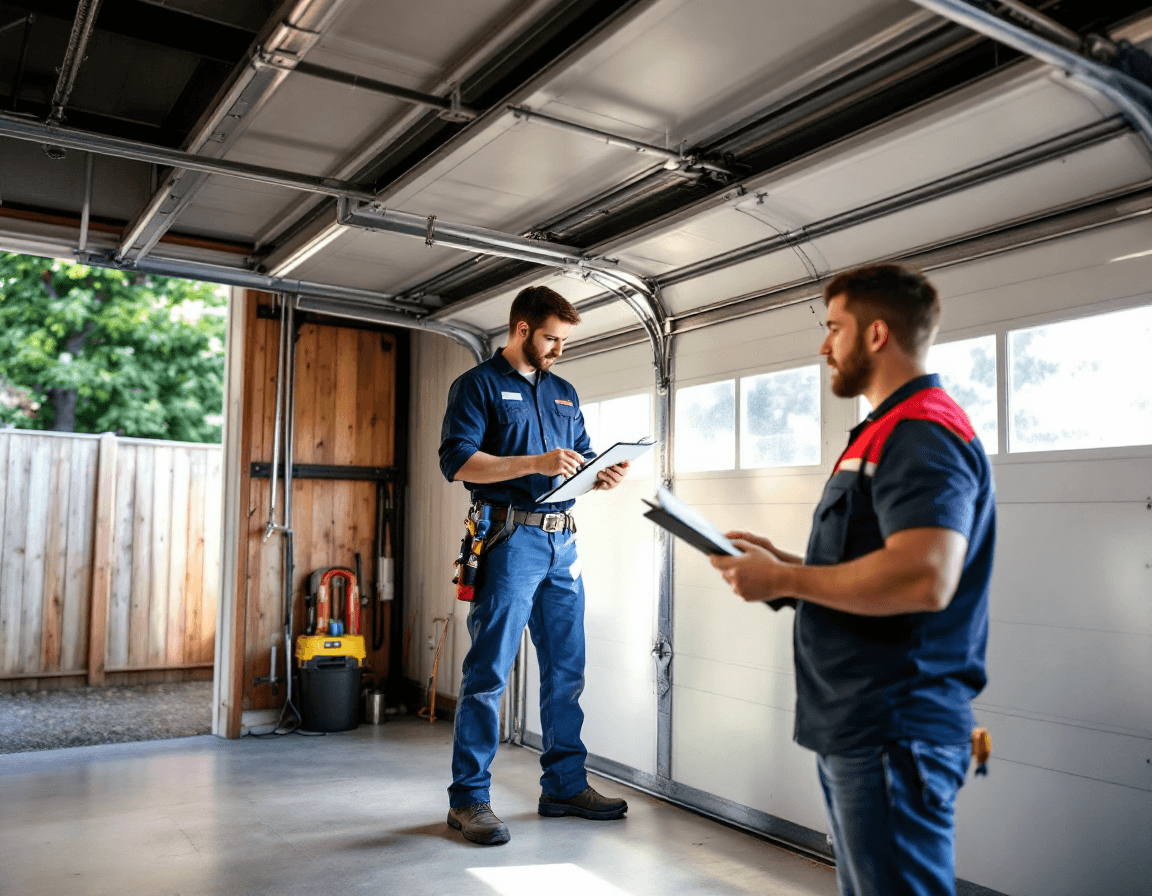
Garage Door Maintenance & Tune-Ups in Monroe, WA can save you from an unexpected breakdown, and it costs far less than an emergency call on a cold February morning. Our technicians serve Monroe homeowners from the historic blocks around Downtown Monroe to the newer subdivisions on the edges of town, and we see the same patterns repeat: a door that seems fine until it suddenly stops mid-cycle, an opener that groans its way through the close, or a panel that rattles louder every month. A scheduled tune-up catches those problems while they are still small.
Monroe sits in the Snohomish Valley, where river air, low clouds, and long stretches of drizzle are part of everyday life. That moisture works its way into hinges, rollers, and the steel of your door, and it changes how your opener and springs behave over the seasons. Whether your home is a 1990s tract house or a more established property near the older parts of town, a door that has gone a year or more without attention is probably carrying more wear than you can see from the driveway. This page explains what a professional tune-up covers, what it looks like on a Monroe home, and how to decide whether your door is due.
Our full multi-point tune-up is priced between $89 and $149, depending on the size and configuration of your door and the condition we find when we arrive. The sections below walk through each part of the service, the warning signs that suggest your door needs attention sooner rather than later, and the situations where we recommend leaving the work to a licensed professional. If you are not sure where your door stands, you can call us at (888) 799-3819 and we will talk through what makes sense for your home.
How Monroe's Wet Winters Work Their Way Into Your Garage
The Snohomish Valley is known for damp, gray months when the sky stays low and the ground rarely dries out completely between storms. Garage doors in Monroe face humidity for much of the year, and moisture is slow but relentless. It settles into the hinge pivots, seeps under the weatherstripping, and sits on the bottom panel where the door meets the concrete. Over time, that moisture encourages surface rust on exposed hardware and can soften or swell wood trim on older wooden doors.
Summer tells a different story. Warm afternoons in July and August can heat a steel door until the panels expand, then cool sharply overnight, which stresses the seams and fasteners. Those temperature swings loosen brackets and can shift the track alignment just enough to make the door hesitate or bind. A tune-up in late spring, before the hottest weeks arrive, gives the hardware a chance to settle and be checked against that seasonal cycle.
Our technicians pay close attention to these local patterns because they affect how a door performs over the course of a year. A door that tracks perfectly in October may drag in June, and an opener that handled the spring rain without complaint may strain once the first dry heat arrives. Knowing what the valley climate does to your specific hardware is a big part of building a maintenance schedule that actually fits your home.
What a Multi-Point Inspection Covers on a Monroe Garage
A multi-point inspection is a systematic walk through every component that keeps your door safe and smooth. We start by checking the overall condition of the door panels, looking for dents, cracked sections, separated joints, and damaged weatherstripping along the bottom and sides. We then move to the tracks, verifying that they are level, plumb, and firmly anchored to the wall and ceiling. Loose track bolts are one of the most common causes of noise and uneven travel, and they are easy to miss without a hands-on look.
Next we examine the rollers, hinges, brackets, and bearings, testing each for play, wobble, and wear. We check the cables for fraying and the drums for proper seating, and we confirm that the springs are in good condition without performing any spring adjustment ourselves. The opener receives its own review, including the mounting bracket, the drive mechanism, the trolley, and the power cord. Finally, we test the safety features and confirm that the door reverses correctly when it meets an obstruction.
A typical Monroe tune-up follows that sequence, though every door is different. Some older homes have one-piece doors that need a different track configuration than the newer sectional doors common in recently built neighborhoods. Our written report after the visit explains what we checked, what looked good, and which items would benefit from attention in the near future. Here is what most homeowners can expect the visit to include:
- Visual inspection of panels, seams, weatherstripping, and bottom seal
- Track alignment, level check, and bolt tightening
- Roller, hinge, and bracket inspection for wear and play
- Cable and drum condition review, plus spring visual inspection (no tension adjustments)
- Opener mounting, trolley, and drive condition check
- Safety reversal and photo-eye sensor testing
Listening for Early Warnings: Noise, Grinding, and Drift
Most garage doors announce their problems long before they fail, but many homeowners treat those sounds as normal background noise. A door that is getting noisier over time is usually telling you something specific. A squeal often points to dry or contaminated rollers, while a grinding or scraping sound can mean a roller stem is wearing or that a track section has shifted out of line. A deep clunk at the top of the travel may suggest a loose bracket or worn hinge.
Pay attention to changes rather than to any single sound. If the door was quiet last year and now clatters at the midpoint of its cycle, that shift is the signal to schedule service. Drift is another clue, meaning the door pulls to one side, rides crooked in its tracks, or seems to lean as it closes. Drift often comes from uneven cable tension or track misalignment, and it tends to get worse gradually, which is why a homeowner may not notice it until the difference is obvious.
If you hear grinding that does not stop when the door is fully open or closed, or if the door bumps against the frame, stop using it until a technician has looked at it. Continued operation can damage the opener, bend tracks, or create a safety hazard for anyone standing nearby. A tune-up is the right first step for ordinary wear, and a quick call is always better than guessing at what the noise means.
Balance Testing: Finding Out Whether the Door Is Carrying Its Own Weight
A properly balanced garage door should stay put when you lift it manually to the halfway point and let go. If it drops, rises quickly, or slides in either direction, the balance is off, and the opener is being forced to do work it was not designed to handle. Balance problems are a major reason openers strain, overheat, and wear out early, so balance testing is one of the most valuable parts of a tune-up.
During the test, we disconnect the opener safely, lift the door by hand, and observe how it behaves at several points along its travel. Heavier doors, particularly those with glass panels, insulated steel sections, or decorative hardware, often show balance problems sooner than lighter builds. Balance is also affected by how the springs have aged, which is why we always note the condition of the spring system during the visit even though spring adjustments belong to licensed specialists.
If the door feels heavy when you lift it by hand, or if it seems to fight the opener on the way down, mention that when you book. A door that feels heavy is not always a spring issue; sometimes it is roller friction, a bent track section, or hardware that has bound from moisture. Our technicians will identify the cause and tell you whether the fix is a simple adjustment or something that requires a licensed spring professional.
Lubrication That Fits the Hardware and the Weather
Lubrication sounds simple, yet using the wrong product or too much of the right one can attract dust, gum up rollers, and make the door noisier over time. Garage door parts need a lubricant designed for the job, typically a light, silicone-based or lithium-based product applied to hinges, rollers, bearings, and track surfaces where metal meets metal. Heavy grease on tracks can collect grit from the driveway and create a sticky film that slows the door down.
In Monroe's damp climate, lubrication schedules matter more than many homeowners realize. Moisture can wash lubricant out of hinge pivots and bearings faster than in drier regions, leaving bare metal to rust and grind. Our technicians clean old buildup before applying fresh product, which gives the new lubricant something to bond to and prevents grit from being sealed into the moving parts. We avoid spraying lubricant onto the opener's drive chain or belt unless the manufacturer specifies it, since the wrong product can damage those components.
A good lubrication step is also a check. When we apply product to a roller or hinge, we are watching how it turns, feeling for resistance, and listening for the sounds that signal wear. Lubrication therefore doubles as diagnosis, and it often reveals problems that a quick visual look would miss. If your door has not been lubricated in more than a year, expect the first visit to show a noticeable difference in how quietly it moves.
Opener Safety Testing and Reversal Checks
Your garage door opener has safety features that are easy to take for granted until they fail. The photo-eye sensors near the floor should detect an obstruction and stop or reverse the door, and the auto-reverse mechanism should respond when the door contacts something in its path. These systems protect children, pets, vehicles, and bicycles, and they should be tested regularly rather than assumed to work.
During a tune-up, we test the photo-eyes by checking alignment, cleanliness, and wiring, and then we run a reversal test using an appropriate test object on the floor. We also check the force settings and limit adjustments so the door reverses when it should and does not stop prematurely during normal operation. An opener that is straining, running slowly, or overheating may be working harder than it should, so we review the drive system and mounting hardware as part of the same check.
Opener safety testing is one of the reasons we recommend a tune-up at least once a year, and more often if your household includes young children, a frequent driver, or a door that sees heavy daily use. If the safety features fail a test, we will explain the problem clearly and tell you what needs to be repaired before the door is used again.
Older Monroe Homes and the Doors They Came With
Many homes across Monroe were built decades ago, and their garage doors reflect the materials and hardware of that era. Older wood doors can warp, rot at the bottom edge, or swell in damp months, changing how they sit in the opening. Older steel doors may use hardware that has been replaced in the aftermarket, and mismatched parts can cause uneven movement. Even a relatively young door may have been installed with a generic track kit that was never fully tuned for the house.
Homes that have been updated over the years sometimes have a mix of components: a new opener mounted on an older door, or replacement rollers that do not match the original hinges. These combinations can work fine for a while, then develop noise or drift as the parts age at different rates. A tune-up gives a technician the chance to see how the pieces work together and to flag any mismatches that could cause trouble later.
If your home has an older door, we will usually note its condition in detail so you have a clear picture of what may need replacement in the next few years. We are happy to explain repair versus replacement options, but we always aim to keep a sound door running smoothly rather than suggest unnecessary upgrades. Honest assessment matters more than a quick sale.
Buying a Monroe Home? Start With a Door Check
Closing on a home is a busy time, with inspections, paperwork, and moving logistics competing for attention. The garage door often gets less scrutiny than the roof, plumbing, or electrical systems, yet it is one of the largest moving objects on the property and it affects both security and safety. A pre-purchase or early-ownership tune-up gives you a clear starting point for understanding what you have inherited.
We recommend scheduling the tune-up soon after you move in, even if the door seemed fine during the walkthrough. Previous owners may have stopped servicing the door for years, or they may have made quick fixes that masked deeper issues. A complete inspection, lubrication, balance test, and opener safety check will show you where the door stands and what maintenance it will need going forward. That information is useful whether you plan to keep the house for years or resell it later.
Monroe's neighborhoods near Downtown Monroe and the fairgrounds area include a mix of home styles and ages, so a new owner may find almost anything behind the garage door. Starting with a clear report helps you budget for future work and avoid surprises during your first Pacific Northwest winter in the house.
Understanding the $89–$149 Tune-Up Range
Our full multi-point tune-up is priced between $89 and $149. The final price within that range depends mainly on the number and type of doors being serviced, the opener configuration, and the condition of the hardware we find during the visit. A single standard residential door with a common opener will generally sit near the lower end, while larger, heavier, or more complex installations may land higher. We confirm the scope with you before work begins so there are no surprises on the invoice.
It is important to understand what the tune-up is and is not. It is a preventive, inspection-based service that includes lubrication, balance testing, and opener safety checks. Parts such as rollers, hinges, cables, springs, or openers are not included in the tune-up price, and if we find a worn component, we will explain the issue and provide a separate estimate. You are never obligated to approve repairs, and you can take the written report and decide later.
Think of the tune-up as an inexpensive way to learn the condition of your door before a small problem becomes an emergency. A few minutes of attention can prevent the kind of repair that arrives at the worst possible moment, and it gives you a documented record of the work performed.
Why Spring and Cable Work Belongs With a Licensed Professional
Garage door springs store enormous amounts of energy, and cables carry significant load when the door is lifted. Improper spring work can cause serious injury, and a snapped cable can cause the door to drop unexpectedly. For that reason, we always recommend that spring replacement, spring adjustment, and cable work be handled by a licensed, bonded, and insured professional with the proper tools and training. This is a safety rule, not a sales pitch.
During a tune-up, our technicians will visually inspect springs and cables for wear, rust, fraying, or obvious damage, and we will report what we see. We do not recommend homeowners attempt to adjust, release, or replace springs themselves, even if they have watched a video or own a set of tools. A spring under tension can release with force that causes harm, and mistakes in the process can be difficult to undo.
If the inspection shows that spring or cable work is needed, we will explain the reason clearly and give you a path forward. Scheduling that work promptly is wise, especially if the door is heavy, out of balance, or showing signs of stress. Your safety is worth more than any shortcut.
Booking Your Monroe Tune-Up Before Spring Rush and Summer Heat
The best time for a garage door tune-up in Monroe is when the door is not already giving you trouble. Scheduling in late winter or early spring means the hardware is lubricated and balanced before the heavier use of spring and summer, and it leaves time to address anything the inspection reveals. Booking ahead also gives you more scheduling flexibility than waiting for a breakdown.
When you call, let us know the make and approximate age of your door if you know it, whether you have an opener, how many doors need service, and any symptoms you have noticed. Those details help us plan the visit and estimate the likely scope. If you are not sure whether your door needs a tune-up, describe what you hear and see, and we will help you decide whether to schedule now or monitor it for a while.
We serve Monroe and the surrounding Snohomish County communities, and we are happy to answer questions before you commit to anything. To schedule your Monroe garage door maintenance visit or ask about a multi-point tune-up, call Seattle Garage Door Fix at (888) 799-3819 and let our team help you keep your door quiet, balanced, and safe through every Pacific Northwest season.