
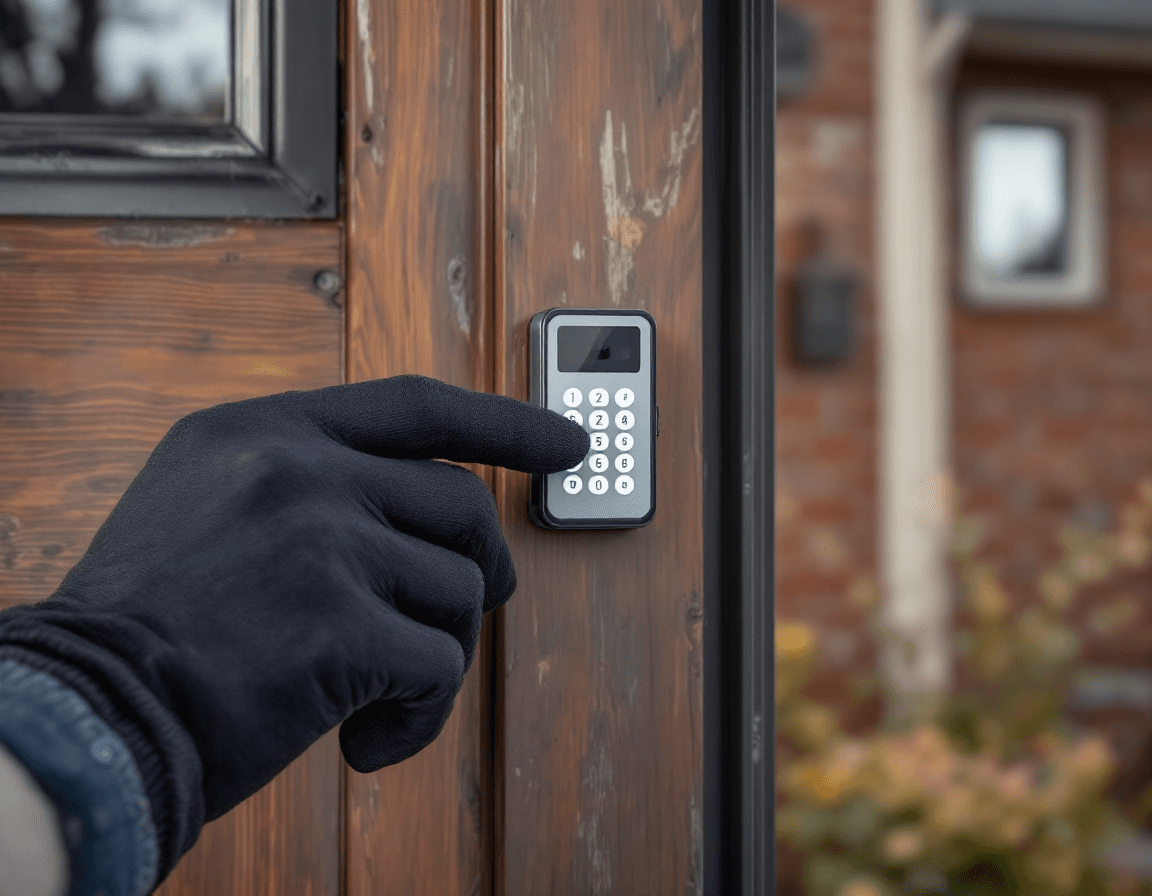
Garage door remote and keypad service in Clyde Hill, WA is one of the quickest fixes we handle, and it often makes the biggest difference in daily routine. When a remote hesitates at the end of a rainy commute or a keypad refuses a code you've used for years, the problem usually sits in a small part, such as a battery, a receiver setting, or a stored code, and not in the door itself. Our technicians serve Clyde Hill and the surrounding King County neighborhoods, and we have seen how the mix of wet winters, tree cover, and hillside driveways shapes what fails and when. This page explains what typically goes wrong, how we approach each problem, and what you can check yourself before calling.
Clyde Hill homes are spread across quiet, tree-lined streets where the garage is often the main way in and out of the house. Many properties sit on sloped lots, with driveways that climb or drop from the street, so the opener may be positioned farther from the road than a remote's signal ideally travels. Add dense evergreens and older landscaping, and the radio path between a handheld remote and the opener can get weaker than you would expect. That is why a remote that worked perfectly at the curb may seem unreliable when you pull up under a canopy of cedars or into a shaded garage bay. We take that terrain into account from the first visit.
Whether your problem is a single unresponsive transmitter or a full system that needs to be reset and re-learned, the process starts with a clear diagnosis. We check the remote, the keypad, the opener's receiver, and the antenna wire, then confirm the system is taking commands properly. Our service covers remote programming, keypad installation and troubleshooting, and in-car opener pairing, with pricing that typically runs $65 to $185 plus the cost of any new remote or keypad you choose. The sections below walk through the most common situations we see in Clyde Hill and what you can expect when we arrive.
Why Remotes Lose Their Grip in Damp Pacific Northwest Winters
Western Washington winters bring long stretches of drizzle, cool humidity, and the occasional hard windstorm that knocks out power or drops branches onto driveways. Moisture is hard on the small electronics inside a handheld remote, especially when a remote lives in a car door pocket or a jacket that gets rained on repeatedly. Water can seep into the button contacts and cause sticking, intermittent presses, or a weak transmission that the opener only sometimes registers. Many people blame the opener when the real issue is a remote that has been quietly corroding for months.
Batteries are the second big factor. Most remotes use a small coin cell, and cold, damp conditions drain those cells faster than many owners expect, particularly when the remote is pressed repeatedly during a busy week. A battery can still show enough voltage to light the LED while lacking the strength to send a clean signal across the driveway. The result is a remote that works on the third press and fails on the first, which is one of the most frustrating symptoms homeowners describe to us.
Finally, the signal itself can be affected by the environment. Dense wet foliage, metal gutters, and nearby electrical equipment can all reduce range, and an antenna wire on the opener that has been disturbed or loosened during a previous service call may not be picking up signals as well as it should. We look at these factors together so we do not replace a perfectly good remote when the true culprit is a battery, a moisture-damaged button, or a loose connection at the opener.
Diagnosing an Intermittent Remote Before You Call
Before scheduling a visit, you can narrow down the problem with a few simple checks. Stand at the same spot where the remote fails and press the button several times, noting whether the door responds on every press or only occasionally. Then try the same remote from directly in front of the door and from the street, since a difference in results points toward range or interference rather than a dead transmitter. Also check whether the problem affects only one remote or all of them, because a single failing unit is very different from a system-wide issue.
It helps to know which features still work. If the wall-mounted button inside the garage opens and closes the door reliably, the opener and its motor are likely fine, and the trouble sits in the remote or its radio link. If the wall button also fails, the issue may involve safety sensors, a stuck control, or a power problem, and you should stop troubleshooting and call a technician. Note any blinking lights on the opener, since those patterns often indicate a specific fault.
Here are a few quick checks worth trying before you pick up the phone:
- Replace the battery in the remote with a fresh one of the correct type, and wipe the battery contacts dry.
- Press the remote buttons firmly and once each, rather than rapidly, to rule out a sticky or damaged button.
- Confirm that no obstructions such as a new trash bin, overgrown shrub, or parked vehicle block the line between the remote and the door.
- Check that the wall control and keypad are not stuck in a locked or vacation mode, which can prevent remotes from responding.
If none of these steps resolve the problem, the next move is a professional inspection. We can test the signal strength, check the receiver's stored codes, and determine whether the remote itself needs replacement. Trying to open the opener's housing or pull apart internal wiring is not recommended, and it can create safety risks alongside the electrical ones.
Reprogramming Your Remote the Right Way
Many remote problems are solved by reprogramming rather than replacing hardware. Most modern openers use rolling-code technology, which changes the transmitted code every time you press a button so that intercepted signals cannot be reused. Because of this design, a remote must be learned by the receiver through a specific sequence, usually involving the learn button on the opener's motor unit and a press of the remote button you want to assign. The exact steps differ by brand, and the learn button is typically found under a cover near the rail or on the back of the motor housing.
A typical reprogramming session looks like this, though your model may vary. First, locate the learn button on the opener and press it once, which usually activates an indicator light for a set period. Within that window, press and hold the button on the remote you want to add until the opener's light flashes or the door responds. Test the new remote from several positions, including the spot where it previously failed, to confirm that the link is stable and not just working at close range.
If you have several remotes that no longer work, or you suspect a receiver has lost its memory after a power surge or outage, clearing the old codes and re-learning each remote may be necessary. Clearing memory removes every stored remote, so you should be prepared to reprogram each one afterward. We often recommend this step when a household has lost track of how many remotes exist, since a fresh set of learned codes makes it easier to remove anything you no longer control.
When a Replacement Remote Is the Smarter Choice
Not every remote is worth repairing. If the casing is cracked, several buttons have stopped responding even after cleaning, or the unit has been soaked in rain or left in a hot car, replacement is usually the more reliable path. Replacement remotes must match the frequency and encoding of your opener, which is why it matters to identify the brand and model before buying one online. A remote that looks identical may use a different frequency or code format and simply will not communicate with your system.
Cost decisions depend on the features you need. A basic replacement may cover only the garage door, while a multi-button unit can control a second door, a gate, or a light, and some models pair with a smartphone app. We can help you choose a compatible option during the visit and program it immediately, which avoids the trial-and-error of ordering a part that does not match. Keep in mind that the quoted service price is separate from the remote itself, so the total cost depends on the hardware you select.
Replacing a remote also gives you a chance to reset your security. If an older remote has gone missing, or you no longer know who has access to your garage, programming a new remote and clearing the old ones is a practical step. That approach keeps your system tidy and makes future troubleshooting simpler because every remote in use is one you recognize and trust.
Keypad Codes That Refuse to Take
A keypad that will not accept your code is one of the most common calls we receive in Clyde Hill, especially after a family member changes a code, a new household member moves in, or the keypad has been exposed to rain for a long season. Keypads have a limited number of attempts before they lock out for a period, which means repeated failed entries can make a correct code appear wrong. Water intrusion can also short out individual buttons, so one digit may register while another does not.
Start by checking whether the keypad is in lockout. Many models flash a light or emit a tone when locked, and waiting for the timeout to expire is often enough to restore normal operation. Next, confirm that you are entering the code exactly as it was programmed, since some keypads use a specific number of digits and reject codes that are too short or too long. If you recently changed the code and cannot recall the new version, a technician can reset it safely at the keypad or the opener.
When the buttons themselves are the issue, the fix may involve cleaning the keypad face, replacing a weathered cover, or swapping the unit entirely. Exterior keypads are exposed to every Puget Sound storm, so their seals and wiring need periodic inspection. We check the wiring connections at the opener as well, because a loose wire can mimic a dead keypad even when the hardware is perfectly good.
Adding an Exterior Keypad to Your Clyde Hill Driveway
Many homeowners add an exterior keypad so family members, dog walkers, or contractors can enter without carrying a remote. This is a practical upgrade, especially for households with teenagers who frequently lose key fobs or for properties where guests need access during the day. The keypad mounts near the garage entry or on a post beside the driveway, and it connects to the opener through low-voltage wiring that must be routed carefully along the outside of the home.
Placement matters more than many people expect. The keypad should be reachable without leaning into traffic or standing in the path of the door, and it should be mounted where rain runs off rather than pooling behind it. Mounting height should suit everyone who will use it, and the wiring route should avoid areas where landscaping equipment or foot traffic might damage the cable. We take these details into account so the installation stays neat, dry, and dependable through many wet seasons.
Choosing between a standard code keypad and a wireless model is another decision. Wireless units avoid trenching or exposed wire runs, which can be useful in older homes where running new cable would require opening finished walls or landscaping. Wired units often feel more stable over the long term because they do not depend on batteries. We will walk through the trade-offs with you and recommend the option that fits your property and how your household uses the door.
Pairing Your Car's HomeLink Buttons
Many newer vehicles include built-in universal garage door buttons, often labeled HomeLink, that can be programmed to operate your opener without a separate remote. Pairing usually involves holding the car's button while pressing and holding the learn button on the opener, then confirming that the car's indicator changes. The exact procedure differs by vehicle year and manufacturer, and the process can be confusing if the car's manual is missing or the buttons do not respond as described.
Some common reasons pairing fails include an incompatible opener, a weak signal due to distance or shielding, or an opener that uses newer security protocols that require a specific sequence. Certain vehicles and openers also need a particular number of presses or a longer hold before the link registers. If the car's buttons will not learn the signal, a technician can verify the opener type, test the frequency, and determine whether a bridge device or a different pairing method is needed.
Because HomeLink programming involves your vehicle's electronics, we recommend having a professional confirm the pairing if you are unsure. Improper steps can sometimes erase existing settings in the car, so it is smart to have the process explained before you begin. We can pair the car during the same visit as any remote or keypad work, which saves a second trip.
Lost Remote, Lost Peace of Mind: Securing the Door
A missing remote is more than an inconvenience. Anyone who finds or takes it may be able to open your garage if the system still recognizes that code, which is why many homeowners in Clyde Hill want to re-secure the door as soon as they realize a remote is gone. The process involves clearing the stored codes, programming the remotes you still have, and making sure the keypad codes are current. Doing this promptly removes the risk that a lost unit will continue to work.
We usually begin with an inventory. Gather every remote, check the car's built-in buttons, and note any keypad codes that may have been shared with contractors, neighbors, or former tenants. Once the list is complete, we clear the opener's memory, reprogram the authorized remotes, and reset keypad codes as needed. This approach gives you a clean, known starting point instead of guessing which devices still have access.
We also suggest reviewing the door's safety features while we are on site. Photo-eye sensors, auto-reverse function, and the force settings all contribute to safe operation, and a tune-up can catch problems that would otherwise remain hidden. If anything in the opener's mechanical system needs attention, such as worn rollers or a sagging door, we will explain the options. Any spring or cable concern must be handled by a licensed, trained professional because the tension involved can cause serious injury.
What the Service Visit Covers and What Affects the Price
Our standard remote and keypad service in Clyde Hill typically falls between $65 and $185, depending on the work involved. Simple reprogramming or a battery-related fix usually sits at the lower end, while keypad installations, wiring runs, or multi-device pairing may move the total higher. The price does not include a new remote, keypad, or other hardware, which is priced separately so you can choose the option that suits your needs and budget.
Several factors influence the final quote. The number of devices to program, the distance and wiring required for an exterior keypad, the age and brand of the opener, and whether the car's built-in buttons need pairing all play a role. Access to the garage and any difficulty reaching the opener can also affect time on site. We provide a clear explanation before any work begins so there are no surprises on the invoice.
A typical visit may include the following elements:
- A diagnostic check of the remote, keypad, receiver, and antenna connection
- Reprogramming or learning of remotes and keypad codes
- Testing across the driveway and from the street to confirm reliable range
- Optional in-car opener pairing for compatible vehicles
- Basic safety checks, including sensor alignment and auto-reverse testing
Because spring and cable work carries real danger, that service is outside the scope of a remote visit and requires a licensed professional who can assess tension and hardware safely. If we discover a spring or cable issue during a remote appointment, we will explain what needs to happen next and not attempt the repair ourselves.
Keeping Remotes and Keypads Reliable Through Seasonal Changes
A little seasonal attention goes a long way in the Pacific Northwest. Before the wettest months arrive, check that remotes are stored somewhere dry, and consider a small zip bag or key holder for remotes that spend time in a car or jacket. Replace batteries on a regular schedule rather than waiting for failure, since cold, damp weather can shorten their life. Wipe down exterior keypads after long storms and look for any gaps in the seal where water could enter.
Vegetation deserves a glance too. Branches, ivy, and moss can build up around the opener's antenna wire, sensors, and keypad, and they can interfere with both signal and safety operation. Trim growth that touches the door track or blocks sensors, and keep the area around the opener clear of stored items that could trap moisture. A quick monthly check takes only a few minutes and can prevent many of the calls we answer during wet stretches.
Finally, keep a simple record of your remote and keypad codes in a secure place, and update it whenever someone joins or leaves the household. When something stops working, that list helps a technician see what has changed. If you notice intermittent operation, a new sticking button, or a keypad that suddenly rejects your code, reach out early so a small repair stays small. Our team serves Clyde Hill and the surrounding area, and we are glad to help you keep your garage door working smoothly all year.
If your remote is acting up, your keypad won't take your code, or you want to pair your car or add a new access point, call Seattle Garage Door Fix at (888) 799-3819. We will confirm the cause, explain your options clearly, and get your garage working reliably again.