
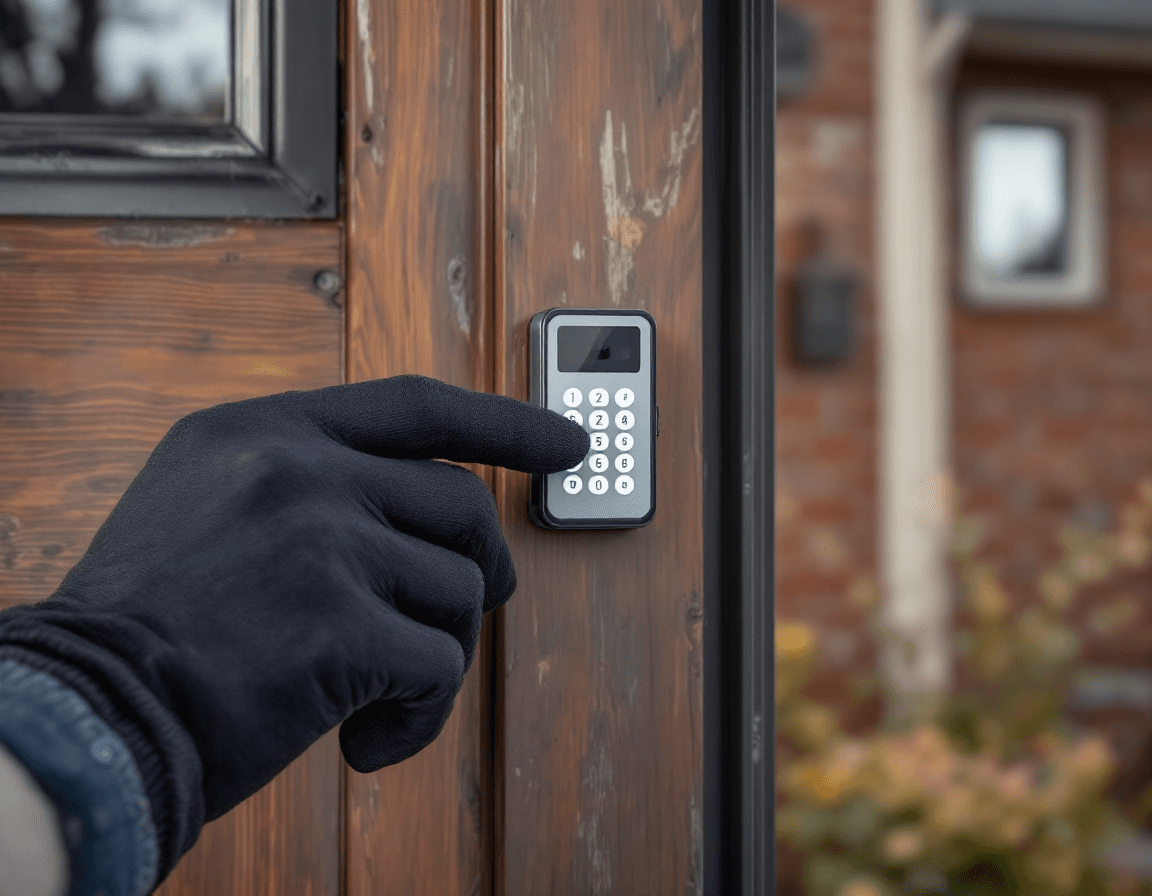
Garage door remote and keypad service in Medina, WA is one of the most common calls we take, and it is often the simplest fix on the list. A remote that stops reaching the door, a keypad that rejects a code that worked last month, or a car that no longer opens the garage can all be frustrating, but they usually trace back to a handful of causes we can check quickly. Medina's homes often have larger driveways, multi-door garages, and longer distances between the car and the house than a typical suburban lot, so the signal path matters more here than many homeowners expect. Our technicians work on remotes, keypads, and in-car pairing every week across the Eastside, and we bring the programming tools and replacement parts needed to get your system working again in a single visit.
Our standard service for this work runs $65 to $185, depending on how many devices need programming, whether the existing opener is compatible with the features you want, and how much troubleshooting the system requires. That price covers diagnosis and programming labor. A new remote or keypad is billed separately, and we will tell you the part cost before anything is installed so there are no surprises at the door. We are a licensed, bonded, and insured company, and we handle every remote and keypad job with the same care we bring to larger repairs. If you would rather understand the problem before calling, the sections below walk through what usually goes wrong and what a proper fix looks like.
Why Remotes Fail More Often Near the Lake
Medina sits on the eastern shore of Lake Washington, and the damp, mild air that comes off the water affects more than your lawn. Moisture can creep into remote housings through worn seals, cracked battery covers, and small gaps around buttons. Over a few wet seasons, that humidity corrodes the battery contacts and the circuit board inside the remote, which can cause intermittent transmission that comes and goes depending on the weather. Many homeowners notice that a remote works fine in the summer and then becomes unreliable every November through February.
Battery drain is another factor that gets overlooked. A remote that sits in a cold car or a damp coat pocket for long periods may lose charge faster than expected, and a weak battery often produces a short range rather than a complete failure. You might be able to open the door while standing at the end of the driveway but not from the street, or you may have to press the button twice before the door responds. Replacing the battery is always the first thing we try, and it solves the problem more often than people think.
Signal interference also plays a role on larger properties. Nearby electronics, outdoor lighting controllers, and some security systems can overlap with the frequency your opener uses, especially when the remote and receiver are far apart. Because many Medina driveways are long or curve around landscaping, the signal may weaken before it reaches the door. Our technicians test the remote at several points on your property, rather than only standing beside the garage, so we can see where the range actually drops off.
Reading the Symptoms: Intermittent Clicks, Dead Buttons, and Range Loss
Not every remote problem looks the same, and the symptom you notice is a useful clue. If one button works and the others do not, the most likely cause is a worn button contact or a failed trace on the circuit board rather than a programming issue. If every button works but only when you stand very close to the garage, the battery or the antenna in the opener is the more likely culprit. A remote that works occasionally and then stops for no obvious reason often points to a loose battery connection or moisture inside the housing.
Timing matters too. If the door opens on the first press in the morning but needs several presses by evening, the remote may be overheating or cooling in ways that affect its internal components. We also check whether the door responds to a wall control or keypad. When the wall button works but the remote does not, the issue is almost always the remote or its programming, not the opener motor. That single check saves a lot of guesswork and helps us narrow the repair quickly.
Here are the signs we most often see on service calls in this area:
- The remote works only when held close to the garage door or inside the driveway.
- One or two buttons on the remote fail while the others still respond.
- The door responds sometimes but not reliably, especially after rain or cold nights.
- The indicator light on the remote does not come on when pressed.
- The opener's lights blink or the motor runs but the door does not move as expected.
If you notice any of these patterns, write down when the problem happens and which device you are using. That information helps our technician arrive prepared and reduces the time needed on site.
Programming a Replacement Remote Without the Guesswork
A replacement remote needs to be paired with your opener before it will control the door, and the process depends on the opener brand and age. Many older openers use a learn button on the motor unit, which must be pressed and then followed by a button press on the new remote within a short window. Newer openers use rolling-code technology, which changes the transmitted code each time you press the button so that a stolen signal cannot easily be reused. Programming a rolling-code remote requires following the correct sequence for that specific opener, and a mistake can leave the new remote paired incorrectly or erase other devices from memory.
Before programming, we confirm which frequency your remote uses and whether it matches the receiver. Remotes typically operate on 315 MHz or 390 MHz in the United States, and some systems use 433 MHz. Installing a remote with the wrong frequency will never work, no matter how carefully it is programmed. We bring universal and brand-specific replacements so we can match the remote to the opener on the first attempt. When the existing opener is too old to support the features you want, we will explain your options clearly before you spend money on a new unit.
Once the remote is paired, we test it from inside the garage and from several points outside, including the driveway and the street entrance. We also confirm that any other remotes you own still work and that the wall control and keypad respond correctly. This complete check matters because a new remote that works in the garage but not from the driveway is only half a repair. You should leave the visit knowing that every control you use daily is functioning.
Keypads That Refuse Your Code: Diagnosing the Lockout
A keypad that will not accept your code is one of the more stressful problems for households with teenagers, guests, or cleaning staff. Most keypads have a limited number of user codes, and once that memory is full, new codes will not save. Some keypads also lock out for a period of time after several incorrect entries, which can make a simple typing mistake feel like a broken device. Battery failure is another common cause, since many wireless keypads begin to behave erratically before they fail completely.
Our technicians start by checking the keypad's power source and confirming that the buttons register presses correctly. We then look at the programming mode and the number of codes already stored. If the memory is full, we can clear unused codes and set up new ones based on your household's needs. If the keypad itself has failed, we replace it and program it to communicate with your opener. Water intrusion around the keypad is also common in our area, so we inspect the seal and mounting surface to make sure moisture is not getting into the wiring.
Keypad codes are sensitive to the exact sequence and timing of button presses, so it helps to know the manufacturer's instructions for your model. Many homeowners have the original manual in a drawer, but if it is missing, we can usually identify the model from the label and follow the correct procedure. We will never ask you to share a code you do not want shared, and we recommend changing default codes right away. A strong, unique code protects your garage far better than an easy-to-guess sequence.
Adding an Exterior Keypad to a Medina Driveway
Installing an exterior keypad is a popular upgrade for homes with large driveways, separate side entries, or frequent visitors who arrive without a remote. A keypad mounted near the front walkway or side gate lets family members, caregivers, and service providers enter without carrying a remote or unlocking the house. It also reduces the risk of a lost remote leaving the garage vulnerable, since codes can be changed at any time without replacing hardware.
Location is critical. We look for a spot that is protected from direct spray and standing water, reachable without leaning over landscaping, and visible enough that you will not struggle to find it at night. Medina's wet winters mean the keypad should sit under an overhang or in a sheltered position whenever possible. We also check the wiring route from the opener to the keypad, because a long run may need a different receiver or a signal booster to reach reliably. Good planning at the start prevents callbacks later.
Once the keypad is mounted and wired, we program the initial codes, test the entry from the driveway, and confirm the door responds at the correct speed and direction. We also explain how to add or remove codes so you can manage access yourself. For households that share the property with long-term guests or a rotating staff schedule, this self-management feature is often the most valuable part of the installation. We will walk you through each step before we leave so you feel comfortable using the system without calling us for every change.
Pairing Your Car's HomeLink Buttons After an Opener Change
Many vehicles built in recent years include built-in garage door openers, often branded as HomeLink, that can be trained to operate your door without a separate remote. Pairing these buttons usually requires holding the car's button while pressing the opener's learn button, then following a sequence that varies by vehicle make and model. When the opener is replaced or the car is sold and the new owner wants to use the system, the old programming no longer works, and the buttons must be trained again.
The process can be confusing because the instructions differ between manufacturers and opener types. Some systems require a rolling-code verification step, and others need the car to be stationary with the engine running. We have experience with the common in-car systems and know when a vehicle's built-in opener is compatible with the door's receiver. In some cases, the car may need a compatible aftermarket accessory or a remote-based solution instead. We will tell you honestly if pairing is not possible with your current equipment.
After pairing, we test the car from the driveway, the street, and the garage interior, and we check that the vehicle's buttons do not interfere with your existing remotes. Many households own two or three vehicles, so we confirm each one works independently. If the car's system stops working after a battery change or software update, the reset process is usually straightforward, and we can walk you through it during the visit.
Lost Remote in a Shared Household: Re-Securing the Door
A lost remote is more than an inconvenience. Anyone who finds it may be able to open your garage, and many people do not realize how easily a misplaced remote can be used by someone else. If you lose a remote, the safest step is to erase its memory from the opener so it can no longer operate the door. Many openers allow you to clear all remotes from memory by holding a learn button for several seconds, and then you can reprogram your current remotes one at a time.
We recommend this clearing process for any homeowner who suspects a remote has gone missing, especially if the remote was left in a car, a gym bag, or a rental property. Clearing memory also helps if you have sold a vehicle with a built-in opener or if a former house sitter, landscaper, or family member no longer needs access. After clearing, we reprogram your active remotes and any keypads or car buttons you still use. The process takes a short time, but it closes a real security gap.
For households that have changed codes or devices more than once, we also suggest a quick review of every access point. That includes the wall control, keypad, car buttons, and any smart-home integration. It is easy to forget an old device in a drawer or an unused car, and removing it from memory keeps your garage secure. We can handle this review as part of a standard visit so you know exactly which controls are active.
What a Remote and Keypad Visit Includes and What It Costs
Our remote and keypad service typically falls within the $65 to $185 range, depending on the complexity of the job. A simple battery replacement and single remote programming usually lands at the lower end, while a multi-device visit that includes keypad installation, car pairing, and a full memory clear will be higher. The price covers the technician's time, diagnostic testing, and programming. Replacement remotes, keypads, and any compatible accessories are billed separately, and we will quote those parts before installing anything.
Every visit begins with a short inspection of the opener, the door's safety reversal system, and the wiring that connects your controls. We do this for a practical reason: a remote problem can sometimes reveal a larger issue, such as a failing receiver or a sensor that is out of alignment. If we find something beyond the scope of programming, we will explain what we see and give you the option to address it now or later. You are never pressured into repairs you did not request.
Here is what you can expect during a typical visit:
- A quick review of your current remotes, keypads, and in-car controls to identify the problem.
- Battery replacement or testing when the remote shows signs of low power.
- Programming or reprogramming of remotes, keypad codes, or car buttons as needed.
- Range testing from the driveway, the street, and inside the garage.
- A clear summary of the work completed and any parts that were replaced.
We will also tell you if a repair is not cost-effective. Sometimes an older opener is so outdated that replacing it makes more sense than trying to add new controls, and we will walk through that decision honestly.
Keeping Remotes Reliable Through Wet Seattle-Area Winters
Prevention is far cheaper than emergency service, and a few habits can extend the life of your remotes and keypads significantly. Store remotes in a dry location, such as a drawer or hook inside the house, rather than leaving them in a damp car door pocket or a garage shelf near the floor. Replace batteries once a year, even if the remote still seems to work, because a weak battery can cause unpredictable behavior during cold, wet weather. Keep the keypad free of debris, leaves, and standing water, and wipe the buttons with a dry cloth when the surface is damp.
Check the seals and covers on your remotes periodically. A cracked battery door or a worn rubber button pad is an entry point for moisture, and replacing a damaged remote is usually less expensive than repairing corrosion on the circuit board. For exterior keypads, make sure the mounting screws are snug and the wiring is protected from water and rodents. Medina's gardens and lawns can be lush, so keep plants from growing over the keypad or blocking its view of the driveway.
Finally, schedule a routine check of the entire system every year or two. A short visit can catch weak batteries, aging contacts, and programming issues before they cause a lockout. It also gives you a chance to review which remotes and codes are still in use, so you can clear anything you no longer need. Regular attention keeps your garage convenient and secure through every season.
When a Remote Problem Is Really a Safety or Mechanical Issue
Sometimes a remote that will not work is a symptom of something more serious. If the door opens but reverses unexpectedly, makes grinding noises, or stops halfway without a clear reason, the problem may involve the safety sensors, the tracks, or the opener's force settings rather than the remote. These issues matter because a garage door is heavy, and failures can cause injury or damage to vehicles and property. We will not ignore these signs, and we will not treat them as a simple programming matter.
Spring and cable work requires specialized training, tools, and safety precautions, and it should always be handled by a licensed professional. Torsion springs store enormous tension, and attempting to adjust or replace them without proper equipment can result in serious injury. If your remote problem leads to a door that is unbalanced, sagging, or difficult to lift by hand, stop using the door and call us for an evaluation. We will explain what needs attention and provide a clear recommendation for the safest path forward.
Our goal is to solve the problem you called about while keeping the rest of your system safe. A remote that works perfectly on a door that is out of balance is not a success. We take the time to check the full system so you can use your garage with confidence.
Serving Medina and Nearby Eastside Neighborhoods
We provide garage door remote and keypad service throughout Medina, including homes near the waterfront and the surrounding residential streets within ZIP code 98039. Many of our Medina customers live on properties with long driveways, multi-bay garages, or separate entries for guests and service vehicles, and we plan each visit around the layout of the house and the access points that matter most to you. Because the area sits close to the Overlake business corridor, many households here also manage devices for vehicles that commute daily, so we are familiar with the timing and convenience needs that come with that routine.
Our technicians arrive equipped to handle the most common remote, keypad, and car-pairing jobs in a single visit whenever possible. We are licensed, bonded, and insured, and we carry the parts needed for typical replacements so you are not waiting for a second trip. Whether you are dealing with a remote that has stopped working, a keypad that rejects your code, or a car that will not open the garage, we can help you get back to normal quickly and safely.
If your remote, keypad, or in-car opener is giving you trouble, call Seattle Garage Door Fix at (888) 799-3819. We will confirm the symptoms, explain the likely cause, and give you a clear estimate before any work begins. Our service in Medina is built around straightforward communication, careful programming, and a system that works the way you expect every time you press the button.