
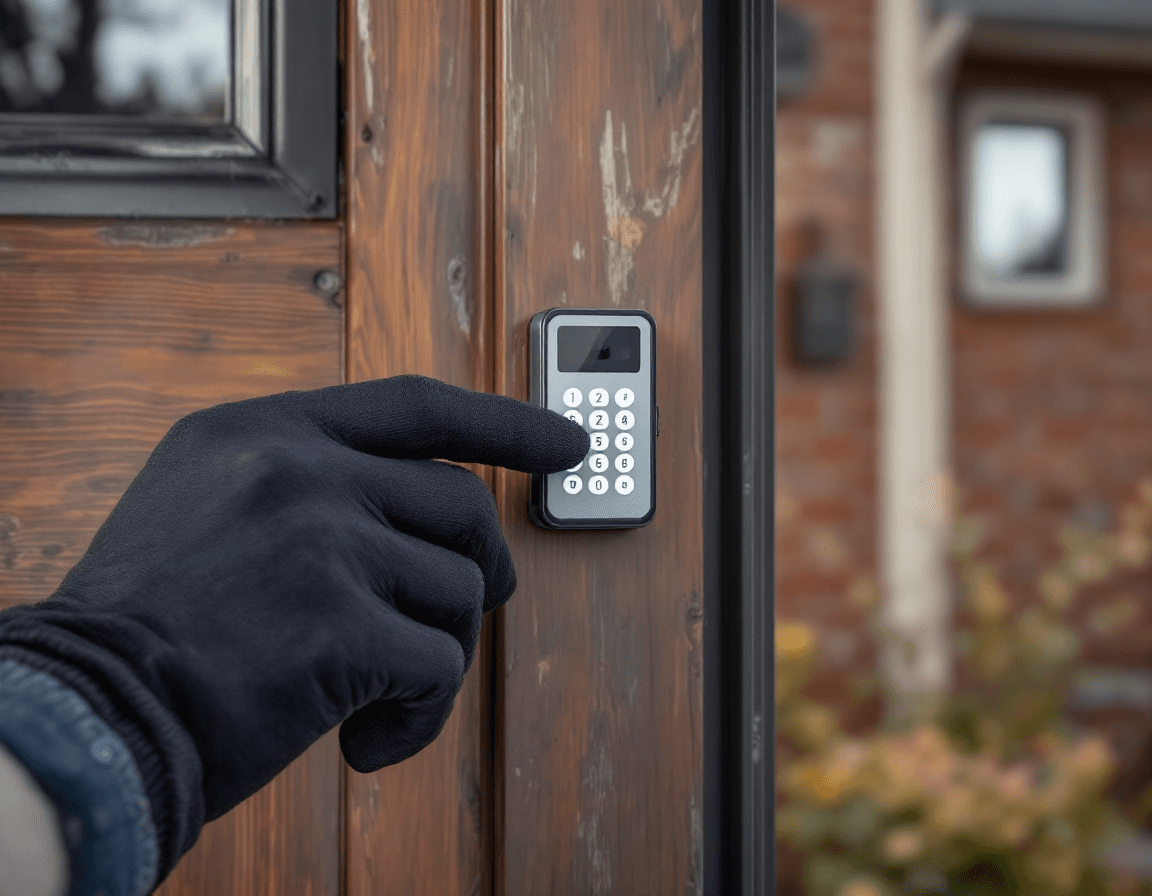
If you're searching for Garage Door Remote & Keypad Service in Covington, WA, chances are your garage door has stopped responding the way it should. Maybe the clicker in your car works only when you stand in one corner of the driveway, or the keypad by the side door insists your code is wrong even though you've entered it correctly for years. These problems are common in Covington, and most of them can be fixed without replacing the opener itself. A focused remote and keypad visit is often the quickest way to get back to normal.
Covington sits in the southeast corner of King County, where many homes were built in the last few decades with attached two-car garages, long driveways, and automatic openers as standard equipment. That means most households rely on remotes, wall controls, keypads, and sometimes a car-mounted button every single day. When one of those controllers fails, the whole routine breaks down, and the door becomes an inconvenience instead of a convenience. Our technicians handle these calls regularly across the 98042 area and the surrounding neighborhoods.
This page explains what we check, what we can fix on the spot, and what usually needs a replacement part. It also covers the questions we hear most often from homeowners near Covington Town Center and along the Jenkins Creek corridor. You'll find practical guidance you can use right away, along with honest notes about when a professional visit is the smarter move. Nothing here is meant to replace hands-on diagnosis, but it should help you understand what is happening with your door.
Why Remotes Misbehave in a Wet Covington Climate
Western Washington's weather is hard on small electronics, and remote controls are no exception. Covington gets long stretches of drizzle, frequent morning fog, and humidity that lingers well into spring. Moisture can seep into a remote's battery compartment, cause corrosion on the contact pads, or swell the rubber button membrane until presses no longer register cleanly. A remote that worked perfectly in July can start acting strangely by late November without any obvious damage.
Temperature swings matter too. On cool, damp mornings, the battery inside a remote can deliver less current than it does on a warm afternoon, which is why some owners notice that their clicker works in the afternoon but fails in the early hours. The circuit board may also pick up condensation after being left in a car overnight. Once the board dries out, the remote often returns to normal, which can make the problem seem to come and go.
Homes near the Jenkins Creek area sometimes deal with additional moisture from nearby vegetation and damp soil. Exterior keypads and wall-mounted receivers that sit close to plantings or low landscaping can collect mildew and grime over time. These buildups interfere with keypad contacts and can make a receiver's sensitivity drift. Keeping the area around your exterior hardware clear and dry is one of the simplest preventive steps you can take.
Telling an Intermittent Remote From a Failing One
Not every remote problem looks the same, and learning to recognize the pattern helps you decide whether you need a quick fix or a new unit. An intermittent remote typically works from some distances or angles but not others, or works on some presses and fails on the next. This often points to a weak battery, a sticky button, or moisture in the housing. Dead remotes produce no LED flash at all and usually point to a discharged battery or a damaged circuit.
Range issues deserve special attention. If your remote works when you're standing at the end of the driveway but not when you're pulling into the garage from the Town Center side of the neighborhood, the problem may not be the remote at all. Metal siding, a new car with a heavy steel body, or nearby radio interference can all reduce the effective range. Our technicians test the remote at several distances and check the receiver's antenna placement before deciding where the fault lies.
Pay attention to whether the door responds to a wall button but not the remote. That pattern usually means the remote has lost its programming or has fallen out of sync with the opener's receiver. It can also happen after a power outage, a brief surge, or a storm that knocked the opener's logic board briefly offline. A reprogramming session often restores normal operation, but if the receiver itself is weak, we'll recommend testing it before assuming the remote is the only issue.
Reprogramming Remotes Without the Guesswork
Reprogramming a remote is one of the most common tasks in our Covington service calls, and it is far easier than most people expect. The exact steps depend on the opener brand and the age of the system, but the general process follows a predictable pattern. Your technician will locate the learn button on the opener's motor unit, usually near the light lens or the rear cover, and then pair the remote so the receiver recognizes its signal. Newer systems use rolling-code technology, which changes the transmitted code every time you press the button and makes unauthorized access far harder.
Here is what homeowners can usually check before calling for help:
- Replace the remote's battery with a fresh one of the correct type, and confirm the contacts are clean and dry.
- Press the remote's button directly against the motor-unit wall button test area to see whether the door responds from a short distance.
- Locate the learn button on the motor unit and note its color, since the color often indicates the brand's programming method.
- Make sure the door is fully closed and the safety sensors are aligned before attempting any programming sequence.
- Write down the make and model of your opener so the technician can bring the correct procedure and compatible remotes.
If these steps don't restore function, the remote may need to be reset or replaced. Some remotes can be erased and reprogrammed several times, while others have limited memory and will not accept additional codes once the slots are full. We can help you sort out which situation applies to your system, and we'll explain your options before recommending a purchase.
When a Keypad Won't Accept Your Code
A keypad that rejects a correct code is frustrating, especially when you're carrying groceries or arriving home after dark. In many Covington homes, the keypad is mounted beside the side entry or near the garage door itself, where it gets constant use and exposure to the weather. Over time, the buttons can wear, the internal contacts can oxidize, or the wiring behind the panel can loosen. Any of these conditions can make the keypad register the wrong digits or fail to register at all.
Sometimes the problem is simpler than a hardware fault. Many keypads lock out for a short period after several incorrect entries, which can make a correct code appear to fail on the next attempt. Other keypads have a programmable code that was changed during a previous service visit or by a household member, and nobody remembered to update the family's records. Before assuming the keypad is broken, check whether a lockout is active and whether the code was recently reset.
When the keypad is physically damaged, replacement is usually the best choice. Water intrusion is a real concern in our region, and a keypad that has been exposed to repeated rain may show corrosion, fogged lenses, or sticky keys. A technician can inspect the wiring, test the signal to the opener, and confirm whether the existing unit can be repaired or should be swapped for a weather-rated model. We will always show you the condition of the unit before recommending a new one.
Choosing Where an Exterior Keypad Belongs
Homeowners often ask us to add an exterior keypad so family members, babysitters, or contractors can enter without carrying a remote. This is a practical upgrade, but placement matters a great deal. The keypad should be mounted at a height that is easy to reach, protected from direct rain where possible, and positioned so it does not invite tampering from the street. In many Covington neighborhoods, a location on the garage wall beside the entry door works better than a spot on the front of the house.
Wiring is another consideration. Some keypads connect to the opener through low-voltage wiring that runs through the wall, while wireless models use their own receiver and battery. Wireless units are easier to install in homes where running cable would mean opening finished drywall, but they still require a clear line to the opener and a battery that is checked periodically. Wired models usually offer more stable operation, though they need a clean installation to avoid moisture problems at the connection points.
Before we install a new keypad, we will talk through your security goals, your opener's compatibility, and how many users need access. We can set up individual codes where the system allows, explain how to change them, and recommend a weather-resistant mounting approach for your exposure. Adding a keypad is a reasonable project for many homeowners, but if the opener's logic board or safety circuit needs attention during the same visit, we'll flag it so the work is done properly.
Getting Your Car's HomeLink Buttons Working Again
Many newer vehicles come with built-in garage door openers, often branded as HomeLink, that can be trained to operate your door without a separate remote. Owners in Covington frequently run into trouble when they buy a new car, move a vehicle to a different home, or replace the opener and discover that the car's buttons no longer respond. The good news is that pairing is usually straightforward once you know the correct sequence for your vehicle and opener.
The process generally involves holding the car's button while pressing the opener's learn button, then watching for a signal from the vehicle's indicator light. Some systems require a rolling-code confirmation step, which may involve pressing the car button several times and waiting for the opener to respond. Certain vehicles and certain openers do not play well together, and in those cases a universal remote or a separate programmable module may be the better path. Before attempting any pairing, check your owner's manual and confirm your opener's brand and frequency.
We often see HomeLink issues that are actually caused by a weak signal or an antenna that has moved out of position. A car parked too far from the garage, a driveway that slopes sharply, or a nearby structure can reduce reception enough to make the buttons seem dead. Our technicians test the signal at the car's typical parking position and can recommend adjustments to the receiver if needed. Pairing may be part of a larger visit, but we will explain exactly what work is being done and why.
Re-Securing the Door After a Lost Remote
A lost remote is more than an inconvenience. Anyone who finds it, or who obtains it from a vehicle or a bag, may be able to open your garage door unless the system is updated. Homeowners who lose a remote, sell a car with a programmed clicker still inside, or part ways with a former tenant or caretaker should consider reprogramming the opener to erase the missing transmitter. This is one of the most important security tasks in a remote service visit, and it's easy to overlook.
Most openers can clear all remote codes through a sequence performed at the motor unit, usually by holding the learn button for several seconds until the indicator light changes. After clearing, every remote you still use will need to be programmed again, which is an excellent opportunity to review how many transmitters exist and who holds them. Keypad codes should be changed at the same time, since a determined person who has seen the code may still gain access. Many Covington homeowners find that clearing and reprogramming takes less than an hour.
If you aren't sure whether a remote has been erased, or if the opener's memory has filled up with codes from previous owners, a technician can audit the system. We will confirm which transmitters are active, reset the memory, and set up the remotes and keypad codes you actually want. This is especially useful after a home sale or a long-term rental. Good security practice means checking the door's programming regularly rather than assuming the last visit was enough.
Quick Checks You Can Do Before Calling
Some remote and keypad problems are simple enough to try before scheduling a visit. These checks cost nothing, take only a few minutes, and sometimes solve the issue completely. They are especially useful during Covington's wet months, when a little moisture can cause surprising behavior. If the steps below don't resolve the problem, it is a good sign that a professional evaluation will be worthwhile.
- Confirm the opener has power, and check whether the motor light is on or blinking.
- Replace the remote battery and wipe the contacts with a dry cloth.
- Inspect the keypad for condensation, grime, or buttons that feel stuck.
- Make sure nothing is blocking the wall button, the photo-eye sensors, or the antenna wire.
- Test the remote from several positions in the driveway and note where it works and where it fails.
Please avoid opening the opener's cover, touching the spring assembly, or disconnecting wiring while troubleshooting. Garage door springs and cables carry enough tension to cause serious injury, and any spring or cable work should be handled only by a licensed professional. Remote and keypad service is generally low-risk, but it still involves mains-powered equipment, so keep the work limited to the controllers and battery checks described above.
What a Covington Remote and Keypad Visit Costs
Our remote and keypad service in Covington typically falls in the range of $65 to $185 for the visit itself, depending on the work involved. Simple reprogramming tasks usually land near the lower end, while keypad installations, troubleshooting multiple controllers, or in-car pairing sessions may fall higher. Any new remote, keypad, or replacement receiver is billed separately, so you'll know the cost of the hardware before we proceed. We will always discuss the scope of the work before starting.
Several factors influence the final price. The age and brand of your opener affect how long programming takes and whether specialized equipment is needed. A home with a wired exterior keypad that needs repair will generally take more time than one with a single remote that just needs a new battery. If we discover a safety-related issue, such as a sensor misalignment or worn hardware that should be inspected, we will explain it clearly and let you decide how to proceed.
Our goal is to give you a clear, honest assessment rather than an upsell. Many remote problems can be resolved in a single visit, and we'd rather you leave with a working door than with a list of unnecessary parts. If your opener is old, unreliable, or no longer supported, we will say so directly and discuss your options. Covington homeowners deserve straightforward answers, and that is how we approach every service call.
Garage Door Remote & Keypad Service in Covington, WA is a practical, affordable way to restore convenience and security to your home. Whether your remote is intermittent, your keypad rejects a correct code, or you need to clear out a lost transmitter, a focused visit can usually get the job done. If you're ready to schedule service or have questions about your opener, call Seattle Garage Door Fix at (888) 799-3819 and we'll help you find the right solution for your Covington home.