
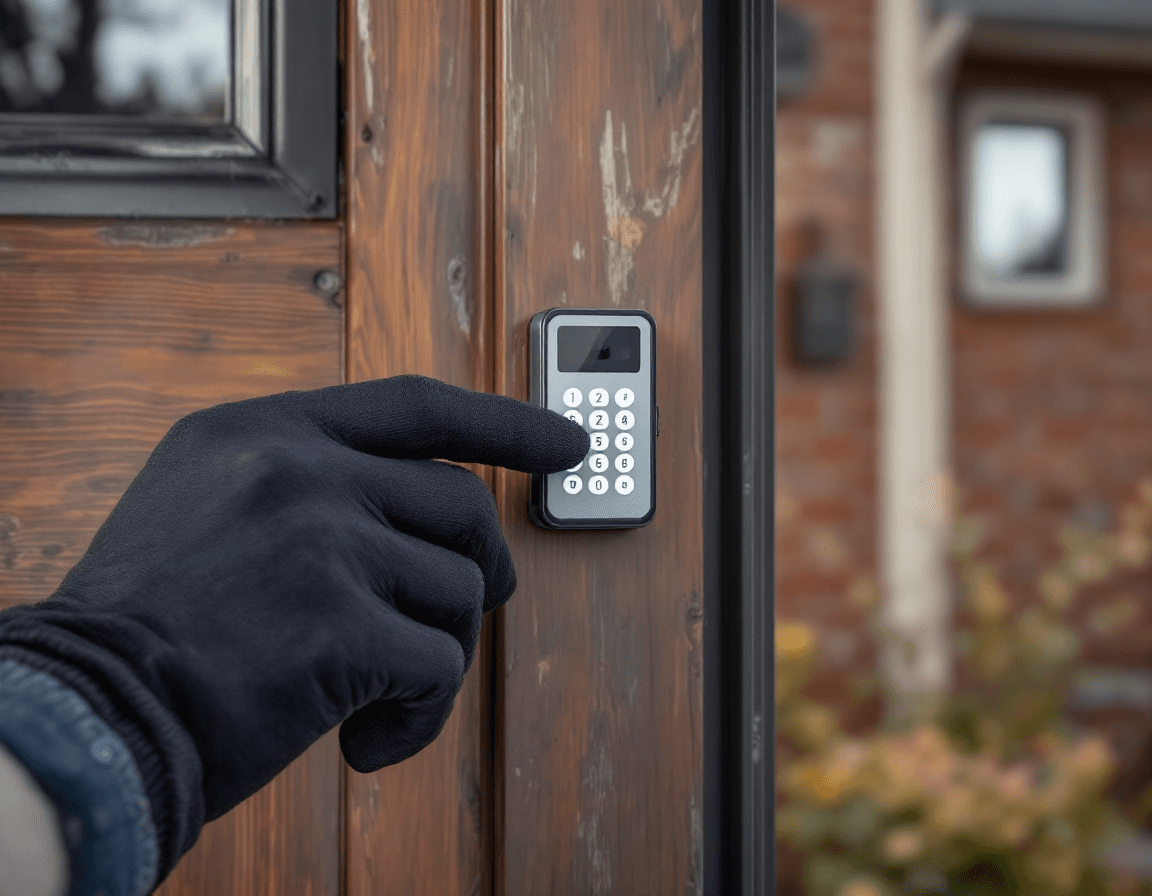
Garage Door Remote & Keypad Service in Puyallup, WA is one of the most common calls we take from homeowners across the valley, and it is often the easiest fix on the list. A remote that worked last week and now only opens the door when you stand in the driveway, or a keypad that suddenly rejects a code you have used for years, can make an ordinary morning feel like a hassle. Most of the time the problem is a battery, a sync that drifted, a worn button, or a receiver that needs to learn a new signal. Our technicians handle programming, keypad installation and troubleshooting, and in-car opener pairing for homes throughout Puyallup and the surrounding Pierce County neighborhoods.
Puyallup sits in a part of Western Washington where the weather does not make things easy on electronics. Winter brings long stretches of damp air and rain that can seep into remote housings and keypad wiring, while summer afternoons can still be warm and dry enough to drain batteries faster than expected. Many households here use a mix of older single-button remotes and newer multi-button models, sometimes paired with a keypad on the side of the house and a visor-mounted opener in the car. That combination means a single small failure can leave you locked out in more than one way, so it helps to understand what is happening before you start pressing buttons.
This page explains the most common symptoms we see, what causes them, what a service visit typically involves, and when it makes sense to replace a remote or keypad instead of repairing it. Our rates for remote programming, keypad work, and in-car pairing generally fall between $65 and $185, depending on the job and the equipment involved. Any new remote or keypad hardware is billed separately. If you would rather talk through your situation first, you can reach us at (888) 799-3819.
Why Remotes Fade Faster in a Puyallup Garage
Remotes live a harder life than most people realize. They ride in cup holders, get tossed onto kitchen counters, and sometimes spend a rainy week in a jacket pocket. In the Puyallup area, humidity and temperature swings can work their way into the small circuit board and the battery contacts, leaving a trace of corrosion that interrupts the signal. The result is often a remote that works perfectly at the kitchen window but fails at the end of the driveway, which can look like a range problem when the real issue is a weakened transmitter.
Garages in older Puyallup neighborhoods also tend to be drafty, and the door itself may sit close to a wet exterior wall or a gutter downspout that keeps the lower panels damp. Moisture on the opener's antenna wire or the sensor lens can add to the confusion, especially when the same wall also holds a keypad. We often find that a homeowner has replaced a remote twice before anyone checked whether the receiver's antenna had come loose or whether the wire had been pinched behind a shelf. A quick look at the whole system usually reveals whether the remote is truly the culprit.
Keeping the remote dry and out of direct sun extends its life considerably. A simple storage spot on a hook inside the house, away from the door track and the car's dashboard, makes a noticeable difference over several years. If your remote regularly gets wet, a basic silicone cover or a small zip pouch can protect the buttons without making it harder to press them.
Recognizing Intermittent Remote Failure Before You Get Locked Out
An intermittent remote is one of the most frustrating problems to diagnose because it works just often enough to make you doubt yourself. You press the button, the door moves, and then the next morning it does nothing at all. Usually the first suspect is the battery, but weak batteries rarely cause a clean on-off pattern. More often, the remote's internal contacts have shifted slightly, or a button's rubber pad has worn so that the circuit only closes when pressed at a certain angle.
Before calling for help, try a few simple checks that cost nothing. Replace the battery with a fresh one of the type printed inside the case, wipe the contacts with a dry cloth or a cotton swab lightly dampened with isopropyl alcohol, and make sure the remote is not sitting against a metal surface that could block the signal. Then test it from a few spots, including the driveway and the sidewalk, so you can tell whether the problem is consistent or intermittent. Write down what you observe, since that information helps a technician narrow things down quickly.
- Battery replaced, yet the remote still responds only some of the time
- Button works from inside the garage but not from the street
- Door reverses or stops partway after a successful press
- A second remote in the household works reliably while the first one does not
- Remote opens the door only after several presses
If the remote fails across multiple tests, the issue is usually inside the transmitter or the receiver. A technician can check the receiver's antenna, measure signal strength, and determine whether the remote needs reprogramming or replacement. Many intermittent problems turn out to be a loose connection or a worn switch rather than a fault that requires a new opener.
Programming a Replacement Remote Without the Guesswork
When you need a new remote, the most important question is compatibility. Garage door openers use a specific radio frequency, and the replacement must match the opener's receiver and its code type. Many modern openers use rolling-code technology, which changes the signal every time you press the button so that a copied code cannot be reused. Older openers may use fixed codes, and some use DIP switches set in a particular pattern. Reading the label on the opener's motor unit or the back of the old remote usually reveals the brand and model, which narrows down the options considerably.
Programming itself typically involves pressing a "Learn" or "Sync" button on the opener, then pressing the remote button within a set time window. The exact steps vary by manufacturer, and the lights on the motor unit will usually flash to confirm the new code. Some systems allow several remotes to be programmed at once, while others limit the total number. Our technicians carry common replacement remotes and can program them on site, which saves a second trip when the hardware is in stock.
If you already have a working remote, you may be able to add another without buying from the opener manufacturer. Be aware that some older systems will only accept a limited number of remotes, and adding a new one can erase the codes stored for the others. That is why we confirm the opener's capacity before starting. Keeping a list of which remotes belong to which household member also makes future programming much smoother.
Keypads That Refuse Your Code: Common Causes
A keypad that will not accept your code is a common complaint, especially in homes where the keypad is used by several people or by a family member who visits occasionally. The first thing to check is whether the keypad is receiving power. Many keypads run on batteries, and cold, damp mornings can cause a weak battery to fail to register presses even though the display lights up. If the keys respond but the code is rejected, the code itself may have been changed, or the keypad may have been reset during a previous battery replacement.
Another frequent cause is water. Keypads are often mounted on the exterior of the garage or beside the walk-in door, where rain runs down the siding and gathers behind the faceplate. Over time, moisture can corrode the contacts beneath the keys, making certain numbers unreliable. A keypad with one or two sticky buttons may be a sign that the seal has failed, and replacing the unit is often more cost-effective than attempting to clean it thoroughly. We check the gasket, the mounting screws, and the wiring before recommending a repair.
Sometimes the keypad is working correctly, but the opener's receiver has lost its connection to it. This can happen after a power outage, a storm that caused a brief surge, or a change in the opener's settings. Resetting the keypad to factory defaults and reprogramming the access code restores the link in many cases. Keep the new code somewhere secure, and avoid simple sequences that neighbors or passersby could guess.
Adding an Exterior Keypad on a South Hill Driveway
Homeowners on South Hill often ask about adding an exterior keypad, especially when they have a second driver in the household or want a way to enter the garage without carrying a remote. South Hill properties vary widely, from compact lots with the garage close to the street to larger homes set back on sloped driveways. The position of the keypad matters for weather protection, visibility, and the length of wire needed to connect it to the opener. A location on a covered entry or under an overhang generally holds up better over the long, wet months.
Installing a keypad usually involves mounting the faceplate at a comfortable height, running low-voltage wire to the opener's control terminals, and programming the access code. Some keypads are wireless and simply pair with the opener, which reduces the amount of drilling needed but still requires a stable power source. We recommend choosing a keypad with a weather-resistant rating and a backlit display if the area is dark at night. A well-placed keypad also reduces the chance of someone tampering with the lock or pressing buttons repeatedly out of curiosity.
If your opener is older and does not have a keypad terminal, a technician may recommend a compatible wireless model rather than running new wire through an exterior wall. We discuss the options during the visit so you can weigh the cost against the convenience. Whatever you choose, we will show you how to change the code, reset the keypad, and test that the door responds before we leave.
Pairing Your Car's HomeLink or Built-In Opener
Many vehicles built in the last two decades include a built-in universal opener, often labeled HomeLink or with a similar name depending on the manufacturer. These buttons can replace a clip-on remote, but they do not always pair easily with every opener. The process generally requires holding the car's button while pressing the opener's learn button, then watching for a light change or a blinking signal on the dashboard. Some newer openers and vehicles use rolling-code systems that require a slightly different sequence, and a few steps may need to be repeated.
Pairing problems often come from timing. If you press the car button too early or too late, the opener may not register the signal. Battery levels in the car can also matter when the vehicle is idle for long periods, since low voltage can affect the transmitter. We have seen cases where the car pairs successfully but the door only responds when the engine is running, which usually points to a power issue rather than a programming error. Checking the vehicle's manual for the exact procedure is helpful, but a technician can often finish the job in a single visit.
If you have sold or traded a vehicle, the old pairing may still be stored in the opener's memory. Clearing these codes is good practice, particularly when someone else now owns the car. Our in-car pairing service includes checking existing codes and removing any that no longer belong to your household. This step adds a layer of security that is easy to overlook.
Lost Remote or Stolen Transmitter: Re-Securing Your Garage
Losing a remote is more than an inconvenience. Anyone who finds it could potentially open your garage, especially if the opener uses an older fixed-code system. Even rolling-code openers are safer when old remotes are removed from memory, because the lost unit can no longer be used once it has been erased. Many homeowners do not realize that simply buying a new remote does not disable the old one. The original remote stays active until the opener's memory is cleared or reset.
Re-securing a garage after a loss typically involves erasing all stored remote codes, reprogramming the remotes you still have, and resetting the keypad code if one exists. We recommend doing this promptly rather than waiting for a convenient moment. If you suspect the remote was stolen along with a vehicle or a bag, let us know so we can also check any linked in-car pairings. Changing the keypad code and erasing the old transmitters together closes most of the gaps.
It is also wise to review your opener's security settings while the system is open. Some models allow you to adjust the timing of the auto-close feature, enable lock modes, or add a light that signals when the door is operating. These changes do not replace good habits, such as keeping the door closed when you are away and never leaving remotes in a visible spot inside a parked car, but they do make the garage harder to access without permission.
Understanding Frequencies, Rolling Codes, and What Your Remote Sends
Most residential openers operate on a radio frequency that is either 315 MHz or 390 MHz, and the remote must match the receiver. Using the wrong frequency will not damage anything, but the door will simply not respond. The label on the remote or the opener's motor unit typically shows the frequency, and this detail matters when buying a replacement from a store or online. We confirm the frequency before ordering hardware so that the part you receive will actually work.
Rolling codes add a layer of protection by changing the transmitted signal each time you press the button. The opener and remote share a synchronized algorithm, and the receiver rejects any code it has already seen. If the remote is pressed many times outside the range of the opener, the two can fall out of sync, which is a common reason for a remote that suddenly stops working. Resynchronizing usually requires pressing the opener's learn button and then the remote button a few times in succession. Our technicians can handle this step and explain how to do it safely at home.
Older fixed-code remotes are simpler but less secure. Their signal is the same every time, which makes them more vulnerable to copying. If your opener is old and uses this type of system, upgrading to a rolling-code model is a sensible investment for many households. We can discuss whether an upgrade makes sense based on the age of the opener, the condition of the motor, and your priorities for convenience and security.
What a Service Visit Covers and What It Costs
A remote and keypad service visit generally includes diagnosing the symptom, testing the transmitter and receiver, programming or reprogramming the devices, and confirming that the door operates correctly from each control point. For keypads, the visit also covers checking the wiring, the mounting, and the access code. For in-car pairing, the technician verifies the signal from the vehicle and clears any outdated codes. Most of these tasks can be completed in a single appointment if the parts are available and the opener is in good condition.
Our standard rates for this work fall between $65 and $185, depending on the complexity of the job and how many devices are involved. Simple reprogramming of a single remote usually sits near the lower end of that range, while multi-device work, keypad installation, or troubleshooting an intermittent receiver tends to fall higher. Any new remote, keypad, or related hardware is billed separately, and we list those costs before you approve the work. There are no surprise add-ons for the programming itself.
- Diagnosis of the reported symptom with a visual check of the opener and wiring
- Testing of the remote, keypad, or vehicle transmitter at multiple distances
- Programming, reprogramming, or erasing codes as needed
- Confirmation that every control point operates the door correctly
- Written notes on any hardware recommended for future replacement
If the diagnosis reveals a larger problem, such as a failing opener motor or a damaged safety sensor, we will explain what we found and what it would take to repair it. You are never obligated to proceed with work beyond the remote or keypad service you requested.
Protecting Your Remotes and Keypads Through a Wet Pierce County Winter
Western Washington winters are long and damp, and those conditions are hard on any device that sits outdoors or near a garage wall. A few simple habits can prevent many of the failures we see each year. Store spare remotes indoors, keep them away from the dashboard of a parked car where temperatures climb on sunny days, and replace batteries before they reach the point of failure. For exterior keypads, check the faceplate for cracks or gaps every few months, especially after a windy storm.
Shade and drainage also play a role. If a keypad sits directly under a downspout or a patch of gutter that overflows, it will take on more water than it should. Moving the keypad a few inches or adding a small cover can help. Likewise, keeping shrubs trimmed back from the opener's sensors and the keypad helps prevent moisture from collecting and reduces the chance of debris blocking the signal. These measures are inexpensive and often make a visible difference by the next rainy season.
Finally, schedule a routine check every year or two, particularly if your opener is more than a decade old. A technician can look at the remote codes, the keypad seal, the antenna, and the safety reversal system in one visit. Catching a weak link early is far less disruptive than being locked out on a cold morning before work. Our team serves Puyallup and nearby communities across the 98371 through 98375 ZIP codes, and we are happy to schedule a visit that fits your routine.
Keeping Your Puyallup Garage Easy to Open and Hard to Misuse
A reliable remote and keypad setup makes daily life simpler, but it should never come at the expense of safety. If your remote or keypad has been acting up, we recommend addressing the problem promptly rather than working around it by propping the door or leaving it open. Garage doors are heavy, and the springs and cables that move them carry significant tension. Any repair involving those components should be handled by a licensed professional, not by a homeowner with a ladder and a socket set. Remote and keypad work, by contrast, is low risk and well suited to a straightforward service visit.
Whether your home is near the Downtown Puyallup core, tucked into a quiet street on South Hill, or closer to the fairgrounds that bring traffic to the area each September, the principles are the same. Clean signals, secure codes, and a well-placed keypad keep your garage accessible to the people who should use it. Regular attention to batteries, moisture, and programming goes a long way toward avoiding the lockouts that catch so many households by surprise.
If you are dealing with a remote that cuts out, a keypad that rejects your code, a car that will not pair, or a lost transmitter you want to replace, we are ready to help. Call (888) 799-3819 to describe what is happening and schedule a visit that fits your day. We will explain the options clearly, quote the service and any hardware before we begin, and make sure your garage door responds the way it should.