
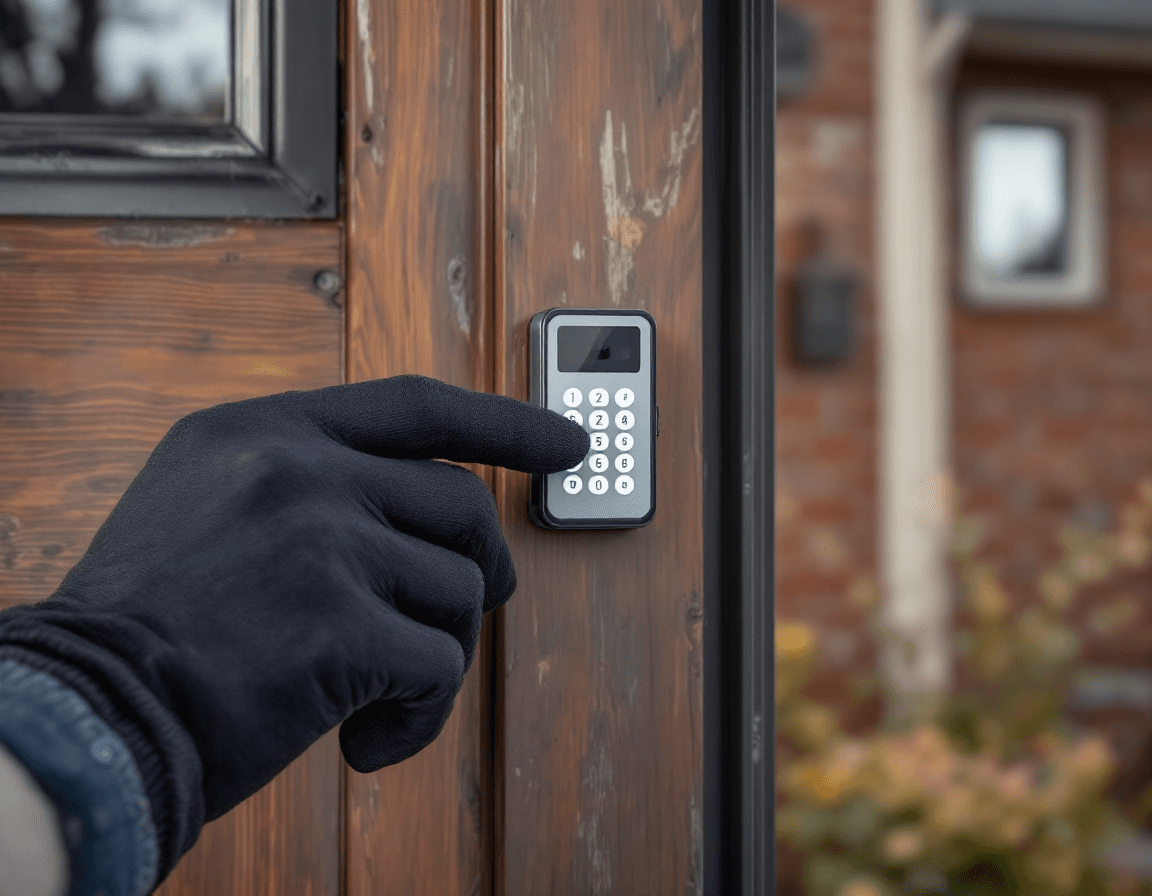
Garage Door Remote & Keypad Service in Sumner, WA covers one of the most common problems homeowners run into: the handheld remote that worked last month and now doesn't, a keypad that rejects a code you're certain is right, or a car that no longer opens the door from the driveway. Most of these calls take less time than people expect, and many are solved without replacing the opener itself. Our technicians serve Sumner and the surrounding neighborhoods in the 98390 and 98391 ZIP codes, from the older blocks near the historic downtown core to the newer homes in Lakeland Hills.
Sumner sits in the Puyallup River valley, and that matters for your garage. Winters bring long stretches of rain, humid air, and the cold, damp mornings that settle over the valley. Those conditions wear on the small parts inside remotes and keypads, from coin-cell batteries to the circuit boards and buttons that sit inside sealed plastic housings. A device that works perfectly in July can behave strangely in January, and that seasonal pattern is something our technicians see every year.
This page explains what we check when a remote or keypad misbehaves, how we handle replacements and new keypads, how we pair vehicle buttons, and what to do if a remote is lost or stolen. It also explains what the visit costs and where the line sits between work a homeowner can handle and work that belongs with a licensed professional. Read through the sections that match your situation, or call us directly if you'd like someone to look at it on-site.
Why Remotes Fail More Often in the Puyallup Valley
Remotes in our region rarely fail all at once. More often the signal weakens gradually, the range shrinks, and the door responds only when you stand in one exact spot. Humidity and condensation are part of the reason, since moisture can creep into the battery compartment and corrode the contacts over a season or two. Repeated exposure to cold car cup holders, wet jacket pockets, and rain-soaked keychains speeds that process up.
Battery condition is the first thing we check, and it is the cause of a surprising share of calls. Many remotes use small coin-cell batteries that appear to have plenty of charge but cannot deliver enough current to transmit reliably in cold weather. We look at the battery contacts for green or white corrosion, confirm the battery is seated correctly, and replace it with the correct type if needed. A fresh battery alone solves many complaints, and it costs very little.
Obstructions and interference also play a role in the Sumner area. Dense construction along busy corridors, metal siding, and steel garage doors can all reduce range, and a remote that works from the driveway may struggle from the far end of a long lot. We test the remote from several distances and angles so we can tell a weak remote from a weak receiver on the opener. That distinction keeps us from recommending parts you don't need.
Intermittent Remote Behavior: Reading the Clues
An intermittent remote is one of the trickiest complaints to diagnose, because the problem seems to appear and disappear without any clear pattern. A remote may open the door three times in a row, then fail twice, then work again after you press it harder. Homeowners often assume the remote is broken, but the cause could be the battery, a sticky button, the receiver antenna, or the opener's learn settings. Careful testing usually reveals which one it is.
When we arrive, we start by pressing each button on the remote and watching the status light or the door's response. We then test the remote from inside the garage, from the driveway, and from the street, paying attention to any spot where it consistently fails. If the remote works inside the house but not from the car, the issue may be range or a nearby obstruction rather than the device itself. Recording these patterns helps us pinpoint the cause quickly.
Here are some of the most common clues we look for during an intermittent-remote visit:
- The remote works only when held at a specific angle or pressed firmly.
- Battery replacement helped briefly, then symptoms returned within weeks.
- Other remotes in the household work, but one particular remote does not.
- The door responds from the driveway but not from the sidewalk or the far side of the house.
- The opener's wall-mounted button works, but no handheld remote does.
If the wall button works and every handheld remote fails, the problem is almost always in the remote programming or the receiver, not in the motor. In that case we check the antenna wire on the opener, confirm the receiver is seated properly, and reprogram the remote if needed. We don't replace the opener just because a remote is misbehaving, and we'll tell you plainly if that's the case.
Replacement Remotes Without the Guesswork
Needing a replacement remote is one of the most straightforward jobs we handle, but it is still worth doing carefully. Garage door openers use specific radio frequencies and signal formats, and a remote that looks identical to yours may not work with your system. The safest approach is to identify the opener first, so we can match the correct remote model and programming method. The brand and model number usually appear on the motor unit's cover, the rail, or the label near the light lens.
Many openers installed in the last couple of decades use rolling-code technology, which changes the transmitted code each time the remote is used. This is good for security because a captured code cannot be reused, but it also means the remote and receiver must be synchronized during programming. Older openers that use fixed-code remotes are less common now, though some homes still have them. Our technicians can tell which type you have and recommend a replacement that matches.
We stock common replacement remotes for many popular opener brands, and we can program a new remote during the visit. If you prefer to buy your own remote, bring the exact model number so we can confirm compatibility before we arrive. Our service fee covers the programming, testing, and a walkthrough of how the remote works, and the remote itself is billed separately. Keep in mind that a single visit can often cover several remotes if your household needs extras.
Keypads That Refuse Your Code
A keypad that refuses your code is frustrating, especially when you're standing in the rain with groceries. Most keypads will lock out for a short period after several wrong attempts, and that lockout can make a correct code seem broken. Before assuming the keypad has failed, it is worth waiting a few minutes and trying again slowly, pressing each digit firmly and confirming the entire code. Many complaints end right there.
If the keypad still won't accept the code, the most common causes are a worn or sticky button, a code that was changed without your knowledge, or a keypad that was never fully synchronized with the opener. Moisture is a frequent factor in our area, and a keypad mounted on an exposed exterior wall may suffer from water intrusion that short-circuits one or more buttons. We open the housing, inspect the contacts, clean or dry them as needed, and test each digit. If a button has failed, we can usually replace the keypad itself rather than the whole opener.
Resetting a keypad is sometimes necessary, but it should be done with care. The reset process differs by brand, and some keypads require you to first clear the opener's stored codes before setting a new one. We walk you through the steps during the visit so you know exactly what changed and why. You will leave with a code you can remember and a clear understanding of how to update it later.
Adding an Exterior Keypad by a Side Door
Many Sumner homeowners want an exterior keypad so family members, dog walkers, or contractors can enter the garage without carrying a remote. This is a practical upgrade, especially for households where the car is parked on the driveway and the side entry is the usual route in and out. An exterior keypad mounted near the side door also reduces the number of keys you have to carry during rainy commutes.
Placement matters a great deal in the Pacific Northwest. A keypad should be mounted under a roof overhang or on a protected wall whenever possible, because direct rain and wind-driven moisture will shorten its life. We also consider the height and sightline so the keypad is easy to reach without trapping a hood or umbrella in the way. Wiring is typically low-voltage and runs from the opener's control terminals to the keypad, and we confirm compatibility with your specific opener before any work begins.
Adding a keypad is a good time to review other security habits as well. Choose a code that is not a birthday or a street address, and avoid sharing the same code across several keypads or apps. If you have a wireless keypad, we'll show you how to set it up so it communicates reliably with the opener, and we'll explain how to delete a code later if someone no longer needs access. Keeping the code list short and up to date is one of the simplest ways to protect the garage.
Pairing Your Car's Built-In Opener Buttons
Many newer vehicles include built-in garage door buttons, often marketed under the HomeLink name, and these can be paired with your opener in a few minutes when everything cooperates. Homeowners often assume the car system is either compatible or not, but the process depends on the vehicle year, the opener brand, and the frequency your system uses. Some cars support a wide range of openers, while others have limits or require a separate bridge device.
The general process involves placing the handheld remote near the car's rear-view mirror or console button, holding the car button while pressing the remote, and then pressing the car button again to confirm. Timing matters, and many people need a few attempts before the pairing takes. Some vehicles use a learning mode that requires the engine to be running, and some require the battery to be fully charged. We walk through the steps with you on-site so you can see what the car is doing at each stage.
If your car's buttons do not pair, we check whether the vehicle supports the opener's technology and whether a compatible accessory is available. We will not promise that a particular vehicle works with a particular opener unless we have confirmed it during the visit. Honest answers save you time and avoid the frustration of repeated failed attempts in the driveway.
Lost Remote, Lost Sense of Security: Clearing Old Codes
A lost or stolen remote creates a security question that goes beyond inconvenience. Anyone who has that device may be able to open your garage whenever they choose, which is why we treat this call with priority. The first step is to clear the opener's memory so that the lost remote can no longer operate the door. Most openers have a learn button on the motor unit, and holding it for a set period erases all stored remote codes.
Once the codes are cleared, we reprogram each remote you still have, including the car buttons and keypads if they were part of the system. This ensures every authorized device works with the reset memory and nothing old remains active. We also recommend changing the keypad code at the same time, since the lost remote might have been paired with a code someone else could guess or learn. It is a small step that closes an important gap.
Here is a simple checklist we suggest homeowners follow after a remote goes missing:
- Note which remotes, keypads, and car buttons were programmed to the opener.
- Call for a visit so the opener's stored codes can be erased safely.
- Reprogram only the devices you still have and can account for.
- Change the keypad code and avoid reusing the old one.
- Check whether the lost remote was linked to a shared garage or building access system.
Some homeowners wonder whether they can simply stop using the old remote and hope for the best. That approach leaves the door vulnerable until the opener's memory is cleared, so we recommend acting promptly. A thorough reset gives you the peace of mind that only a fresh start can provide.
Neighborhood Notes for Downtown Sumner and Lakeland Hills
Sumner's housing stock varies widely, and that affects the remote and keypad work we see. Homes near the older streets of downtown Sumner often have detached or older attached garages, and some openers in those homes have been in place for many years. In those cases the receiver, wiring, or keypad may be older, which means replacement parts sometimes need to be matched carefully to the existing system. We take extra time to confirm the model before ordering anything.
Lakeland Hills has a different mix, with many homes that were built more recently and often include newer openers, smart features, and vehicle integrations. Newer systems may use app-based controls, Wi-Fi bridges, or built-in vehicle compatibility, and those features can complicate troubleshooting if the phone app or network is involved. We check both the hardware and the app settings so the remote, the keypad, and the phone-based controls all work together. Some homes in newer developments also have community rules about exterior keypads or wiring, so it's worth checking your HOA guidelines before a major change.
Across both areas, the same regional factors apply. Rain, humidity, and the occasional cold snap affect remotes and keypads wherever you live in Sumner. Whether your garage faces the street, sits behind the house, or opens onto a shared driveway, a few simple protective habits help: keep remotes out of wet pockets, mount keypads under cover, and replace batteries before they fail completely. These habits extend the life of the equipment and reduce the number of emergency calls.
What a Remote & Keypad Visit Covers and What It Costs
Our remote and keypad service typically runs between $65 and $185, depending on the work involved. The final price depends on how many devices need programming, whether a keypad needs to be installed or repaired, how difficult the opener is to access, and whether vehicle pairing is part of the visit. We explain the expected cost before we begin, so you won't be surprised by the total at the end of the appointment. Replacement remotes, keypads, and other parts are billed separately and are not included in the service range.
A standard visit usually includes a check of the opener and its receiver, testing of every remote and keypad you have, programming of new devices, and clearing of old codes when needed. We also provide a short walkthrough of how each device works and how to change codes safely. If we find a problem outside the remote or keypad scope, such as a worn drive belt or a failing safety sensor, we will describe it clearly and let you decide how to proceed. We do not pressure homeowners into unrelated repairs.
Planning ahead can keep costs predictable. Gather all remotes, keypads, and car information before the visit so we can program everything in one appointment. If you suspect you'll need a replacement remote or keypad, let us know in advance so we can check availability and confirm compatibility. Bundling related tasks such as adding an exterior keypad and reprogramming existing remotes is often more efficient than scheduling separate visits.
When to Call a Licensed Professional Instead
Remote programming, keypad work, and car pairing are tasks many homeowners can handle with the manual in hand, and we're happy to explain the steps. However, some garage door work carries serious risk and should never be attempted without training and proper tools. Spring and cable repairs, for example, involve stored mechanical energy that can cause severe injury if mishandled. Those jobs belong with a licensed, bonded, and insured technician.
Similarly, if a remote problem turns out to be linked to a damaged opener, a failing logic board, or wiring that is scorched or exposed, you should stop and call for help. Wet wiring, corroded terminals, and unfamiliar electrical connections can create hazards in a damp Sumner garage. We recommend turning off power at the breaker before opening any electrical housing, and we are glad to handle that step for you.
Our role is to diagnose clearly, do the work that fits the remote and keypad scope, and tell you honestly when a different kind of repair is needed. If you are unsure which category your problem falls into, describe the symptoms when you call and we will help you decide. Safety always comes before convenience, and a short conversation can save you from a dangerous mistake.
Call Seattle Garage Door Fix at (888) 799-3819 to schedule Garage Door Remote & Keypad Service in Sumner, WA. Tell us what your remote, keypad, or car is doing, and we'll confirm the visit, the expected range of cost, and the parts you may need before we arrive. Whether you're dealing with a remote that cuts out in the rain, a keypad that won't take your code, or a lost device that needs to be cleared from the system, our technicians are ready to help you get your garage back under control.