
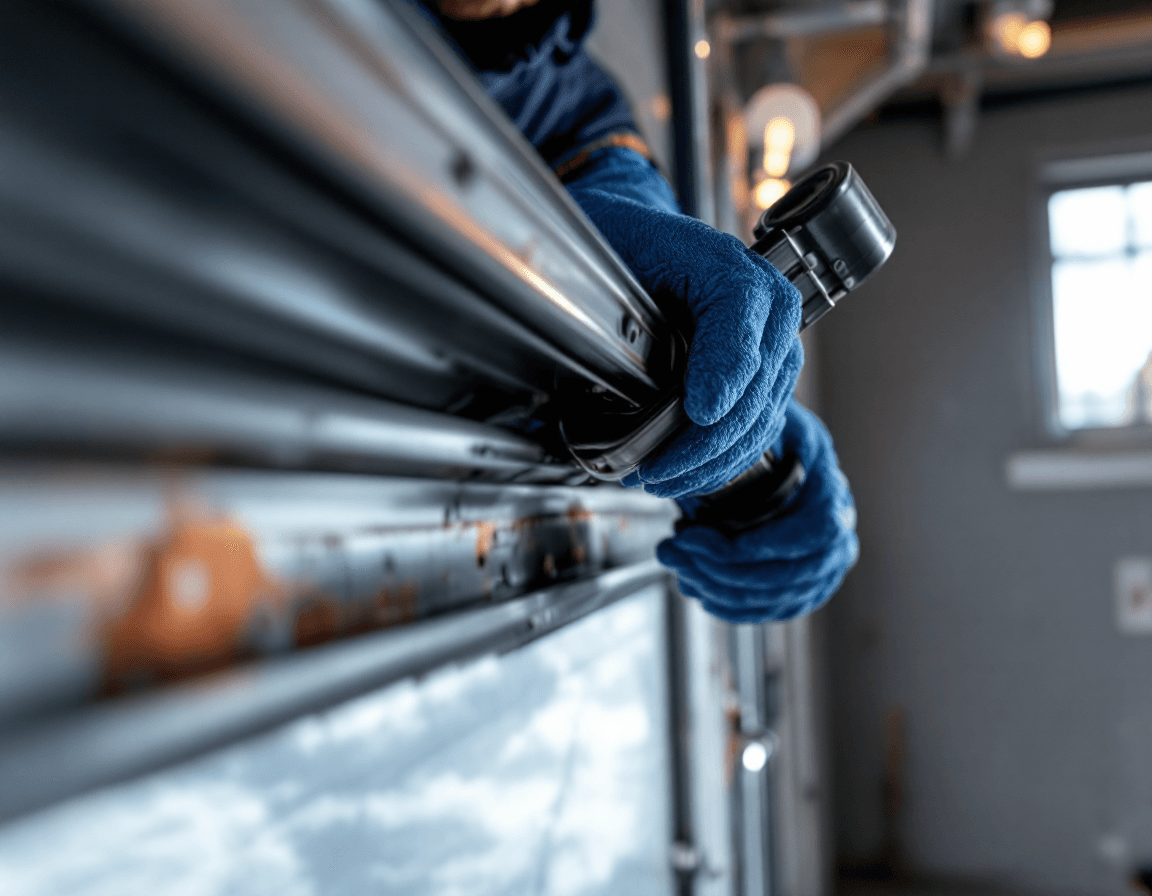
Garage Door Roller Replacement in Beaux Arts Village, WA is one of the most common and most affordable repairs homeowners ask us about, and it often fixes problems that look much more serious. Rollers are the small wheels that ride inside your vertical and horizontal tracks, guiding each door panel up and down. When they wear out, crack, or seize, the whole door can start to grind, squeak, shake, or stall, and many owners assume the opener or springs have failed.
Beaux Arts Village is a small, tight-knit enclave on the Eastside shoreline of Lake Washington, and the homes here have their own particular demands on a garage door. Many properties sit close to the water, where moist air, fog, and fine grit from the shoreline settle onto hardware day after day. The result is that rollers, hinges, and tracks can age faster than the same parts would in a drier inland neighborhood. This guide explains what roller wear looks like, why it happens so often here, and how we approach replacement for homes in the 98004 and 98005 ZIP codes and nearby shoreline properties.
Whether you are hearing a new noise for the first time or have been living with a door that never quite runs smoothly, the goal is the same: a quieter, steadier door that opens and closes without strain. Below you will find practical details about symptoms, roller types, what the work involves, what affects pricing, and where the safety lines are. Our licensed technicians are happy to take a look and tell you honestly whether rollers are the real problem.
Why Lakeside Garages Around Beaux Arts Wear Rollers Faster
Pacific Northwest weather is gentle in temperature but demanding in moisture, and that combination is hard on steel. Lake Washington humidity hangs around for long stretches in fall and winter, and fog can leave a film of moisture on exposed metal that never fully dries before the next rain. Steel roller stems and the bearings inside older steel rollers are vulnerable to this, and light surface rust can work its way into the bearing races. Once that happens, the roller no longer turns freely and begins to drag or scrape.
Shoreline properties also collect fine sand, pollen, and organic debris that blows in from the water and nearby landscaping. That grit gets carried into the track channel by foot traffic, car tires, and wind, where it packs into the grooves that rollers ride in. Over time the abrasive buildup wears flat spots onto roller surfaces and shortens their useful life. Homeowners often notice the problem first during the rainy months, when the door seems to stick more often, then find it improves briefly in dry weather.
Fall brings its own challenge. Maple and alder leaves drop into driveways and tracks, and when they get wet they can compress into a dark, slippery residue that the rollers grind across. Combined with lake moisture, this residue can make a door feel heavier than it is. Many of the Beaux Arts garages we visit show the same pattern: rollers that look fine from a distance but have flattened tread, dark grime in the track, and stems showing early corrosion at the point where they pass through the roller.
Reading the Sounds Your Door Is Making
Sound is the most useful clue a garage door can give you, and rollers produce some of the most recognizable noises in the system. A worn roller with a dry or rusted bearing tends to produce a high-pitched squeak or chirp that rises as the door speeds up. A roller that has lost its bearing lubrication may make a rougher grinding noise, almost like gravel rolling under a sealed bearing. When you hear metal-on-metal scraping, that usually means a steel roller has worn down to its core or a roller stem is rubbing against the track bracket.
Pay attention to when the noise happens, not just what it sounds like. A squeak that appears only in the first few inches of travel often points to a roller near the bottom of the door, where the weight and friction are greatest. Noise that comes and goes at specific points along the track can mean a single roller has developed a flat spot or is seized in a particular position. Grinding that is constant throughout the entire cycle usually suggests several rollers are worn at once, which is a common situation on older doors.
It helps to listen with the opener disconnected and the door operated slowly by hand, but only if you can do so safely and the door is balanced. Lift the door by hand a few inches at a time and notice where it catches or groans. Never put your hands near the springs or cables during this check, and stop immediately if the door feels unexpectedly heavy or drops. If you cannot tell where a noise is originating, that is exactly the sort of question our technicians answer quickly during a visit.
Telltale Signs a Roller Has Failed Before the Noise Starts
Noise is not the only warning. Many roller failures begin with subtle changes that homeowners notice without connecting to the rollers. The door may hesitate briefly before lifting, stop partway and restart, or seem to tilt slightly as one side moves faster than the other. Some owners see a small gap open between a panel and the track, or notice the door sitting crooked when closed. These are all signs that one or more rollers are no longer guiding the panel evenly.
Visual inspection can reveal a lot. Look at the rollers while the door is fully closed, and check for cracked nylon, chunks missing from the tire, or a roller that has become flattened on one side. A roller stem that has bent, rust bloom along the metal shaft, or a roller that wobbles when you push it sideways is worn past the point of useful service. Also check the hinge brackets around each roller for looseness, because a loose bracket can mimic roller failure even when the roller itself is still sound.
Shaking or jerking along the track deserves special attention. When a roller binds, the panel it supports may bounce as it passes the affected point, which can rattle the whole door and stress the panels, hinges, and opener. If you notice this, avoid running the door repeatedly until it has been checked. Continued operation with a seized roller can damage the track, bend the track bracket, or strain the opener motor, turning a modest repair into a more expensive one.
Steel Versus Nylon: Choosing the Right Roller for a Quiet Door
Roller choice has a big effect on how your door sounds and how long it lasts, and it is one of the most common decisions we talk through with homeowners. Steel rollers are durable and handle heavy doors well, but their bearings can rust in damp conditions and they tend to be louder, especially as they age. Nylon rollers, particularly those with sealed ball bearings, run more quietly and resist moisture far better, which makes them a strong fit for lakeside homes. Many owners who upgrade to nylon report that the door becomes noticeably smoother, though results always depend on the door's weight, balance, and track condition.
Size and stem type matter just as much as material. Rollers typically come in 2-inch and 3-inch diameters, and the choice depends on the track design and the door's original configuration. Larger rollers spread the load and can reduce noise at high speed, while smaller ones may fit tighter track radii. Stem length and diameter must match the bracket and track exactly, so we measure rather than guess. Mixing sizes can cause uneven movement and new binding points, which is why replacing the full set is usually recommended.
Quality varies widely, so it is worth asking what bearing type and tire compound come with any roller you are considering. A roller with a cheap, undersized bearing may be quiet for a few months and then start to squeak again. We recommend choosing rollers rated for your door's weight and installation environment, and we are happy to explain the differences in plain terms when you call. The goal is a durable, quiet roller that fits your door correctly, not simply the least expensive option on the shelf.
What a Roller Swap Looks Like From Start to Finish
A professional roller replacement follows a clear sequence, and understanding it helps you know what to expect. The technician begins by inspecting the door, tracks, springs, cables, and opener to confirm that rollers are the real source of the problem. This check matters because worn rollers can share symptoms with cable wear, spring fatigue, or opener strain. Once the diagnosis is confirmed, the technician secures the door, relieves tension in a controlled way, and removes the old rollers one section at a time.
Replacement involves removing the roller from the track or bracket, inserting the new roller, and confirming it turns freely and sits correctly in the channel. Technicians then check track alignment, tighten fasteners, and clean the track so the new rollers are not immediately exposed to abrasive grit. The door is tested through several full cycles, both by opener and, when appropriate, by hand, to confirm smooth movement at every point along the track. Any binding or irregular spots are corrected before the visit ends.
Most standard residential doors can be done in a single visit, though the timing depends on how many rollers need replacing and whether additional repairs are needed. We talk through the work before starting, explain what we find, and give you a clear picture of the scope. You are welcome to ask questions at any stage, and we will not proceed with anything beyond roller work without discussing it first.
Track Alignment and Why New Rollers Alone Sometimes Aren't Enough
New rollers can only perform as well as the track they run in. If a track is bent, loose at its mounting points, or out of plumb, even perfect rollers will bind or squeak as they pass the misaligned section. Lakeside homes sometimes have track brackets that have loosened gradually as wood framing shifts with moisture changes, so alignment checks are a standard part of a thorough service visit. Tightening track bolts and correcting minor bends often makes a dramatic difference in noise and smoothness.
Track cleanliness also plays a role. Grit and leaf residue left in the channel will grind new rollers down almost as quickly as old ones, so a careful cleaning is part of the job. We use appropriate cleaning methods and avoid heavy petroleum products that can attract more dirt. Where lubrication is needed, we choose products suited to garage door components and apply them sparingly, since excess lubricant can drip onto the floor and collect debris.
Sometimes the track problem is more serious than alignment. A badly dented or rusted track section may need replacement, and in those cases we explain the options clearly before doing any work. Our goal is to identify the true cause of the noise or binding so that your new rollers are protected, rather than installing them into a track that will wear them out again within a season.
Matching Roller Stems, Sizes, and Bearing Types on Older Eastside Doors
Many homes in and around Beaux Arts were built some years ago, and their garage doors may have been installed before modern roller designs became standard. Older doors can use steel stems with unusual lengths, proprietary bracket shapes, or track radii that no longer match common off-the-shelf parts. This is why we measure the existing roller, stem, and track carefully rather than relying on a general chart. A roller that looks almost right can still bind if the stem is a few millimeters too long or the bearing is the wrong size.
Door manufacturer and model can also matter. Some doors use hinges that were designed to work with specific roller configurations, and substituting a different style may change how the door hangs or how the panels meet at the seals. When we are unsure of the exact match, we take the time to confirm the right parts before ordering. Taking shortcuts with mismatched rollers often leads to a second visit, which costs you more time than doing it right the first time.
If your garage door has been modified over the years, such as with a retrofitted opener or a replacement panel, the roller setup may already be a mix of different parts. In that case we recommend a full inspection so every roller is checked against the others. Consistent, matched rollers produce the smoothest and quietest operation, and they make future maintenance easier.
What Pricing Covers and What Changes the Final Bill
For a full set of rollers, our typical range is $120 to $250. That figure reflects the cost of replacing the complete roller set along with the labor needed to install them and test the door afterward. The exact amount depends on the number of rollers your door uses, the size and bearing type you choose, and whether the door needs additional adjustments during the same visit. A standard double-car door with a standard track layout will generally fall within the lower part of that range, while larger or heavier doors and premium nylon rollers can move the price upward.
Several factors can affect the final cost. A door with badly worn tracks that also needs alignment or minor bracket repair will require more time than a door with a clean track. Choosing sealed nylon rollers over basic steel options usually adds to the material cost but may reduce the frequency of future service. Access can matter too, especially when the garage has limited working space or the door is unusually tall.
We believe in clear, up-front communication about cost. Before any work begins, we explain what we found, which rollers we recommend, and what the total will be. If a different repair turns out to be needed, such as a cable or spring issue, we will describe that separately and explain why it is outside the roller scope. You will never be asked to approve work you do not understand.
Safety Limits: The Lines a Homeowner Should Not Cross
Roller replacement involves moving a heavy door that is held in place by tension and gravity, and that deserves respect. Homeowners can safely perform simple visual checks, keep tracks clear of debris, and wipe away surface grime, as long as the door is fully closed, the opener is disconnected, and nothing is under tension in a way that could cause sudden movement. Beyond that, the work should be left to trained professionals, especially when it comes to springs and cables.
Springs under high tension can cause serious injury if released improperly, and cable systems can snap or unwind with force. Our licensed and insured technicians have the tools and training to handle these components safely. We will always recommend a licensed professional for any spring or cable work, and we strongly advise against attempting to adjust torsion springs or remove drums yourself. If a roller repair reveals spring or cable concerns, we will stop, explain the situation, and recommend the appropriate next step.
A few simple rules keep homeowners safe while waiting for a visit. Never stand or place hands under a door that is not fully supported. Keep children and pets away from the door during any inspection. Do not run the door repeatedly if you hear loud banging, see a cable hanging loose, or notice the door dropping unevenly. Calling us promptly is always better than improvising a repair.
Simple Monthly Checks That Extend Roller Life Near the Lake
A little regular attention can extend the life of your rollers considerably, especially in a lakeside climate. Once a month, take a quick look at the tracks and wipe away any visible grit, leaf residue, or moisture using a dry cloth. Pay attention to the lower sections of the track, where debris tends to collect. In the rainy season, you may find it helpful to check more often, since wet conditions accelerate buildup.
Here are a few habits that help rollers last longer in damp conditions:
- Sweep or vacuum the garage floor and the threshold area regularly to limit grit entering the track.
- Wipe the track channels with a dry or lightly damp cloth after wet weather, and dry them thoroughly.
- Clear fallen leaves from the driveway and door base in autumn so they do not compress into slippery residue.
- Listen for new squeaks during the first few cycles each week, since early detection keeps repairs simple.
- Keep the door operating smoothly by avoiding forced movement, and call for service if it binds or jerks.
Lubrication should be handled with care. Use a lubricant appropriate for garage door components, and apply it to hinges and bearing points rather than flooding the track. Excess lubricant attracts grit, so a light touch is almost always better. If you are unsure which product to use, ask us, and we will recommend one that suits your door.
When to Call and What to Expect from a Local Visit
It is time to call a professional when your door squeaks, grinds, shakes, or binds on a regular basis, when you see cracked or flattened rollers, or when the door hesitates or stops partway through its travel. There is no need to wait for a complete failure. Early roller replacement is typically simpler, less expensive, and kinder to the rest of the door system than waiting until a seized roller has damaged the track or hinges.
When you schedule a visit with Seattle Garage Door Fix, a licensed technician will arrive, introduce themselves, and start with a thorough look at the door, rollers, tracks, springs, cables, and opener. We will explain what we see in plain language, show you the worn components if you would like, and recommend roller options that fit your door and your budget. If the work is straightforward, we can usually complete the roller replacement during the same visit. If something else needs attention, we will tell you exactly what it is and what it would involve before going further.
We serve Beaux Arts Village and surrounding Eastside communities across the 98004 and 98005 ZIP codes, and we know how Lake Washington humidity and shoreline conditions affect garage hardware. Our team is licensed, bonded, and insured, and we are glad to answer questions about your door before you commit to anything. If your garage door is telling you it needs help, give us a call and we will take it from there.
To schedule an inspection for quiet, dependable roller service in Beaux Arts Village, call Seattle Garage Door Fix at (888) 799-3819. We can explain your options, provide a clear estimate for a full set of rollers in the $120 to $250 range, and help you get your door running smoothly again.