
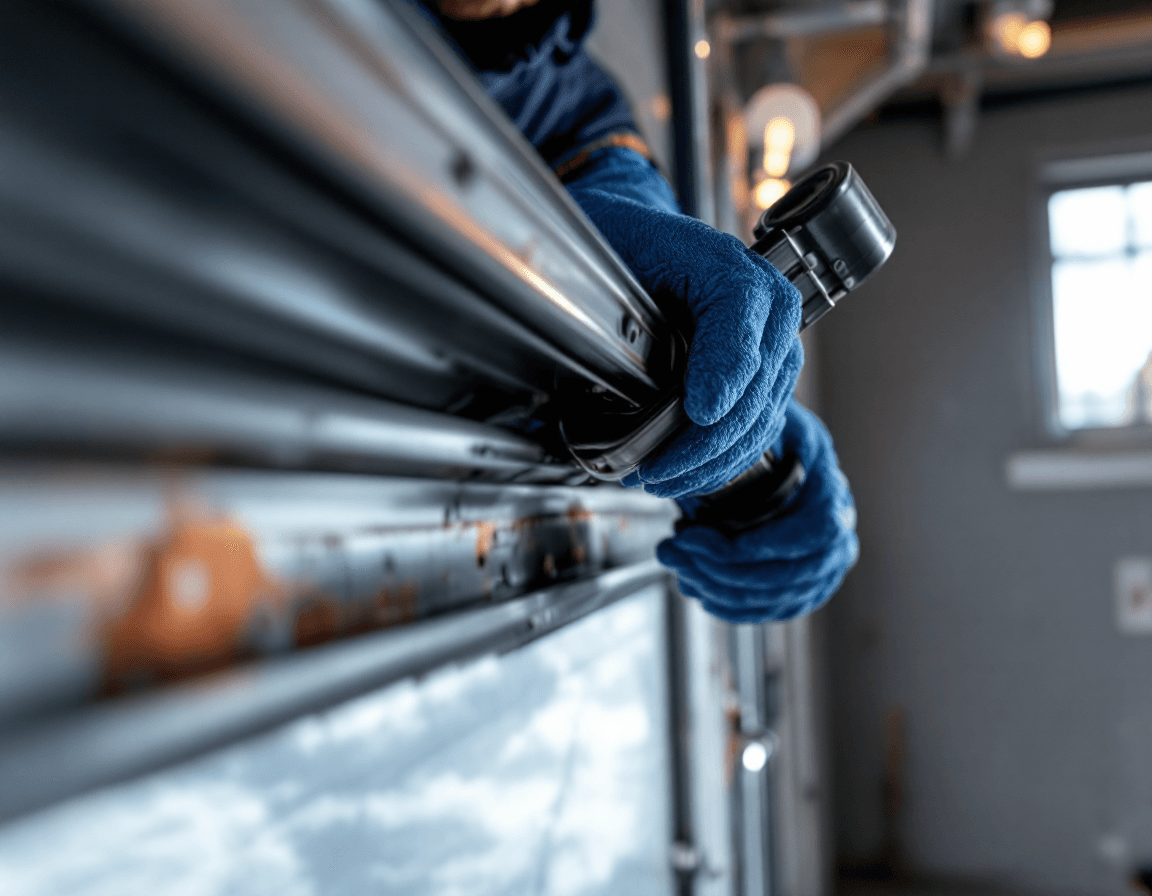
Garage door rollers rarely fail all at once, and that slow decline is often why homeowners in Clyde Hill, WA put off the repair until the door is loud enough to wake the neighbors. The small wheels that ride inside the vertical and horizontal tracks carry the full weight of your door on every cycle, so even minor wear changes how the whole system feels. If you have noticed a new grind, a squeak, or a shudder as the door travels, a roller replacement is one of the most affordable fixes available, and it can restore smooth, quiet operation without replacing the entire door. This guide explains what roller problems sound and feel like, what a full set typically costs in the $120 to $250 range, and how a licensed technician approaches the job in a neighborhood where the weather and the lots present their own challenges.
Homeowners in the 98004 area often describe the problem the same way: the door worked fine for years, then one season it started complaining. That timing usually lines up with the accumulated wear of wet winters, dry summer stretches, and the daily cycling that a two-car garage absorbs. Rollers are not a complicated part, but they are the point where metal, track, and daily use meet, so their condition matters more than most people expect. Understanding the signs early gives you control over the cost and keeps a simple repair from turning into a bigger one involving track damage or motor strain. The sections below walk through what to listen for, what a replacement involves, and how to protect the investment once it is done.
Why Garage Doors in Clyde Hill Wear Rollers Faster Than Expected
Western Washington's climate is gentle in terms of temperature but demanding in terms of moisture. Clyde Hill sits in a part of King County where the rainy season stretches for months, and humidity lingers in attached garages long after a storm passes. Moisture gets into the steel track and the bearings inside steel rollers, and over time it promotes surface rust and pitting that roughen the path the roller travels. Nylon rollers resist this corrosion, but they can still suffer if the track underneath is pitted or dirty.
Many homes in the area also sit on sloped lots or have driveways with a noticeable grade. A door that opens on a slight incline can place uneven stress on one side of the track, so one roller may carry more load than its partner. Over hundreds of cycles, that imbalance wears the heavier-loaded roller faster, which is why a technician often finds that rollers on one side look different from those on the other. Replacing only the visibly damaged wheel is sometimes possible, but most technicians recommend replacing the full set so the door moves evenly.
Garages in older Clyde Hill homes can also carry the dust, grit, and tracked-in debris from yard work, gravel edges, and seasonal leaf litter. Grit gets into roller bearings and acts like sandpaper every time the door moves. Keeping the door bottom clean and the track free of debris extends roller life considerably, and it is one of the simplest habits to build into routine home care.
Reading the Sounds: What Grinding and Squeaking Are Telling You
Every noise a garage door makes carries information, and learning to distinguish them helps you describe the problem accurately when you call for service. A high-pitched squeak that appears on the first few inches of travel often points to a dry or worn roller stem or a bearing that has lost its lubrication. A deeper grinding sound, especially one that continues throughout the entire cycle, usually means the bearing inside a steel roller has broken down and is now rubbing against its housing. Grinding that gets louder as the door travels suggests the roller is worn flat on one side or has developed a flat spot.
Metal-on-metal scraping deserves prompt attention because it typically means the roller has lost its outer surface and the steel stem or hub is contacting the track directly. This sound often accompanies scratches or bright lines on the track itself. Continuing to operate a door with this symptom can gouge the track further and make the eventual repair more involved. If you hear scraping, it is worth scheduling service before the damage spreads.
Clicking or a rhythmic thump is a different symptom and may point to a roller that is out of position or a track section that has shifted slightly. These sounds are less about the roller alone and more about how the system is aligned, which a technician can check quickly during a visit. Try to note when the noise happens, whether at the start, middle, or end of travel, and whether it occurs on the way up, down, or both. That detail helps narrow the cause in minutes rather than hours.
Signs a Roller Has Failed Before the Door Stops Working
Most homeowners notice roller trouble through sound, but several visual and physical clues can confirm the problem before it becomes urgent. Cracked nylon tires, flattened spots, and chunks missing from the roller surface are clear indicators that replacement is due. Steel rollers that have developed rust, a wobble when spun by hand, or a stem that has separated from the wheel should also be replaced. These signs are easiest to spot with the door closed and the opener disconnected, though you should never work on springs or cables to get a closer look.
A door that shakes or jerks as it travels along the track is another signal worth taking seriously. The movement often comes from a roller that is binding in its track channel, which forces the door to lurch as it clears the obstruction. Binding or sticking at specific points, such as the same spot each time the door passes a certain height, typically points to a roller that has worn out of round or a track section with a dent or bend.
Common warning signs homeowners in the area report include:
- Visible cracks, chunks, or flat spots on nylon roller tires
- Steel rollers that wobble, spin unevenly, or show rust on the stem
- Door movement that jerks, shudders, or pauses partway through travel
- Scrape marks or bright metal lines on the vertical or horizontal track
- A door that sits slightly crooked or closes unevenly after an opener cycle
If you notice two or more of these symptoms together, the rollers are probably the common thread, and a professional inspection will confirm it quickly.
Nylon Versus Steel: Choosing Quieter Rollers for Your Home
When a technician replaces rollers, the choice between nylon and steel shapes both the sound and the long-term performance of the door. Steel rollers are durable and can handle heavy doors, but they produce more noise as the metal contacts the track and tends to rust in damp conditions. Nylon rollers, especially sealed ball-bearing designs, run far more quietly and resist corrosion, which makes them a popular upgrade for attached garages near living areas. Many homeowners who want a calmer evening routine choose nylon specifically for that reason.
Quiet nylon rollers are not a universal fix, though. Their quality varies, and inexpensive versions with plain bushings can wear faster than sealed bearings. A knowledgeable technician will match the roller type to the door weight, the track size, and how the door is used. For a heavy wood or insulated door that opens several times a day, a higher-grade sealed nylon roller often delivers the best balance of quiet and durability.
Upgrading to nylon also changes how the door sounds in the first few weeks after installation. Some homeowners expect total silence and are surprised by the small sounds that remain, such as the opener motor or a light hum from the track. Those sounds are normal. The noticeable difference is usually the removal of grinding and scraping, which is the main reason most people make the switch.
What a Full Roller Set Costs and What Shapes the Price
The typical cost for a full set of garage door rollers falls in the $120 to $250 range, and the final number depends on several factors. The number of rollers matters most, since a standard two-car door uses more wheels than a single-car door, and some doors have additional rollers along the top section. The roller type also influences cost, because sealed nylon rollers with higher-grade bearings usually cost more than basic steel or plain nylon options. Track condition can add to the total if a technician finds bent sections that need attention before new rollers can run smoothly.
Other considerations include whether the door has specialty hardware, such as hinged panels that require particular roller sizes, or whether the rollers must be ordered for an unusual door model. Access also plays a role. A door that is easy to reach and has standard track typically takes less time than one with limited clearance or a complicated layout. A technician should explain the price before starting and confirm any additional work before performing it.
Homeowners should be cautious of any estimate that is dramatically lower than the typical range without explanation, as it may not include the full set or quality components. It is equally reasonable to ask what is included in the quote, such as roller hardware, labor, and a check of the track and fasteners. A clear, itemized explanation is a good sign of a professional approach.
How a Technician Replaces Rollers Without Disturbing the Springs
Roller replacement is a manageable job for a trained technician, but it must be done with the door's counterbalance system in mind. Torsion springs and extension springs store enormous amounts of energy, and mishandling them can cause serious injury. For this reason, the work should always be performed by a licensed, bonded, and insured professional who understands how to secure the door and work safely around tensioned components. Homeowners should never attempt to remove a spring, loosen a cable, or force a roller out of a track that is under load.
In a typical replacement, the technician secures the door, relieves any tension on the affected area, and carefully lifts the door section so the roller can be removed from the track. The old roller is pulled out and the new one slides into the same position. The technician then checks that the roller turns freely, sits correctly in the track, and does not contact the track edges. Once the rollers are in place, the door is cycled slowly to confirm smooth movement from bottom to top.
A good technician will also inspect the hinges, brackets, and fasteners near the rollers. Loose hardware can mimic roller noise or make new rollers wear faster, so tightening or replacing these parts is part of a thorough job. The goal is not only to swap a part but to restore the entire door's motion so that the new rollers perform the way they were designed to.
Track Alignment and the Hidden Cause of Binding
Many homeowners assume that a binding door always means a bad roller, but track alignment is a frequent hidden cause. Tracks can shift over time from impact, vibration, or the slow settling of a garage floor. Even a small bend or gap at a joint can force a roller to jam, creating a sticking sensation that repeats at the same point in the door's path. If new rollers do not solve a binding problem, a track issue is the likely explanation.
Alignment checks are simple but important. The technician looks for gaps between track sections, checks that vertical tracks are plumb, and confirms that horizontal tracks are level and parallel. They also check the mounting brackets and bolts that hold the tracks to the wall and ceiling. Small adjustments often restore smooth movement without any major structural work.
Clyde Hill garages with older framing or uneven walls may need extra attention in this area. If a wall flexes slightly or a ceiling joist is not perfectly stable, the track mounts can move under load. A technician who understands local construction styles can often identify these issues quickly and recommend a practical fix.
Protecting New Rollers Through Wet Western Washington Winters
A roller replacement works best when it is paired with simple, consistent maintenance. Because the region's winters bring steady rain and damp air, keeping the track and rollers clean and lightly protected helps them last longer. Wiping away debris and grit from the track every few months prevents the buildup that wears rollers and bearings. Using a lubricant recommended for garage doors, applied sparingly to the roller stems and hinges, keeps friction low without attracting excess dust.
Homeowners can build a short seasonal routine that fits easily into the calendar. Simple steps include:
- Wiping the vertical and horizontal tracks with a dry cloth to remove grit and leaf debris
- Checking the weatherstrip along the bottom of the door for cracks that let in moisture
- Applying a light coat of garage door lubricant to roller stems, hinges, and springs' visible contact points, avoiding the springs' coils and any cable
- Watching for new noises after heavy storms, since moisture can reveal problems that were hidden in drier months
- Keeping the garage floor sloped correctly so water does not pool near the door bottom
Lubricant should go on the moving metal parts only. Excess grease can collect dust and turn into a sticky film that makes the track gummy. Spraying lubricant directly into the track is generally discouraged for the same reason. A technician can recommend the right product for your door material and the local humidity.
Scheduling a Roller Replacement Around Your Household Routine
Timing the repair thoughtfully helps you keep the garage functional, especially for families who depend on the door every morning. Most roller replacements are relatively quick, and many homeowners schedule them for a midday window when vehicles are not needed. It is wise to clear the garage ahead of time and move bikes, stored items, and tools away from the door area so the technician can work efficiently.
If the garage is the main entrance for your household, ask whether the service includes a way to operate the door safely during the job, or whether it will be closed for a short period. A technician who explains the process clearly will also tell you how long the door will be out of normal use. Planning for this in advance avoids surprises on a busy weekday.
Waiting too long can create its own complications. A door that binds or shakes may strain the opener motor, and a failing roller can damage the track or hinges. Acting on the first signs of trouble usually means a simpler, less expensive repair and a quieter garage sooner.
When the Job Belongs to a Licensed Professional
Roller replacement sits at the boundary between simple maintenance and serious safety work. Changing a single roller on a door that is fully supported and not under spring tension may seem approachable, but the moment a task involves lifting the door off the track, disconnecting cables, or working near springs, the risk rises sharply. Spring and cable work should always be left to licensed professionals who have the training and tools to do it safely.
Homeowners in Clyde Hill who are unsure whether their situation is straightforward should err on the side of caution. A professional can inspect the door, confirm what is needed, and perform the replacement with the right equipment. Hiring a licensed, bonded, and insured technician also protects you and your property if something unexpected occurs during the work.
If you are noticing grinding, squeaking, shaking, or binding as your garage door moves, the next step is a professional look at the rollers and track. Seattle Garage Door Fix provides roller replacement and quiet nylon upgrades for homes across the Clyde Hill area and throughout King County. To book an inspection or get a clear quote for a full roller set, call (888) 799-3819 today and let a licensed technician help your door run smoothly and quietly again.