
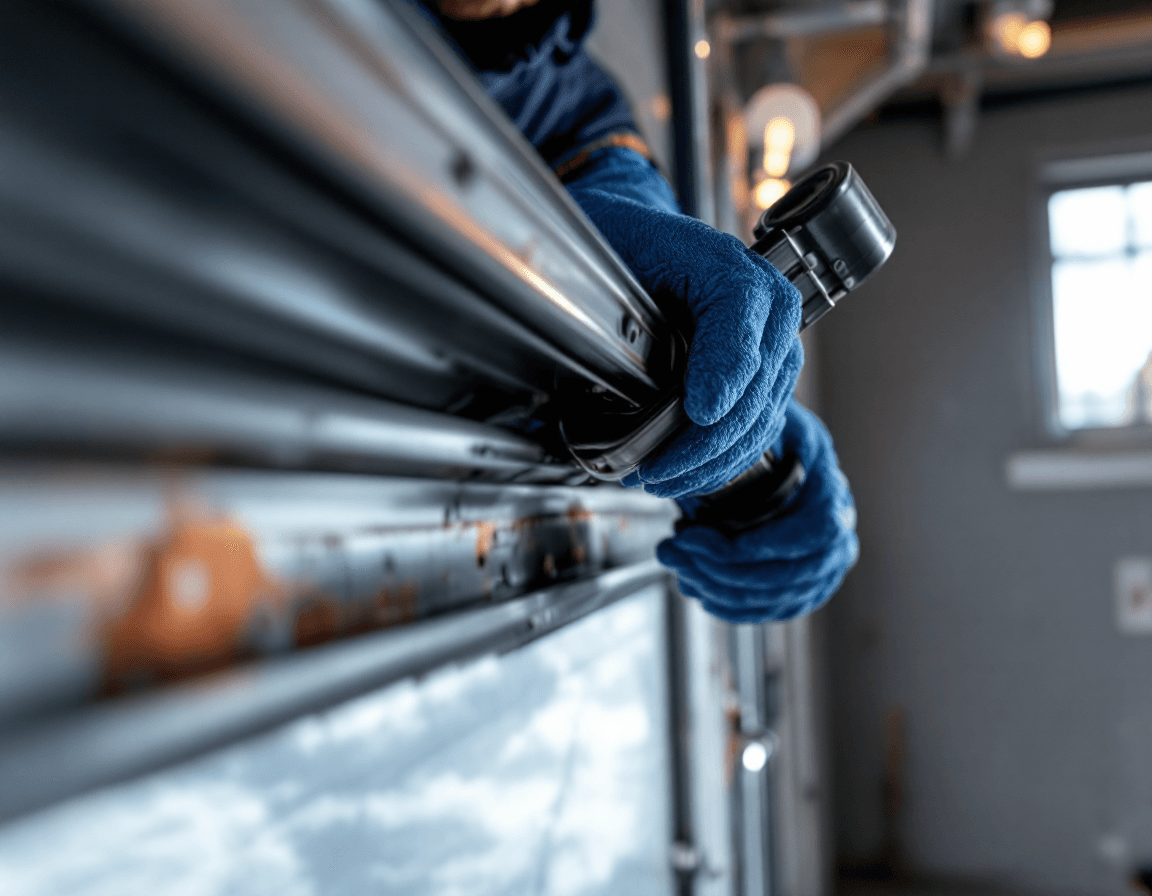
Garage door roller replacement in Kirkland, WA is one of the most common jobs we get calls for, and it's also one of the most overlooked. Many homeowners put up with a door that groans every morning or shudders halfway up the track for months before they realize the rollers are the cause. From older homes near downtown to newer builds in Totem Lake, the rollers that guide your door along its tracks take constant abuse from weight, friction, and the damp Pacific Northwest air. This page explains what worn rollers look like, why they fail on Kirkland-area garages, and what a practical replacement involves.
Whether you're dealing with a noisy door, a door that sticks at odd points, or simply want the quietest possible operation, the answer usually starts with the small wheels at the edges of your door panels. Rollers are inexpensive compared with the springs or opener, but they carry the full load of the door every time it moves, so their condition affects nearly every other part of the system. Catching roller problems early can prevent track damage, strain on the opener, and the kind of sudden failure that leaves you stuck inside or outside. We want you to understand the signs well enough to know when it's time to call, and when a quick upgrade will give you a noticeably calmer door.
Our technicians work throughout King County, and the guidance below reflects the conditions we see regularly on the Eastside. Pricing for a full set of rollers generally falls between $120 and $250, depending on the door, the roller type you choose, and what else the inspection turns up. Because spring and cable work carries serious risk, we also explain where homeowners should stop and leave the job to a licensed professional. Read on for a practical walk through the symptoms, the options, and what to expect when you schedule service.
Why Kirkland Garages Wear Rollers Faster Than You Might Expect
Kirkland's climate is mild by most American standards, but it is persistently damp. Long stretches of gray drizzle, morning fog off the lake, and humidity that lingers well into summer all work against the steel components in your garage door system. Moisture gets into the bearings and the roller stems, and over time it promotes surface rust that roughens the wheel and grinds against the track. Even a garage that stays dry inside can see condensation when temperatures swing overnight, which is common in shoulder seasons.
Temperature changes also matter. Metal expands and contracts, and that movement can loosen mounting hardware or crack the plastic race inside a roller that has already been stressed. Doors on the north side of a home, or those shaded by tall conifers, often stay cool and damp longer than doors that get afternoon sun. Those microclimates mean two garages on the same street can show very different roller wear after a few years.
Use also plays a role. Many Kirkland households run multiple trips per day, especially those with school drop-offs, commuter schedules, or home businesses. Every cycle puts load on the rollers, and a door that opens and closes dozens of times a week will show wear sooner than one that is rarely used. Dust, road grit, and tracked-in leaves can also embed in the roller race and accelerate wear, which is one reason routine cleaning is worth doing.
Reading the Sounds: What Grinding, Squeaking, and Scraping Tell You
Sound is usually the first clue that rollers need attention, but different noises point to different problems. A high-pitched squeak that comes and goes often means a dry or worn roller stem, or a bearing that has lost its lubrication. A rough, gravelly grinding sound typically indicates that the wheel surface has flattened or pitted, so it is no longer rolling smoothly along the track. Metal-on-metal scraping is more concerning because it suggests the roller may be seized or that the metal wheel is rubbing directly on the steel track.
Pay attention to when the noise happens. If the sound is loudest at the start of travel, the rollers near the bottom of the door may be the source, since they carry the full weight as the door begins to lift. If the noise appears only in the middle of the travel, a particular section of track may be bent or out of alignment, and the roller passing that spot is reacting to it. Noise that appears only when the door is closing can sometimes point to worn rollers on one side, which causes the door to pull slightly to one direction.
A simple test can help you narrow things down. With the door fully closed and the opener disconnected, lift the door by hand slowly and listen closely at each roller position. Do not attempt this if the door is heavy, unbalanced, or if the springs look damaged, because a sudden drop can cause serious injury. If you hear grinding that corresponds to one specific roller, that wheel is a strong candidate for replacement, and a technician can confirm the diagnosis during a visit.
Jerks, Shudders, and Binding Along the Track
A door that jumps, shudders, or pauses at certain points usually has a rolling problem, even if it also has some alignment or spring issues. When a roller is worn or flattened on one side, it can hop slightly as it moves along the track, which you feel as a jolt through the panel. Homeowners often describe this as the door "catching" or "stuttering" partway up. The motion can also make the opener work harder, which shortens its life.
Binding is more serious. If a door sticks at a particular height, a roller may have seized, a track section may have shifted, or debris may be lodged in the channel. Sometimes the roller wheel has worn into an oval or flat spot that catches the track lip, creating a dead spot in the motion. Forcing a binding door can bend the track or damage the panel hinges, so it's best to stop operating the door once you notice significant resistance.
Tracks deserve a look at the same time. Check that the track is firmly bolted to the wall and ceiling, that the vertical sections are plumb, and that there are no visible dents or gaps where the roller rides. A track that is slightly out of true will wear new rollers unevenly, so a replacement done without checking the track can disappoint. Our technicians inspect both components so the new rollers have a good path to travel.
Steel Versus Nylon: Choosing the Right Roller for a Quiet Door
Garage door rollers come in several materials, and the choice affects both noise and durability. Steel rollers are sturdy and long-lasting under heavy use, but they are louder, especially as they age, and they can transmit vibration into the panels. Nylon rollers, and nylon-tired designs with sealed bearings, run much more quietly and absorb some of the shock from the track joints. For many Kirkland homeowners who share walls with bedrooms or living on busy streets, a nylon upgrade is one of the most noticeable improvements they can make.
The right choice depends on your door and how you use it. Heavier doors, such as solid wood or insulated steel models with added weight, may need a roller rated for more load, and a technician will match the roller size, stem length, and bearing type to the existing hardware. Nylon rollers with stems that are not sized correctly can rub on the track bracket, so precise fit matters. Sealed bearings are worth asking about because they resist moisture and grit better than open designs.
It is also worth knowing that switching from steel to nylon does not change the door's balance or spring tension. A roller upgrade addresses friction and sound, but it does not fix a broken spring or an opener that is struggling for other reasons. If your door is noisy and also heavy to lift by hand, the springs may need professional attention, and that work should be scheduled separately from the roller job. We are happy to explain the difference during an inspection so you can decide what makes sense.
What a Roller Replacement Involves, Step by Step
A proper roller replacement starts with a full inspection rather than simply swapping wheels. The technician checks the springs, cables, track alignment, hinges, and the opener's force settings, because a roller problem sometimes reflects a larger issue. Once the door is confirmed safe to work on, the rollers are replaced one section at a time, usually by removing the old roller from the hinge bracket, sliding the track out of the way only as far as necessary, and installing the new roller with its stem properly seated. Working on one section at a time keeps the door supported and helps maintain alignment.
Lubrication and testing come next. A light lithium-based or silicone lubricant suited to garage door parts is applied to the hinge points and moving components, taking care not to saturate the track with grease that can attract dust. The door is then operated through its full range several times to confirm smooth motion, check for binding, and make sure the panels run level. Any remaining noise is traced to its source before the job is considered finished.
Most roller replacements take a relatively short visit, though the timeline depends on how many rollers are being changed and whether any track or hinge repairs are needed. Homeowners often ask whether they can stay home during the work, and the answer is yes, though it helps to keep children and pets clear of the door area. Please keep the door closed and do not operate the opener while the technician is working, since the door may be partially disconnected from its drive system during parts of the process.
Pricing Your Roller Job: What the $120 to $250 Range Covers
For most standard residential doors, a full set of replacement rollers falls within the range of $120 to $250. That figure reflects the parts and labor for changing the rollers across the door, and the final price depends on several factors. The number of rollers matters most, since a typical two-car door uses a set of rollers along each side and in the center where applicable. The roller type also affects cost, because sealed nylon designs and specialty sizes are priced differently from basic steel replacements.
Other variables include the condition of the track and hinges, whether any brackets need replacement, and the accessibility of the door. A door that needs track realignment or hinge repair will cost more than a straightforward swap, and we will explain those additions before doing any work. We believe homeowners should understand what they are paying for, so the inspection will identify whether the roller issue is isolated or part of a broader wear pattern. You are never obligated to approve work beyond what you requested.
If your door needs spring or cable repair in addition to rollers, that work is priced separately and requires a licensed technician. Spring systems store a great deal of energy, and incorrect handling can cause severe injury. We recommend asking for a written estimate that separates roller work from any other repairs so you can compare options clearly. Transparent pricing helps you plan without surprises.
Neighborhood Notes: Juanita, Rose Hill, Totem Lake, and Downtown
Kirkland's neighborhoods have distinct housing styles, and those differences shape how garage doors are used and maintained. Downtown Kirkland includes older homes and compact lots where garages may be shallow or shared with alley access, and doors in these areas often see frequent use and tight clearances. Quiet operation matters here because doors open close to neighboring windows and sidewalks. A nylon roller upgrade can make a meaningful difference in how the door sounds to people passing by in the early morning.
Juanita and the hillside streets around it often feature homes with longer driveways, larger garages, and mature trees. Leaves, needles, and seasonal debris can collect in the track channels, and moisture can linger in shaded areas. Technicians working in these neighborhoods frequently find dirt and organic material packed into the roller race, which speeds up wear. Periodic cleaning and a close look at track alignment are especially helpful in these areas.
Totem Lake has seen a mix of newer multifamily and single-family construction alongside established homes, and garage door systems vary widely across the area. Newer doors may use heavier insulated panels, which place more demand on rollers and springs, while older doors may have original hardware that has simply reached the end of its useful life. Rose Hill, with its established residential streets, often has a combination of both situations. Our technicians adjust their approach to whatever era of hardware they find, matching parts carefully to each door.
Keeping Rollers Healthy Through Rainy Seasons
Preventive care is inexpensive and makes roller replacement less frequent. The most effective habits are simple and can be done in an hour or two a few times a year. Because Kirkland's wet months are long, it helps to focus on keeping moisture and grit away from the moving parts. A little attention before the rainy season begins can extend the life of your rollers and keep the door quiet through the winter.
- Wipe down the track channels with a dry cloth or a soft brush to remove dirt, leaves, and dust before applying anything new.
- Apply a silicone-based or lithium-based lubricant to the roller stems and hinge pivots, but avoid spraying the track surface itself.
- Check the bolts holding the track brackets to the wall and ceiling, and tighten them gently if they have loosened.
- Operate the door through a full cycle once a month and listen for new squeaks, grinding, or hesitation.
- Keep the area around the door clear of stored items that can trap debris or block the path of the panels.
- Look for flattened spots, cracks, or discoloration on the roller wheels, which often appear before a noticeable failure.
Ventilation also matters. A garage that traps humidity can accelerate rust on steel hardware, so opening the door on dry days or using a small dehumidifier in very damp spaces may help. If your garage is attached to living space, be mindful of how moisture moves between rooms. Little steps like these tend to pay off over several seasons.
When to Hold Off and Call a Professional Right Away
Some garage door situations are not do-it-yourself jobs, and recognizing them protects you and your household. Spring and cable systems are under extreme tension, and a broken spring can release energy with enough force to cause serious injury or worse. Roller replacement often requires moving the door, and if the door is not properly supported or the springs are compromised, the panels can drop unexpectedly. These risks are why our work on springs and cables is performed only by licensed technicians.
- Do not attempt to adjust, unwind, or remove any torsion or extension spring, even if the door seems stuck.
- Stop immediately if you see a frayed or snapped cable, a visibly stretched spring, or a door that hangs crooked or drops unevenly.
- Do not stand under or inside the door path while anyone is operating the opener or moving the door by hand.
- Call a professional if a roller has come completely out of the track, since forcing it back can bend the track or damage the panel.
- Contact a licensed technician if the door binds badly, makes sudden loud bangs, or fails to stay open at mid-height.
If you are unsure whether a problem is safe to handle yourself, the safest answer is to call. Our team can often diagnose a roller issue quickly over the phone and advise whether it is something that can wait or should be addressed promptly. Acting early usually costs less than waiting for a larger failure.
Quieter Mornings Start with a Single Phone Call
If your garage door grinds, squeaks, jerks, or binds, you do not have to live with the noise or wonder whether the door is safe. Worn rollers are among the most manageable garage door repairs, and a well-planned replacement can restore smooth, quiet operation for the household. Whether you need basic steel rollers or prefer a nylon upgrade for quieter mornings, a careful inspection will show you the best path forward.
We serve Kirkland and the surrounding communities across King County, including the 98033 and 98034 ZIP codes, and we are happy to talk through what you are hearing or seeing. Call (888) 799-3819 to schedule a roller inspection or ask about a nylon roller upgrade. Our licensed technicians will explain the work, provide clear pricing, and make sure your door runs smoothly before they leave.