
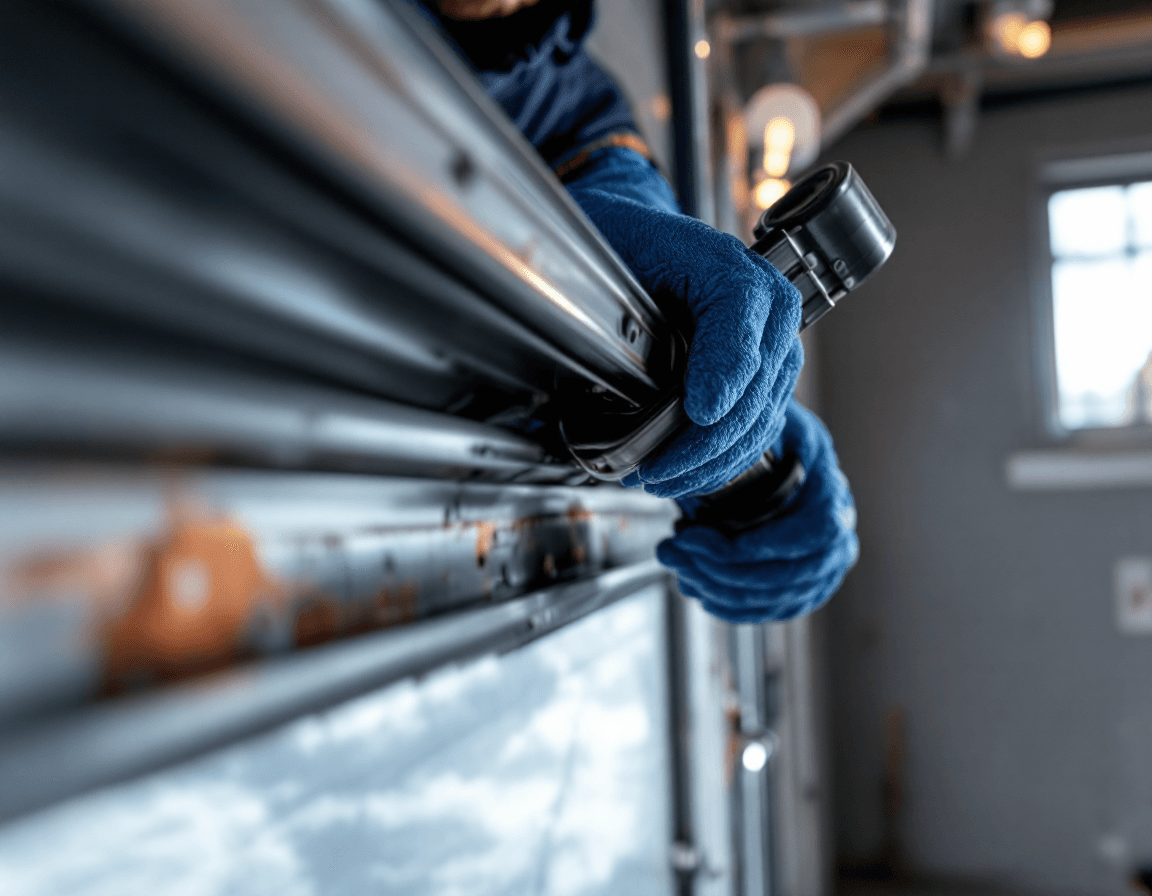
Garage Door Roller Replacement in Kenmore, WA is one of the most common repairs we handle for homeowners along the Lake Washington shoreline and in the neighborhoods that climb toward the hills behind town. A garage door that once rolled up quietly can start to groan, shake, or hesitate after years of daily use, and the rollers are usually the first parts to show it. Those small wheels guide every panel along the tracks, so when they wear down, the entire door pays the price. Replacing them is often a straightforward job that restores smooth, quiet operation without the cost of a new door.
Kenmore sits in a part of King County where moisture is a constant companion. Winters bring long stretches of drizzle, fog off the lake, and damp air that settles into metal and wood alike. Summers are milder than many parts of the country, but the humidity that builds near the water can still speed up corrosion and dry out lubrication. Homeowners who notice a change in their door's sound during the gray months are often dealing with exactly this combination of moisture, grit, and wear. Catching the problem early keeps a simple roller swap from turning into a larger repair.
If your door is grinding, squeaking, jerking, or sticking at certain points, you are probably looking at a roller issue. The good news is that a full set of rollers typically falls in the range of $120 to $250, depending on the type you choose and the size of your door. This guide walks through the symptoms we see most often, explains how to tell rollers apart from other problems, and describes what a professional replacement looks like. It also covers when a roller job is not enough and why spring and cable work should always be left to licensed technicians.
Why Rollers Wear Out Faster in a Damp Pacific Northwest Garage
Garage door rollers spend their working lives inside a track, rolling thousands of times each year as the door opens and closes. Most residential rollers are made from steel with a bearing inside, or from nylon with a steel stem, and both types depend on a thin film of lubricant to keep friction low. In a dry climate, that lubricant can last a long time. In a damp one, water and grime work their way into the bearing, washing out grease and creating a gritty paste that accelerates wear.
Kenmore homeowners often see this pattern play out over several seasons. Rain and fog leave a film on the track, dust and pollen stick to it, and the lubricant slowly breaks down until the roller starts turning less freely. Steel rollers can develop surface rust, which roughens the rolling surface and makes the door sound rougher with each cycle. Nylon rollers resist corrosion but can crack, flatten on one side, or lose their shape if they are exposed to heavy use, temperature swings, or poor alignment.
Garages attached to homes near the waterfront or in shaded lots tend to stay damp longer after a storm. Dampness in the garage does not always come from outside, either. Laundry, wet gear, and vehicles tracking in road moisture can all raise humidity inside the space. If your garage feels cool and clammy in the morning, the rollers may be taking more abuse than you realize, and a periodic inspection is a smart habit.
Reading the Sounds: What Grinding and Squeaking Are Telling You
Sound is often the first clue that rollers need attention, but not every noise means the same thing. A high-pitched squeak usually points to dry or contaminated lubrication, while a low grinding noise tends to indicate worn bearings or a roller that has flat spots. Metal-on-metal scraping is more serious, because it suggests that the roller has lost its protective surface or that a bearing has failed and the stem is rubbing directly against the track. Learning to tell these sounds apart helps you describe the problem accurately when you call for service.
Listen to the door as it moves through its full range. Note whether the noise happens only at the start of travel, only near the top, or all the way through the cycle. A roller that fails near the top of the track often causes a sharp grinding sound when the door is nearly closed, while a worn roller in the middle of the track may make a steady rumble that changes pitch as the panels move. Pay attention to whether the sound gets louder over several weeks, since that pattern usually means wear is progressing.
Here are the sounds we hear most often from Kenmore garages with worn rollers:
- A steady squeal or chirp that starts on cold, damp mornings and fades as the door warms up
- A low grinding or rumbling that increases with each season of use
- A clicking or ticking noise that repeats once per roller rotation
- Sharp metal-on-metal scraping that suggests a seized bearing or exposed steel stem
- Rhythmic thumping as a flat spot on a roller strikes the track
A sound on its own does not confirm a diagnosis. A squeak can come from hinges, and a rumble can come from the opener or a loose bracket. Still, when the noise lines up with the door's movement and gets worse over time, the rollers are the most likely source. A quick inspection by a technician can usually confirm the cause in a few minutes.
Shaking, Jerking, and Binding Along the Track
A door that shakes or jerks as it moves is telling you that something is not rolling smoothly. Each roller is designed to glide along the track at a constant speed, so when one roller hesitates, the panel it supports can lurch or vibrate. Over time, these jolts put stress on hinges, brackets, and the opener itself, which is why a shaking door deserves prompt attention even when it still opens.
Binding or sticking is a related symptom that often appears at specific points in the door's travel. You might notice that the door hangs or stalls when it reaches the same spot each time, perhaps where the track curves from vertical to horizontal. That location is a common pressure point, and a worn roller there can grab the track just enough to slow the door. Sometimes the binding is caused by a track that has shifted slightly or a roller that has partially seized, and both conditions show up the same way from the outside.
Before assuming the rollers are at fault, check whether the track is clean and straight. Debris, dried mud, or a bent section can mimic roller trouble. Do not attempt to bend or adjust track sections yourself, since they are under tension from the springs. If the door still binds after the track is clear, the rollers are the logical next suspect, and replacing a worn set is often the fix. A technician will also check that the door is balanced so the opener is not being asked to do more work than it should.
Nylon, Steel, and Sealed Bearing Rollers: Choosing the Right Upgrade
Not all rollers are the same, and the right choice depends on how you use your garage and how much noise you can live with. Steel rollers are durable and handle heavy doors well, but they are louder and can rust in damp conditions. Nylon rollers, often with a steel or ball-bearing core, run much more quietly and resist corrosion, which makes them a popular upgrade for homes where the garage sits close to bedrooms or living spaces.
Sealed bearing rollers offer another option. These designs keep lubrication inside a protected housing, which helps them perform consistently through wet months. They usually cost slightly more than standard steel rollers but can extend the time between maintenance visits. For many Kenmore homeowners who want a quieter garage and fewer repeat calls, a nylon or sealed-bearing set is a practical choice rather than a luxury.
Compare the main options before you decide:
- Standard steel rollers: lowest upfront price, durable, but noisier and more prone to rust in humid conditions
- Nylon rollers with steel cores: quieter operation, good corrosion resistance, a strong choice for daily-use doors
- Sealed bearing rollers: consistent performance in damp weather, longer intervals between lubrication, often the best balance for wet climates
- Heavy-duty steel rollers: suited to larger or insulated doors that carry more weight
Whatever type you choose, the roller must match the track width and stem length of your door. Mismatched rollers can wobble, rub the track, or fail early. A technician will measure the existing hardware and confirm the correct size before ordering parts.
What a Roller Replacement Visit Looks Like
A professional roller replacement follows a predictable sequence, and understanding it helps you know what to expect. The technician begins by inspecting the door, the track, the hinges, and the opener, checking for signs of wear beyond the rollers. This step matters because worn rollers are sometimes accompanied by loose hardware or misaligned track sections that also need attention. The inspection usually takes only a short time but gives a clear picture of the door's overall condition.
Next, the technician secures the door so it cannot move during the work. This is a safety step, and it is one reason why homeowners should never attempt to remove rollers while the door is under tension or while the door is partially raised. Once the door is stable, the old rollers are removed from the hinge brackets, and the stems and track surfaces are cleaned. The new rollers are then installed, lubricated with an appropriate product, and tested through several full cycles to confirm smooth movement.
Finally, the technician checks the door's balance and makes sure the opener reverses correctly when it meets resistance. A good visit ends with a walkthrough of what was replaced, what was cleaned, and any maintenance you should watch for. Ask questions during the visit, and do not hesitate to request a second look at anything that still sounds or feels off. A reputable company will be happy to explain the work in plain language.
Realistic Costs for Roller Work in Kenmore
For most residential doors, a full set of rollers in Kenmore typically runs between $120 and $250. The final price depends on the number of rollers your door uses, the type you select, and whether any additional hardware needs attention. Standard steel sets usually sit at the lower end of that range, while nylon or sealed-bearing sets tend to fall toward the upper end. Larger or heavier doors may require a more robust roller type, which can shift the total.
It helps to think about roller replacement as an investment in comfort and longevity rather than just a repair. A door that moves quietly and smoothly is less stressful on the opener, reduces wear on hinges and cables, and gives you a better daily experience. Many homeowners who upgrade to quieter rollers notice an immediate difference in how the garage sounds, especially during early morning departures or late evening returns when the neighborhood is quiet.
Be cautious about estimates that seem far outside the typical range without a clear explanation. A roller job should be priced transparently, with the roller type, quantity, and any included cleaning or lubrication listed in writing. If the technician finds a problem beyond the rollers, such as a worn spring or damaged cable, that work is separate and should be quoted independently so you can decide what to do next.
Seasonal Habits That Keep Tracks Quiet Near the Lake
Simple maintenance can extend the life of your rollers and keep the door operating quietly through Kenmore's wet seasons. Start by wiping the track clean a few times a year with a dry cloth or a soft brush to remove dust, pollen, and grit. Avoid spraying heavy oil or grease onto the track, since it can attract dirt and create the gritty buildup that wears rollers faster. A light silicone-based lubricant applied to the roller bearings, rather than the track surface, is typically the recommended approach, and a technician can show you the right product and method.
Pay attention to the garage environment as well. Keep the door closed during heavy rain when possible to reduce the amount of water that gets blown or splashed into the track. If your garage tends to feel damp, consider improving ventilation or using a dehumidifier so that metal components are not constantly exposed to moisture. Storing items away from the door's path also reduces the chance that debris will be dragged into the track during operation.
Make a habit of listening to your door once a month. A change in sound is often the earliest warning that a roller is wearing or that lubrication has run low. Catching these changes early lets you schedule a visit before a minor squeak becomes a binding problem. Many homeowners find that a quick seasonal check, especially before the rainy months settle in, helps them avoid surprises.
When Rollers Are Only Part of the Problem
Sometimes replacing rollers solves the immediate noise but does not address the full picture. A door that continues to shake after new rollers are installed may have a track that is out of alignment, loose mounting brackets, or hinges that are wearing. Likewise, a door that struggles to open even with smooth rollers may have an imbalance in its springs or an opener that is working harder than it should. Recognizing these signs helps you know when to call for a broader inspection.
Watch for these warning signs that suggest a larger issue:
- The door sits unevenly or one side appears lower than the other
- The door reverses unexpectedly or the opener strains to lift it
- You see gaps where the panels meet, or hinges look bent or loose
- A spring is visibly stretched, gapped, or has a broken coil
- Cables look frayed, kinked, or have slipped off their drums
- The door falls quickly when released from a partially open position
Any of these signs warrants prompt attention. A door that moves unevenly or lacks balance can cause injury, and it can also damage the opener and other components over time. A technician can assess the whole system and recommend the right combination of repairs, rather than treating each symptom in isolation.
Why Spring and Cable Work Belongs to a Licensed Technician
Garage door springs and cables store a tremendous amount of energy, and working on them without proper training and tools is dangerous. Torsion springs and extension springs can release that energy suddenly if they are adjusted or removed incorrectly, and a cable under tension can snap or whip with enough force to cause serious injury. Even experienced homeowners underestimate these hazards, which is why we strongly recommend that all spring and cable work be left to licensed professionals.
Roller replacement is a different task, and many homeowners feel comfortable learning about it. However, rollers are often removed in the same visit where springs and cables are inspected, and the technician must make sure the door is safely secured before any hardware is disturbed. If you ever feel uncertain whether a repair is safe to attempt yourself, stop and call a professional. The cost of a service visit is small compared with the risk of a preventable injury.
Our technicians work as licensed, bonded, and insured professionals, and they carry the tools and training needed to handle springs, cables, and rollers safely. If you are unsure about the condition of your door's spring system, schedule an inspection rather than guessing. A careful check today can prevent a dangerous failure later.
Scheduling Roller Service Across Kenmore and Nearby Neighborhoods
Homeowners throughout Kenmore, from the blocks near the waterfront to the quieter streets close to Saint Edward State Park, can benefit from a roller check whenever their door starts to sound or feel different. Our service area includes ZIP code 98028 and the surrounding communities of Western Washington, so whether your garage sits near the lake or tucked into a wooded lot, we can plan a visit that fits your schedule. Many homeowners prefer morning or early afternoon appointments, especially when the weather is cooperative for working around the open door.
When you call, describe the sounds, movements, and symptoms you have noticed. Tell the scheduler when the problem started, whether it happens every time the door moves, and whether the garage has been especially damp. This information helps the technician arrive prepared with the right roller types and tools. If you are considering a quieter upgrade, mention that as well so the visit can include a discussion of nylon or sealed-bearing options.
Roller replacement is one of the most effective ways to restore a quiet, smooth garage door without replacing the entire system. With the right parts, careful installation, and a consistent maintenance routine, your door can roll smoothly through many more Pacific Northwest seasons. If your door is grinding, squeaking, shaking, or binding, do not wait for the problem to worsen. Call Seattle Garage Door Fix at (888) 799-3819 to schedule an inspection and get a clear, honest recommendation for your Kenmore home.