
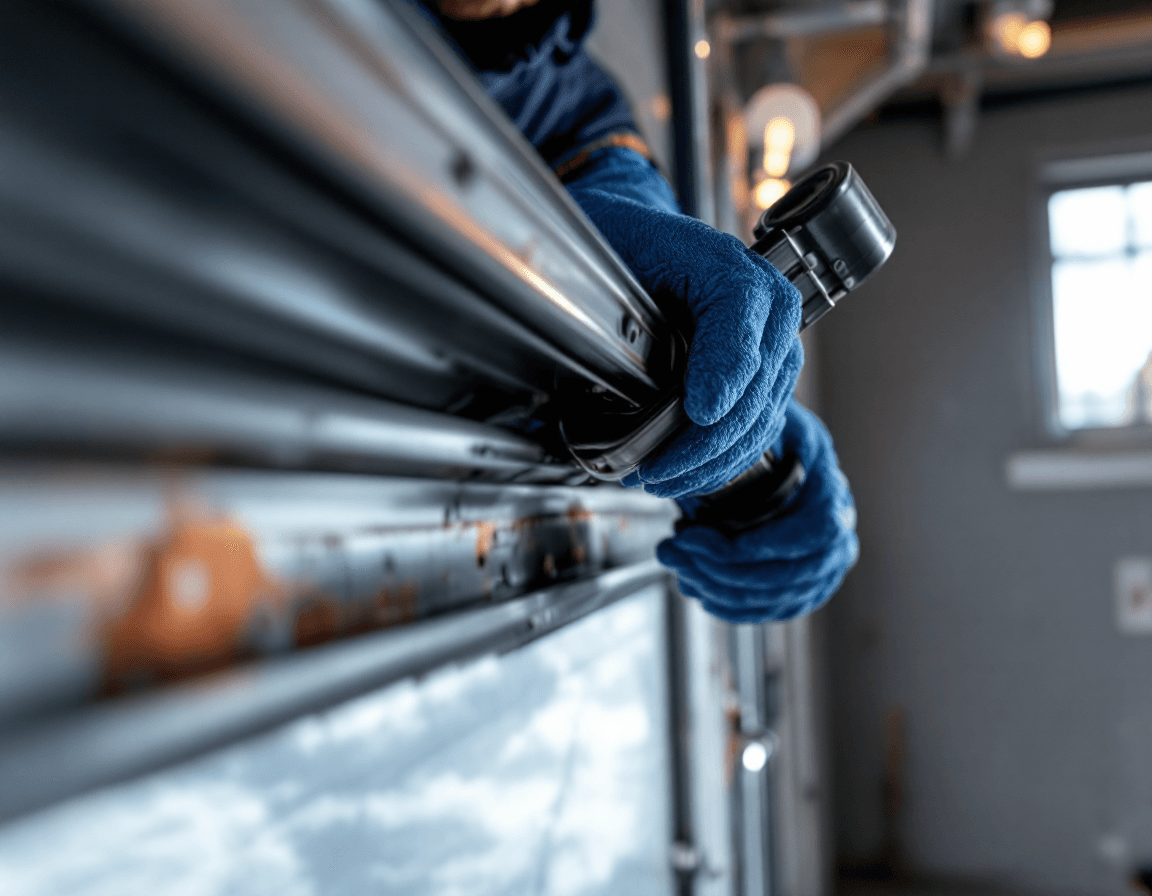
Garage door roller replacement in Brier, WA is one of the most common repairs we handle for homeowners on the north side of Snohomish County, and it is also one of the easiest to put off. A door with worn rollers usually doesn't fail overnight. It grinds a little more each week, shudders on the way up, or starts making a squeal that the neighbors can hear from the sidewalk. Rollers are small, inexpensive parts, but they carry the full weight of your door every time it moves, so their condition affects the whole system.
This page is written for Brier homeowners who have noticed something off about their door and want to understand what is happening before they call anyone. We will walk through the sounds and movements that point to tired rollers, explain how the damp Pacific Northwest climate speeds up wear, and compare the steel and nylon options that most technicians recommend today. We'll also cover what a typical service visit involves and where roller work ends and other repairs begin.
Seattle Garage Door Fix is a licensed, bonded, and insured garage door company serving 60-plus cities across the greater Seattle and Western Washington area. Our technicians work on everything from older single-car doors to newer insulated double doors, and we'll tell you plainly when a roller swap will solve the problem and when it won't. If you'd rather talk through your door's symptoms by phone, you can reach us at (888) 799-3819.
Reading the Noises Your Garage Door Is Trying to Tell You
Your garage door talks to you constantly, though most people only listen when the racket becomes impossible to ignore. A healthy roller spins smoothly inside its track, and the sound it makes is a faint, even hum or nothing at all. When a roller wears, the sound changes, and the change is often the first clue. Grinding usually means the roller's surface or its bearing has broken down, while a high-pitched squeak often points to a dry or failing axle.
Metal-on-metal scraping deserves attention sooner than most other noises. If a steel roller has lost its outer coating or the wheel has flattened, it can rub against the track's inner edge instead of rolling along it. That friction generates heat, shaves metal, and gradually damages the track itself, which means a small roller problem can grow into a track repair if you wait. Scraping sounds are also worth noting because they often get louder when the door is closing, since the weight of the door presses the damaged surface harder against the rail.
Many Brier homeowners describe their symptoms in ways that match the following list, and any of them can indicate worn rollers:
- A grinding or squeaking noise that starts at one point in the door's travel and continues along the track
- Scraping or screeching when the door opens or closes, especially in the first few feet
- A door that shakes, rattles, or jerks as it rolls along the track
- Rollers that look cracked, flattened, chipped, or discolored when you inspect them from a safe position
- A door that seems to stick or bind at certain points before moving freely again
Listen for patterns. Note whether the noise happens on both sides of the door or only one, and whether it appears in the same place every time. Those details help a technician narrow down whether a single roller has failed or whether the wear is spread across the full set.
How Brier's Damp Weather Wears Down Rollers Faster
The Pacific Northwest climate is gentle in many ways, but it is hard on garage door hardware. Brier gets long stretches of gray, wet weather, and the humidity that comes with it finds its way into every metal surface. Steel rollers can develop surface rust, especially along the edges where the coating is thin or has been chipped during years of use. Once rust starts, it roughens the surface and pulls on the bearing, and the roller begins to drag rather than turn.
Temperature swings also play a role. Cool, damp mornings in the shoulder seasons can make lubricant thicken and cling to dust, and the resulting gummy film slows rollers down. In winter, the door may sit closed for days while rain soaks the exterior, and when you finally open it, the rollers may have to break free from accumulated grit and moisture. That repeated stop-and-start movement wears on the roller's axle and stem more than steady use does.
Garage environments in Snohomish County also tend to collect debris. Leaves, tree needles from nearby conifers, and tracked-in mud settle into the track channel and get pressed into the rollers every time the door moves. Over time, that grit acts like sandpaper. A regular habit of wiping out the track and checking the rollers during seasonal changes can extend their life considerably, and it gives you a chance to catch cracks or flat spots before they cause a noisy, jerky ride.
Choosing Between Steel and Nylon Rollers
When it's time to replace rollers, you'll usually choose between steel and nylon, and each has its place. Steel rollers are sturdy and handle heavy doors well, which makes them a reasonable choice for solid wood doors or older tracks that were built around metal. The downside is noise. Steel rolling against steel track can produce a rattle or clatter, and once the surface begins to corrode, the sound often gets worse.
Nylon rollers, often with sealed ball bearings, are the usual upgrade for homeowners who want a quieter garage. The polymer tire absorbs vibration and rolls with a softer sound, which makes a real difference if your garage shares a wall with a bedroom or a home office. Many nylon rollers also resist moisture better than bare steel, which suits the wet conditions here. They are not indestructible, though, and the bearing quality matters a great deal. A cheap nylon roller with a poor bearing can squeak and seize just as quickly as a worn steel one.
Our technicians generally recommend matching the roller to the door's weight, the track type, and how you use the space. A detached garage used mostly for storage may do fine with a sturdy steel roller, while an attached garage where you park the car every day and want a quiet home often benefits from nylon. There is no single right answer for every door, and a good technician will explain the trade-offs rather than pushing one option. Keep in mind that most tracks are sized for specific roller stems and widths, so the replacement set must fit the existing hardware.
What a Full Roller Set Typically Costs in Brier
Homeowners often ask what roller replacement costs before they commit to a service visit, and we want to be straightforward about it. A full set of rollers for a standard residential garage door typically falls within a range of $120 to $250. Where your price lands in that range depends on several factors, including how many rollers your door uses, whether you choose steel or nylon, the roller stem and bearing style, and how much time the technician needs to swap them out safely.
The price covers the rollers themselves and the labor to install them, but it does not automatically include other repairs. If the technician finds a bent track section, a damaged hinge, or a worn cable, those items would be separate conversations. We think it's better to explain the scope before work starts so there are no surprises when you review the invoice. Ask for a clear breakdown of what is included and whether any lubrication or track cleaning is part of the visit.
It also helps to know that rollers are not usually a do-it-yourself job for homeowners who lack experience. The door is heavy, and removing rollers often involves working near the track, where a sudden movement can cause injury. Even when the rollers themselves seem simple, the correct tension and alignment matter for smooth travel. A professional visit protects both your door and your household.
Why a Shaking or Jerking Door Usually Points to Rollers
A door that rattles, lurches, or hesitates along the track is telling you that something is not rolling evenly. Rollers are the main points of contact between the door panels and the track, so when one of them is flattened, cracked, or seized, the door has to bounce or drag over that spot. You may feel a jolt in the floor or see the top section of the door wobble as it passes that point.
In many cases, the shaking gets worse as the door travels higher or lower along the track because the weight distribution shifts. A roller that is fine on the lower panels may fail once it hits the curve where the track turns from vertical to horizontal. That is one reason a visual inspection from a safe position is useful. Watch the door move slowly with the opener, paying attention to where the motion changes, and note any spot where the door seems to catch or leap.
Do not attempt to fix the shaking by tightening random hardware or loosening track bolts unless you know exactly what you are doing. Track alignment affects how rollers seat, and incorrect adjustments can make the problem worse or cause the door to come off its track. A technician can check whether the shaking comes from the rollers, the track alignment, the hinges, or the springs, and address the actual cause.
Binding and Sticking: The Hidden Signs of Roller Trouble
Binding is one of the more frustrating symptoms because it often comes and goes. The door may move smoothly for most of its cycle, then stick at a particular point, sometimes requiring a firm push or a second attempt from the opener. Many homeowners assume the opener is failing, but the cause is frequently a roller that has seized or a grit-packed track section that has grabbed the roller stem.
A seized roller may spin only partway or not at all. Sometimes you can see it: the rolling surface stays stationary while the door slides over it, leaving a flat patch or a shiny scrape. Other times the bearing has dried out or collected debris, and the roller simply refuses to turn. Either way, the friction it creates forces the opener to work harder, which can strain the motor and wear other components faster than they would otherwise.
If your door binds only in cold, damp weather, the cause may be partly environmental. Moisture and cold can thicken old lubricant and make a marginal roller stick. Even so, the roller usually deserves replacement at that point, because the bearing is already compromised. Waiting until the door fails completely can leave you without access to your car or your home's main entry from the garage, which is a poor time to schedule a repair.
What Happens During a Professional Roller Replacement
A typical roller replacement starts with a careful inspection. The technician checks the door's condition, examines the rollers and tracks, and determines whether the current stems and widths match what you need. They will also look at the springs, cables, and hinges, because worn components in those areas can mimic roller symptoms. A good inspection takes time, and it should end with a clear explanation of what you are seeing.
Once the plan is set, the technician secures the door and prepares the work area. Spring tension is one of the most dangerous parts of a garage door system, and it is never something homeowners should adjust or release on their own. Licensed technicians follow strict procedures for working around tensioned components, and roller replacement is generally performed without changing spring tension. The technician removes the worn rollers, installs the new ones, checks that they seat properly in the track, and tests the door through several full cycles.
Before leaving, the technician should walk you through the results. Ask them to show you the difference in sound and movement, and ask what maintenance they recommend. You should also receive documentation of what was replaced and what was tested. If anything seems off, such as a track section that needs attention, make a note so you can decide on next steps.
Maintaining Rollers Between Service Visits
Good maintenance keeps rollers quiet for longer and reduces the chance of sudden failure. Most of the work is simple and can be done a few times a year during seasonal checks. The goal is to keep the track clean, the rollers lubricated with the right product, and any early wear noticed before it becomes a problem. Here is a practical routine many homeowners find manageable:
- Wipe the track channel clean with a dry cloth to remove leaves, grit, and dried mud, especially after the autumn and winter storm seasons
- Inspect each roller for cracks, flat spots, chips, or discoloration, using a flashlight and staying clear of the springs
- Apply a silicone-based or lithium-based garage door lubricant to roller bearings and hinges, avoiding oily products that attract dust
- Test the door's balance by lifting it manually partway; it should stay roughly in place without drifting
- Listen for changes in noise over several weeks and note any new grinding, squeaking, or scraping sounds
Avoid spraying lubricant directly onto the track surface, where it can attract grit and create a sticky film that makes rollers slower. Use a light touch and keep product off the floor and the opener's drive components unless the manufacturer directs otherwise. If your door is an older model with sealed bearings, the lubrication schedule may differ, so check any documentation you have on hand.
When the Rollers Are Not the Whole Story
Sometimes a roller replacement is the right fix, but other components are contributing to the noise or movement. Springs can weaken and cause the door to feel heavy or to slam down. Cables can fray or slip off their drums, producing a jolt or uneven lift. Hinges can loosen, letting panels shift as they pass through the track. Track sections can bend after a bump from a vehicle or a tool, creating a spot where rollers struggle to pass.
This is why we encourage homeowners to describe the full picture when they call. Mention when the noise started, whether the door has changed in weight, whether you have seen any frayed cable strands, and whether the door has shifted in its track. A technician who understands the broader system can separate roller problems from spring or cable problems more accurately. That prevents you from paying for a roller swap that does not address the real cause.
Spring and cable work is never a homeowner task. Garage door springs store enormous energy, and cables under tension can cause serious injury if they snap or release unexpectedly. Any repair involving springs, cables, or drum components should be handled by a licensed professional. Roller replacement can often be done as part of a broader service visit, which can be efficient, but the spring and cable work itself must stay in trained hands.
Scheduling Help Across Brier and Nearby Neighborhoods
Brier sits in a part of Snohomish County where many homes have attached garages and driveways that see steady traffic from families, commuters, and visitors heading toward nearby parks and shopping. Brier Park is a familiar local landmark, and many of the homes around it have garages that have been in use for decades. Older doors in these neighborhoods often have original rollers and hardware, which can be a good reason to inspect the whole system during a roller visit rather than replacing parts one by one.
Our service area includes Brier and the surrounding communities, and we serve 98036 along with many other ZIP codes across Western Washington. If you live in or near Brier and notice any of the symptoms described on this page, we can schedule an inspection and give you a clear estimate for roller work. Ask us whether a nylon upgrade makes sense for your door and whether any other components need attention at the same visit.
Please do not wait until a worn roller causes a track problem or leaves you stuck inside or outside the garage. A small service visit now is usually simpler and less costly than repairing a bent track later. If your door is loud, jerky, or sticking, call us to talk through your options and get on the schedule.
Garage doors work hard every day, and the rollers do more of that work than most people realize. If your door is grinding, scraping, shaking, or binding, a professional roller replacement can restore smooth, quiet operation and protect the rest of your system. Our licensed team serves Brier homeowners with honest assessments, clear pricing for a full roller set in the $120 to $250 range, and careful work from start to finish. Call Seattle Garage Door Fix today at (888) 799-3819 to schedule your inspection.