
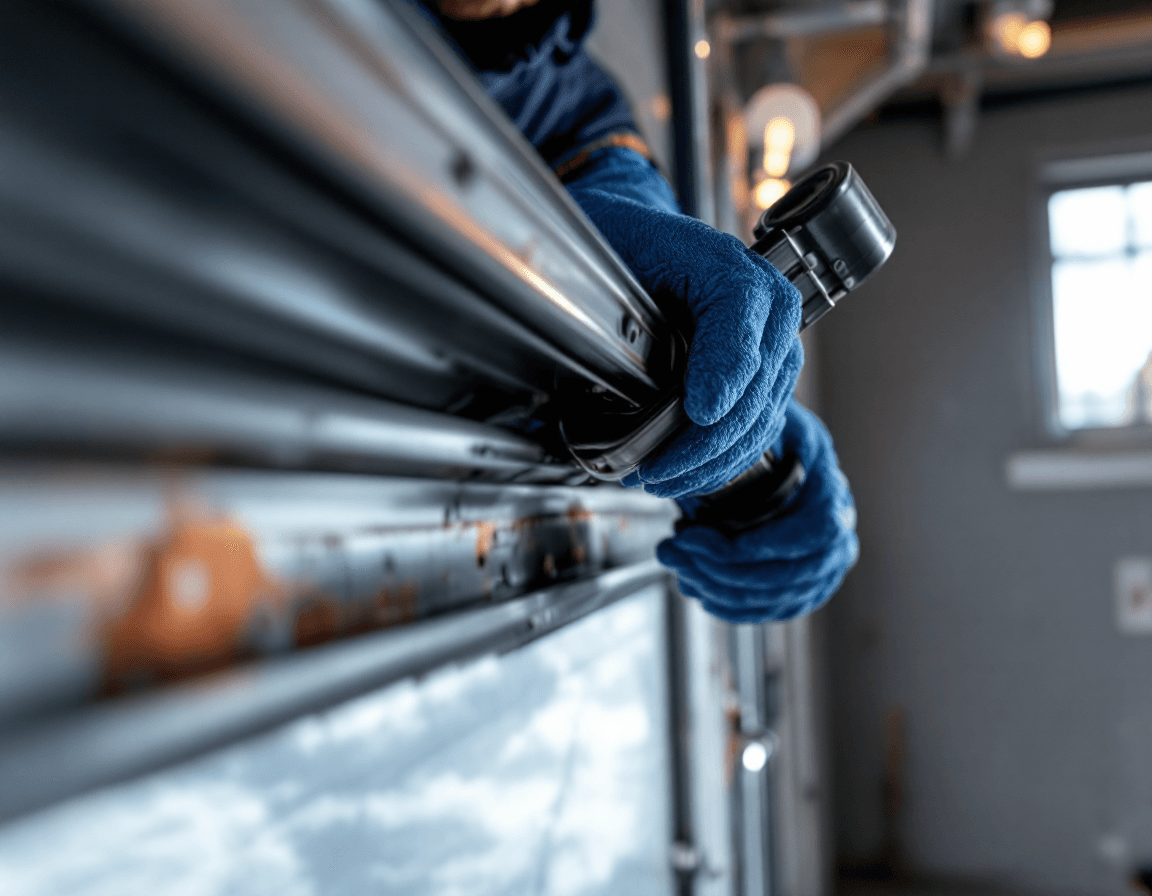
Garage Door Roller Replacement in Everett, WA is one of the most common repairs we see on homes from Downtown Everett to the hillside streets above Silver Lake, and it is also one of the most affordable ways to bring a noisy door back to smooth, predictable movement. Rollers are the small wheels that ride inside the vertical and horizontal tracks and carry the weight of your door as it opens and closes. When they wear, crack, or seize, the whole door has to work harder, and you hear it before you see any real damage. This guide explains what worn rollers look like, why Everett homes tend to wear them out sooner, and what a proper replacement involves.
Snohomish County sits in a damp, marine-influenced climate. Our winters bring long stretches of drizzle, morning fog off the Sound, and humidity that rarely drops far in the shoulder seasons. Those conditions do not make a garage door fail overnight, but they quietly shorten the life of the hardware that moves it. If you have been putting off a noisy door because it still works, this page should help you decide whether the sound is a minor annoyance or an early warning. It also covers what a full set of rollers typically costs, which is generally between $120 and $250 depending on door size and the roller type you choose, and when a technician should be looking at the track or springs instead.
Throughout this page we will use plain language rather than jargon. You do not need to know the names of every bracket or hinge to recognize a problem, and you do not need to perform the repair yourself. Replacing rollers is a job many homeowners can understand conceptually, but the work near the springs and cables carries real risk, and we will explain exactly where that line falls. If you are reading this because your door is grinding right now, call (888) 799-3819 and a licensed technician can tell you what is happening in one visit.
Why Everett's Damp Marine Air Wears Down Garage Door Rollers
Moisture is the quiet enemy of garage door hardware, and Everett homeowners live with plenty of it. Steel roller stems and the bearings inside them can develop surface rust when humidity stays high for weeks, and that rust turns smooth motion into a gritty, scraping process. Even a thin film of corrosion changes how a roller contacts the track, so the door begins to drag in places where it used to glide. Garages in older Everett neighborhoods often have less insulation and weaker ventilation, which means condensation can form on metal surfaces during cold snaps and then evaporate slowly.
Temperature swings add a second layer of stress. On a cool February morning the lubricant in a roller's bearing can thicken, and the door may complain for the first few cycles until things warm up. Over many seasons, that repeated contraction and expansion can crack the plastic hubs of older nylon rollers and loosen the fit between the stem and the bracket. Homes near the water and on lots with less shelter from wind can see these effects sooner than homes tucked deeper inland, because salty, moist air tends to settle on exposed hardware.
Dust and debris also find their way into the track more easily in a region with heavy rainfall and tree cover. Fir needles, grit tracked in on shoes, and fine silt from wet weather accumulate in the track channel and get pressed against the roller surface each time the door moves. Over time that abrasive buildup wears flat spots and grooves into the roller. A roller that looks fine from a distance can have a flattened face that causes a bump or jolt every time it passes over the same point. Understanding these local pressures helps explain why a roller that lasted many years in a drier climate may need replacing sooner here.
Reading the Warning Signs Your Door Is Giving You
Most roller problems announce themselves gradually, and the earliest sign is usually sound. A faint squeak that appears only on the first open of the morning is often the first symptom of a dry or corroded bearing. As wear continues, the squeak becomes a grinding noise that follows the door up and down the track, and eventually it turns into a harsh metal-on-metal scrape. Paying attention to when and where the noise happens tells a technician a great deal about which roller is failing.
Physical movement changes are the next clue. A door that shakes, hesitates, or jerks as it travels along the track is often reacting to a roller that is no longer rolling freely. You may notice the door seems to stutter at a particular height, or that one side rises slightly faster than the other. Binding or sticking at specific points is another signal, especially if the door catches briefly and then continues. Visibly cracked nylon, flat spots, or a roller that no longer spins when you rotate it by hand are clear indicators that replacement is due.
Several common symptoms are worth checking before you call for service:
- Loud grinding or squeaking that changes depending on how far the door has traveled
- A door that shakes, jerks, or bounces as it moves along the track
- Rollers with visible cracks, chips, flat spots, or a stem that wobbles in the bracket
- Metal-on-metal scraping that suggests a seized or unlubricated roller
- A door that binds or sticks at certain points and then frees up
- A general desire for quieter operation, especially in attached homes where the garage shares a wall with living space
If you see several of these at once, it is usually worth scheduling a visit sooner rather than later. Continued operation with a seized roller can stress the door panels, the track brackets, and the opener itself. A small repair is far less expensive than replacing damaged sections or repairing an opener that has been straining against a binding door.
Steel Versus Nylon: Choosing the Right Roller for Your Door
Garage door rollers come in several types, and choosing the right one matters for both sound and longevity. Traditional steel rollers are strong and durable, and they handle heavy doors well, but they are noisier because metal rolling against metal produces a distinct rattle. Their bearings also rely on lubrication, and in damp conditions they can rust if the lubricant washes away. Steel rollers remain a reasonable choice for certain heavy or commercial-style doors where load capacity is the main concern.
Nylon rollers, often with sealed ball bearings, are the usual upgrade for homeowners who want quiet operation. The nylon tire absorbs vibration and reduces the sharp contact noise that metal produces, which makes a noticeable difference in attached garages and in homes where bedrooms or home offices sit near the door. Sealed bearings resist moisture better than open designs, which suits the wet climate here. Many technicians recommend nylon rollers with steel stems for a balance of quiet operation and strength, though the best choice depends on your door's weight, track type, and how you use it.
Here is a simple way to think about the options:
- Standard steel rollers: strongest load rating, lower cost, louder operation, and more maintenance in damp conditions
- Sealed nylon rollers with steel stems: quieter, better at resisting moisture, and a common choice for residential upgrades
- Full nylon rollers: the quietest option for lighter doors, though load limits matter and should be checked against the door's specifications
A technician will look at your door's width, height, and panel construction before recommending a roller type. Heavier insulated doors generally need a different roller than a lightweight single-layer door, and an incorrect choice can cause premature wear. The goal is not simply to buy the quietest part, but to match the roller to the door so it rolls smoothly for years.
What a Roller Replacement Involves From Start to Finish
A professional roller replacement follows a predictable sequence that protects both the door and the people working around it. The technician begins by inspecting the entire door, including the track, hinges, cables, and springs, so they understand how the roller fits into the larger system. They will then confirm which rollers are worn, cracked, or seized and check the surrounding hardware for damage. This inspection step matters because a worn roller can sometimes mask a problem with a bent track section or a loose bracket that would continue to cause noise after the new roller is installed.
Once the door is assessed, the technician secures it so it cannot move unexpectedly. This is standard practice for any work involving the track and rollers, and it is one of several reasons homeowners should not attempt the job themselves. Rollers are typically replaced one section at a time: the door is supported, the track is opened or the roller is slipped out of the track channel, and the old roller is removed from its hinge or bracket. The new roller is then fitted, the connection is checked for a secure seat, and the door is cycled slowly to confirm smooth travel before it is returned to normal operation.
After installation, a good technician will also lubricate the appropriate moving parts with a product suited to garage door hardware and check the balance of the door. Lubrication should be targeted rather than sprayed everywhere, because excess product can attract dust and grit in a wet climate. Finally, the technician will run the door through several complete cycles and listen for remaining noise. If a squeak persists, the source may be a hinge, a bearing, or a track alignment issue, and the technician can address it during the same visit when possible.
Neighborhood Notes: Downtown Everett, Silver Lake, and Harbour Pointe Homes
Everett is a city of many housing styles, and that variety shapes how garage doors are used and how rollers wear. In and around Downtown Everett, many homes are older, with narrower garages, tighter clearances, and tracks that may have been adjusted several times over the decades. Older tracks can develop subtle misalignments that place extra stress on one side of the door, and rollers on the heavier side tend to wear first. A technician familiar with these homes will check track alignment carefully before blaming the rollers alone.
The Silver Lake area includes a mix of single-family homes and newer construction, and many garages here are attached to living space. For these households, quiet operation is often the primary goal, because a grinding door at six in the morning can be disruptive to everyone inside. Nylon roller upgrades are especially popular in attached garages, and they can make a meaningful difference in how the home sounds during early mornings and late evenings. Homes near the lake may also experience more persistent humidity, which makes sealed bearings a practical advantage.
Harbour Pointe homes often have modern garage doors with insulated panels, and those heavier doors place more load on each roller. Owners sometimes notice shaking or jerking motion because the rollers are working harder than the original design anticipated, or because a previous repair used rollers with a lower load rating. Matching the roller to the specific door weight and panel style is important here. Whatever neighborhood you call home, a technician who has worked across Everett can usually recognize the local patterns quickly and tailor the repair accordingly.
Pricing a Full Set of Rollers Without Surprises
Our typical pricing for a full set of garage door rollers falls between $120 and $250. The final figure depends on how many rollers your door uses, the roller type you select, and whether any related hardware needs attention during the visit. A basic steel set for a single-car door will generally fall toward the lower end of that range, while a larger double-car door or a set of sealed nylon rollers with reinforced stems may land closer to the upper end. We always explain the options before any work begins, so you can decide which upgrade fits your budget and your goals for quiet operation.
It helps to understand what is included in a roller price and what might be separate. Rollers themselves are the core cost, but the labor involved in safely supporting the door, replacing each roller, and testing the full range of motion is an important part of the job. If the inspection reveals a bent track section, a worn hinge, or a bracket that needs replacing, that work may be quoted separately so you know exactly what you are approving. Transparency matters, especially when a homeowner has already been surprised by an unexpected charge.
Some homeowners ask whether replacing only the noisiest roller is enough. In many cases a single worn roller will place extra strain on its neighbors, and replacing the full set at once tends to produce a more even, quieter result. It also avoids repeat visits as the remaining original rollers reach the end of their service life. Your technician can explain whether a partial replacement makes sense for your door or whether a full set is the better long-term value.
When the Track Is the Real Culprit Behind the Noise
Not every noisy door has a roller problem at its root. The track that guides the door is just as important, and a track that is out of alignment, loose, or dented can make perfectly good rollers sound terrible. Gaps between the track and the wall or ceiling brackets allow the door to shift as it moves, which causes the rollers to bump and grind against the track edges. Homes that have experienced settling, minor impacts from equipment, or years of vibration from the opener may need track adjustment along with roller work.
Signs that the track may be the source include uneven movement, a door that rubs one edge of the track more than the other, or noise that continues even after new rollers are installed. A technician can check track plumb and level with simple tools and look for dents, loose fasteners, or bends that interfere with roller travel. Adjusting a track is precise work because even small changes affect how the door balances and how it closes at the bottom. For that reason, track alignment should be handled by a professional rather than by adjusting bolts without guidance.
Clearing debris from the track is one maintenance step homeowners can reasonably handle with a dry cloth and a soft brush. Removing built-up grit, leaves, and residue from the channel reduces the abrasive contact that wears rollers faster in our wet climate. However, avoid soaking the track or using heavy solvents, which can strip the lubricant that helps rollers turn freely. If you are unsure whether the track is damaged, ask a technician to inspect it during your roller visit rather than guessing.
Keeping Quiet Operation Going Through Snohomish County Winters
A quiet door is easier to maintain than a noisy one, and a few simple habits help keep rollers performing well through our rainy seasons. Wipe the track channel and roller surfaces occasionally to remove grit and moisture, and check for early signs of rust or flaking on the steel components. Use a lubricant recommended for garage door hardware, applied sparingly to the roller stems and hinge pivots, and avoid heavy grease that collects dust. Doing this a few times a year can extend the life of your rollers and keep the door moving quietly between professional visits.
Pay attention to how the garage is ventilated, because a damp, enclosed space accelerates corrosion on metal hardware. If your garage stays cold and wet for long stretches, improving airflow with a vent or a dehumidifier may reduce condensation on the door and rollers. Keeping the door fully closed during heavy storms also limits how much wind-driven moisture reaches the track, though you should never leave the door partially open for ventilation without considering security and safety. Small environmental adjustments often make a bigger difference than people expect.
Finally, schedule a professional inspection when you notice any change in how the door sounds or moves, rather than waiting for a complete failure. A technician can catch early wear, check balance, and recommend replacement before a roller cracks or seizes. Routine attention protects the opener, the panels, and the springs from unnecessary strain. Catching problems early also keeps repairs simple and predictable, which is exactly what homeowners want from a service visit.
Safety Boundaries: Why Springs and Cables Belong to a Licensed Pro
Rollers are a manageable repair in many cases, but the springs and cables that counterbalance your door carry serious stored energy. Torsion springs and extension springs can cause severe injury if they are wound, released, or adjusted incorrectly, and the cables can snap under tension. For this reason, we recommend that homeowners never attempt spring or cable work on their own. If your roller inspection reveals a worn spring, frayed cable, or uneven door balance, a licensed and insured technician should handle that component with the proper tools and training.
The distinction matters because roller replacement and spring work often happen during the same visit. A qualified technician will support the door, isolate tension where needed, and proceed with the correct sequence before touching any high-tension parts. Attempting to remove a roller on a door that is still under spring tension, or trying to loosen a bracket that holds a cable under load, is how people get hurt. Protecting yourself means respecting these limits even when the roller itself looks like a simple do-it-yourself job.
If you are unsure whether your door needs professional attention, treat that uncertainty as a reason to call. A technician can explain exactly what is involved, what the risks are, and whether a roller-only repair is appropriate for your door. Our licensed, bonded, and insured team handles spring and cable work with the caution it requires, and we are happy to walk you through the process before any work begins.
Serving Everett Across ZIP Codes 98201, 98203, 98204, and 98208
Our Everett service covers the core neighborhoods across ZIP codes 98201, 98203, 98204, and 98208, along with surrounding areas throughout Snohomish County and the wider greater Seattle region. Homeowners in these ZIP codes deal with the same moist, marine-influenced conditions that shape roller wear, and our technicians are familiar with the housing styles and garage layouts common across the city. Whether your home sits near downtown, along the quieter streets around Silver Lake, or within the Harbour Pointe community, we bring the same focus on careful inspection and clear communication to every visit.
Scheduling a roller replacement is straightforward. Describe the noise or movement you are hearing, mention any cracks or flat spots you have noticed, and let the technician know whether you want standard steel rollers or a quieter nylon upgrade. We will explain the options, provide a clear estimate within the typical $120 to $250 range for a full set, and confirm the work before we begin. Our goal is a door that moves smoothly, closes firmly, and runs quietly enough that you stop noticing it at all.
If your garage door is grinding, shaking, binding, or simply louder than it should be, do not wait for the problem to become an expensive repair. Call Seattle Garage Door Fix at (888) 799-3819 to speak with a licensed technician about roller replacement in Everett. We will assess the door, explain what we find in plain terms, and help you restore quiet, reliable operation for your home.