
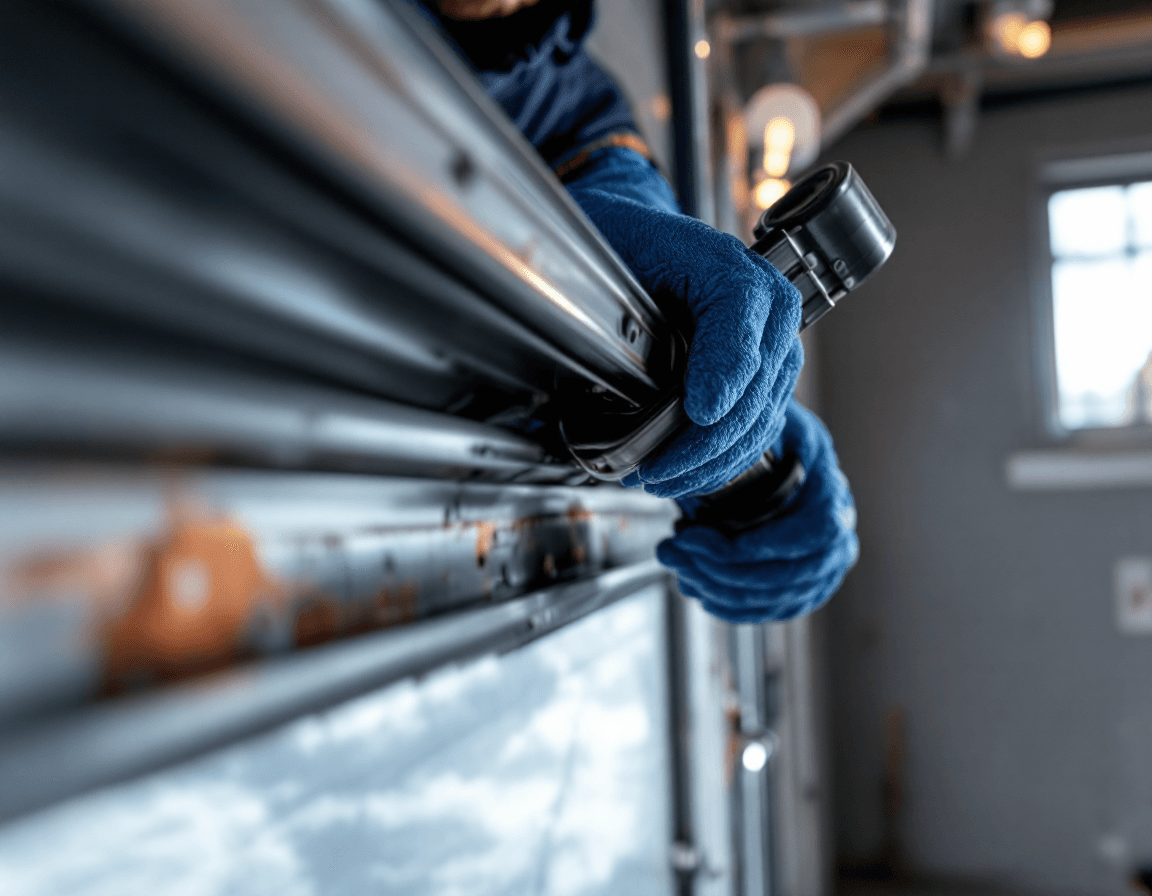
Garage Door Roller Replacement in Mukilteo, WA is one of the most common and affordable repairs we handle for homeowners on the north Snohomish County shoreline, and it often makes a bigger difference than people expect. A door that once rolled up quietly can start to groan, chatter, or jerk along its track long before anything else fails. Those rollers are small wheels, but they carry the full weight of the door on every cycle, so when they wear out, the whole system feels it. This page explains what worn rollers look like, why they fail sooner in our part of the state, and what to expect when you schedule a replacement.
Mukilteo homes come in many styles, from older craftsman houses near Old Town to newer builds in Harbour Pointe and the hillside neighborhoods above the ferry dock. Some garages are detached, some are attached to a home with a bonus room above, and many face the wind and rain that roll in off Possession Sound. Each setup puts slightly different demands on the rollers, the tracks, and the springs. Whether your door is a single-car model on a short run or a wide two-car door that gets used several times a day, the goal is the same: smooth, quiet travel that doesn't strain the opener. We are a licensed, bonded, and insured team, and we approach every roller job with the same care regardless of the neighborhood.
Why Rollers Wear Out Sooner Than You Might Expect
Rollers are one of the parts of a garage door that get the most repetition. Every time the door opens or closes, each roller rotates inside its track, and over thousands of cycles the bearings, stems, and outer surfaces slowly degrade. Steel rollers with exposed bearings can develop flat spots, while nylon rollers can crack, flake, or lose their roundness after years of heavy use. A door that goes up and down several times a day, such as one serving a household with two commuters or a home business, will naturally show wear sooner than a garage used mostly for storage.
Pacific Northwest conditions add another layer. Our winters bring long stretches of damp weather, and the cold snaps that sometimes arrive in January can make old lubricant thicken and stiffen. Moisture gets into roller bearings and encourages rust, which then grinds against the track surface. Homes close to the water also see more airborne moisture and salt residue, which accelerates corrosion on the metal parts that roller assemblies depend on. None of this means your rollers are doomed, but it does mean that a roller replacement is a reasonable maintenance item to plan for, not an unusual surprise.
It helps to remember that rollers rarely fail in isolation. A flat or seized roller forces the door to drag, which pulls harder on the hinges, the track brackets, and the opener. Over time that extra load can bend track sections or wear out the opener's drive components. Replacing worn rollers at the first sign of trouble is often less expensive than waiting until a neighboring part also needs attention.
Listening to What Your Door Is Telling You
Most homeowners first notice a roller problem by sound. A grinding or squeaking noise as the door travels is one of the most common complaints we hear, and it usually points to a roller whose bearing or stem has dried out or worn down. A rhythmic squeak that gets louder toward the top of the door can indicate a roller that is rubbing against the track lip, while a low groan that starts at the bottom is often a sign of a roller with a flat spot. Pay attention to whether the noise happens every time or only in certain positions, because that detail helps a technician narrow down the cause quickly.
Metal-on-metal scraping is another sound that deserves prompt attention. When a steel roller loses its outer surface or when a bearing has seized, the roller stops turning freely and instead drags along the track. That friction can scratch the track, leave metallic debris on the garage floor, and create a harsh sound that is hard to ignore. If you notice bright shavings near the track or a grinding that seems to come from one side of the door only, it is worth having the rollers checked promptly.
Movement can tell you as much as sound. A door that shakes or jerks as it moves often has one or more rollers that are not turning smoothly, which causes the panels to bounce slightly against the track. A door that binds or sticks at a specific point, such as halfway up or right before it closes fully, may have a worn roller sitting in a section of track that has a slight bend or an uneven seam. Visible damage is also useful information: cracked nylon, chipped edges, or a stem that wobbles when you gently push the roller by hand all suggest that replacement is the practical next step.
Choosing Between Steel and Quiet Nylon Rollers
When it comes time to replace rollers, homeowners often ask whether they should stay with steel or move to nylon. Steel rollers are sturdy, widely available, and perfectly adequate for many doors, especially heavier insulated models that need firm support. However, the traditional steel roller can be noisy, particularly when its bearing is not sealed well. Many homeowners who live near neighbors or who use their garage as a workspace prefer a quieter option.
Nylon rollers, often with sealed ball bearings or a smooth molded hub, are a popular upgrade because they run more quietly and absorb some of the vibration that would otherwise travel through the panels and into the frame. They also tend to resist corrosion better in damp conditions, which is a practical advantage for Mukilteo homes that deal with moisture for much of the year. A well-matched nylon roller should still be rated for the weight of your door, so a good technician will confirm the correct size, stem type, and load capacity before ordering parts.
Here are a few factors that help guide the decision:
- Door weight and construction, since heavier doors may benefit from reinforced or steel-core rollers.
- Neighborhood and usage, such as attached garages below living spaces or shared driveways where noise carries.
- Track type and roller stem length, which must match the existing hardware so the door tracks correctly.
- Budget, since a full set of rollers in our area typically falls in the $120 to $250 range depending on the roller type and door size.
Mukilteo's Damp Air, Salt Breeze, and Track Corrosion
Living near the Mukilteo waterfront and the ferry terminal means your garage is exposed to a mix of damp air and salt-laden breezes that can be harder on hardware than many inland homeowners realize. Salt residue does not always show up as obvious rust, but it can work its way into roller stems, hinges, and track seams, leaving a thin film of corrosion that makes everything move less smoothly. Over time, that corrosion can lock a roller's stem in place or pit the metal surface that the roller needs to glide across.
Track corrosion is a particular concern when rollers are replaced without checking the rail beneath them. If the track has developed rust bloom or a rough patch, a brand-new roller can still sound rough because it is riding over an uneven surface. A technician should wipe down the track, look for loose bolts, and check whether any section has shifted out of alignment before installing new rollers. This step is quick, but it can prevent a repeat visit a few months later.
Ventilation and moisture control also matter. Garages in Harbour Pointe and other shoreline areas can hold damp air during the wetter months, especially when the door stays closed for long stretches. Keeping the space as dry as practical, wiping off salt spray after windy weather, and checking the hardware each season helps protect both the rollers and the track. These habits are simple, and they pay off in quieter operation for years.
What a Full Roller Set Costs in Our Area
Roller replacement is often one of the more affordable garage door repairs, and most homeowners find the pricing straightforward. For a full set of rollers in the Mukilteo area, the typical range is $120 to $250. Where your price falls within that range depends on the number of rollers your door uses, the type you choose, and whether your door has standard steel rollers, nylon rollers, or a specialty style that matches a particular track design.
A few details can affect the total. Doors with more rollers, such as wide two-car doors with extra support points, will cost more to outfit than a single-car door. Choosing sealed nylon or high-performance rollers can move the price toward the upper end of the range, while standard replacements usually sit closer to the lower end. If the technician finds that the track also needs minor adjustment, that work is a separate consideration, and you should expect it to be discussed before any additional charges are made.
Our goal is to explain the options clearly so you understand what you are paying for. A roller replacement should leave your door operating smoothly, with no grinding, no jerking, and no sticking at any point in the travel. If you are comparing quotes, ask whether the price includes new roller hardware, a track inspection, and a lubrication pass on the moving parts. Those details help you compare fairly.
Inspecting Rollers Safely From the Outside
Homeowners can do a simple visual check of their rollers without putting themselves at risk, and this check helps you describe the problem accurately when you call. Start with the door fully closed and the opener disconnected or the power turned off at the breaker so the door cannot move unexpectedly. Look at each roller where it sits in the track. Note whether the outer surface looks cracked, flat, chipped, or discolored, and whether the stem appears bent or loose.
Next, gently rotate each roller by hand if the door is stationary and the opener is disengaged. A healthy roller should turn with little resistance and no wobble. If one roller refuses to turn, feels gritty, or wiggles noticeably, mark it and mention it when you schedule service. Do not attempt to remove rollers under tension or work near the springs, because the forces involved can cause serious injury even when the door seems still.
Keep your inspection focused on what you can see and feel from a safe position. Take note of any scraping marks on the track, bright metal shavings on the floor, or areas where the door seems to bind. Those observations give a technician a head start and often reduce the time needed to diagnose the problem.
How a Technician Replaces Rollers Step by Step
A professional roller replacement follows a consistent sequence designed to keep the door balanced and the workers safe. The technician begins by securing the door and confirming that the springs and cables are in good condition, because roller work can expose parts of the system that need to stay under control. Once the door is supported, the old rollers are removed from the track by carefully releasing the hinge or bracket connections as needed. This is where experience matters, because the door must never be allowed to drop or shift unexpectedly.
After the old rollers come out, the technician checks the track for dents, rust, and alignment. Any loose track bolts are tightened, and rough spots are cleaned or smoothed so the new rollers can glide without catching. The replacement rollers are then installed, and the door is moved slowly through its full range to confirm that each roller turns freely and that the panels track evenly. Finally, the technician lubricates the appropriate moving parts with a garage-door-safe lubricant and checks the balance and the opener's response.
Throughout the job, the technician should explain what they found and what they changed. You should come away knowing whether the rollers were the only issue or whether other components, such as hinges or brackets, also showed wear. Clear communication is part of quality workmanship, and it helps you plan future maintenance with confidence.
Stem Rollers, Ball-Bearing Designs, and Other Variations
Not all rollers are the same, and matching the right style to your door matters for both fit and performance. Standard steel rollers have a straight stem and a simple bearing, while stem rollers have a longer shaft that extends into the hinge bracket. Ball-bearing rollers use a set of small balls inside the hub to reduce friction, which generally makes them smoother and quieter. Nylon rollers can come in both straight and stem configurations, and their color and hardness may vary depending on the manufacturer.
Choosing the wrong style can cause problems even when the roller looks right. A stem that is too short may fail to engage the track properly, while a stem that is too long can rub against the bracket and create new noise. The diameter of the roller also matters, because it determines how the door sits within the track. A knowledgeable technician will measure the existing roller, check the track size, and confirm the replacement matches the door's original design before installing anything.
Some older Mukilteo doors may have hardware that is no longer common, and in those cases a technician may recommend a compatible alternative rather than an exact match. This is a good time to ask questions. A clear explanation of why one roller is preferred over another will help you understand the trade-offs in noise, durability, and cost.
Aligning the Track So New Rollers Last
New rollers can only perform well if the track they ride in is straight, secure, and clean. A track that has shifted slightly, perhaps from a minor impact or from years of vibration, can force rollers to bind at a particular point even when they are brand new. Homeowners often assume a binding spot means the springs are weak, but in many cases the root cause is a track section that has moved just enough to pinch a roller. Checking the track during a roller replacement helps prevent this problem from returning.
Alignment work involves checking that the vertical tracks are plumb and that the horizontal sections are level and parallel. Loose mounting bolts should be snugged, and any bent sections should be carefully corrected or replaced depending on the severity. The gap between the track and the door panels should be consistent from top to bottom, because uneven spacing can cause the door to jump or lean. These adjustments are typically quick, but they require attention and a steady hand.
Because the springs and track are part of the same balance system, it is important that track adjustments be performed by a qualified technician. Improper track changes can throw the door out of balance and create unsafe conditions. If your technician recommends track work, ask them to explain what they are correcting and how it will improve operation.
Everyday Habits That Keep Rollers Quiet
Once new rollers are in place, a few simple habits will help them stay quiet and smooth for as long as possible. Keep the track clean by wiping away dust, leaves, and salt residue at least a few times a year, especially after windy weather off the Sound. Avoid spraying heavy oil or household penetrants into the track, because these products can attract grit and create a gummy film that slows the rollers. Instead, use a lubricant designed for garage door components and apply it sparingly to the roller stems and hinges as recommended.
Pay attention to changes in sound or movement. A new squeak that appears after a few months may be an early warning that a roller bearing is starting to dry out, and addressing it promptly can prevent a bigger repair later. Test the door's balance periodically by disconnecting the opener and lifting the door partway by hand; it should stay in place without drifting. If it does not, that is a sign that the springs or other components need professional attention.
Finally, keep an eye on the surrounding hardware. Loose bolts, worn hinges, and damaged brackets can all make the rollers appear to be the problem when they are not. A seasonal check of the whole door system, paired with a quick inspection of the rollers, gives you the best chance of catching issues early and keeping your Mukilteo garage door running quietly through every season.
When to Stop and Call a Licensed Professional
Some garage door situations are best left to trained technicians, and roller work often sits right at that boundary. If your door is binding badly, shaking violently, or drifting when you lift it by hand, the problem may involve the springs, cables, or track in ways that go beyond a simple roller swap. Torsion springs and extension springs store a large amount of energy, and even a small mistake during adjustment can cause serious injury. Spring and cable work should always be handled by a licensed, insured professional with the right tools and training.
It is also wise to call for help if you see frayed or broken cables, a sagging door that will not stay up, or a roller that has fractured in a way that leaves sharp edges on the track. Those conditions can change quickly, and waiting may turn a manageable repair into an urgent one. If you are unsure whether your problem is a roller issue, describing the sound, movement, and any visible wear to a technician is the best first step.
Our team serves Mukilteo and surrounding Snohomish County communities with careful, transparent roller replacement and quiet nylon roller upgrades. We will inspect your door, explain what we find, and recommend only the work that makes sense for your home. If your garage door is grinding, squeaking, jerking, or sticking, call Seattle Garage Door Fix at (888) 799-3819 to schedule a visit and get your door moving smoothly again.