
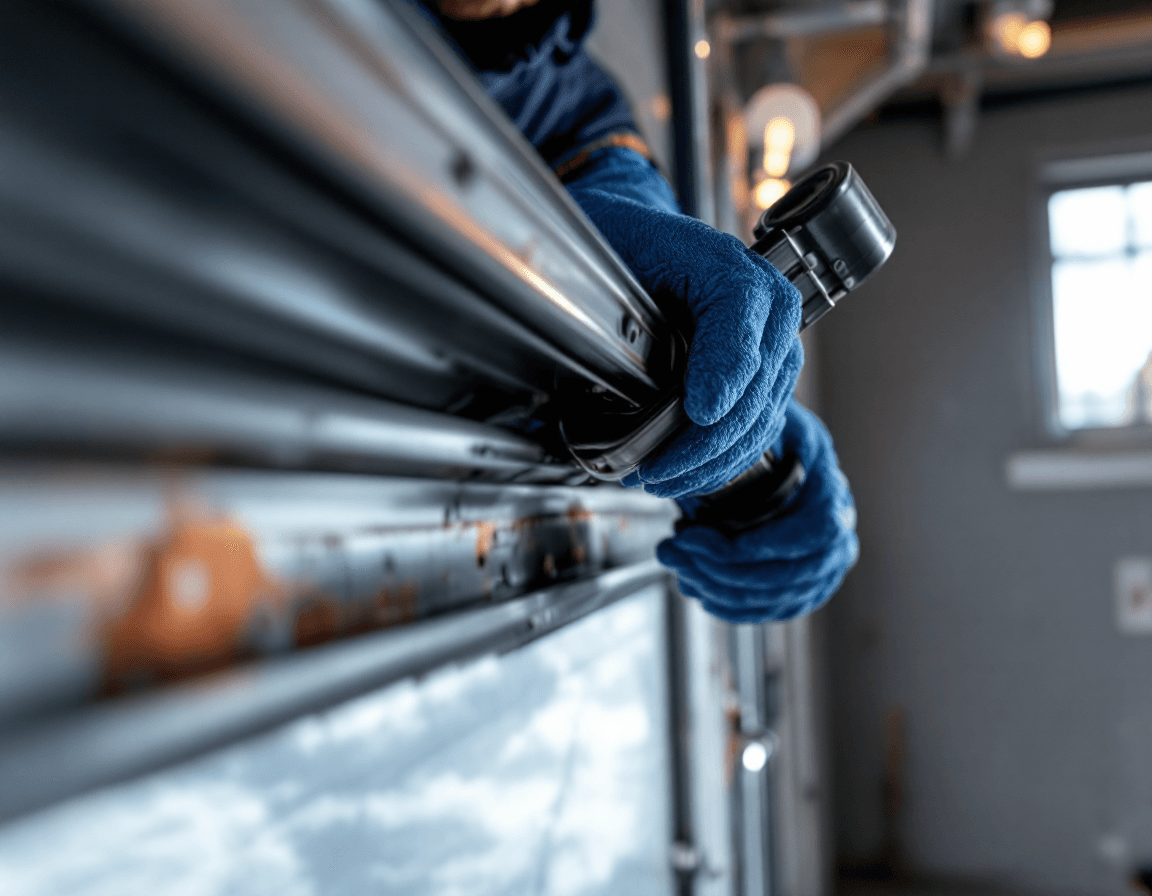
Garage door roller replacement in Monroe, WA is one of the most common repairs we see on residential doors, and it is also one of the most affordable fixes when the problem is caught early. Rollers are the small wheels that ride inside the vertical and horizontal tracks and carry the door's weight as it opens and closes. Over time they wear down, crack, or seize, and the door starts to grind, squeal, or jerk. A door that sounds rough is usually telling you something specific about the rollers before anything more serious goes wrong.
Monroe sits in the Skykomish River valley of Snohomish County, where the weather shapes how garage hardware ages. Homes around Downtown Monroe and the neighborhoods near the Evergreen State Fairgrounds see long stretches of damp, cool air, frequent rain, and seasonal swings that expand and contract metal and tracks. Those conditions can speed up wear on the small components that keep a door rolling smoothly. Many homeowners notice the noise first and assume the opener is failing, when the real culprit is a worn roller a few inches from the track.
This page explains what roller wear looks and sounds like, how nylon and steel rollers differ, what a typical replacement involves, and what homeowners in 98272 and nearby communities can expect for pricing. It also covers the safety boundaries you should respect, because roller work often sits right next to high-tension springs that demand a licensed professional. If your door is grinding, shaking, or sticking, read on to understand what is happening and what your options are.
Why Monroe Garages Wear Rollers Faster Than Expected
Rollers do not fail because of one dramatic event. They wear gradually through thousands of open and close cycles, and every cycle puts load on the roller's axle, bearing, and outer surface. In a wet climate like Monroe's, moisture works its way into the bearing area and washes away lubricant, which leaves metal parts to rub against each other. Grit tracked in from driveways, road spray from Highway 2 traffic, and dust from nearby fields can also settle into the track and grind against the rollers every time the door moves.
Temperature changes add another layer of stress. A garage that stays cold through the early morning and warms slightly by afternoon causes the door panels, tracks, and roller stems to shift by small amounts. Those shifts can push a roller slightly out of alignment, so it rides on its edge instead of its full surface. Over months, that uneven contact flattens or chips the roller and makes the noise worse.
Many Monroe garages also sit attached to homes with heated living space, which means the garage can be cooler and damper than the rest of the house during winter. Condensation can form on the inside of uninsulated doors and tracks, and it sometimes freezes overnight during colder snaps. The ice itself does not usually damage rollers directly, but it can make the door drag and stress the rollers as the door forces its way past the buildup. Recognizing that pattern helps explain why some doors seem to grind only in certain seasons.
Reading the Sounds: What Grinding, Squeaking, and Shaking Are Telling You
Every garage door sound carries information, and learning to distinguish them can save you from unnecessary repairs. A high-pitched squeak that comes and goes often points to a dry or contaminated roller bearing, while a low, rough grinding noise usually means the roller surface has flattened or the bearing has begun to break down. A shudder or jerk as the door travels along the track often signals that one or more rollers are no longer turning freely, forcing the door to skip or bounce over them. Metal-on-metal scraping is one of the more urgent signs, because it typically means a steel roller has worn through its coating or a track section is rubbing directly on a damaged roller.
Pay attention to where in the door's travel the noise occurs. If the sound is loudest when the door first starts moving from closed, the lower rollers near the bottom bracket may be the source. If the door binds or sticks at a specific height, the problem may be a roller that has seized or a track section bent slightly out of line. Listening carefully with the opener disconnected and the door moved by hand can help you pinpoint the trouble without guesswork.
Here are common symptoms that point toward roller work:
- Loud grinding or squeaking that worsens as the door moves through its full range
- Door shaking, bouncing, or jerking along the track during opening or closing
- Visibly cracked, flattened, or chipped roller tires, especially on the lower sections of the door
- Rollers that will not spin when turned by hand, or that wobble noticeably on their stems
- Scraping sounds that suggest metal rubbing on metal rather than a roller rolling freely
- A door that binds or sticks at certain points, particularly during cold or damp mornings
If you notice any of these, avoid forcing the door open or closed repeatedly, since that accelerates damage to tracks, panels, and the opener.
Nylon Versus Steel: Choosing Rollers for a Quieter Door
Roller material makes a noticeable difference in how a door sounds and how long the parts last. Steel rollers are durable and strong, but they tend to be noisy because metal rolling on metal creates a hard, ringing sound as it travels along the track. Many older doors in Monroe came from the factory with steel rollers, and when those wear out, homeowners often ask whether an upgrade makes sense. Steel rollers may still be the right choice for heavy doors or certain track designs, so the decision depends on your specific hardware.
Nylon rollers, often with sealed ball bearings, are the usual upgrade for homeowners who want quiet operation. The nylon tire absorbs vibration and dampens the sound of the door moving along the track, which is why many people notice a dramatic drop in noise after replacement. Nylon also resists the moisture and temperature changes common in Western Washington, though it still needs an appropriate bearing and correct sizing to perform well. Quality matters here, since inexpensive rollers with poor bearings can become noisy again within a season.
When discussing an upgrade, we look at the door's weight, the track type, the stem style, and the existing roller diameter before recommending a material. A mismatched roller may fit physically but still cause binding or uneven travel. Choosing the right nylon roller for your door keeps the operation smooth and extends the life of the other hardware.
What a Roller Swap Involves on a Typical Monroe Residential Door
A roller replacement starts with a careful inspection of the entire door system, not just the noisy roller. The technician checks each roller's tire, bearing, and stem, looks for bent or cracked track sections, and tests whether the door balances properly when lifted partway. This inspection matters because a worn roller often hides other issues, such as loose track bolts, damaged hinges, or cables that have started to fray. Catching those early prevents a second service call after the new rollers are installed.
During the replacement itself, the door is secured using proper procedures before any components are removed from the track. Rollers are typically removed by lifting the door panel at the correct point, detaching the roller from its track position, and sliding out the old unit. The new roller is then inserted and checked for smooth rotation, correct seating, and clean alignment with the track. The technician then runs the door through several cycles to confirm that noise and binding are gone and that the door travels evenly.
Most residential jobs can be completed in a single visit, though timing depends on the number of rollers and whether track repairs are needed as well. Homeowners usually notice a difference in sound immediately after the swap. If the door still behaves unevenly, the technician will recheck tracks and balance before wrapping up. Clear communication about what was done and what to watch for afterward helps you keep the door in good shape.
Pricing a Full Roller Set in Snohomish County
For many homeowners, the first question is cost. A full set of garage door rollers in our service area generally falls in the range of $120 to $250, depending on the number of rollers, whether they are steel or nylon, and the complexity of the door. Standard two-car doors commonly use a larger set than single-car doors, and doors with specialty tracks or heavier panels may require premium components. The quote you receive should explain exactly which rollers are included and what work is covered.
Several factors can push the price toward the higher end of the range. Upgrading to sealed-bearing nylon rollers typically costs more than standard steel replacements, though many homeowners feel the quieter operation is worth the difference. If track sections are bent, loose, or corroded, additional repair work may be needed, and that is quoted separately. Replacing only one or two rollers is sometimes possible, but we generally recommend replacing the full set on the same side so the door wears evenly and runs consistently.
Transparent pricing matters, and any estimate should be clear about what it includes. Ask whether the inspection is part of the service, whether track adjustments are included, and whether the new rollers carry a manufacturer warranty. A reputable technician will explain these details before starting work so there are no surprises when the bill arrives.
Stem Rollers, Ball Bearings, and Other Parts Worth Checking
While you are focused on rollers, it helps to look at the other hardware that works alongside them. Stem rollers, which have a long metal stem that extends from the roller into a track bracket, are common on many modern residential doors. Their stems can bend or wear at the base, and a bent stem will cause the roller to wobble and ride unevenly no matter how new the wheel is. Checking the stem for straightness is one of the first steps in a thorough inspection.
Ball bearings inside the roller deserve attention as well. Sealed bearings keep lubricant in and grit out, while open or poorly sealed bearings tend to dry out and collect debris in damp conditions. When a bearing feels gritty or sticky when turned, it is a sign that the roller will soon become noisy again. Many Monroe homeowners find that the bearing is the true source of their squeaks, so replacing the roller with a sealed unit solves the problem more durably.
Other components often inspected during roller work include:
- Track brackets and mounting bolts, which can loosen as the door vibrates over time
- Hinges between door panels, which can wear and allow uneven movement
- Lift cables and drums, which should be inspected for fraying or uneven winding by a licensed professional
- Weatherstripping along the bottom and sides, which affects how the door seats and how much stress it places on the lower rollers
- Opener alignment and travel settings, which can exaggerate or mask roller noise
Addressing these related parts during the same visit can improve the door's performance and reduce future service calls.
Why Roller Work Is Not a Weekend Project for Most Homeowners
Garage door rollers may look simple, but the surrounding system stores a great deal of energy. Torsion springs and lift cables carry very high tension, and a spring under load can cause serious injury if it is released unexpectedly. Roller replacement often requires lifting or repositioning the door, and that work can bring a homeowner close to components that should only be handled by trained technicians. For this reason, we always recommend licensed professionals for any spring or cable work, and roller replacement should be handled the same way whenever the door's balance or lift system is involved.
Many homeowners try to replace rollers themselves after watching a video or buying a kit at a hardware store. While some people manage the job, mistakes are common. Rollers installed at the wrong angle can bind, and a roller that is pushed too far out of its track can jam the door partway open or closed. A door left unbalanced after an improper repair may place excess stress on the opener, which can lead to costly damage. Hiring a licensed, bonded, and insured technician protects your home, your vehicles parked inside, and your household.
If you are unsure whether a problem is a roller or a spring, do not attempt to test the spring yourself. The safest approach is to keep the door closed, disconnect the opener if you are able to do so safely, and call a professional for an inspection. Taking that step protects everyone who uses the garage.
Keeping Rollers Healthy Through Monroe's Wet Winters and Dry Summers
Preventive care can extend roller life considerably, especially in a climate that alternates between wet winters and drier summers. Start by keeping the tracks clean. Wipe out debris, leaves, and grit that collect along the lower track, since these particles act like sandpaper against the roller tires. A soft cloth and mild cleaner are usually enough, and you should avoid heavy solvents that can strip lubricant from the bearings.
Lubrication matters too, but it should be applied carefully. Use a lubricant recommended for garage door hardware, typically a light silicone or lithium-based product, on the roller bearings and hinge pivot points rather than on the track surface itself. Excess lubricant on the track collects dirt and creates a sticky residue that makes noise worse. Apply a small amount, let it settle, and wipe away anything that drips.
Watch for seasonal changes in the door's behavior. If the door begins to grind after a cold snap or during a wet stretch, make a note of the conditions and schedule an inspection before the noise becomes a problem. Monitoring how the door sounds through the year helps you catch wear early, when a roller replacement is simpler and less costly than a full repair.
Scheduling Roller Service Around Monroe Neighborhoods and Landmarks
Our technicians serve Monroe and surrounding communities across Snohomish County and the greater Western Washington area, with coverage that includes homes near Downtown Monroe, the residential streets that lead toward the Evergreen State Fairgrounds, and the properties tucked along the Skykomish River corridor. Monroe's mix of older homes, newer subdivisions, and rural-adjacent lots means garage doors vary widely in age, size, and hardware. That variety is one reason a careful inspection is so valuable before any parts are ordered.
When you request service for ZIP code 98272, be ready to describe the symptoms you have noticed and when they occur. Details such as whether the noise happens only in the morning, whether the door shakes at a specific height, or whether it sticks after rain help the technician arrive prepared. If you have photos of visibly worn rollers or a cracked tire, sharing them can also speed up the diagnosis.
Scheduling is flexible, and many homeowners prefer to book work during a weekday when they are home to supervise the visit. If your garage is the only way into the house or you rely on the door for daily access, mention that so the appointment can be planned accordingly. Clear communication up front keeps the process smooth from first call to final test cycle.
Knowing When a Roller Replacement Is Not the Whole Answer
Sometimes new rollers solve the noise, but the door still does not operate correctly. This usually means another part of the system needs attention. A door that continues to bind after roller replacement may have a bent track section, a worn hinge, or an imbalance in the spring system. An opener that strains even when the door moves freely may need its force settings adjusted or a component checked. The technician should explain these findings honestly and only recommend work that is necessary.
It is also worth knowing when repairs are no longer cost-effective. A door with severely corroded panels, badly warped tracks, or a failing spring system may be better served by a broader repair plan or, in some cases, replacement. We will tell you if a simple roller job is unlikely to deliver the results you want, so you can decide with accurate information rather than guesswork.
Ask for a written explanation of any recommended repairs, and take time to review it. A good technician welcomes questions and wants you to understand what your door needs before work begins. That openness is the foundation of a long-term relationship with your garage door service provider.
Scheduling a Quieter Garage Door in Monroe
If your garage door grinds, squeaks, shakes, or sticks, a roller inspection is a practical first step toward restoring smooth, quiet operation. Our licensed, bonded, and insured technicians can evaluate the rollers, tracks, and related hardware, explain your options, and provide a clear price for a full set of replacement rollers, typically in the $120 to $250 range depending on your door. Because spring and cable work carries serious risk, we always handle those components with the proper safety procedures and recommend that you leave them to professionals. Call (888) 799-3819 today to schedule your roller inspection in Monroe or anywhere across Snohomish County, and let us help your garage door run the way it should.