
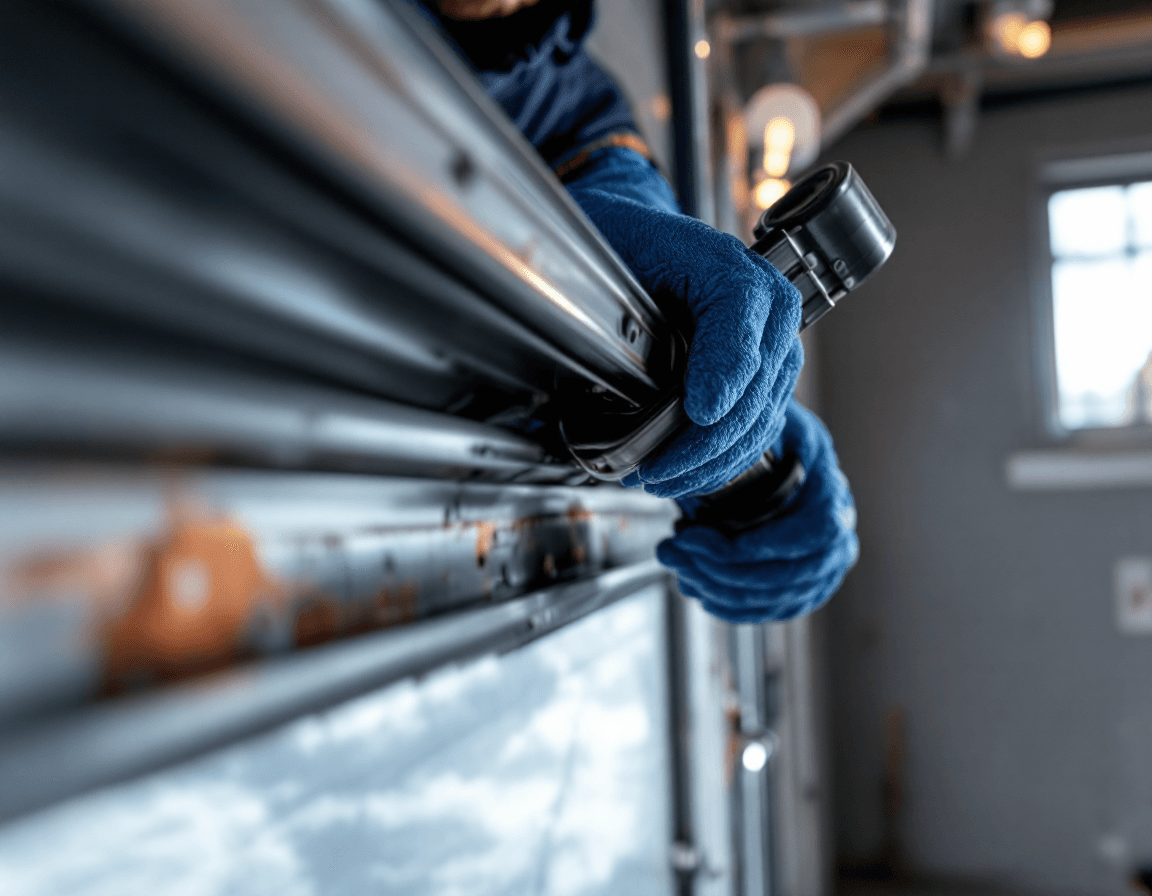
Garage door roller replacement in Puyallup, WA is one of the most common and affordable fixes homeowners can book, and it often delivers an immediate difference in how the door feels and sounds. Puyallup sits in the Puyallup River valley at the foot of the Cascade foothills, where winters bring long stretches of rain, damp air, and cold mornings that can stiffen door components. Over time, the small rollers that guide your door along its tracks take a beating from that moisture and from thousands of open-and-close cycles. When they wear out, the whole door pays the price in noise, vibration, and extra strain on the opener.
Many Puyallup homeowners first notice the problem as a faint squeak on a Tuesday morning that becomes a loud grind by the following month. Others hear a metallic scrape the moment the door starts moving, or they feel a shudder through the wall when the panels pass a particular point on the track. Those symptoms are not just annoying. They are your door asking for attention before a worn roller cracks, seizes, or pulls a panel out of alignment. A quick roller check can prevent a larger repair bill.
This page explains what roller replacement involves, how to recognize the warning signs, why nylon upgrades are a popular choice in our area, and where the safety boundaries lie. A full set of rollers typically falls in the $120 to $250 range, depending on door size, roller style, and the condition of the track around them. If you are seeing any of the symptoms described below, a licensed technician can usually diagnose the issue and swap the rollers in a single visit.
Why Puyallup Garage Doors Wear Their Rollers Sooner
The weather in Pierce County is one of the main reasons rollers fail earlier than many people expect. Wet winters soak the air and bring moisture into the garage, and that moisture can work its way into the steel bearings inside a roller. Once water sits in the bearing, it washes out the factory lubricant and begins to promote surface rust. Even a garage that feels dry can carry enough humidity to cause this, especially when a door is left closed for days during a long run of gray weather.
Temperature swings add another layer of stress. A cold morning can stiffen the lubricant in the bearings and make the door drag until the garage warms up a little. Rollers then spend the day flexing against track that is no longer perfectly smooth, and each cycle grinds away a bit more of the bearing surface. Over several seasons, this slow wear can turn a quiet roller into one that makes a racket every time it passes a joint in the track.
Many older homes in neighborhoods around Downtown Puyallup and the older blocks near South Hill were built with garage doors that have been in service for decades. Those doors often carry original rollers or early replacements that were never upgraded. Garage space in some of these homes is also shared with bikes, yard equipment, and stored items that can bump the door or track and knock rollers out of their designed path. Combined with the weather, these factors explain why roller work is so common here.
Reading the Sounds Your Door Is Making
Sound is the most useful diagnostic tool a homeowner has. A healthy roller makes very little noise, so any new sound is worth paying attention to. Squeaking usually points to dry or failing bearings, while a grinding noise often means the bearing has lost its smooth rolling surface and is dragging against the track. A sharp metal-on-metal scrape can indicate a roller that has cracked, flattened, or lost its outer sleeve, letting the steel core ride directly on the track.
Pay attention to where in the travel the noise happens. If the sound appears only at the start of the door's movement, the lower rollers near the bottom bracket may be the culprit. If it shows up as the door reaches the top of the track and curves into the horizontal section, the rollers in the curve or the top rollers may be wearing unevenly. Noise that comes and goes depending on temperature can also suggest that lubricant is thickening in the cold, although a worn roller can behave the same way and will not improve on its own.
Vibration is another clue that often gets overlooked. A door that shakes or jerks along the track sends a shudder through the panels and into the opener rail. That motion can loosen hardware and place uneven strain on the springs and cables. If you notice the door hesitating mid-travel or lurching as it reaches a certain height, a roller that has seized or flattened is a likely cause. Ignoring that jerking motion can accelerate damage to the opener and to other components.
Nylon Versus Steel: Choosing Rollers for a Quieter Bay
Steel rollers have a long track record and are still used on heavy doors and in situations where durability under constant load is the top priority. However, steel rollers with standard metal bearings tend to be noisier, especially as they age and the bearing surfaces begin to pit. For a homeowner who uses the garage daily, or who has a bedroom or home office on the other side of the wall, that noise becomes a real quality-of-life issue.
Nylon rollers, sometimes called quiet rollers, use a molded nylon wheel around a steel or sealed bearing core. The nylon surface absorbs more of the vibration as it rolls along the track, which is why these upgrades are popular for households that want smooth, quiet operation. Nylon also resists moisture better than bare steel, which is a practical advantage in a climate where humid winters are the norm. It is worth noting that the best results come when the rest of the door, including the track and hinges, is in good condition.
Choosing between styles depends on your door's weight, track type, and how you use the space. A technician can examine the door, check the track gauge, and recommend a roller style that matches the existing hardware. Not every door benefits equally from a nylon upgrade, and a good technician will tell you honestly whether the upgrade is worth the cost for your specific setup. Our role is to match the right roller to your door rather than pushing a single product for every job.
What a Roller Swap Involves on a Typical Puyallup Door
A standard roller replacement starts with a visual inspection of the door, track, and hardware. The technician will check the condition of each roller, look for cracks, flat spots, or signs of seizing, and inspect the stem and bracket for bending. The track itself gets a close look, because a track that is bent, loose, or out of plumb can wear out new rollers quickly. Addressing these underlying conditions is part of doing the job well.
Once the diagnosis is clear, the technician works on the door in a controlled way. Rollers are replaced one section at a time, and the door is supported so it cannot move unexpectedly during the swap. Many homeowners are surprised by how quickly the job goes when the work is done by someone with the right tools and experience. On a standard two-car door, a full roller swap can often be finished in a single visit, and the door is tested through several complete cycles before the technician leaves.
After the work is complete, the technician should lubricate the rollers with an appropriate product, check the balance of the door, and confirm that the door runs smoothly from fully closed to fully open. Balance matters because a door that is out of balance can put extra strain on the opener and make new rollers wear faster. If anything seems off during testing, it should be corrected before the job is considered finished.
Spring and Cable Work Stays With a Licensed Technician
Roller replacement is a manageable job for a trained technician, but it is important to draw a clear line between roller work and the high-tension components of a garage door. Torsion springs and extension springs store enormous amounts of energy, and a spring that releases unexpectedly can cause serious injury. Cables carry that tension as well, and a frayed or broken cable can cause a door to drop suddenly. These parts should never be adjusted, removed, or replaced by a homeowner working alone.
If your roller inspection reveals a damaged spring, a frayed cable, or a bent shaft, those repairs need to be handled by a licensed and insured professional with the proper training. Our company is licensed, bonded, and insured, and our technicians follow established safety procedures for spring and cable work. Even when the rollers themselves are the only parts that need replacing, a responsible technician will pause and explain any higher-risk component they find before proceeding.
Homeowners in Puyallup often want to save money by doing their own repairs, and that instinct is understandable. Rollers look simple, but they sit near the springs and cables, and a single misstep can be dangerous. If you are unsure whether a job is within your comfort zone, the safest answer is to call a professional. A short service visit is a far better outcome than a serious injury or a damaged door.
Track Alignment and Why Rollers Alone Sometimes Fail
Replacing rollers is often the right fix, but it is not always the complete answer. A track that has shifted, a loose mounting bracket, or a bent section can cause new rollers to wear out in just a few months. Because the rollers ride directly on the track, any misalignment transfers stress straight into the bearings. A good technician checks the track during every roller visit and corrects small issues before they become expensive problems.
Common track problems in our area include gaps at the joints where the vertical and horizontal sections meet, loosened bolts that allow the track to flex under load, and dents from garage bumps or stored items. Even a small dent can grab a roller and cause it to skip or flatten. Tightening hardware and straightening minor bends is usually a quick process, but it requires care to avoid creating new stress points.
Hinges and end caps deserve attention too. Worn hinges can allow panels to shift out of their proper arc, which causes the rollers to ride at an angle and wear unevenly. A technician who examines the entire door system will spot these connections and recommend the right fix. This whole-door approach helps the new rollers last longer and keeps the system running as it was designed to.
South Hill Driveways and Downtown Puyallup Garages: Similar Problems, Different Layouts
Puyallup is a city of varied housing, and the garage setup in one neighborhood can look very different from the next. Homes on South Hill often feature sloped driveways, and some garages sit at an angle to the street or have modest headroom above the door. Those layouts can affect how the door moves along its track and where stress concentrates on the rollers. A technician familiar with these setups can anticipate common wear patterns and plan the job accordingly.
Downtown Puyallup has a mix of older single-family homes, converted spaces, and newer construction. Older garages may have tracks that have been bent or patched over the years, while newer homes can have doors with heavier insulated panels that put more load on each roller. In either case, the goal is the same: a smooth, quiet door that moves without binding or shaking. Matching the roller style to the door weight is especially important for insulated doors that carry extra mass.
Homes near the fairgrounds and the surrounding residential areas often have two-car doors that see daily use. A busy household that opens and closes the garage several times a day will wear rollers faster than a single-car garage used occasionally. That kind of use is a good reason to consider a quieter nylon upgrade, especially if the garage shares a wall with a bedroom or living area.
Scheduling Around Rainy Seasons and Fair Weekends
The best time for roller work is often during drier weather, when the garage is easier to keep open and the door can be tested under normal conditions. However, roller problems rarely wait for ideal timing. A squeaky door in February still needs attention, and many homeowners in the Puyallup area call when the first hard rains of fall make the noise impossible to ignore. Booking early, before wet-season demand builds, can help you get a time that works for your household.
Late summer brings its own scheduling considerations. The Washington State Fair draws large crowds to the Puyallup area each year, and many local households plan around fair traffic, parking, and weekend events. If you know you will need the garage clear for a family event or a weekend project, let the scheduler know when you call so the visit can be planned around your calendar. A realistic appointment window helps the technician arrive prepared and keeps the job on track.
If your door is making a loud or unusual noise, do not wait for the perfect season to address it. Continued operation with worn rollers can damage the track, bend the shaft, or overload the opener. Scheduling a prompt inspection protects the rest of the system and often keeps the repair simpler and less expensive.
Budgeting for a Roller Replacement in the $120 to $250 Range
For many homes, a full set of garage door rollers falls in the range of $120 to $250. The final figure depends on the number of rollers your door uses, the style you choose, and whether the job includes minor track adjustments or hardware tightening. Nylon upgrades typically cost more than standard steel rollers, but many homeowners feel the quieter operation is worth the difference. A written estimate before work begins helps you understand exactly what is included.
Several factors influence the total. Door size and weight matter, because larger or insulated doors often need heavier-duty rollers. The condition of the track also plays a role, since badly worn track may need repair before new rollers can perform properly. Finally, the access and layout of your garage can affect how much time the job requires.
Be wary of any quote that seems dramatically lower than the typical range without explaining what is included. Inexpensive rollers of unknown quality can wear out quickly and may not fit your door's track correctly. Asking what brand and style is being installed, whether the track has been inspected, and whether the work is covered by a warranty will help you compare offers on equal terms.
Keeping Rollers Running Smoothly Between Service Visits
Routine care can extend the life of your rollers and reduce the chance of sudden failure. A few simple habits make a noticeable difference, especially in a wet climate where moisture is always working against metal parts. Keeping the track clean and clear of debris is one of the easiest steps you can take.
- Wipe the vertical and horizontal track sections once or twice a year to remove dust, grit, and dried residue.
- Use a silicone-based or manufacturer-recommended lubricant on roller bearings, and avoid heavy grease that attracts dirt.
- Keep items away from the door's path so bikes, shelving, and bins do not bump the track or panels.
- Listen for new sounds during normal use and note when they occur, so you can describe the problem accurately when you call.
- Check that bolts on the track brackets are snug, but do not overtighten them, since that can distort the track.
Avoid spraying lubricant directly into the opener or onto the springs and cables, because those components have their own requirements. If you are unsure which product to use, ask a technician during your next visit. A quick conversation can save you from applying the wrong material and attracting more dirt.
Watch for early warning signs such as a door that seems slower on one side, a panel that looks slightly out of line, or a roller that appears flattened when you visually inspect the track from a safe distance. Catching these signs early can keep a small repair from turning into a larger one.
- Call for service if you notice cracked roller tires, visible flat spots, or rollers that have stopped turning.
- Schedule a professional look if the door jerks, binds, or stops partway through its travel.
- Get help right away if a spring or cable looks damaged, frayed, or loose, and keep everyone away from the door until a technician arrives.
Serving Puyallup and Nearby ZIP Codes
We provide garage door roller replacement and related service throughout Puyallup and the surrounding Pierce County communities, including neighborhoods within the 98371, 98372, 98373, 98374, and 98375 ZIP codes. Our technicians understand how Pacific Northwest weather affects residential doors, and we bring that knowledge to every job, whether you live near South Hill, close to Downtown Puyallup, or in one of the outlying residential areas. Our service area spans more than 60 cities across Western Washington, so if you are just outside Puyallup, it is worth calling to confirm coverage.
Every visit begins with a clear explanation of what we see, what the repair involves, and what it will cost before any work starts. We recommend licensed professional help for all spring and cable work, and we will always tell you plainly when a component needs specialized attention. Our goal is a door that runs smoothly, quietly, and safely for years to come.
If your garage door is grinding, squeaking, shaking, or binding, do not wait for the next storm to make the problem worse. Call Seattle Garage Door Fix today at (888) 799-3819 to schedule a roller inspection in Puyallup, and let a licensed, insured technician restore smooth, quiet operation to your door.